Knob and tube wiring sounds like something you would find in a dusty magic shop: two porcelain knobs, a few ceramic tubes, and a homeowner whispering, “Is this dangerous?” In reality, knob and tube wiring is one of the earliest residential electrical systems used in American homes, especially from the late 1800s through the 1930s and early 1940s. If you own, are buying, or are renovating an older house, understanding this wiring is not optional. It is the electrical equivalent of reading the fine print before adopting a dragon.
The good news? Knob and tube wiring is not automatically a disaster hiding in your walls. The bad news? Age, modifications, insulation, overloaded circuits, and missing grounding can turn an old system from “historic charm” into “please call a licensed electrician before the toaster joins a rebellion.” This guide explains what knob and tube wiring is, how to identify it, why it matters, what risks to watch for, and when replacement becomes the smartest move.
What Is Knob and Tube Wiring?
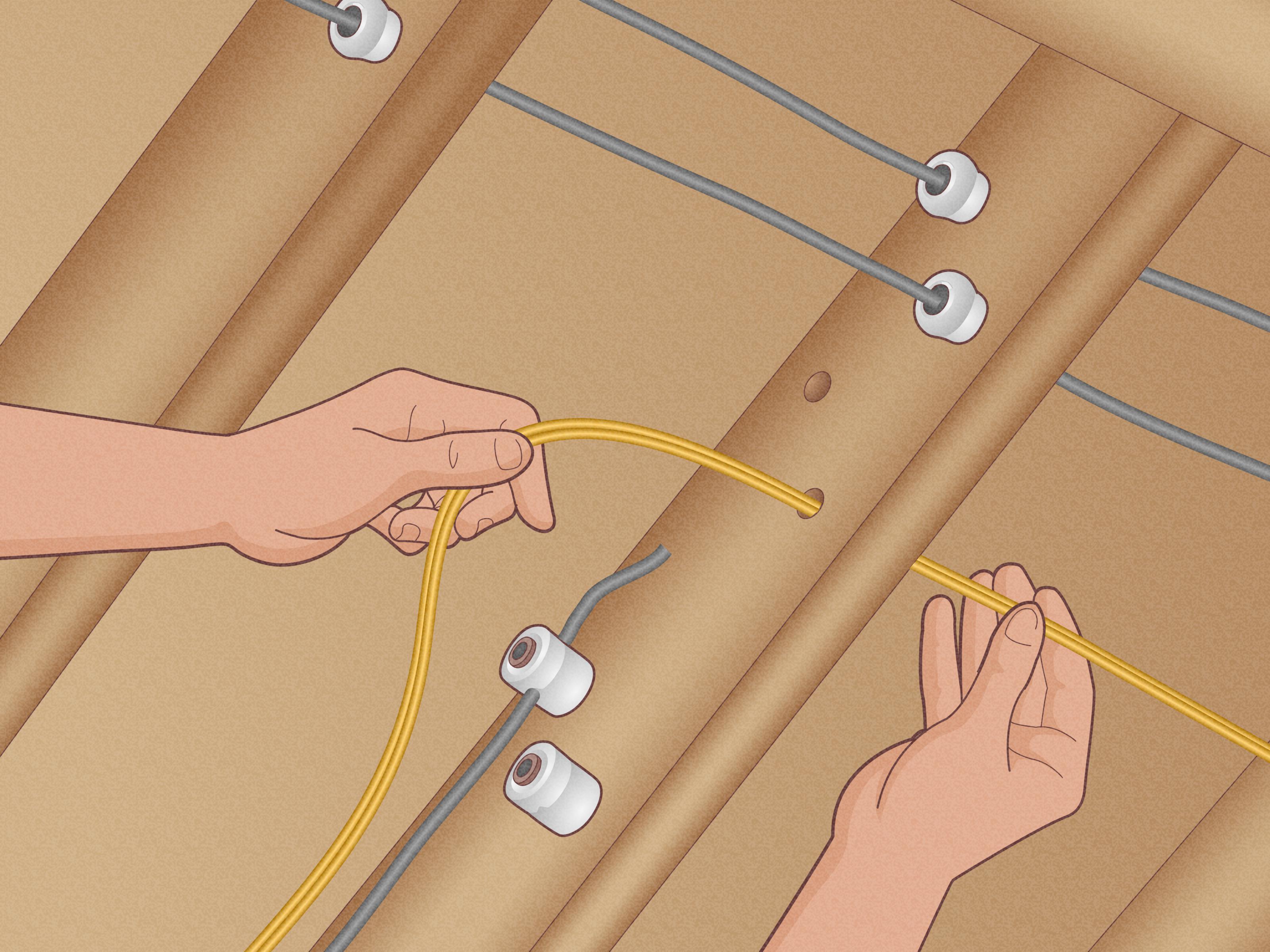
Knob and tube wiring, often shortened to K&T wiring, is an early electrical wiring method that used individual copper conductors rather than modern bundled cable. The wires were supported by ceramic knobs nailed to framing members and protected by ceramic tubes where they passed through wood joists or studs. The porcelain pieces helped keep the wires away from combustible materials and reduced the chance of abrasion.
Unlike modern nonmetallic cable, knob and tube wiring usually has separate hot and neutral wires running apart from each other. It was designed to release heat into open air, which was reasonable for the electrical loads of its era. Back then, a home might have powered a few lights, a radio, and maybe a fan. Today, the average home has refrigerators, gaming consoles, computers, microwaves, hair dryers, chargers, smart speakers, and one mysterious device nobody remembers buying but everyone refuses to unplug.
Why Older Homes Still Have Knob and Tube Wiring
Many older American homes still contain knob and tube wiring because it was built to last and because electrical systems are often replaced in stages. A house may have a modern breaker panel and newer wiring in the kitchen, while untouched knob and tube circuits still serve upstairs bedrooms, closets, attics, or light fixtures. This mix can confuse buyers because a modern electrical panel does not always mean the entire home has modern wiring.
Knob and tube wiring may be hidden behind plaster walls, tucked under attic floorboards, or visible in basements and crawl spaces. In some homes, it is inactive but still physically present. In others, it remains energized. That distinction matters. Old, abandoned wiring may be a historical leftover; active knob and tube wiring is a functioning part of the electrical system and deserves a professional inspection.
How to Identify Knob and Tube Wiring
The most obvious signs are white or brown ceramic knobs attached to wood framing and ceramic tubes passing through joists or studs. You may see individual cloth-covered wires stretched between the knobs. In unfinished basements and attics, these components are often easier to spot.
Common clues include:
- Two-prong outlets without a grounding slot
- Cloth-covered wiring visible in the attic or basement
- Ceramic knobs mounted along floor joists
- Ceramic tubes where wires pass through wood framing
- Old fuse boxes or evidence of partial electrical upgrades
- Light fixtures connected to very old-looking wire insulation
However, identifying knob and tube wiring is not always simple. Some older cloth-covered cables are not knob and tube. Some homes have disconnected K&T remnants that are no longer energized. A licensed electrician can test circuits properly and determine what is active, what is abandoned, and what needs attention.
Is Knob and Tube Wiring Dangerous?
The honest answer is: it depends. Original knob and tube wiring, when untouched, properly installed, and in good condition, was not inherently unsafe for the electrical loads of its time. The problem is that most systems are now many decades old. Insulation dries out. Connections loosen. Homeowners and handymen make questionable repairs. Circuits get asked to power modern appliances they were never designed to support. That is when the trouble starts.
Think of knob and tube wiring like a classic car. Beautiful? Maybe. Functional? Sometimes. Ready to haul a family, six suitcases, and a trailer up a mountain every weekend? Probably not without upgrades.
Major Safety Concerns With Knob and Tube Wiring
1. It Has No Ground Wire
Modern electrical systems include a grounding conductor that helps protect people and equipment when faults occur. Knob and tube wiring generally has only hot and neutral conductors. That means it does not provide the same grounding protection expected by modern appliances, computers, surge protectors, and three-prong outlets.
A common mistake is replacing a two-prong outlet with a three-prong outlet without adding a proper grounding path or using approved protection and labeling. That three-prong outlet may look modern, but if it is not actually grounded, it is basically wearing a superhero costume without powers.
2. The Insulation Can Become Brittle
Old knob and tube wiring often used rubber and cloth insulation. Over time, heat, age, rodents, moisture, and physical movement can make that insulation crack or crumble. Exposed conductors increase the risk of shock, arcing, and fire.
3. It Was Designed to Stay Cool in Open Air
K&T wiring depends on air circulation to dissipate heat. Covering it with blown-in insulation, foam, or other materials can trap heat around the conductors. That is one of the biggest red flags in older homes. In many areas, insulation contractors will not insulate attics or walls containing active knob and tube wiring unless an electrician confirms the wiring is inactive or code-compliant for the planned work.
4. It May Have Unsafe Splices or DIY Repairs
Many knob and tube systems have been modified over the years. Some modifications were done professionally; others were performed by someone whose electrical philosophy was “twist it, tape it, and hope the lights come on.” Unsafe splices, hidden junctions, overloaded circuits, and improper connections to modern cable can create real hazards.
5. It May Not Handle Modern Electrical Loads
Older electrical systems were not designed for today’s power demands. A knob and tube circuit serving a bedroom light in 1925 may now be powering a television, window air conditioner, laptop, phone charger, gaming system, and a space heater. That is not nostalgia; that is an overloaded circuit wearing a fake mustache.
Knob and Tube Wiring and Home Insurance
Home insurance can become complicated when active knob and tube wiring is present. Some insurance companies may refuse coverage, require an electrician’s inspection, ask for replacement, limit coverage, or charge higher premiums. Requirements vary by insurer, state, home condition, and whether the wiring is active or abandoned.
If you are buying an older home, do not wait until closing week to ask about electrical insurance issues. Get a home inspection, request electrical evaluation when K&T is suspected, and speak with your insurance provider early. Nobody enjoys discovering that the charming bungalow comes with a surprise insurance scavenger hunt.
Can You Keep Knob and Tube Wiring?
In some cases, existing knob and tube wiring may be allowed to remain if it is in good condition, not overloaded, not covered by insulation, and approved by the local authority having jurisdiction. However, “allowed to remain” is not the same as “ideal for modern living.” Local codes, insurance rules, renovation plans, and safety conditions all matter.
Many electricians recommend replacing active knob and tube wiring during major renovations, especially when walls or ceilings are already open. Replacement is also commonly recommended when the wiring serves kitchens, bathrooms, laundry areas, home offices, exterior outlets, or appliance-heavy rooms. These areas usually need modern grounding, GFCI protection, AFCI protection, and dedicated circuits.
When Replacement Is Strongly Recommended
Replacement becomes the smart option when the system shows signs of damage, unsafe alterations, overheating, or incompatibility with modern use. It is also wise when active K&T wiring is buried in insulation or when you plan to add insulation to walls or attics.
Warning signs include:
- Frequent blown fuses or tripped breakers
- Warm outlets, switches, or cover plates
- Buzzing, crackling, or sizzling sounds
- Burning smells or discoloration near outlets
- Flickering lights not explained by bulbs or fixtures
- Visible cracked, missing, or crumbling wire insulation
- Extension cords used as permanent wiring
- Three-prong outlets that are not actually grounded
- Knob and tube wiring surrounded by insulation
If any of these signs appear, do not poke around or attempt a repair. Electrical work inside walls and panels is not a weekend craft project. Call a licensed electrician. Your future self, your house, and possibly your eyebrows will appreciate it.
Knob and Tube Wiring During Renovation
Renovation is when knob and tube wiring often steps into the spotlight. You open a wall expecting drywall dust and maybe an old penny. Instead, you find ceramic knobs and cloth-covered conductors. At that moment, the project changes from “quick update” to “let’s be responsible adults for a minute.”
Before adding insulation, moving walls, replacing fixtures, finishing an attic, or upgrading outlets, have the wiring evaluated. A licensed electrician can map active circuits, identify hazards, and recommend whether partial or full replacement makes sense. In many homes, rewiring room by room may be possible, but the plan should be organized so future owners are not left guessing which parts are modern and which parts are antique.
How Much Does Knob and Tube Replacement Cost?
The cost of replacing knob and tube wiring varies widely. Factors include the size of the house, number of circuits, accessibility, wall and ceiling materials, local labor rates, permit requirements, panel condition, and whether plaster repair is needed. A small accessible area may cost far less than a whole-house rewiring project in a three-story plaster home.
Although replacement can be expensive, it may improve safety, insurance options, resale value, renovation flexibility, and everyday convenience. Modern wiring can support grounded outlets, dedicated appliance circuits, improved lighting plans, GFCI protection in wet areas, AFCI protection where required, and safer use of today’s electronics.
Buying a House With Knob and Tube Wiring
A house with knob and tube wiring is not necessarily a deal-breaker, but it is a negotiation point and a planning issue. Before buying, ask whether the wiring is active, whether any electrical permits exist for upgrades, whether insulation has been added around the wiring, and whether the seller has recent electrician documentation.
A general home inspector may identify visible signs of K&T wiring, but a licensed electrician can provide a more detailed evaluation. That evaluation may help you estimate replacement costs, understand insurance implications, and decide whether to request repairs, credits, or a price adjustment.
Common Myths About Knob and Tube Wiring
Myth 1: All knob and tube wiring must be removed immediately.
Not always. Some existing systems may be allowed to remain if they are in safe condition and meet local requirements. Still, old wiring should be inspected carefully, especially before renovations or insulation work.
Myth 2: A modern breaker panel means the home has modern wiring.
Nope. A panel upgrade may coexist with older branch circuits. The electrical panel is only one chapter of the story, not the whole novel.
Myth 3: Three-prong outlets prove the wiring is grounded.
Unfortunately, no. Three-prong outlets can be installed incorrectly on ungrounded circuits. Proper testing is needed to verify grounding and safety.
Myth 4: Knob and tube wiring is safe under insulation if it has been there for years.
Time does not make a hazard safer. Active K&T wiring surrounded by insulation should be evaluated promptly because the system was designed to dissipate heat into open air.
How to Make an Older Home Safer
Start with a professional electrical inspection. Ask the electrician to identify active knob and tube circuits, evaluate insulation condition, check for improper splices, test outlets, examine panel capacity, and recommend upgrades based on current use.
Next, prioritize high-demand and high-risk areas. Kitchens, bathrooms, laundry rooms, workshops, outdoor outlets, and home offices often benefit most from modern wiring. Replace permanent extension cord setups with properly installed outlets. Add appropriate GFCI and AFCI protection where required. Make sure smoke alarms are installed and working. Keep combustible materials away from exposed wiring areas in basements and attics.
Most importantly, avoid DIY electrical repairs. Painting a room is forgiving. Miswiring a circuit is not. Electricity does not grade on effort.
Real-World Experience: What Homeowners Often Learn the Hard Way
One common experience with knob and tube wiring is surprise. Many homeowners buy an old house because they love the original floors, tall trim, pocket doors, and cozy character. Then one day they replace a light fixture and discover cloth-covered wires that look like they belong in a museum exhibit titled “Electricity: The Brave Early Years.” The first lesson is that older homes often contain layers of history, and not all of those layers are cute.
Another real-world lesson is that partial upgrades can be confusing. A homeowner may see a modern electrical panel and assume everything behind the walls is updated. Later, an electrician finds that only the kitchen and bathroom were rewired, while upstairs bedrooms still rely on active knob and tube circuits. This does not mean the previous owner was dishonest. Sometimes updates happen gradually over decades. But it does mean buyers should ask specific questions and not rely on appearances.
Homeowners also learn that insulation and knob and tube wiring are a serious combination. Many people want to improve comfort and lower energy bills by adding attic insulation. That is a smart goal, but active K&T wiring can complicate the project. Insulation contractors may pause the job until an electrician verifies that the wiring is inactive or replaced. It can feel frustrating, especially when the attic is cold enough to store ice cream, but safety comes first.
Insurance is another surprise. Some homeowners report that their insurer requests proof of replacement or a licensed electrician’s report. Others find that coverage is available but more limited or expensive. The best approach is to be upfront. Trying to hide active knob and tube wiring is a terrible strategy. Insurance companies dislike surprises almost as much as homeowners dislike electrical fires.
Renovation planning is where experience really pays off. If walls are already open for a kitchen remodel, bathroom update, or attic conversion, that may be the most practical time to replace old wiring. Running new circuits is usually easier when access is available. Waiting until after fresh drywall, paint, tile, and cabinets are installed can make the project more expensive and emotionally painful. Nobody wants to cut into a newly finished wall while whispering, “We should have done this earlier.”
A final lesson: replacement is not just about fear. It is also about function. Modern wiring can add grounded outlets where people actually need them, dedicated circuits for appliances, safer bathroom and kitchen protection, better lighting layouts, and fewer extension cords snaking across rooms like lazy electrical noodles. For many homeowners, upgrading from knob and tube wiring brings peace of mind and makes the house easier to live in.
Conclusion
Knob and tube wiring is part of American housing history, and like many historic features, it deserves respect rather than panic. The system was clever for its time, using ceramic knobs and tubes to support and protect individual conductors. But modern homes demand far more electricity than homes did a century ago, and age can turn once-reliable materials into safety concerns.
If your home has knob and tube wiring, the smartest move is to have it evaluated by a licensed electrician. Find out whether it is active, whether it has been altered, whether insulation surrounds it, and whether it can safely support the way you use your home today. In many cases, replacement is the best long-term solution, especially for safety, insurance, renovations, and resale value.
Old-house charm is wonderful. Original woodwork? Lovely. Vintage tile? Adorable. Active, damaged knob and tube wiring hiding under insulation? That is not character; that is a project. Treat it seriously, plan wisely, and let qualified professionals handle the electrical work.