Few backyard discoveries ruin a peaceful afternoon faster than a hornet nest hanging under the eaves like a paper piñata with anger issues. One minute you are watering tomatoes, the next you are negotiating with striped security guards who did not approve your patio permit. The good news: a hornet nest can be handled. The better news: you do not have to prove anything to the neighborhood by doing it recklessly.
This guide explains four practical ways to kill a hornet nest, when each method makes sense, and when the smartest move is to call a professional. The goal is not just to “win” against the nest, but to do it without turning your yard into a tiny emergency room with lawn chairs.
Important safety note: Hornets, yellow jackets, and other social wasps can sting repeatedly. People with known sting allergies, asthma, immune concerns, mobility issues, or nests near children, pets, doors, decks, attics, wall voids, or second-story rooflines should skip DIY removal and hire a licensed pest control company. Also, never use gasoline, fire, bleach mixtures, fireworks, pressure washers, or “internet genius” tricks. Hornets are already dramatic; they do not need special effects.
Before You Kill a Hornet Nest: Identify What You Are Dealing With
The phrase “hornet nest” is often used for several stinging insects. In the United States, many people call bald-faced hornets “hornets,” although they are technically a type of yellowjacket. European hornets are true hornets and often build nests in hollow trees, wall voids, sheds, or attics. Paper wasps build open, umbrella-shaped nests under eaves and porch ceilings. Yellowjackets frequently nest underground or inside structural voids.
Why does this matter? Because the right hornet nest removal method depends on the nest location, size, and species behavior. A small exposed paper wasp nest in early spring is very different from a large football-shaped bald-faced hornet nest in August. One is a manageable problem for a prepared homeowner. The other is basically an airborne homeowners association meeting, and everyone is mad.
When You Should Not Attempt DIY Hornet Nest Removal
Call a professional if the nest is inside a wall, attic, soffit, chimney, crawl space, dense shrub, tree canopy, or underground hole near regular activity. Also call for help if the nest is bigger than a grapefruit, if you cannot clearly see the entrance, if you need a ladder, or if the insects are already defensive when you approach from a distance. A mistake during treatment can lead to multiple stings, falls, or serious allergic reactions.
Method 1: Hire a Professional Exterminator
The safest and most reliable way to kill a hornet nest is to hire a licensed pest control professional. This is especially true for large nests, hidden nests, nests inside structures, and nests located high above the ground. Professionals have protective suits, appropriate insecticides, dusting equipment, ladders, inspection tools, and the most valuable tool of all: experience with insects that believe your face is a landing strip.
A professional hornet nest removal service usually begins with identification. The technician determines whether the insects are hornets, yellowjackets, wasps, or bees. This step matters because honey bees and some native bees may be better handled by bee removal specialists rather than exterminated. After identification, the technician locates the nest entrance, chooses a treatment, applies it safely, and may remove or seal the nest area once activity stops.
Best For
This method is best for nests in wall voids, attics, rooflines, trees, dense bushes, underground burrows, sheds, garages, and anywhere near heavy foot traffic. It is also the best option if anyone in the household has a history of severe reactions to stings.
Pros
Professional removal greatly reduces personal risk. It also helps prevent incomplete treatment, which can leave surviving hornets agitated and still active. A pest expert can also identify how the nest formed and recommend prevention steps, such as sealing cracks, repairing screens, covering trash, and reducing food attractants.
Cons
The main downside is cost, which varies by location, nest size, accessibility, and species. However, compared with an urgent care bill, a fall from a ladder, or a swarm encounter, professional service can feel like the bargain bin of wisdom.
Method 2: Use a Labeled Wasp and Hornet Aerosol Spray
For a small, exposed, accessible nest, a ready-to-use wasp and hornet aerosol may work. These products are designed to spray from a distance, often in a strong stream or foam, allowing the user to stand away from the nest. Many labels recommend treating at dusk or early morning, when hornets and wasps are less active and more likely to be inside the nest.
The key phrase is labeled product. Use only insecticides specifically labeled for wasps, hornets, or yellowjackets, and follow the label exactly. The pesticide label is not a decorative sticker; it is the law, the safety manual, and the “please don’t improvise” document all in one.
How to Approach This Method Safely
First, observe the nest from a safe distance during the day so you know the entrance and the flight path. Do not stand directly under the nest. Plan a clear escape route before applying anything. Keep children, pets, neighbors, and curious uncles indoors. Wear long sleeves, long pants, gloves, closed-toe shoes, eye protection, and avoid loose clothing that insects can crawl into.
Apply the product only as directed. Many sprays are meant for outdoor use, and some can harm fish, aquatic invertebrates, beneficial insects, or pets if misused. Avoid spraying near ponds, streams, edible plants, open windows, air intakes, or areas where children and animals play. After treatment, leave the area immediately and wait the label-recommended time before checking the nest again.
Best For
This method is best for small exposed nests under eaves, porch ceilings, low tree branches, or fence structures where you can stand on solid ground and clearly see the entrance.
When Not to Use It
Do not use aerosol spray on nests inside walls or attics unless the label specifically allows that use and you understand the risk. Spraying into wall voids can drive insects into living spaces. Do not use it while standing on a ladder. If the nest is high enough to require gymnastics, the hornets have already won the DIY round.
Method 3: Use Insecticidal Dust for Ground or Void Nests
Some hornet and yellowjacket nests are not hanging in plain sight. They may be underground, inside a wall void, behind siding, beneath steps, or tucked into a crack. In these cases, insecticidal dust can be more effective than liquid spray because insects carry the dust deeper into the nest as they move through the entrance.
This method is commonly used for confined nest openings, especially ground nests. However, it is also one of the methods where homeowners should be most cautious. Dust can drift, be inhaled, contaminate surfaces, or be misapplied. Use only a product labeled for the target insect and location, and never puff dust blindly into indoor spaces or electrical fixtures.
Best For
Dust treatment is best for ground nests, cracks, and tight nest entrances where the insects are entering and exiting through one visible point. It may also be used by professionals for nests in structural voids.
Safety Tips
Work only when insects are least active, usually evening or very early morning. Stand away from the entrance and avoid blocking the flight path. Do not seal the entrance immediately unless the product label or professional guidance says to do so; sealing too soon can trap live insects and push them into new exits, including indoors. If the nest is in a wall, ceiling, or attic, call a professional. Hidden nests are famous for being bigger, busier, and less forgiving than they look.
Method 4: Remove a Small Early-Season Nest Before It Grows
The easiest hornet nest to kill is the one that has barely started. In spring, nests are small and may contain only a queen and a few workers. If you spot a tiny, exposed nest early and it is in a high-risk location, removal may be possible before the colony becomes large.
For very small exposed paper wasp-type nests, some homeowners knock down the nest after confirming there is little activity. However, this is not appropriate for large enclosed hornet nests, active yellowjacket nests, or any nest with steady traffic. If you see multiple insects coming and going, treat it as active and dangerous.
Best For
This method is best for tiny, exposed, early-season nests attached to porch ceilings, deck railings, mailbox posts, playsets, or sheds. It is not recommended for established hornet nests, ground nests, wall voids, or nests near people with allergies.
How to Make It Safer
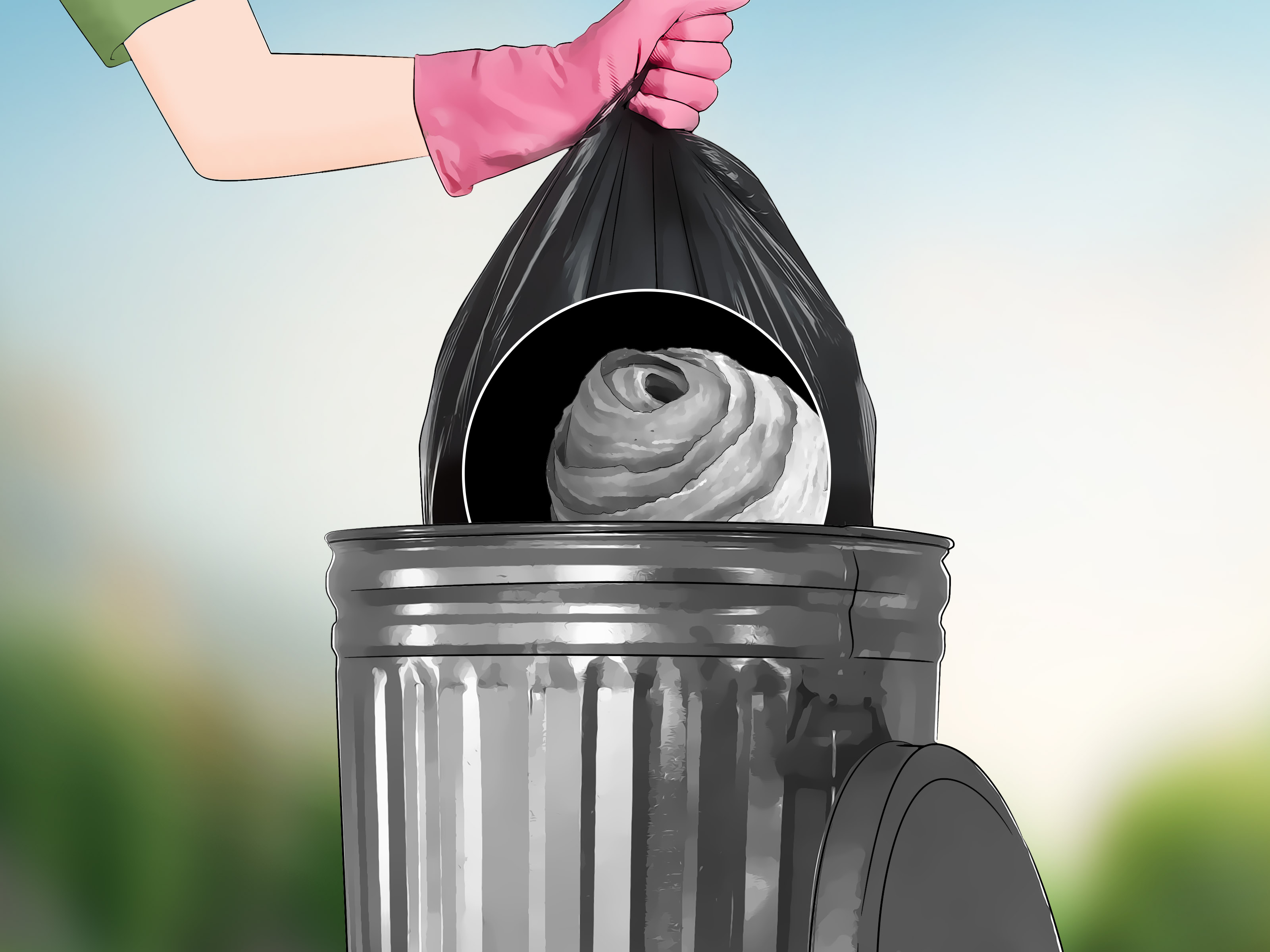
Observe first. If the nest has only minimal activity and is reachable from the ground, remove it at dusk or dawn while wearing protective clothing. Use a long-handled scraper or tool rather than your hand. Bag and dispose of the nest only after confirming there is no activity. Clean the area afterward because wasps and hornets may return to familiar scent-marked sites.
If activity continues after the nest is knocked down, do not keep poking the area like a villain in a nature documentary. Leave and call a professional.
What Not to Do When Killing a Hornet Nest
Some hornet nest advice online sounds like it was invented by someone who owns both a flamethrower and poor judgment. Avoid dangerous methods that can injure people, damage property, or make the colony more aggressive.
Do Not Burn the Nest
Hornet nests are made from chewed wood fibers and saliva, which means they are papery and flammable. Fire can spread to siding, trees, fences, sheds, or roof materials. It can also release angry hornets before the nest is destroyed. That is not pest control; that is a backyard disaster with wings.
Do Not Use Gasoline or Kerosene
Pouring fuel into a ground nest is dangerous, illegal in many contexts, environmentally harmful, and unnecessary. It can contaminate soil and groundwater, create fire or explosion hazards, and harm pets, wildlife, and people.
Do Not Flood the Nest
Water may not kill the colony, especially if the nest has multiple chambers or exits. Flooding can simply anger the insects and send them searching for whoever started the plumbing emergency.
Do Not Seal a Wall Nest Too Soon
If hornets or yellowjackets are entering a wall void, sealing the exterior hole before the colony is dead can force them indoors. Treating and removing hidden nests is usually a professional job.
How to Prevent Hornets From Coming Back
Once the nest is gone, prevention becomes the quiet hero of pest control. Hornets and wasps are attracted to food scraps, sugary drinks, open garbage, fallen fruit, pet food, compost, and sheltered nesting spots. Keep trash cans sealed, rinse recyclables, clean outdoor eating areas, repair torn screens, seal cracks in siding, and inspect eaves, sheds, playsets, and deck railings in spring.
Early inspection is especially useful. A nest found in April or May is usually easier to manage than one discovered in late summer, when the colony may be larger and more defensive. Think of it like weeds, laundry, or email: small problems are less terrifying before they form a society.
First Aid for Hornet Stings
Most stings cause pain, redness, itching, and swelling. Wash the area with soap and water, apply ice, and avoid scratching. Watch carefully for signs of a severe allergic reaction, including trouble breathing, swelling of the lips or throat, dizziness, fainting, widespread hives, nausea, or confusion. If any severe symptoms appear, call emergency services immediately.
People with a known sting allergy should follow their medical plan and carry prescribed epinephrine. A hornet nest is not the time to “see how it goes.” It is the time to respect biology, medicine, and the fact that insects have no customer service department.
Real-World Experience: What Homeowners Learn the Hard Way
Most hornet nest stories begin with one harmless sentence: “I think I can handle it.” Sometimes that sentence is correct. Often, it is followed by sprinting, shouting, and a flip-flop abandoned in the yard like evidence at a crime scene.
One common experience is underestimating the nest size. From the outside, a nest may look quiet, especially during the middle of the day when many workers are away foraging. But the colony can be much larger than it appears. Homeowners often see only the visible paper shell or the entrance hole, not the number of insects inside. That is why daytime observation from a safe distance is so helpful. Watch the traffic. If insects are flying in and out every few seconds, the nest is active and should be treated seriously.
Another lesson is that location changes everything. A small nest under a low porch ceiling may be manageable with the right product and safety precautions. The same-size nest above a second-story window is not. Ladders and hornets are a terrible combination. Even a single sting can cause a person to jerk, lose balance, or fall. Many experienced pest technicians will tell you that the height of the nest is sometimes more dangerous than the insects themselves.
Homeowners also learn that “natural” does not automatically mean safe. Soap and water, essential oils, and homemade traps may help with small problems or prevention, but they are not magic shields. Spraying a large hornet nest with a tiny household bottle is like trying to stop a marching band with a kazoo. It might make noise, but the band is still coming. Natural repellents are better for discouraging nesting around patios, trash areas, and outdoor dining spaces than for destroying a mature colony.
Another frequent mistake is ignoring the exit plan. Before treating any nest, you should know exactly where you will go if insects emerge. That route should be clear, close, and indoors if possible. Do not retreat through clutter, garden hoses, toys, tools, or patio furniture. A planned escape route sounds dramatic until you need one. Then it sounds like genius.
Many people also discover that old nests are not usually reused, but the same protected areas can attract new colonies. That is why prevention matters after removal. If hornets liked the dry corner under your eaves once, future queens may like it too. After the colony is inactive and the nest is removed, clean the area, seal gaps, repair trim, and inspect the same spot in spring.
The biggest lesson? Pride is not protective equipment. The safest hornet nest removal is the one that matches your skill, equipment, health, and nest conditions. Sometimes that means using a labeled aerosol on a small exposed nest from a safe distance. Sometimes it means calling a professional, closing the door, and enjoying the rare luxury of making the problem someone else’s Tuesday.
Conclusion
Killing a hornet nest is not about being fearless. It is about being accurate, prepared, and honest about the risk. The four best options are hiring a professional, using a labeled wasp and hornet aerosol on small exposed nests, using insecticidal dust for suitable ground or void nests, and removing tiny early-season nests before they grow. The right choice depends on the nest’s size, location, activity level, and your ability to treat it safely from solid ground.
If the nest is large, hidden, high, aggressive, or near people and pets, call a licensed pest control professional. If you choose a DIY method, read the label, wear protective clothing, work when insects are less active, keep others away, and plan your exit. Hornets may be small, but they are organized, motivated, and deeply committed to defending their weird little paper castle.