Note: This article is for self-understanding and educational purposes. It is not a clinical diagnosis, a personality verdict, or a tiny psychological jail cell with throw pillows.
Some people walk into a party and instantly become the unofficial mayor. Others walk in, identify the quietest corner, and make a strategic alliance with the snack table. Then there are the people who can do both: chat for an hour, laugh loudly, network like a polished LinkedIn post, and then disappear for the rest of the weekend like a phone on 1% battery.
So, are you an introvert, extrovert, or ambivert? The answer is not always as simple as “I like people” or “I like my couch.” Modern personality psychology treats introversion and extroversion as a spectrum, not two separate planets. Most people are not 100% one or the other. Your social energy, comfort level, communication style, and need for recovery time all matter.
Understanding where you fall can help you work better, build healthier relationships, avoid unnecessary burnout, and stop blaming yourself for not enjoying every event that comes with name tags and lukewarm coffee.
What Do Introvert, Extrovert, and Ambivert Really Mean?
Introversion and extroversion describe how people tend to direct and restore their energy. They are part of the broader Big Five personality framework, where extraversion is one of the major personality dimensions. In simple terms, extroversion is linked with sociability, enthusiasm, assertiveness, and comfort with external stimulation. Introversion is often associated with reflection, depth, independence, and a preference for calmer environments.
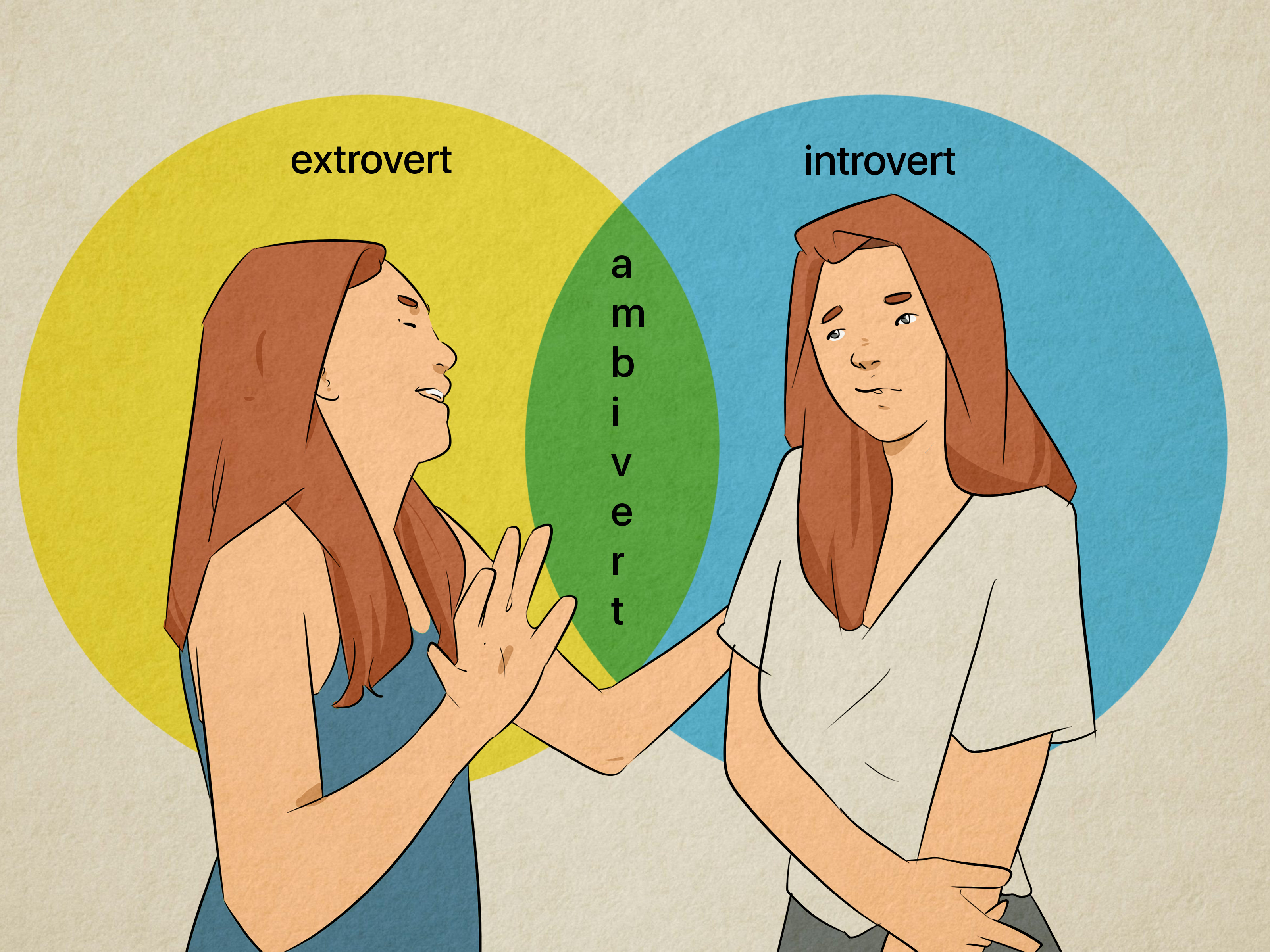
An ambivert falls near the middle of the introvert-extrovert spectrum. Ambiverts show both introverted and extroverted traits depending on the situation, people involved, energy level, and purpose of the interaction. They may enjoy a lively dinner but need quiet afterward. They may speak confidently in a meeting but avoid unnecessary small talk in the elevator. In other words, ambiverts are personality hybrids, minus the confusing car manual.
Signs You May Be an Introvert
Introverts are often misunderstood as shy, antisocial, or unfriendly. That is not accurate. Many introverts like people deeply. They simply prefer meaningful interaction over constant stimulation. Socializing can be enjoyable, but it may also feel draining after a while.
You Recharge Best Alone
If a quiet evening feels like plugging your soul into a charger, you may lean introverted. Introverts often need solitude to process thoughts, recover from busy environments, and feel balanced again. Alone time is not necessarily loneliness. For many introverts, it is maintenance.
You Prefer Depth Over Volume
Introverts often enjoy one-on-one conversations, thoughtful discussions, and close relationships. They may not want to meet thirty new people at once, but they can remember one person’s childhood dog, favorite book, and oddly specific coffee order. Their social world may be smaller, but it is often rich and carefully chosen.
You Think Before You Speak
Introverts are often reflective communicators. In meetings, they may pause before answering because their brain is actually reviewing the question instead of sprinting into the first available sentence. This can be a strength in writing, planning, problem-solving, leadership, research, and creative work.
You Can Be Social, But You Have a Limit
An introvert can enjoy weddings, conferences, parties, and group trips. The difference is that they may need recovery time afterward. Their social battery may be strong, but it is not infinite. When it runs out, even a friendly “So, what do you do?” can feel like a pop quiz from the universe.
Signs You May Be an Extrovert
Extroverts are often energized by people, activity, and external stimulation. They tend to think out loud, connect easily, and feel comfortable jumping into social situations. This does not mean every extrovert is loud or attention-seeking. Some are warm, curious, collaborative, and simply more energized when life is interactive.
You Gain Energy From Social Interaction
If spending time with others makes you feel brighter, more motivated, and more alive, you may lean extroverted. Extroverts often feel refreshed after group activities, conversations, events, and shared experiences.
You Process Ideas by Talking
Extroverts often discover what they think while speaking. They may brainstorm out loud, ask spontaneous questions, and build ideas through conversation. This can make them excellent collaborators, presenters, salespeople, teachers, community builders, and team energizers.
You Are Comfortable Taking Social Initiative
Extroverts may be more likely to introduce themselves, start conversations, organize plans, or speak up in group settings. They often help break the ice, which is useful because otherwise the ice just sits there, awkward and emotionally unavailable.
You May Feel Drained by Too Much Isolation
While introverts can feel worn out by excessive social activity, extroverts may feel flat or restless after too much time alone. They often benefit from regular connection, shared goals, group momentum, and active environments.
Signs You May Be an Ambivert
Ambiverts are the flexible middle. They may not fit neatly into the introvert or extrovert label because their behavior changes depending on context. This can be confusing at first. One day they are charming at a dinner party; the next day they are silently celebrating a canceled plan like it is a national holiday.
You Enjoy People and Solitude
Ambiverts often need both connection and quiet. They may love a good conversation but also crave time to think. They are not “fake extroverts” or “failed introverts.” They simply operate with a more adjustable social dial.
You Adapt to the Room
Ambiverts can often read social situations well. In a quiet group, they may speak up. In a loud group, they may listen more. This adaptability can be a major advantage in relationships, leadership, customer service, teaching, sales, and teamwork.
You Balance Talking and Listening
One reason ambiverts can thrive socially is that they often combine extroverted assertiveness with introverted attentiveness. They can speak with confidence but also notice when someone else needs the floor. That balance is powerful because most people do not want to be talked at like a podcast with shoes.
Your Energy Depends on the Situation
An ambivert might love socializing with close friends but dislike crowded networking events. They may enjoy public speaking but hate forced group games. They may feel energized by meaningful interaction and exhausted by shallow conversation. Context matters.
Introversion Is Not the Same as Shyness
This distinction is important. Introversion is about energy and stimulation. Shyness is about discomfort or nervousness in social situations. A person can be a confident introvert who gives excellent presentations but still needs quiet afterward. A person can also be a shy extrovert who wants connection but feels anxious initiating it.
Social anxiety is different again. It involves intense fear, distress, or avoidance that can interfere with daily life, school, work, or relationships. Being reserved is not a disorder. But if social fear causes significant suffering, speaking with a qualified mental health professional can help.
Why Personality Labels Are Useful, But Not Absolute
Personality labels are helpful when they give you language for your needs. They become unhelpful when they become excuses or cages. Saying “I am an introvert” can help you protect recovery time. Saying “I am an introvert, so I can never speak up” may quietly limit your growth. Saying “I am an extrovert” can help you seek connection. Saying “I am an extrovert, so I never need quiet” may lead straight to burnout with jazz hands.
The healthiest approach is flexible self-awareness. Your personality may influence your preferences, but it does not erase your ability to learn new skills. Introverts can become strong public speakers. Extroverts can become excellent listeners. Ambiverts can learn to stop overcommitting just because they technically can handle both worlds.
How to Tell Where You Fall on the Spectrum
Ask yourself what restores you after a long day. Do you want silence, a book, music, and zero surprise visitors? You may lean introverted. Do you want dinner with friends, a team activity, or a lively conversation? You may lean extroverted. Do you want either one depending on the day, the people, and how much sleep you got? Welcome to ambivert territory.
Also notice your behavior before, during, and after social events. Before an event, are you excited, nervous, neutral, or already planning your escape route? During the event, do you gain momentum or slowly fade? Afterward, do you feel refreshed, satisfied but tired, or ready for another round?
Introverts, Extroverts, and Ambiverts at Work
In the workplace, each style has strengths. Introverts may excel at deep work, careful analysis, listening, writing, and long-term planning. Extroverts may shine in collaboration, pitching, motivating teams, handling fast-moving conversations, and building networks. Ambiverts may move between independent focus and group communication with relative ease.
The mistake many workplaces make is rewarding only the most visible behavior. The person speaking the most is not always contributing the most. The quiet employee may have the best idea but need time to formulate it. The energetic employee may inspire action but need help slowing down for details. The ambivert may become the bridge between both styles, translating the brainstorm into a plan that actual humans can follow.
Relationships: Why Opposites Can Work
Introverts and extroverts can build strong relationships when both respect each other’s energy needs. The introvert may help create calm, depth, and reflection. The extrovert may bring adventure, connection, and momentum. Ambiverts may act as negotiators between “Let’s go out!” and “Let’s become furniture.”
The key is communication. Instead of saying, “You never want to go anywhere,” try, “I miss spending social time together.” Instead of saying, “You are too much,” try, “I need quiet tonight so I can enjoy tomorrow.” Personality differences become easier when they are treated as needs, not character flaws.
Practical Tips for Each Personality Style
If You Are an Introvert
Schedule recovery time after intense social events. Choose quality over quantity in your relationships. Prepare talking points before meetings if that helps you contribute. Do not assume discomfort means inability. You can stretch socially without betraying your nature.
If You Are an Extrovert
Build moments of quiet into your routine, even if silence initially feels suspicious. Practice listening without immediately jumping in. Respect that not everyone bonds through constant conversation. Your energy is a gift, but gifts are best when they are not thrown across the room.
If You Are an Ambivert
Pay close attention to patterns. Because you can handle many situations, people may assume you are always available. Protect your limits. Use your adaptability wisely, but do not let flexibility turn into people-pleasing.
Personal Experiences: What This Looks Like in Real Life
Imagine someone named Maya. At work, Maya seems extroverted. She leads meetings, explains ideas clearly, and has no problem giving a presentation. People assume she loves being “on.” But after a full day of talking, she drives home in silence. No music. No podcast. No phone calls. Just peace, windshield, and the sacred hum of not answering questions. Maya is likely an introvert with strong social skills.
Now imagine Jordan. Jordan gets restless after working alone too long. A quick conversation with a coworker can completely change his mood. He loves group projects, weekend plans, and spontaneous hangouts. But he is not shallow or incapable of reflection. He simply feels more alive when ideas and emotions are shared in real time. Jordan may lean extroverted.
Then there is Alex, the classic ambivert. Alex can spend Saturday at a birthday party, tell stories, meet new people, and genuinely enjoy it. On Sunday, Alex wants a quiet breakfast, a long walk, and three hours of not being perceived by society. Friends sometimes call Alex unpredictable, but Alex is not random. Alex’s energy depends on context. Close friends feel easy. Forced small talk feels like downloading a software update on hotel Wi-Fi.
Many people discover their personality style through trial and error. Maybe you once said yes to five social plans in one weekend and by Sunday evening felt like a haunted houseplant. That is useful data. Maybe you spent an entire week alone and felt unusually low, bored, or disconnected. Also useful data. Self-awareness often arrives disguised as “Why am I suddenly irritated by everyone breathing near me?”
In school, introverted students may prefer written assignments, independent study, or small-group discussions. Extroverted students may learn through debate, presentation, and collaboration. Ambiverted students may enjoy both but need variety. In friendships, introverts may show love through loyalty and deep attention. Extroverts may show love through invitations and shared experiences. Ambiverts may do both, then vanish briefly to reorganize their internal furniture.
At family gatherings, the differences become even clearer. The extrovert cousin is organizing games. The introvert aunt is happily washing dishes alone because it gives her a socially acceptable escape. The ambivert sibling is laughing in the living room for an hour, then helping in the kitchen for a “quiet break” that somehow still counts as participation.
The real lesson is not to force yourself into a label. It is to notice what helps you feel healthy, connected, and authentic. Your personality style should help you make better choices. It should not become a costume you wear forever. You are allowed to enjoy people and need space. You are allowed to love solitude and still want connection. You are allowed to be outgoing in one season of life and quieter in another.
Whether you are an introvert, extrovert, or ambivert, the goal is not to become someone else. The goal is to understand your energy, use your strengths, respect your limits, and create a life that does not require you to apologize for being human.
Conclusion
So, are you an introvert, extrovert, or ambivert? You may already have a strong guess. Introverts usually recharge through quiet and depth. Extroverts usually recharge through people and activity. Ambiverts move between both worlds, adjusting to the moment. None is better than the others. Each has strengths, blind spots, and excellent potential for growth.
The most useful personality insight is practical: know what energizes you, know what drains you, and design your routines, relationships, and work habits around that truth. The world needs thoughtful listeners, bold connectors, and flexible bridge-builders. In other words, there is room for the party mayor, the snack-table strategist, and the person who is somehow both.