Osteoporosis is often called a “silent disease,” which sounds mysterious until you realize it usually means the condition quietly weakens bones for years before announcing itself with a fracture. Not exactly the dramatic entrance anyone wants. In simple terms, osteoporosis happens when bones lose mineral density, bone mass, and internal strength, making them more likely to break from a fall, a minor bump, or sometimes even an ordinary movement.
The good news is that osteoporosis is not a life sentence written in stoneor bone. With the right screening, nutrition, exercise, fall prevention, and medical treatment when needed, many people can slow bone loss, reduce fracture risk, and keep doing the everyday activities they enjoy. This guide explains the major osteoporosis causes, risk factors, diagnosis methods, and treatment options in clear, practical language.
What Is Osteoporosis?
Osteoporosis is a skeletal condition in which bones become weak, porous, and fragile. Healthy bones are living tissue. They are constantly being broken down and rebuilt, a process known as remodeling. When the body breaks down more bone than it replaces, bone density decreases. Over time, the inner structure of bone can become thinner and more honeycomb-like, leaving bones less able to absorb stress.
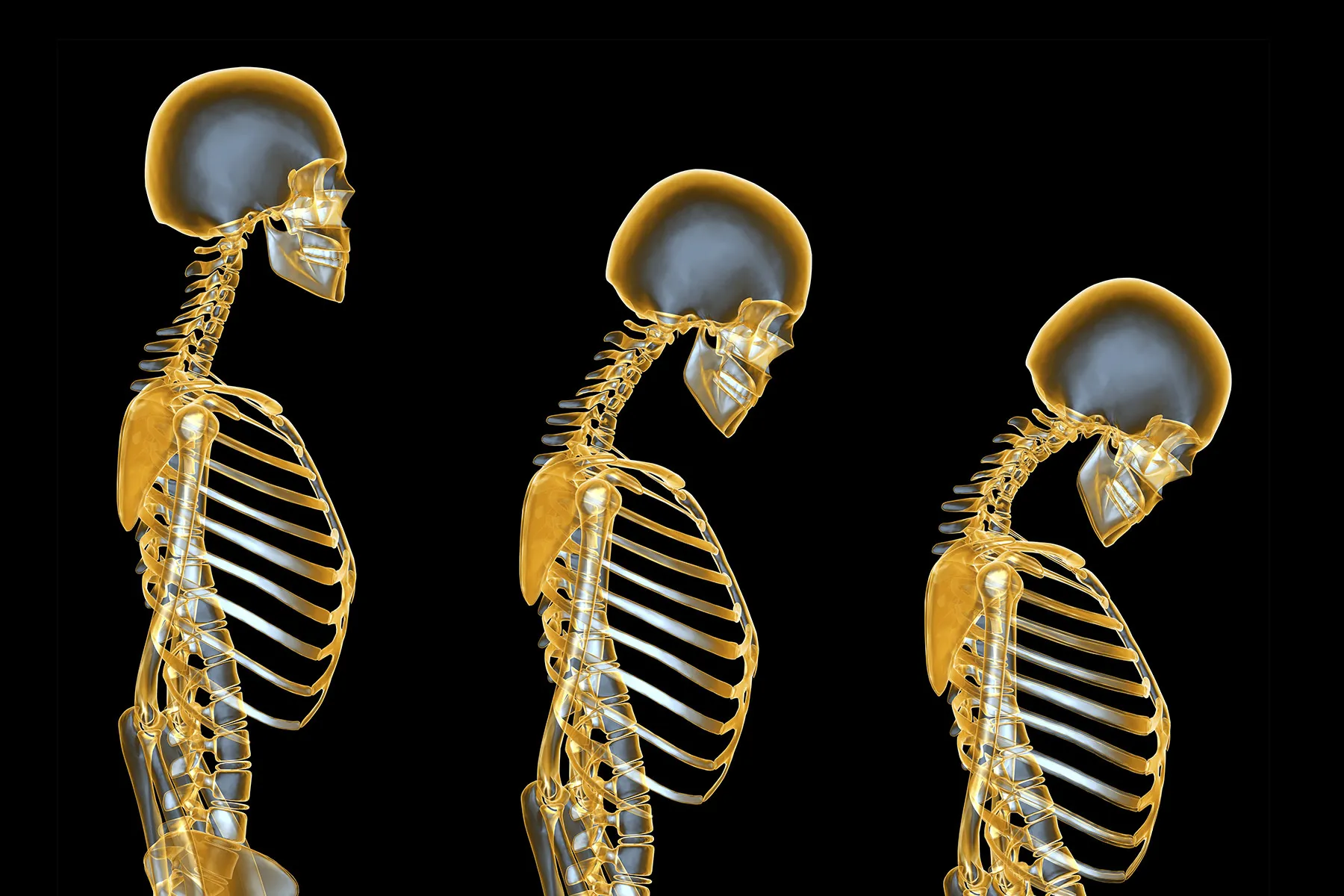
Osteoporosis most often affects the hip, spine, and wrist, but any bone can fracture. Spinal compression fractures may cause back pain, loss of height, or a curved upper back. Hip fractures are especially serious because they can lead to surgery, loss of independence, and long recovery periods. That is why early diagnosis matters so much: it is easier to protect bones before they throw a dramatic resignation letter.
Common Causes of Osteoporosis
1. Aging and Natural Bone Loss
Everyone loses some bone mass with age. Peak bone mass is usually reached in young adulthood, and after that, bone rebuilding gradually slows. This does not mean every older adult will develop osteoporosis, but age is one of the strongest risk factors. Think of bone mass like a savings account: the more you build early in life, the more you may have to draw from later.
2. Hormonal Changes
Hormones play a major role in bone health. After menopause, estrogen levels drop, and this can speed bone loss. Men can also develop osteoporosis, especially when testosterone levels decline with age or due to medical conditions. Thyroid disorders, parathyroid problems, and adrenal hormone imbalances may also affect bone remodeling.
3. Low Calcium and Vitamin D Intake
Calcium is a key building block of bone, while vitamin D helps the body absorb calcium. If the diet does not provide enough calcium, the body may pull calcium from bones to maintain normal blood levels. Over time, that can weaken the skeleton. Dairy foods, fortified plant milks, canned fish with bones, leafy greens, tofu made with calcium, and fortified cereals can all contribute to calcium intake.
4. Lack of Weight-Bearing Activity
Bones respond to healthy stress. Weight-bearing exercises such as walking, stair climbing, dancing, hiking, and resistance training encourage bones and muscles to stay stronger. A sedentary lifestyle can contribute to bone loss and also reduce balance and muscle strength, increasing the chance of falls.
5. Medical Conditions and Medications
Some health conditions can raise osteoporosis risk, including rheumatoid arthritis, inflammatory bowel disease, celiac disease, chronic kidney disease, eating disorders, diabetes, and certain hormone disorders. Long-term use of glucocorticoids such as prednisone is a well-known medication-related risk factor. Some antiseizure medicines, cancer treatments, and medications that reduce sex hormone levels may also affect bone density.
Major Risk Factors for Osteoporosis
Osteoporosis risk comes from a mix of factors you cannot change and factors you can influence. Having one risk factor does not guarantee bone loss, but having several should prompt a conversation with a healthcare professional.
Risk Factors You Cannot Change
- Being age 50 or older
- Female sex, especially after menopause
- Family history of osteoporosis or hip fracture
- Small body frame or low body weight
- Previous fracture after a minor fall or low-impact injury
- Certain racial or ethnic backgrounds, with higher risk often reported among white and Asian women
Risk Factors You Can Modify
- Not getting enough calcium, vitamin D, protein, or overall calories
- Smoking or using tobacco products
- Heavy alcohol use
- Low physical activity
- Poor balance, weak muscles, or unsafe home environments that increase fall risk
- Skipping follow-up care after a fracture
One practical example: a 62-year-old postmenopausal woman with low body weight, a parent who had a hip fracture, and limited physical activity has several reasons to ask about bone density testing. A 55-year-old man taking long-term prednisone for an autoimmune condition should also discuss bone protection, even if he feels perfectly fine. Osteoporosis does not always send a calendar invite before showing up.
Symptoms: Why Osteoporosis Is Easy to Miss
Early osteoporosis usually has no symptoms. Many people feel normal until a fracture occurs. That is why screening and risk assessment are so important. Possible signs of advanced bone loss include:
- Back pain, especially from a spinal compression fracture
- Loss of height over time
- A stooped or curved posture
- Fractures from a fall that would not normally break a bone
- Wrist, hip, spine, or upper arm fractures after minor trauma
If someone breaks a bone from a low-impact fall, the fracture should be treated as more than “bad luck.” It may be the first visible clue that bone strength needs medical attention.
How Osteoporosis Is Diagnosed
DXA Bone Density Scan
The main test for diagnosing osteoporosis is a DXA scan, also called dual-energy X-ray absorptiometry. It is a low-radiation imaging test that measures bone mineral density, usually at the hip and spine. The result is often reported as a T-score. A T-score of -2.5 or lower is commonly used to diagnose osteoporosis, while a score between -1.0 and -2.5 indicates low bone mass, also called osteopenia.
Who Should Be Screened?
Many guidelines recommend bone density screening for women age 65 and older. Postmenopausal women younger than 65 may also need screening if they have risk factors. Men are not always included in routine population screening recommendations, but men with risk factors, long-term steroid use, low-trauma fractures, or certain medical conditions should ask their clinician whether testing is appropriate.
FRAX and Fracture Risk Assessment
Healthcare professionals may use fracture risk calculators, such as FRAX, to estimate a person’s 10-year risk of hip fracture or major osteoporotic fracture. This helps guide treatment decisions, especially for people with osteopenia who may still have a high fracture risk because of age, prior fracture, smoking, steroid use, or other factors.
Blood and Lab Tests
Doctors may order blood tests to look for causes of secondary osteoporosis. These tests may include calcium, vitamin D, kidney function, thyroid hormone, parathyroid hormone, testosterone in men, and markers related to inflammation or digestive absorption. The goal is not to collect lab results like trading cards, but to identify problems that can be treated.
Osteoporosis Treatment Options
Treatment depends on fracture risk, bone density results, age, medical history, and personal preferences. A strong osteoporosis plan usually combines lifestyle changes, fall prevention, and medication when fracture risk is high.
Nutrition for Stronger Bones
A bone-supportive diet includes enough calcium, vitamin D, protein, fruits, vegetables, and total calories. Adults often need about 1,000 to 1,200 milligrams of calcium per day from food and, when necessary, supplements. Vitamin D needs vary, but many adults require 600 to 800 IU daily, and some need more if blood levels are low. Supplements should be personalized because more is not always better. Bones appreciate support; they do not need a supplement avalanche.
Exercise and Movement
Exercise helps bones, muscles, posture, and balance. The best routines often include weight-bearing aerobic activity, strength training, posture work, and balance exercises. Examples include brisk walking, step-ups, light weightlifting, resistance bands, tai chi, and supervised physical therapy exercises. People with spinal fractures or severe osteoporosis should avoid high-impact moves and extreme twisting or bending unless cleared by a clinician.
Fall Prevention
Preventing falls is a major part of preventing fractures. Helpful steps include improving lighting, removing loose rugs, installing grab bars, wearing supportive shoes, checking vision, reviewing medications that cause dizziness, and practicing balance training. A home safety check may sound boring, but so does a castand the cast wins the boredom contest every time.
Bisphosphonates
Bisphosphonates are commonly used as first-line medications for many people with osteoporosis. They slow bone breakdown and can reduce fracture risk. Examples include alendronate, risedronate, ibandronate, and zoledronic acid. Some are taken by mouth weekly or monthly, while others are given by IV infusion. Oral bisphosphonates must be taken carefully, usually with water on an empty stomach while remaining upright afterward.
Denosumab
Denosumab is an injectable medication that reduces bone breakdown. It may be used for people who cannot take bisphosphonates or who remain at high fracture risk. Because bone loss can rebound after stopping denosumab, patients should never stop it without a plan from their healthcare professional.
Anabolic and Bone-Building Medicines
For people at very high fracture risk, doctors may recommend bone-building medications such as teriparatide, abaloparatide, or romosozumab. These treatments are often used for a limited period and may be followed by an antiresorptive medication to maintain gains in bone density.
Hormone-Related Treatments
Some patients may be candidates for hormone-related therapies, such as estrogen therapy, raloxifene, or other options. These are not right for everyone because benefits and risks vary based on age, menopause status, cancer risk, clotting risk, heart health, and personal history. This is a “talk to your doctor, not your group chat” category.
Living Well With Osteoporosis
Osteoporosis management is not only about numbers on a scan. It is about keeping people mobile, confident, and independent. A person with osteoporosis may need to rethink certain habits, but life does not have to shrink. Gardening, travel, dancing, walking the dog, lifting groceries, playing with grandchildren, and enjoying everyday movement can remain possible with smart planning.
The most successful treatment plans are realistic. Someone who hates gyms may do better with walking, resistance bands, and a short home routine. Someone who forgets weekly pills may need a different medication schedule. Someone who lives alone may benefit from fall-prevention tools, better lighting, and a medical alert plan. Personalization is not a luxury; it is often what makes the plan actually happen.
When to Talk With a Doctor
Ask a healthcare professional about osteoporosis evaluation if you are over 65, have gone through menopause and have risk factors, have lost height, have unexplained back pain, take long-term steroids, have a parent who fractured a hip, or have broken a bone from a minor fall. Also ask for guidance before starting supplements, especially if you have kidney disease, a history of kidney stones, high calcium levels, or take medications that may interact with calcium or vitamin D.
Practical Experiences and Real-Life Lessons About Osteoporosis
One of the most common experiences people describe after an osteoporosis diagnosis is surprise. They may say, “But I feel fine.” That reaction makes sense because osteoporosis does not usually cause daily symptoms in the beginning. A person can be busy working, cooking, caring for family, and living normally while bone density quietly declines in the background. This is why diagnosis can feel like discovering termites in a house that still looks beautiful from the street.
A useful real-life lesson is that osteoporosis care becomes easier when it is connected to daily routines. For example, instead of treating exercise like a grand life makeover, many people do better by adding a 20-minute walk after lunch, two short strength sessions per week, and balance practice while standing near a counter. Small habits done consistently often beat heroic plans that collapse by Thursday.
Nutrition changes also work best when they are practical. A person who does not drink milk can still get calcium from fortified soy milk, yogurt, tofu, sardines, salmon with bones, almonds, kale, or calcium-fortified orange juice. Someone who forgets vitamin D may pair it with breakfast. Someone who struggles with appetite may need protein-rich snacks such as Greek yogurt, eggs, beans, cottage cheese, or nut butter. Bone health is not about eating perfectly; it is about giving the skeleton enough raw materials to do its job.
Medication experiences vary. Some people tolerate osteoporosis medicines well and appreciate the reassurance of lowering fracture risk. Others worry about side effects after reading alarming stories online. A balanced approach is to discuss benefits, risks, timing, dental health, stomach issues, kidney function, and treatment duration with a clinician. The rare risks matter, but so does the very real risk of hip, spine, or wrist fractures. Good decision-making looks at both sides of the scale.
Another important experience is the emotional side of osteoporosis. After a fracture or diagnosis, some people become afraid to move. That fear is understandable, but too much inactivity can make bones, muscles, and balance worse. The goal is not to wrap life in bubble wrap. The goal is safer confidence: learning how to lift, bend, strengthen, walk, and move in ways that protect the spine and reduce falls.
Caregivers and family members can help by focusing on support rather than lectures. “Let’s improve the lighting in the hallway” lands better than “You’re going to fall.” “Want to walk together?” is more useful than “You need to exercise.” Encouragement, shared meals, safer home setups, and help with appointments can make osteoporosis management feel less lonely.
The biggest takeaway from real-world osteoporosis care is simple: bones respond to attention. Screening finds risk. Food supplies minerals and protein. Exercise strengthens the frame. Fall prevention protects the investment. Medication, when appropriate, adds powerful fracture protection. Osteoporosis may be quiet, but your response to it does not have to be passive.
Conclusion
Osteoporosis is common, serious, and often silent, but it is also manageable. Understanding the causes, recognizing risk factors, getting the right diagnosis, and following a personalized treatment plan can reduce the risk of fractures and protect long-term independence. Strong bones are not built from one magic food, one perfect workout, or one miracle pill. They are built from smart habits, medical guidance, and consistencythe unglamorous trio that quietly gets the job done.