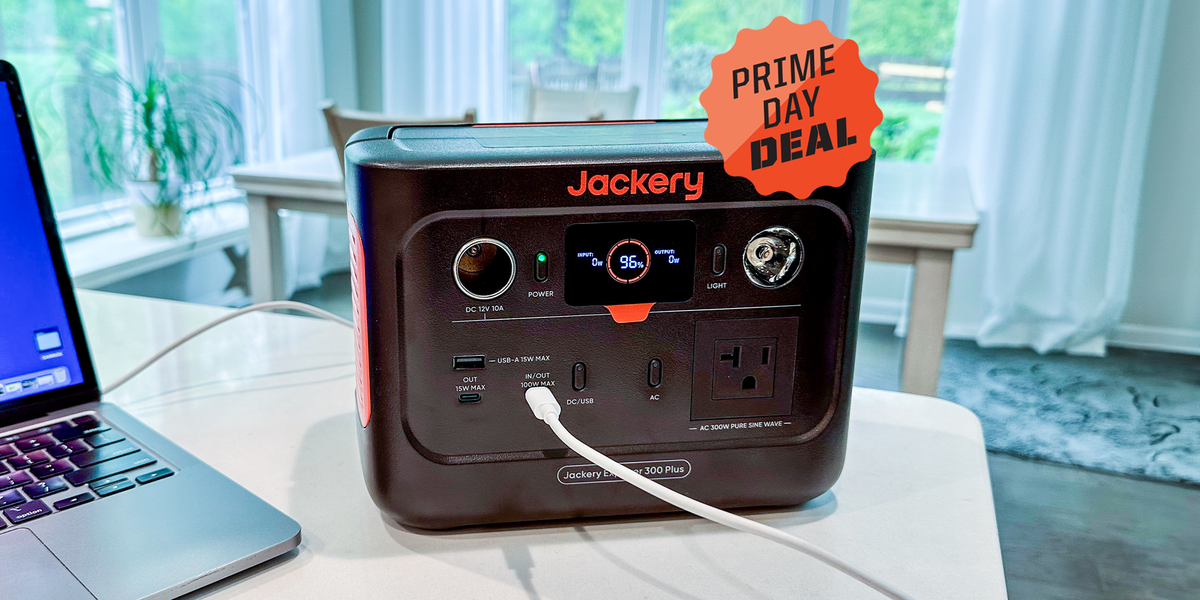
Power outages have a special talent for arriving at the worst possible time. The fridge is full. Your laptop is at 7%. Someone just put pizza rolls in the air fryer. Suddenly, the house goes dark and everyone starts looking at you as if you personally control the electrical grid. This is where a portable power station earns its keep.
Jackery portable power stations have become popular because they offer a clean, quiet, battery-powered alternative to traditional gas generators. Instead of fumes, fuel cans, pull cords, and the neighborhood soundtrack of “lawn mower at midnight,” Jackery units store electricity in rechargeable batteries and deliver it through AC outlets, USB ports, and car-style DC ports. That makes them useful for home backup, camping, RV trips, tailgating, road work, outdoor events, and emergency preparedness.
Even better, select Jackery portable power stations are currently showing discounts up to 46% off through major online retailers and Jackery’s own seasonal promotions. Prices can change quickly, so the smartest move is to compare the final checkout price, bundle contents, warranty terms, and whether solar panels are included before buying. A “deal” is only a deal if it fits your actual power needsnot if it turns your garage into a very expensive orange battery museum.
Why Jackery Portable Power Stations Are Worth Watching During a Sale
The portable power station market has grown quickly because people want reliable backup power without the hassle of gas generators. Jackery stands out for its simple design, recognizable orange-and-black look, solar compatibility, and product range that covers everything from small weekend camping units to larger home backup systems.
During a strong sale, the value equation changes dramatically. A model that may feel pricey at full retail can suddenly become a practical buy for storm season, camping season, or everyday backup. A 46% discount on a capable unit like the Jackery Explorer 1000 v2, for example, can move it from “nice someday” to “why did I not buy this before the last blackout?”
The key is choosing by capacity, output, weight, charging speed, and use casenot just by the largest markdown. A smaller Jackery may be perfect for phones, laptops, lights, cameras, and a CPAP machine. A larger model may be better for refrigerators, microwaves, power tools, portable coolers, and longer outages.
What Is a Jackery Portable Power Station?
A Jackery portable power station is a rechargeable battery system with built-in outlets. Think of it as a giant power bank that graduated from college, got a toolbox, and started helping during emergencies.
Most Jackery models include standard AC outlets for household devices, USB-C ports for modern laptops and phones, USB-A ports for older accessories, and a DC car outlet for certain travel gear. Many also support solar charging when paired with compatible Jackery SolarSaga panels, creating what many people call a solar generator.
Unlike a gas generator, a battery power station does not burn fuel while operating. That means no exhaust, no gasoline smell, and no engine noise. You still need to use it responsibly, avoid overloading it, protect it from extreme weather, and follow the owner’s manual, but the user experience is much more apartment-, RV-, and family-friendly.
Top Jackery Models to Compare When Deals Hit
Jackery Explorer 1000 v2: The Sweet Spot for Most Buyers
The Jackery Explorer 1000 v2 is one of the most attractive sale picks because it balances size, capacity, and output. It offers a 1,070Wh capacity and 1,500W AC output, with surge capacity for short startup loads. That puts it in a useful middle zone: strong enough for many household essentials, yet still portable enough to carry to the backyard, campsite, job site, or car.
In practical terms, the Explorer 1000 v2 can handle common devices such as laptops, phones, cameras, routers, lights, portable fans, mini fridges, coffee makers, and many small appliances. It is not a whole-house battery system, but for the essentials, it can be a lifesaver. If your idea of emergency preparedness includes Wi-Fi, charged phones, and coffee, this model deserves a very serious look.
Jackery Explorer 2000 v2: More Power for Longer Outages
The Jackery Explorer 2000 v2 steps up to a 2,042Wh capacity and 2,200W rated AC output. That makes it better suited for extended camping trips, longer outages, and higher-demand appliances. It is heavier than the 1000 v2, but still relatively portable for its power class.
This model makes sense if you want to run a refrigerator, multiple devices, a microwave for short bursts, lights, routers, or tools. It also offers fast recharging and UPS-style switching on supported setups, which can help keep sensitive essentials running when the grid gets cranky.
Jackery Explorer 600 Plus: Compact, Capable, and Camp-Friendly
The Jackery Explorer 600 Plus is a strong middle-small option with a 632Wh capacity and 800W output. It is easier to carry than the larger models and can support many outdoor devices, lights, laptops, camera batteries, and compact cooking or cooling gear within its output limits.
This is the kind of power station that fits well into weekend camping, car camping, photography trips, and backup for basic home electronics. If the 1000 v2 feels like more than you need, the 600 Plus may hit the “just enough power without turning packing day into weightlifting class” zone.
Jackery Explorer 300 Plus and 300 v2: Small Power for Simple Needs
For phones, tablets, laptops, drones, cameras, LED lights, and light camping gear, the Jackery Explorer 300 class is a practical entry point. These smaller units are not designed to run large appliances, but they are easy to store, easy to carry, and extremely handy when you need portable electricity without bringing a suitcase-sized battery.
If your main goal is keeping devices charged during road trips, short outages, school sports weekends, or remote work sessions, a 300-class Jackery may be all you need. It is also a good backup for people who live in apartments and do not have space for a larger unit.
How to Know Which Jackery Size You Need
Choosing a portable power station starts with two numbers: watt-hours and watts. Watt-hours, often written as Wh, describe how much energy the battery stores. Watts describe how much power it can deliver at one time. Capacity tells you how long you can run something. Output tells you whether the power station can run it at all.
For example, a 40W CPAP machine uses far less power than a 1,200W microwave. A laptop may use 45W to 100W while charging. A refrigerator may run at a modest wattage once started, but it can require a higher surge when the compressor kicks on. That is why surge rating matters.
A simple buying rule is this: choose a power station with a rated output higher than the highest-wattage device you plan to run, then choose enough capacity for the number of hours you need. If you want to power several items at once, add their wattage together. If math makes your eye twitch, do not worrymost appliance labels list wattage, and many Jackery pages include runtime examples.
Best Uses for Jackery Portable Power Stations
Home Backup During Outages
For home backup, Jackery power stations are excellent for keeping essentials running. That can include phones, internet routers, laptops, LED lamps, medical devices within supported specifications, portable fans, and refrigerators depending on the model. They are especially useful during short outages when you do not need a permanent whole-home generator but still want the basics covered.
For longer outages, a larger Jackery model or a solar generator bundle with panels becomes more practical. Solar panels can help extend runtime during daylight hours, although solar performance depends on weather, panel angle, shade, and season. A cloudy day can make solar charging move like a sleepy turtle, so keep expectations realistic.
Camping and Outdoor Adventures
Camping used to mean “roughing it.” Now it often means sleeping under the stars while charging a phone, camera, lantern, Bluetooth speaker, heated blanket, and maybe a portable fridge full of snacks. No judgment. Civilization invented cheese for a reason.
Jackery units are popular for camping because they are quiet, simple to operate, and available in sizes that fit different travel styles. A smaller model works for tent campers and weekend trips. A mid-size model supports coolers and laptops. A larger model can help power an RV setup or extended off-grid base camp.
RV and Van Life
For RV owners and van travelers, portable power stations can supplement onboard batteries or provide a flexible backup. They can charge small electronics, run portable appliances, power lights, and support work-from-road setups. The best model depends on whether you need basic device charging or enough output for higher-draw appliances.
A big advantage is flexibility. You can move the power station from RV to picnic table to garage to living room. Built-in handles, relatively compact shapes, and solar compatibility make Jackery products easy to integrate into travel routines.
Remote Work and Job Sites
If you work outside, on location, or anywhere outlets are treated like rare wildlife, a Jackery portable power station can keep laptops, monitors, camera equipment, battery chargers, routers, lights, and small tools running. For high-draw tools, check wattage carefully. A power station is useful, but it is not magic. If a tool demands more than the inverter can supply, the unit will shut down faster than a teenager asked to do dishes.
Why the 46% Off Deal Matters
Portable power stations can be expensive because batteries, inverters, safety systems, and fast-charging technology are not cheap components. A deep discount can make a big difference, especially on mid-range models. When a Jackery Explorer 1000-class unit drops by roughly 46%, buyers get a much lower cost per watt-hour than they would at full price.
That said, do not buy purely because the percentage looks exciting. Compare the sale price against the regular price, check whether the model is current or older, confirm what accessories are included, and read the warranty terms. Some deals include only the power station. Others bundle solar panels, charging cables, adapters, or carrying cases. A bundle can be a better valuebut only if you will actually use the extras.
Jackery vs. Gas Generator: Which Is Better?
A Jackery power station and a gas generator solve similar problems in different ways. A gas generator can run as long as you have fuel and is often better for heavy, long-duration loads. But it is noisy, produces exhaust, requires maintenance, and must never be used indoors.
A Jackery portable power station is quiet, rechargeable, low-maintenance, and indoor-friendly when used according to the manufacturer’s instructions. It is better for electronics, short-to-medium outages, camping, and situations where noise and fumes are not acceptable. The tradeoff is runtime. Once the battery is empty, you need wall power, car charging, or solar panels to recharge it.
For many households, the best emergency setup is layered: flashlights, battery banks, a portable power station, food-safe planning, and possibly a larger generator or home battery system if outages are frequent. The Jackery fills the very practical middle ground between “tiny phone charger” and “full electrical backup system.”
What to Check Before Buying
1. Capacity
Choose capacity based on runtime. If you only need to charge phones and laptops, a smaller model is fine. If you need a fridge, CPAP, router, lights, and fans, look at the 1000Wh class or higher.
2. Output
Check the rated AC output and surge output. Appliances with motors or compressors often need extra startup power. Always leave a safety margin rather than running at the absolute limit.
3. Battery Chemistry
Many newer Jackery models use LiFePO4 batteries, valued for long cycle life and stable performance. This matters if you plan to use the power station regularly rather than leaving it in a closet until the next dramatic thunderstorm.
4. Charging Speed
Fast AC charging is convenient before a trip or storm. Solar charging is useful off-grid, but performance varies. If solar matters to you, check the maximum solar input and panel compatibility.
5. Weight
A 2,000Wh power station is wonderful until you need to move it upstairs. Match size to your real-life strength, storage space, and transportation plans.
6. Warranty and Seller
Buy from Jackery, Amazon, or another authorized retailer when possible. Warranty coverage, return windows, and customer support matter more with battery products than with impulse buys like novelty socks.
Safety Tips for Using a Jackery Portable Power Station
Portable power stations are easy to use, but they still deserve respect. Keep the unit dry, avoid blocking ventilation, do not overload outlets, and use proper cables. Store it in a cool, dry place and recharge it according to the owner’s manual.
Do not connect a portable power station directly to home wiring unless the setup is designed for that purpose and installed according to code. For most people, the safe approach is plugging devices directly into the power station. If you need whole-home backup integration, consult a licensed electrician.
Also remember food safety during outages. A power station can help keep a refrigerator running, but runtime depends on capacity, fridge efficiency, temperature, and how often someone opens the door “just to check.” Spoiler: opening the fridge repeatedly does not help. It is like checking your phone battery every twelve seconds and wondering why it drains.
Shopping Strategy: How to Get the Best Jackery Deal
Start by deciding what you need to power. Then compare two or three models instead of browsing every Jackery product until your brain becomes a spreadsheet. For most households, the Explorer 1000 v2 is a strong first comparison point. For longer outages or larger appliances, compare the Explorer 2000 v2. For lighter camping and electronics, compare the Explorer 600 Plus or 300-class units.
Next, look at the final price after coupons, promo codes, bundle discounts, and shipping. Check whether the product includes solar panels or only the power station. If two retailers show similar pricing, choose the one with better return terms or warranty clarity.
Finally, act while the deal is live, but do not panic-buy. Portable power stations go on sale throughout the year, especially around major shopping events, spring camping season, hurricane season, Black Friday, Cyber Monday, and holiday promotions. If the current discount fits your budget and needs, it is a good time to buy. If not, save the model and watch for the next sale.
Real-World Experience: Living With a Jackery Portable Power Station
The first thing most people notice about a Jackery power station is how simple it feels. There is no fuel valve, choke, oil check, or pull cord. You charge it, press a button, plug in your device, and electricity happens. That simplicity is the entire charm.
Imagine a weekend camping trip. You arrive at the site, unload the cooler, set up the tent, and place the Jackery on a dry table under shade. Phones charge through USB-C. A lantern runs from the AC outlet. The portable fridge hums quietly. Someone plugs in a camera battery because sunset photos are apparently a legal requirement of camping. Nobody is yelling over a generator. Nobody smells gasoline. The campsite feels peaceful, except for the raccoon plotting against your snack bag.
At home, the experience is different but equally practical. During a short power outage, a mid-size Jackery can keep the router alive, charge phones, power LED lamps, and run small essentials. That changes the mood quickly. Instead of everyone wandering around with 3% battery and emotional damage, the house stays functional. You can contact family, check alerts, keep a laptop going, and avoid turning a blackout into a full Victorian reenactment.
The biggest lesson from real use is that planning matters. If you plug in everything at once, runtime drops fast. If you prioritize, the power lasts much longer. Start with essentials: medical devices, communication, lighting, refrigeration, and internet. Then add comfort items if capacity allows. A coffee maker may be worth it. A hair dryer during an outage? That is between you and your battery percentage.
Solar charging adds another layer of independence, especially for campers and RV travelers. On a bright day, compatible solar panels can help refill the station while you use it. The experience feels almost unfairly satisfying: sunlight goes into a panel, electricity goes into the Jackery, and your phone charges while you sit there pretending you invented renewable energy. But solar is not instant. Shade, clouds, panel angle, and dirt reduce performance, so it works best as a supplement rather than your only plan.
Weight is another real-world factor. Smaller Jackery models are easy to carry. Larger ones are portable, but not exactly featherweight. Before buying a large model, picture where you will store it and who will move it. A power station that technically fits your needs but lives permanently in the basement because nobody wants to lift it may not be the best choice.
Noise is a pleasant surprise. Most Jackery units are quiet compared with gas generators. Fans may turn on under heavier loads or during fast charging, but the sound is modest. For apartments, shared campsites, or night use, this is a major advantage. You can run lights and charge devices without becoming “that person” everyone silently judges from three campsites away.
Maintenance is also refreshingly low. Keep it charged within recommended ranges, store it properly, avoid extreme heat, and update app-supported models when needed. That is much easier than maintaining fuel-powered equipment. Still, you should test the unit before emergencies. Charge it, plug in your essential devices, and learn how long it runs. The middle of a storm is not the ideal time to discover that your refrigerator plug is behind a cabinet guarded by dust bunnies the size of squirrels.
Overall, the best experience comes from treating a Jackery power station as a practical tool, not a miracle box. It will not power every appliance forever. It will not make cloudy solar days behave like Arizona in July. But it can keep important devices running, make outdoor life more comfortable, reduce stress during outages, and give you a flexible backup option that is easy to use. When discounts reach up to 46%, that convenience becomes much easier to justify.
Final Verdict: Should You Buy a Jackery Portable Power Station on Sale?
If you need quiet backup power for emergencies, camping, RV travel, remote work, or outdoor gear, a discounted Jackery portable power station is absolutely worth considering. The Explorer 1000 v2 is the best all-around target for many buyers because it offers strong output, useful capacity, manageable weight, and broad everyday practicality. The Explorer 2000 v2 is better for bigger backup needs, while the 600 Plus and 300-class models are excellent for lighter, more portable use.
The up-to-46% off deal is appealing, but the smartest purchase depends on matching the model to your actual lifestyle. Buy enough capacity to cover your essentials, avoid overpaying for power you will never use, and check whether solar panels or accessories are included. Do that, and your Jackery will be more than a sale purchaseit will be the quiet little hero waiting in the closet when the lights go out.