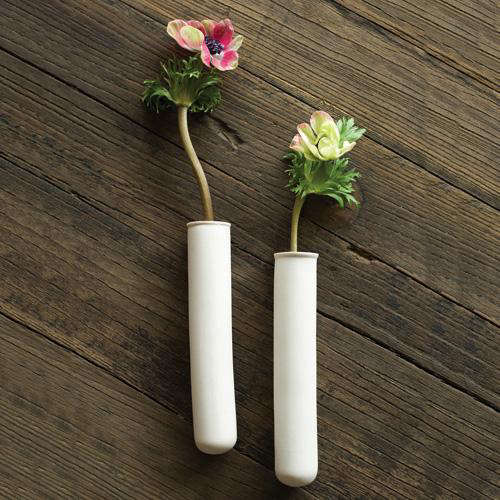
A wall-mount test tube vase is the rare home decor piece that looks delicate, costs little, saves space, and makes people say, “Wait, did you make that?” It is part bud vase, part plant propagation station, part tiny science lab that decided to become stylish. Instead of placing a bulky vase on a table, this design takes slim glass tubes and mounts them vertically on a wall, usually with wood, metal, leather straps, or a simple bracket system. The result is clean, modern, and surprisingly charming.
Whether you love fresh flowers, plant cuttings, minimalist wall art, or DIY projects that do not require a garage full of power tools, a wall-mounted test tube vase deserves a spot on your decorating radar. It works beautifully in small apartments, bathrooms, kitchens, entryways, home offices, dorm rooms, and any lonely wall that currently looks like it gave up in 2017.
In this guide, we will explore what a wall-mount test tube vase is, why it has become such a popular decor idea, how to choose or make one, where to hang it, what flowers and plants work best, and how to style it so it looks intentional rather than “I found glassware and hoped for the best.”
What Is a Wall-Mount Test Tube Vase?
A wall-mount test tube vase is a decorative wall fixture designed to hold one or more glass tubes filled with water, flowers, greenery, herbs, or plant cuttings. The tubes are usually narrow, clear, removable, and arranged in a row, grid, or sculptural pattern. Most designs include a backing material such as wood, metal, acrylic, or ceramic to secure the tubes to the wall.
The concept is simple: take the elegance of a bud vase, combine it with vertical wall decor, and add just enough botanical life to make the room feel fresh. Because each tube holds only a small amount of water and one or two stems, the arrangement feels light and airy. This makes it ideal for modern, farmhouse, Scandinavian, boho, cottagecore, industrial, and even laboratory-chic interiors. Yes, laboratory-chic is a vibe. It just needs better lighting.
Why Wall-Mount Test Tube Vases Are So Popular
They Save Valuable Surface Space
One of the biggest advantages of a wall-mounted vase is that it does not steal space from your desk, coffee table, bathroom counter, or windowsill. In a small home, every flat surface eventually becomes a landing zone for keys, mail, chargers, mugs, and mysterious screws no one wants to throw away. A wall vase floats above the chaos and brings beauty without adding clutter.
They Make Small Flowers Feel Special
A single daisy in a regular vase can look lonely. A single daisy in a test tube vase looks curated. Because the tube is slim, even tiny stems, wildflowers, herb clippings, or leftover bouquet pieces appear thoughtful. This is especially useful after buying grocery store flowers. Instead of tossing short stems or broken pieces, you can give them a starring role in a miniature wall display.
They Are Perfect for Plant Propagation
Test tube vases are also popular as propagation stations. Many common houseplants, such as pothos, philodendron, tradescantia, mint, basil, and monstera cuttings, can root in water. A wall-mounted propagation vase turns that process into living decor. You get to watch roots develop through the glass, which is oddly satisfying in the same way as peeling a sticker cleanly off a jar.
They Add Texture Without Overwhelming the Room
Large wall art can dominate a space. A wall-mount test tube vase adds texture, shape, and natural color while keeping the visual footprint light. Clear glass, fresh stems, and a slim frame can soften a blank wall without making the room feel crowded. It is a small detail, but small details often do the heavy lifting in good interior design.
Best Places to Hang a Wall-Mount Test Tube Vase
Entryway
An entryway wall is one of the best spots for a test tube vase. It creates a cheerful first impression and can be changed seasonally. Try eucalyptus in winter, tulips in spring, herbs in summer, and dried grasses in fall. Guests may still forget to take off their shoes, but at least they will admire your wall.
Kitchen
In the kitchen, a wall-mounted test tube vase can hold herbs like basil, rosemary, mint, or thyme. It is decorative and practical, especially if you place it near a prep area but away from heat and steam. A few herb cuttings in glass tubes give the kitchen a fresh garden feeling without requiring a full indoor herb jungle.
Bathroom
A bathroom wall vase can make the space feel more spa-like. Choose moisture-friendly greenery such as eucalyptus, pothos, or simple fern fronds. Avoid placing delicate blooms where they will be blasted by hot shower steam every day. Flowers are dramatic, but they do not need sauna therapy.
Home Office
Fresh greenery near your workspace can make a desk feel less like a tax-document battlefield. A small wall-mounted vase behind or beside your monitor adds life without occupying desk space. For a clean look, use one type of stem across several tubes, such as baby’s breath, eucalyptus, or pothos cuttings.
Bedroom
In a bedroom, a test tube vase works well above a nightstand, beside a mirror, or on a narrow wall that needs softness. Use calming colors and simple stems. Lavender, dried flowers, or a single rose can create a romantic but not overly fussy look.
Materials and Styles to Consider
Wood and Glass
Wood-and-glass designs are the most popular because they balance natural warmth with clean transparency. A wooden backboard can be stained dark for a rustic look, painted white for a farmhouse style, or left raw for Scandinavian minimalism. Oak, pine, walnut, and bamboo all work well.
Metal Frames
Metal frames create a sleek, industrial look. Black metal feels modern and graphic, brass adds warmth, and silver or chrome looks clean and contemporary. Metal wall vases often suit apartments, lofts, and modern kitchens.
Leather Straps
Leather strap holders add a handcrafted, bohemian feel. They look especially good with warm wood, dried flowers, and neutral wall colors. Faux leather can be a budget-friendly alternative.
Acrylic or Minimalist Holders
Acrylic holders are great for ultra-modern interiors because they almost disappear visually. This lets the flowers or plant roots become the focus. Acrylic also works nicely in bathrooms because it resists moisture better than unfinished wood.
DIY Wall-Mount Test Tube Vase: Basic Method
You can buy a ready-made wall-mount test tube vase, but making one is surprisingly approachable. The basic DIY version requires a wooden board, glass test tubes, a drill, mounting hardware, and a finish such as paint, stain, or sealant.
Supplies You May Need
- A small wooden board or individual wood blocks
- Glass test tubes with rims or flat bottoms
- Drill and drill bit sized to fit the tubes
- Sandpaper
- Wood stain, paint, or clear sealant
- Wall screws, anchors, or picture-hanging hardware
- Optional: leather straps, metal clips, or decorative knobs
Simple DIY Steps
- Plan the layout. Decide whether you want one tube, three tubes, five tubes, or a full row. Odd numbers often look balanced and natural.
- Mark the holes. Measure evenly and mark where each test tube will sit.
- Drill carefully. Use a bit slightly wider than the tube diameter. The tube should slide in securely without forcing it.
- Sand the wood. Smooth the edges so the finished piece looks polished, not like it lost a fight with a toolbox.
- Paint or stain. Match the finish to your room. Seal the wood if the vase will be near moisture.
- Insert the tubes. Make sure they are removable for cleaning and refilling.
- Mount securely. Use wall anchors if needed, especially if the piece holds several water-filled tubes.
Best Flowers for a Wall-Mount Test Tube Vase
Because test tubes are narrow, the best flowers are lightweight, slim-stemmed, and not too thirsty. Large hydrangeas, giant sunflowers, and heavy lilies may look beautiful elsewhere, but in a test tube they behave like someone trying to sit in a toddler chair.
Great Fresh Flower Choices
- Mini carnations
- Spray roses
- Tulips
- Daisies
- Ranunculus
- Anemones
- Baby’s breath
- Sweet peas
- Lavender
- Small zinnias
For best results, trim stems at an angle, remove leaves that would sit below the waterline, and refresh the water regularly. Narrow tubes can get cloudy quickly, so clean water matters. A tiny arrangement looks much better when the tube does not resemble a forgotten science experiment.
Best Plants for a Test Tube Propagation Vase
If you prefer greenery over flowers, use your wall vase as a propagation station. Choose healthy cuttings with at least one node, place the node below the waterline, and position the vase in bright indirect light. Avoid harsh direct sun because glass tubes can heat up quickly and stress the plant cutting.
Easy Plant Cuttings to Try
- Pothos
- Heartleaf philodendron
- Monstera
- Tradescantia
- Mint
- Basil
- Spider plant babies
- Lucky bamboo
Change the water every few days to prevent bacteria and keep the roots healthy. Once roots are a few inches long, you can move the cutting to soil or keep it in water for a longer decorative display, depending on the plant.
Styling Ideas for Every Decor Style
Modern Minimalist
Use a black metal or pale wood holder with one type of stem. Try three tubes with a single eucalyptus sprig in each. Keep the spacing clean and symmetrical. The goal is calm, not “botanical fireworks.”
Farmhouse
Choose stained wood, whitewashed finishes, or reclaimed boards. Add wildflowers, baby’s breath, lavender, or dried wheat. Pair the vase with a small framed sign or a vintage mirror for a cozy look.
Boho
Use leather straps, macramé accents, dried grasses, and warm-toned flowers. Pampas grass, bunny tails, dried lavender, and small preserved blooms work beautifully. This style says, “I drink tea from handmade mugs,” even if your mug is from the clearance aisle.
Scandinavian
Keep it simple with light wood, clear glass, and soft greenery. Choose stems with clean lines, such as olive branches, fern fronds, or single tulips. Leave plenty of negative space around the piece.
Eclectic
Mix different tube heights, colorful flowers, and unexpected wall placement. Try a cluster of small wall vases near a gallery wall. The key is repetition: repeat one color, material, or shape so the look feels intentional.
Care and Maintenance Tips
A wall-mount test tube vase is easy to maintain, but it does need regular attention. Because each tube holds a small amount of water, evaporation happens faster than it would in a larger vase. Check water levels every day or two, especially in warm rooms.
Clean the tubes between uses with warm water and a small bottle brush. If mineral spots appear, soak the glass in a vinegar-and-water solution, then rinse well. Dry the outside before placing the tubes back into the holder. If your holder is wood, avoid letting water sit on the surface. Even sealed wood prefers not to be treated like a swimming pool.
Common Mistakes to Avoid
Using Stems That Are Too Heavy
Large blooms can tip, bend, or crowd the tube. Stick with slim stems or trim larger flowers very short so the weight stays balanced.
Hanging It Too High
A wall vase should be easy to refill and clean. If you need a ladder every time the water gets low, the charm will disappear quickly.
Ignoring Wall Protection
Water spills happen. Mount the vase on a surface that can handle occasional moisture, or use removable tubes that are easy to refill at the sink.
Overcrowding the Tubes
Test tube vases look best when they are not packed too tightly. One or two stems per tube is usually enough. Minimalism is your friend here, even if your junk drawer disagrees.
Buying Guide: What to Look For
When shopping for a wall-mount test tube vase, pay attention to the tube size, mounting system, material quality, and ease of cleaning. Removable glass tubes are strongly recommended. Fixed tubes may look sleek, but cleaning them can become a tiny nightmare with water spots.
Choose a size that fits your wall and your lifestyle. A single-tube vase is subtle and sweet. A three-tube design is versatile. A five- or seven-tube design becomes more of a statement piece. If you want to propagate plants, deeper tubes are better because they provide more water and root space.
Experience Notes: Living With a Wall-Mount Test Tube Vase
After using and styling wall-mounted test tube vases in different spaces, one thing becomes clear: the magic is in the smallness. This is not the kind of decor that shouts across the room. It whispers, “Look closer.” That quiet quality makes it surprisingly powerful. A single clipping of pothos can make a white wall feel alive. Three tiny roses can make a hallway feel cared for. A few herb stems in a kitchen can make dinner prep feel a little more charming, even if dinner is mostly noodles and ambition.
The best experience comes from treating the vase like a rotating display rather than a permanent arrangement. In spring, small tulips, daffodils, or ranunculus feel cheerful. In summer, garden clippings and herbs look casual and fresh. In fall, dried grasses and golden leaves add warmth. In winter, evergreen sprigs, eucalyptus, or red berries create a festive look without needing a full holiday overhaul. This seasonal rhythm keeps the decor from becoming invisible. Many home accents fade into the background after a while, but a wall test tube vase invites small updates.
Another practical lesson: placement matters more than people expect. A vase near a sunny window may look beautiful at first, but strong direct light can warm the water and shorten the life of flowers or cuttings. A spot with bright indirect light is better for plant propagation. For fresh flowers, a cooler area away from vents, heaters, and intense sun usually keeps stems looking good longer. Hallways, offices, shaded kitchen walls, and powder rooms often work well.
Refilling the tubes is also part of the experience. At first, it may feel like one more household chore. But because the tubes are small, the task takes less than a minute. The trick is to make the tubes removable. Pull them out, rinse them, refill them, and slide them back into place. If the tubes are fixed to the wall, maintenance becomes awkward fast. Nobody wants to stand on tiptoe with a tiny pitcher, performing water surgery over a painted wall.
For DIY makers, the most satisfying version is often the simplest: a smooth wood block, three evenly spaced holes, clear glass tubes, and a finish that matches the room. Overdecorating the holder can distract from the stems. The flowers and roots should be the star. A good wall-mount test tube vase does not need to prove it is clever. It already is.
One unexpected benefit is how useful these vases are for saving leftover bouquet pieces. When a large bouquet starts fading, a few stems usually remain fresh. Instead of throwing the whole arrangement away, trim the survivors and move them into test tubes. This extends the life of the bouquet and creates a second, smaller display. It feels thrifty, creative, and just a little smug in the best way.
Wall-mounted test tube vases also make excellent gifts. They are personal without being too specific, stylish without being intimidating, and useful for both flower lovers and plant people. Pair one with a few propagation cuttings or a small bundle of dried flowers, and it becomes a thoughtful housewarming, birthday, or teacher gift. It says, “I brought you something pretty,” not “I panicked and bought a candle at the checkout line.”
In real homes, the wall-mount test tube vase works because it is flexible. It can be romantic, rustic, modern, scientific, whimsical, or calm. It can hold flowers today and plant cuttings tomorrow. It can fill an awkward wall, brighten a rental, or turn a small corner into a tiny botanical gallery. For such a small object, it carries a surprising amount of personality.
Conclusion
A wall-mount test tube vase is more than a cute place to put a flower. It is a smart, space-saving, affordable, and endlessly adaptable decor idea. It brings nature onto the wall, gives leftover stems a second life, supports easy plant propagation, and adds visual interest without clutter. Whether you buy a finished piece or make your own with wood and glass tubes, the result can feel custom, fresh, and genuinely joyful.
The best version is the one that fits your home. Choose clean lines for a modern space, warm wood for a cozy room, leather accents for boho style, or metal framing for an industrial edge. Fill it with seasonal flowers, rooting plant cuttings, herbs, or dried stems. Keep the water clean, the arrangement simple, and the placement practical. Do that, and your wall-mount test tube vase will quietly become one of the most charming details in the room.