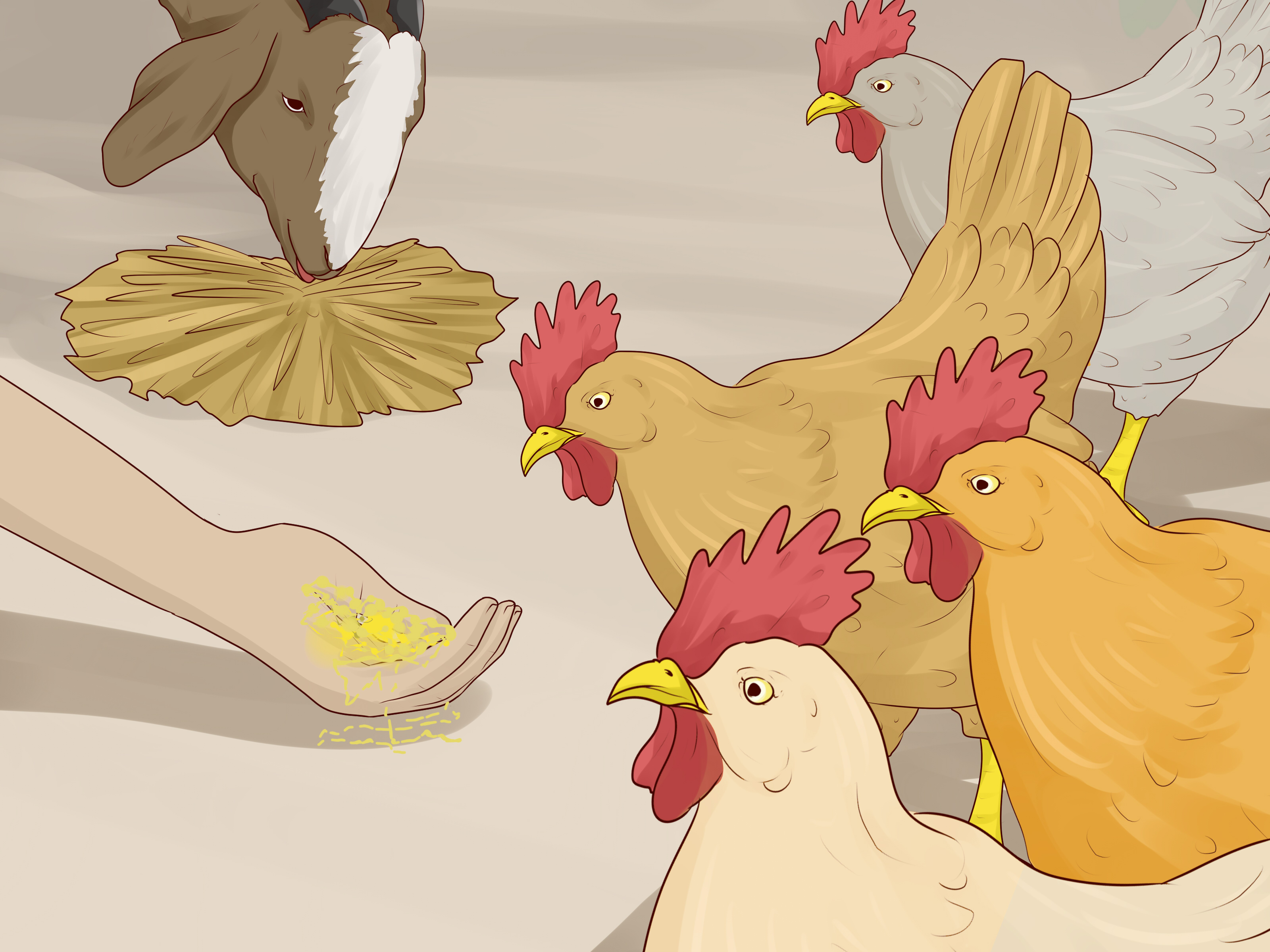
Being country is not about buying the biggest belt buckle in a three-county radius, shouting “yee-haw” at random, or pretending your compact car is a lifted truck because you parked it near a muddy driveway once. Real country living is more grounded than that. It is a mix of attitude, practical skills, respect for the land, appreciation for music and tradition, and the ability to stay useful when life gets inconvenient.
At its best, the country lifestyle is honest, neighborly, hardworking, and deeply connected to place. It shows up in gardens, county fairs, front porches, work boots, family recipes, fiddle tunes, old trucks, livestock barns, farmers markets, and the kind of people who can fix a gate with wire, patience, and a look that says, “Well, that should hold.”
This guide breaks down 3 ways to be country without turning yourself into a costume. Whether you grew up on a farm, moved to a small town, love country music, or simply want a more down-to-earth way of living, these steps will help you understand the culture, build useful habits, and carry yourself with genuine country confidence.
What Does It Mean to Be Country?
To be country means more than living outside the city limits. Plenty of country-minded people live in suburbs, college towns, or apartments with exactly one tomato plant and a dream. Country is a way of thinking. It values self-reliance, but not selfishness. It appreciates tradition, but it does not require everyone to look or sound the same. It respects hard work, practical knowledge, family stories, community ties, and the quiet satisfaction of doing something with your own two hands.
Country culture in the United States is also more diverse than many people realize. Its music has roots in rural Southern and Western communities, Appalachian ballads, African American blues and gospel, folk traditions, church music, string bands, cowboy songs, and working-class storytelling. Cowboy culture itself was shaped by Mexican vaqueros, Black cowboys, Native communities, ranch workers, immigrants, and many others who helped build the American West.
So, before we talk about boots, guitars, gardens, or biscuits, remember this: being country is not about copying a stereotype. It is about living with grit, warmth, usefulness, and respect. The hat is optional. The humility is not.
1. Build a Country Mindset: Practical, Neighborly, and Unfussy
The first way to be country is to think country. That does not mean you need to start every sentence with “Well, I reckon,” unless that is truly how you talk. It means developing a mindset built around common sense, responsibility, and community.
Learn to Be Useful
Country people tend to respect usefulness. Can you change a tire? Cook a simple meal? Grow herbs on a windowsill? Help carry chairs after a community event? Show up when someone needs a hand? That matters more than whether your jeans have designer distressing or actual fence-scrape distressing.
Start small. Learn how to sew on a button, sharpen a kitchen knife safely, check the weather before a long drive, cook eggs without turning them into rubber confetti, and keep basic tools organized. Being country often means being prepared enough to avoid turning every tiny problem into a dramatic opera.
Practice Neighborly Habits
Country culture places a high value on neighborliness. In rural areas, the nearest person may be a few miles away, so relationships matter. You do not have to become everyone’s best friend, but simple courtesy goes a long way.
Say hello. Hold the door. Wave when someone lets you pass on a narrow road. Return borrowed tools in better shape than you received them. Do not gossip like a malfunctioning radio tower. When someone is moving, cleaning up after a storm, setting up for a church supper, or organizing a school fundraiser, offer help if you can.
This kind of behavior is not flashy, which is exactly the point. Country respect is often quiet. It looks like showing up early, staying late, and not needing a parade because you carried two folding tables.
Respect the Land and the People Who Work It
If you want to be country, learn to respect land, weather, animals, crops, and the people whose work keeps food and fiber moving. Farming and ranching are not quaint hobbies invented for calendar photos. They involve science, long hours, risk, machinery, soil management, animal care, business decisions, and more paperwork than a person wearing boots should ever have to face.
Respect posted signs. Do not climb fences without permission. Leave gates exactly as you found them. Do not walk through planted fields, mess with livestock, or treat someone’s property like a theme park. The countryside may look open, but that does not mean it is public.
Also, avoid mocking accents, small towns, rural jobs, or people who live differently than you. Nothing says “I am pretending” faster than acting superior while trying to borrow someone else’s culture.
2. Dress, Listen, and Socialize with Real Country Respect
The second way to be country is to understand the culture you are stepping into. Clothes, music, food, events, and language all matter, but they work best when they are connected to respect rather than performance.
Dress for Function First
Country style is famous for denim, boots, hats, flannel, work jackets, pearl snaps, leather belts, and practical outerwear. But the best country outfits usually begin with function. Boots protect your feet. Jeans hold up. Hats block sun. Jackets keep out wind. A good shirt survives actual work instead of surrendering after one encounter with a hay bale.
For beginners, keep it simple. Wear well-fitting jeans, a plain T-shirt or button-down, a flannel or denim jacket, and sturdy boots if the setting calls for them. Avoid dressing like you raided a movie costume closet five minutes before a rodeo. One or two Western-inspired pieces are enough. If your outfit includes a cowboy hat, rhinestone shirt, giant buckle, fringe jacket, bolo tie, spurs, and sunglasses indoors, you may have accidentally become a country music award show stage prop.
Real country style can be classic, modern, rugged, feminine, masculine, colorful, plain, or mixed with city fashion. The key is confidence without caricature. Wear clothes that fit your life, not somebody else’s album cover.
Listen to Country Music Like a Storyteller
Country music is one of the fastest ways to understand the heart of country culture. It is built around stories: family, work, heartbreak, faith, highways, homeplaces, mistakes, humor, loss, love, and the stubborn hope that tomorrow might behave better than today.
Start with a wide playlist. Mix classic artists with modern voices. Listen for steel guitar, fiddle, banjo, mandolin, acoustic guitar, and strong lyrical storytelling. Explore traditional country, bluegrass, honky-tonk, outlaw country, country pop, Americana, and roots music. You do not have to love every subgenre. Even lifelong country fans have songs they skip faster than a rooster dodging bath time.
Pay attention to the writing. Country songs often turn ordinary moments into emotional truth: a kitchen table, an old truck, a hometown road, a parent’s advice, a county line, a dance floor, a Sunday morning. When you understand the stories, you understand why country music has traveled far beyond rural America.
Show Up Where Country Culture Actually Happens
If you want to be country, go beyond playlists and outfits. Visit farmers markets, county fairs, bluegrass jams, local festivals, agricultural exhibits, craft shows, rodeos as a spectator, school fundraisers, and small-town parades. Watch how people interact. Notice what they value. Ask polite questions. Listen more than you perform.
For students, organizations like 4-H and FFA can offer hands-on learning in agriculture, leadership, public speaking, civic engagement, science, animal care, gardening, and community service. Even if you are not raising livestock or driving a tractor, these programs show how country values connect with education, responsibility, and practical experience.
Country culture is not something you download. It is something you join carefully, respectfully, and in real life.
3. Learn Hands-On Country Skills
The third way to be country is to build skills that connect you to food, land, home, and community. You do not need a hundred acres. You do not even need a yard. You can start with a pot of basil, a cast-iron skillet, a small repair kit, and the willingness to look silly while learning.
Grow Something You Can Eat
Gardening is one of the most accessible country skills. A small vegetable garden, raised bed, container garden, or windowsill herb setup can teach patience, weather awareness, responsibility, and the thrill of eating something you did not have to scan at a checkout counter.
Start with easy crops: tomatoes, lettuce, peppers, bush beans, cucumbers, summer squash, kale, or herbs like basil and parsley. Choose plants you actually like to eat. Growing six pounds of something you secretly hate is not character-building; it is just compost with extra steps.
Begin small. Learn your local growing season, sunlight needs, watering habits, and soil basics. Keep notes. Gardening has a way of humbling everybody. One week you feel like an agricultural genius; the next week a squirrel looks you in the eye while stealing your best tomato.
Cook Simple, Honest Food
Country cooking does not have to be complicated. It often begins with affordable ingredients, family habits, seasonal produce, and the belief that nobody should leave the table hungry unless they made truly poor choices at the dessert stage.
Learn a few basics: scrambled eggs, cornbread, beans, roasted vegetables, chicken soup, biscuits, mashed potatoes, skillet meals, fruit cobbler, and a decent pot of coffee or tea. Learn how to season food properly. Learn how to use leftovers. Learn how to cook for more than one person without panicking and calling it “rustic.”
Food preservation is another useful tradition, but it should be done safely. Freezing, drying, pickling, and canning all require proper methods. Use tested recipes and reliable extension guidance rather than random internet shortcuts. Country confidence is great; botulism confidence is not.
Fix, Reuse, and Maintain
Country living often teaches people to repair before replacing. That does not mean hoarding every broken object “just in case.” It means learning when something can be maintained, patched, cleaned, sharpened, tightened, oiled, or repurposed.
Learn basic maintenance: clean your shoes, care for leather, wash work clothes properly, keep tools dry, patch small holes, organize cords, change batteries, and safely use common household tools under appropriate guidance. If something involves electricity, engines, heavy equipment, heights, chemicals, or serious risk, get help from a qualified adult or professional. Being country does not mean being reckless. It means having enough sense to know when you are outmatched.
The goal is not to become a one-person hardware store. The goal is to be capable, patient, and less helpless when life hands you a loose screw, a flat bike tire, or a garden hose that has chosen violence.
Country Etiquette: How Not to Look Like a Tourist in a Hat
Country etiquette is mostly common sense wearing boots. Be polite. Be humble. Do not brag about things you have not done. Do not pretend to know more than locals, farmers, musicians, ranchers, mechanics, cooks, or grandparents with suspiciously accurate weather knees.
When visiting rural places, drive carefully. Farm equipment moves slowly for a reason, and the person operating it is probably trying to work, not star in your road-rage documentary. Give animals space. Ask before taking photos of people, barns, private property, or livestock. Support local businesses when you can. Tip musicians. Thank volunteers. Clean up after yourself.
Most importantly, understand that country identity is not one single look, race, region, accent, or political opinion. Rural America includes many cultures, backgrounds, jobs, and beliefs. The more you learn, the less likely you are to flatten country life into a bumper sticker.
Common Mistakes to Avoid
Trying Too Hard
There is nothing wrong with enthusiasm. But if you suddenly change your entire personality after buying boots, people will notice. Ease into the lifestyle. Let your interests grow naturally.
Confusing Country with Careless
Being country does not mean being rude, messy, unsafe, or allergic to learning. Real country people often know a great deal about weather, tools, soil, animals, business, music, cooking, and community life.
Using an Accent as a Costume
If you do not naturally speak with a drawl, do not force one. A fake accent is like gas station sushi: technically possible, but nobody trusts it.
Ignoring the History
Country culture has deep roots and many contributors. Learn about vaqueros, Black cowboys, Appalachian musicians, Southern storytellers, Western workers, Indigenous influence, and the many communities that shaped rural America.
Extra Experiences: What Being Country Feels Like in Real Life
One of the best ways to understand being country is to imagine a day built around simple, useful moments. It starts early, not because early mornings are magical, but because chores, heat, school, work, weather, and hungry animals do not wait for anyone’s beauty sleep. The first lesson is that the day does not care whether you are “in the mood.” You get up, make yourself useful, and discover that momentum is stronger than motivation.
Maybe you walk outside and the air smells like cut grass, damp soil, and breakfast drifting from a kitchen window. Someone is already working on something: watering plants, loading supplies, checking a fence, sweeping a porch, feeding chickens, or figuring out why the lawn mower sounds like it swallowed a kazoo. Country life often teaches you that problems are normal. You do not announce every problem like breaking news. You study it, ask questions, try a sensible fix, and call someone experienced when needed.
Later, you might visit a farmers market. There are tables of tomatoes, honey, peaches, eggs, flowers, baked goods, handmade soap, and people who can explain the weather in more detail than most television reports. A vendor tells you which peaches are best for cobbler. An older man explains why this year’s corn came in late. A kid helps stack baskets while wearing boots that look too big but somehow completely correct. Nobody is performing country. They are just living it.
At home, you try cooking something simple. Maybe cornbread. Maybe beans. Maybe a tomato sandwich that proves good ingredients do not need a committee meeting. The first attempt might not be perfect. The biscuits may look like small construction materials. The beans may need more salt. The cast-iron skillet may smoke because you got dramatic with the heat. That is fine. Country skills are learned by doing, messing up, laughing, adjusting, and trying again.
In the evening, music comes on. It might be classic country, bluegrass, Americana, gospel, or a modern country song about a truck that has apparently experienced more emotional growth than most movie characters. Someone sings along off-key. Nobody calls the authorities. The point is not perfection; it is connection. Country music makes room for memory, humor, loss, pride, and ordinary life.
By the end of the day, you realize being country is not one grand performance. It is a collection of habits: wave at people, respect work, learn names, keep promises, eat together, take care of what you own, enjoy stories, and stay close to the real world. It is less about looking rugged and more about being reliable. It is less about shouting “country” and more about living in a way that would make your neighbors trust you with a borrowed ladder.
Conclusion
There are many ways to be country, but the strongest ones are simple: build a practical and neighborly mindset, understand the culture with respect, and learn hands-on skills that make you more capable. You do not need a ranch, a pickup truck, or a dramatic sunset behind you. You need humility, curiosity, work ethic, and appreciation for the people and traditions that shaped country life.
Country is not about pretending to be someone else. It is about becoming more grounded where you are. Grow something. Cook something. Help someone. Listen to the stories behind the songs. Respect the land. Wear the boots if you like them, but make sure your character has traction too.