For anyone who has ever tried to decorate a home with personality, warmth, and a little “where did you get that?” energy, 54kibo feels like a very welcome plot twist. The online home decor brand has built its name around a simple but powerful idea: contemporary African design should not be hidden away like a secret family recipe. It should be seen, used, lived with, admired, and shipped to doorsteps around the world.
Founded by Nana Quagraine, 54kibo brings African-inspired home decor into modern interiors through furniture, lighting, rugs, pillows, wall art, baskets, tabletop pieces, and decorative accents. But the brand is not just selling pretty objects. It is helping rewrite the design conversation by showing that African decor is not one single look, one print, one color palette, or one predictable “safari chic” corner of the internet. It is broad, contemporary, refined, handmade, joyful, sculptural, and deeply rooted in culture.
The result is a home decor destination that connects global customers with African craftsmanship while giving artisans, designers, and cultural storytelling a larger stage. And honestly, it is about time. The world has borrowed inspiration from African design for decades. 54kibo helps bring the spotlight back to the creators, the techniques, and the stories behind the work.
What Is 54kibo?
54kibo is a luxury African home decor and lifestyle brand that curates contemporary pieces made by designers and artisans from Africa and the African Diaspora. The brand launched in 2018 and is based in Brooklyn, New York, but its creative reach stretches across countries, traditions, and materials. Its collections include woven pendant lights, sculptural wall decor, handmade rugs, furniture, decorative pillows, mirrors, baskets, ceramics, and gifts.
The name itself carries meaning. “54” refers to the countries of Africa, while “Kibo” is the highest summit of Mount Kilimanjaro. Together, the name suggests the height of African design: diverse, ambitious, and impossible to reduce to a single aesthetic. It is a smart name, too. It sounds polished on a brand tag but still has a story strong enough to survive small talk at a dinner party.
What makes 54kibo especially interesting is its balance of tradition and modernity. Many pieces are handmade using long-standing craft techniques, yet the overall look is not frozen in the past. The brand presents African-inspired home decor as something that belongs in modern apartments, family homes, boutique hotels, offices, and interior design projects.
The Founder Behind the Brand: Nana Quagraine
Nana Quagraine, 54kibo’s founder, was born in Ghana, raised in South Africa, and later settled in Brooklyn. Her personal background gives the brand its cross-cultural heartbeat. She understood the beauty of contemporary African design from her own life and travels, but she also recognized a frustrating gap: many of the pieces she loved were difficult to find outside the continent.
That problem became the seed of 54kibo. Instead of treating African design as a niche category or an occasional trend, Quagraine built a platform around access. She wanted customers in the United States and beyond to discover the creativity of African designers without needing to fly across the world, pack a basket lamp into a suitcase, and pray the overhead bin gods were feeling generous.
Her mission also reaches beyond shopping. Through 54kibo, Quagraine has worked to expand the way people talk about African design. The brand’s message is not simply “buy this beautiful thing.” It is also “learn where this thing comes from, who made it, what techniques shaped it, and why it matters.”
Why African-Inspired Home Decor Matters Now
Interior design has shifted away from sterile, showroom-perfect spaces and toward homes that feel personal, layered, and culturally meaningful. People want rooms that say something. Not necessarily something dramatic like, “I am the main character in an architectural documentary,” but something honest: where they have been, what they value, what makes them feel at home.
African-inspired home decor fits naturally into this movement because it often brings texture, pattern, history, and handmade character into a room. A woven wall basket can soften a blank wall. A patterned pillow can wake up a neutral sofa. A sculptural light fixture can turn a dining room from “we eat here sometimes” into “please admire the ceiling.”
But the best African decor is not about using culture as decoration. It is about respecting origin, craft, and context. This is where 54kibo’s curation becomes important. The brand positions its products as contemporary design pieces connected to real makers, places, and traditions, not as anonymous “global” accessories tossed into a shopping cart for instant personality.
How 54kibo Makes African Design More Accessible
1. It Brings Many Categories Into One Online Marketplace
One of the biggest challenges with artisan-made decor is discovery. Beautiful pieces may exist, but shoppers often do not know where to find them, how to compare styles, or whether the items will work in a modern interior. 54kibo solves that by gathering many categories in one place.
Customers can explore lighting, wall art, rugs, furniture, tableware, textiles, baskets, mirrors, and decorative accents without needing to search dozens of disconnected sources. This matters because accessibility is not only about shipping. It is also about organization, presentation, photography, descriptions, and trust.
2. It Curates for Modern Homes
54kibo does not present African-inspired home decor as a costume for a room. Its pieces are styled for real contemporary spaces: clean living rooms, warm bedrooms, polished offices, layered dining areas, and relaxed family homes. The look is elevated but not untouchable. In other words, the decor is beautiful enough for a design magazine but not so precious that you feel guilty sitting near it with snacks.
This modern curation helps customers imagine how handcrafted African decor can mix with existing furniture. A woven pendant can hang above a minimalist table. A bold pillow can sit on a mid-century sofa. A handmade rug can ground a quiet bedroom. Instead of demanding a full design overhaul, many 54kibo pieces work as meaningful accents that add depth and character.
3. It Connects Customers to Craftsmanship
The appeal of handmade decor is not only visual. It carries evidence of human touch. Slight variations, woven textures, carved forms, beaded details, and natural materials make a piece feel alive in a way mass-produced decor often cannot. 54kibo leans into this value by highlighting artisan-made work and celebrating the people and techniques behind the products.
That approach gives customers a richer buying experience. Instead of choosing a generic item because it “matches the curtains,” they can choose a piece because it has craft, origin, and conversation built into it. Matching curtains are nice. A home with a story is better.
Design Elements That Define the 54kibo Look
Texture That Makes a Room Feel Warm
Many African-inspired interiors rely on texture rather than clutter. Woven baskets, natural fibers, carved wood, clay, raffia, leather, wool, and hand-finished surfaces can add visual interest without overwhelming a space. 54kibo’s collections often use this kind of tactile richness to make rooms feel grounded and welcoming.
Texture is especially useful in modern homes where everything can become a little too smooth. A room filled with flat walls, sleek screens, and shiny surfaces can feel cold. Add a woven pendant, a patterned rug, or a handmade wall piece, and suddenly the room has rhythm. It has a pulse. It has stopped looking like a waiting room for a very expensive dentist.
Pattern With Meaning
African design includes a wide range of visual languages, from bold geometric patterns to intricate weaving and symbolic motifs. These patterns are not random decoration. Many are tied to local histories, materials, identities, and artistic traditions. In home decor, they can bring movement and cultural depth to otherwise simple spaces.
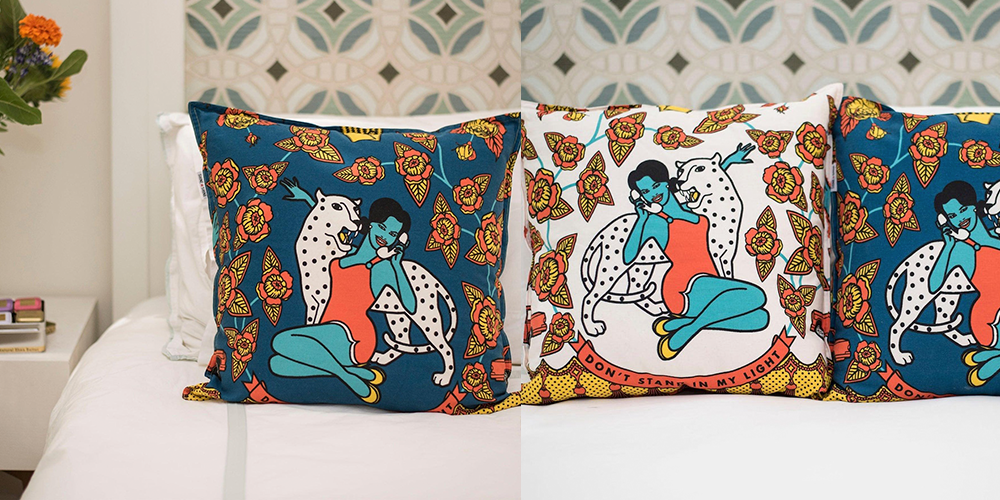
The key is balance. A patterned pillow or rug can become the focal point of a room without needing to compete with every other object. 54kibo’s curated approach helps customers choose statement pieces that feel intentional rather than chaotic. Pattern should make a room sing, not sound like three marching bands got lost in the living room.
Lighting as Art
One of 54kibo’s strongest categories is lighting, especially woven and sculptural fixtures. Lighting is often treated as purely functional, but a good pendant or lamp can completely change the mood of a space. It can add softness, shadow, shape, and drama.
African-inspired lighting also makes craftsmanship highly visible. The weave, silhouette, and material are not hidden in a corner. They hang in the room like functional sculpture. That is the beauty of a great fixture: even when it is turned off, it is still doing design work.
Why 54kibo Appeals to Interior Designers
Interior designers are always looking for pieces that make a project feel distinct. No client wants to pay for a custom-designed room only to discover it looks exactly like page four of a generic catalog. 54kibo offers designers access to artisan-made African decor that can help create memorable, layered spaces.
The brand’s products work well in residential and commercial projects because they can serve as focal points or supporting details. A woven pendant can define a restaurant corner. A wall basket arrangement can add warmth to a hotel lobby. A handmade rug can bring color and craft into a home office. These are not filler pieces. They are the kind of decor that makes people pause, point, and ask questions.
For designers, that matters. The best interiors are not only beautiful in photographs; they are engaging in person. They invite people to look closer. 54kibo’s products help create that effect by blending contemporary style with cultural substance.
A More Ethical Way to Shop for Global Decor
Global decor can be tricky territory. When brands borrow from cultural traditions without credit, context, or fair partnership, the result can feel shallow at best and exploitative at worst. 54kibo’s model offers a more thoughtful path by centering African and Diaspora designers and artisans rather than treating their work as anonymous inspiration.
This matters because design is not just about objects. It is about economies, visibility, and respect. When customers buy artisan-made decor through platforms that value origin and craftsmanship, they help support a more transparent design ecosystem. That does not mean every purchase becomes a heroic act. It means buying a lamp can be part of a better story than “it was on sale and I panicked.”
54kibo also reflects a larger consumer shift toward meaningful goods. Many shoppers want fewer disposable items and more pieces that last. Handmade decor often fits that mindset because it is not designed to disappear with next season’s microtrend. It has a slower, more enduring quality.
How to Style African-Inspired Decor at Home
Start With One Strong Piece
If you are new to African-inspired home decor, start with one piece that has presence. A woven light fixture, a patterned pillow, a handmade basket, or a sculptural table can instantly change the tone of a room. You do not need to redecorate everything at once. In fact, please do not let one pillow convince you to repaint the entire house at midnight.
A single strong piece gives the room a point of view. From there, you can build slowly with complementary textures, colors, or materials.
Mix Contemporary and Handmade Elements
African-inspired decor works beautifully with modern furniture because the contrast creates depth. Pair clean-lined sofas with woven baskets. Place a sculptural stool beside a simple bed. Hang a handmade pendant above a sleek dining table. This mix keeps the room from feeling themed and makes the decor feel collected over time.
Use Neutrals as a Foundation
If you love bold patterns but fear visual chaos, use neutral colors as your base. White, cream, charcoal, clay, tan, and warm wood tones can create a calm background for expressive decor. Then add color through textiles, art, or accent pieces.
This approach lets African-inspired pieces stand out without overwhelming the room. Think of neutrals as the stage and the decor as the performance. The stage matters, but nobody buys a ticket to stare at the stage.
Decorate With Curiosity, Not Stereotypes
The most respectful way to bring African-inspired decor into a home is to stay curious. Learn about materials, countries, techniques, and makers. Africa is not a single design style. It is a continent with enormous cultural, geographic, and artistic diversity. Moroccan ceramics, Ghanaian baskets, South African furniture, Nigerian textiles, Ethiopian forms, Senegalese artistry, and Caribbean Diaspora influences can all tell different stories.
54kibo’s value is that it encourages this broader view. It helps shoppers move beyond vague “ethnic decor” labels and toward specific, contemporary, design-led appreciation.
54kibo and the Future of African Luxury Home Decor
54kibo is part of a larger movement toward more inclusive design storytelling. For too long, African design has influenced global interiors without always receiving proper visibility. Contemporary African designers are not waiting for permission to join the conversation; they are already shaping it. Brands like 54kibo help make that influence easier to see, shop, and understand.
The future of luxury home decor is not only about rare materials or famous names. It is about meaning, craft, originality, sustainability, and cultural intelligence. A room filled with expensive but soulless objects can still feel empty. A room with fewer, better, more meaningful pieces can feel rich in the best sense.
That is where 54kibo shines. It offers decor that feels elevated without being generic, globally accessible without being disconnected, and stylish without pretending culture is just a mood board. The brand makes a strong case that African-inspired home decor belongs everywhere: city apartments, suburban houses, design studios, boutique spaces, and homes where people want their rooms to carry a little more soul.
Experience-Based Reflections: Living With African-Inspired Decor
Bringing African-inspired decor into a home is less like “adding accessories” and more like inviting better conversations to move in. The experience often begins with a practical need: a blank wall, a dull sofa, a dining area that looks like it is still waiting for someone to make a decision. Then one handmade object enters the room, and suddenly the space feels more personal.
Imagine a living room with a simple beige sofa, a wood coffee table, and plain white walls. It is pleasant, but it may not say much. Add a group of woven baskets above the sofa, a textured pillow with a bold pattern, and a warm pendant light, and the room changes immediately. It feels collected rather than decorated. It feels like someone lives there, not like the furniture arrived first and the humans are still pending approval.
The best part of African-inspired home decor is that it rewards close attention. From across the room, a basket may look like a beautiful graphic circle. Up close, you notice the weave, the material, the tiny variations that reveal the hand of the maker. A rug may first catch your eye with color, but later you appreciate how it grounds the furniture and softens the room. A carved stool may begin as an accent piece and somehow become the favorite place to drop a book, a tray, or a cup of tea.
In real homes, these pieces also make decorating feel less rigid. You do not have to chase a perfect matching set. In fact, the charm often comes from contrast. A handmade African-inspired piece can sit beside modern furniture, vintage finds, family photos, plants, ceramics, or books. It helps create the feeling of a home built over time rather than ordered in one frantic weekend.
There is also an emotional layer. Decor connected to culture and craft can make a space feel more rooted. For people in the African Diaspora, a piece from a brand like 54kibo may offer a sense of connection, curiosity, or heritage. For others, it can be a respectful way to appreciate design traditions beyond their own background, as long as that appreciation includes learning and context.
The experience is especially powerful when guests notice the details. Someone asks about a wall piece, a pendant light, or a patterned pillow, and suddenly the room opens into a story. You can talk about where the piece came from, what it is made of, or why you chose it. That is a very different feeling from saying, “I bought it because the algorithm followed me for six days and I surrendered.”
54kibo makes this experience easier because it removes some of the uncertainty from sourcing. Instead of wondering where to find contemporary African decor or whether a piece will fit into a modern home, shoppers can explore a curated platform designed for exactly that purpose. The brand gives people a starting point, and good design often needs just that: a doorway.
Over time, living with African-inspired decor can also change the way a person shops. It encourages slower decisions. Rather than buying five forgettable objects to fill space, you may choose one meaningful piece that holds attention. You may start asking better questions: Who made this? What material is it? What tradition does it connect to? Will I still love it in five years?
That shift is valuable. A beautiful home is not built by stuffing every corner with things. It is built by choosing pieces that support daily life and reflect identity. 54kibo’s greatest strength is that it understands this. The brand does not just make African-inspired home decor accessible around the world; it makes homes feel more thoughtful, more layered, and much more interesting to live in.
Conclusion
54kibo is making African-inspired home decor accessible around the world by combining e-commerce convenience with cultural respect, artisan craftsmanship, and contemporary style. Founded by Nana Quagraine, the brand gives global shoppers a way to discover lighting, furniture, textiles, wall art, rugs, and decorative pieces that reflect the diversity and creativity of Africa and its Diaspora.
In a design world hungry for authenticity, 54kibo offers something more lasting than a trend. It offers objects with origin, rooms with personality, and a more thoughtful way to bring global design into everyday life. Whether you are an interior designer sourcing standout pieces or a homeowner trying to make your living room feel less like a polite waiting area, 54kibo proves that African design is not only accessible. It is essential.