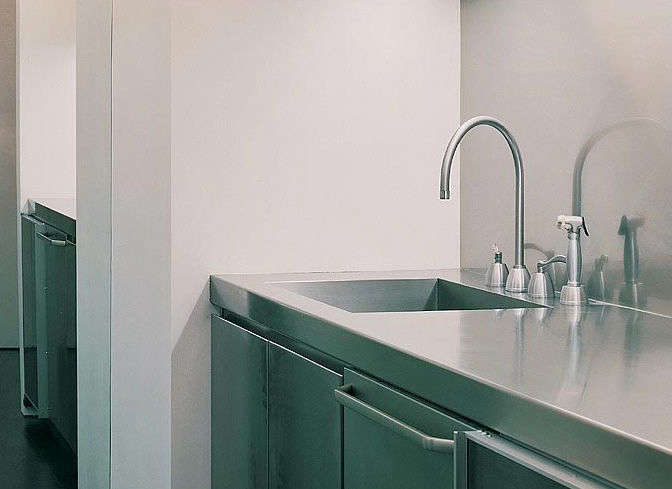
Note: This publishing-ready article is written in original American English and synthesized from real countertop, kitchen design, fabrication, and stainless steel care information.
A-Line stainless steel countertops bring the professional kitchen look home, but they are more than shiny metal with a culinary-school attitude. They are durable, hygienic, modern, heat-resistant, and surprisingly flexible in design. For homeowners, remodelers, designers, restaurant owners, and serious home cooks, they offer a practical surface that can take daily kitchen drama without acting dramatic about it.
What Are A-Line Stainless Steel Countertops?
A-Line stainless steel countertops are commonly associated with heavy-duty stainless steel counter surfaces made for residential, commercial, and food-service environments. The phrase is often used in connection with countertop products built from 304 stainless steel, a popular food-safe grade known for corrosion resistance, durability, and easy cleaning. In practical terms, these counters are designed for people who want a surface that looks sleek but works hard.
Unlike decorative countertop materials that mainly win the beauty contest, stainless steel wins the “what happens when someone drops a hot pan, spills tomato sauce, splashes water everywhere, and forgets to wipe the island until after dessert?” contest. It is nonporous, so liquids do not sink in the way they can with some stone, wood, or concrete surfaces. It does not require sealing, and it does not panic when a hot skillet arrives uninvited.
Many A-Line style stainless steel countertops are made in standard or custom sizes. They may include integrated sinks, backsplashes, side splashes, drainboards, special edge profiles, and reinforced understructures. That makes them useful for home kitchens, laundry rooms, workshops, outdoor kitchens, bars, prep stations, healthcare spaces, and commercial kitchens where sanitation matters.
Why Stainless Steel Countertops Are Popular Again
Stainless steel has never really left professional kitchens. Chefs love it because it is tough, cleanable, and efficient. Recently, however, it has been enjoying a stylish comeback in residential kitchens. The reason is simple: modern kitchens are becoming more functional, more open, and more honest about how people actually live. Not every countertop needs to pretend life is a showroom.
A-Line stainless steel countertops fit contemporary design trends beautifully. They pair with white cabinets, black cabinets, natural wood, colorful tile, concrete floors, open shelving, and industrial lighting. Stainless steel can look polished and urban, but it can also soften when combined with warm materials like walnut, oak, brass, handmade ceramic tile, or stone backsplashes.
Another reason for their popularity is hygiene. Stainless steel is one of the easiest countertop materials to clean properly, which is why it appears in restaurants, hospitals, laboratories, and food-prep areas. For busy families, bakers, entertainers, or anyone who has ever battled mystery crumbs near the toaster, that is a major advantage.
Main Benefits of A-Line Stainless Steel Countertops
1. Excellent Durability
A-Line stainless steel countertops are built for heavy use. When made from quality 304 stainless steel and supported with a strong base or hat-channel understructure, they resist cracking, warping, staining, and heat damage. They are especially useful in kitchens where cooking is more than reheating soup and pretending it was homemade.
Thicker stainless steel, often described by gauge, generally performs better against dents and flexing. A lower gauge number means thicker steel. For example, 16-gauge stainless steel is thicker and stronger than 20-gauge stainless steel. Many higher-quality stainless countertops use 14- or 16-gauge steel because it offers a good balance of strength, weight, and cost.
2. Heat Resistance
Stainless steel can handle heat far better than many countertop materials. A hot pot or baking tray will not scorch it the way it might damage laminate or certain solid-surface products. That said, using trivets is still smart. Extreme heat can discolor metal, and nobody wants a countertop with a permanent reminder of the lasagna incident.
3. Hygienic, Nonporous Surface
One of the biggest advantages of stainless steel countertops is that they are nonporous. Food particles, liquids, and bacteria do not soak into the material. With proper cleaning, the surface can be kept sanitary with minimal effort. This is a major reason stainless steel is common in commercial kitchens and food-service spaces.
4. Water and Stain Resistance
Water, coffee, wine, citrus, vinegar, tomato sauce, and cooking oils are less intimidating on stainless steel than on many other countertop materials. Since the surface is not porous, spills are generally easy to wipe away. This makes A-Line stainless steel countertops especially useful around sinks, dishwashing zones, wet bars, and food-prep areas.
5. Seamless Design Options
Custom stainless steel countertops can be fabricated with integrated sinks, backsplashes, and drainboards. This reduces seams, caulk lines, and awkward corners where dirt likes to move in and start paying rent. A welded sink and backsplash can make cleaning faster and give the kitchen a clean, professional look.
6. Long-Term Value
Stainless steel countertops can cost more upfront than some common materials, but they can last for decades when properly fabricated and maintained. They do not need sealing, staining, or complicated resurfacing. For homeowners who prioritize function and longevity, the long-term value can be strong.
Possible Drawbacks to Consider
Scratches Are Part of the Story
Stainless steel scratches. That is not a scandal; it is a fact. The first scratch may feel personal, like the countertop betrayed you after all you shared together. But over time, small scratches blend into a soft patina. Many homeowners eventually like the lived-in look because it feels authentic and chef-like.
If you want a flawless, untouched surface forever, stainless steel may test your emotional stability. A brushed or matte finish can help disguise minor marks better than a mirror-polished finish. Directional grain finishes are especially popular because they make everyday wear less obvious.
Fingerprints and Water Spots Can Show
Stainless steel can show fingerprints, smudges, and water spots, especially under bright lighting. This does not mean it is dirty; it means it is honest. A quick wipe with a microfiber cloth usually solves the problem. Drying the surface after cleaning also helps prevent mineral spots from hard water.
Dents Can Happen
Heavy objects can dent stainless steel, particularly if the steel is thin or poorly supported. Choosing a thicker gauge and a reinforced understructure reduces this risk. For high-use kitchens, commercial counters, or homes with enthusiastic cast-iron cookware users, durability details matter.
The Look Is Not for Everyone
Stainless steel countertops have a clean, modern, industrial personality. Some people love that. Others find it too cool or commercial. The good news is that design choices can warm up the look. Pairing stainless steel with wood cabinetry, warm lighting, textured tile, or colorful accents can make the kitchen feel inviting rather than laboratory-adjacent.
A-Line Stainless Steel Countertop Materials and Construction
304 Stainless Steel
Most quality stainless steel countertops use 304 stainless steel. This grade is popular because it resists corrosion, cleans easily, and performs well in food-prep areas. It is commonly used in sinks, appliances, commercial counters, and restaurant equipment.
For coastal homes, outdoor kitchens, or environments with heavy exposure to salt, some projects may require extra consideration. Stainless steel is corrosion resistant, not magically invincible. Good drainage, proper cleaning, and the right grade for the environment help preserve the surface.
Gauge Thickness
Gauge is one of the most important specifications to understand. In stainless steel, a lower gauge number means thicker metal. A 16-gauge countertop is generally stronger and more dent-resistant than a 20-gauge surface. Many A-Line style counters use heavy-duty 16-gauge stainless steel, which is a practical choice for both residential and commercial use.
Understructure and Support
Stainless countertops are often fabricated over a substrate or supported by metal reinforcement. Some designs use a hat-channel understructure to improve rigidity and reduce flex. This support matters because stainless steel sheets can otherwise feel springy or produce a hollow sound. A solidly built countertop feels more substantial and performs better over time.
Edges, Backsplashes, and Sink Integration
A-Line stainless steel countertops may be available with different edge profiles, including square, eased, marine, or raised edges. A marine edge helps contain spills, which is useful in wet areas or busy prep zones. Integrated backsplashes can protect walls and simplify cleaning. Integrated sink bowls create a smooth transition between counter and sink, reducing grime-catching seams.
Best Places to Use A-Line Stainless Steel Countertops
Home Kitchens
In a residential kitchen, stainless steel works beautifully on islands, perimeter counters, baking stations, and sink runs. It is especially helpful for people who cook often, entertain regularly, or want a surface that can handle real kitchen activity. A full stainless kitchen creates a bold professional look, while a single stainless section can provide a practical accent.
Commercial Kitchens
Restaurants, cafés, catering facilities, and bakeries rely on stainless steel because it is easy to sanitize and built for constant use. A-Line stainless steel countertops are well suited to prep tables, service counters, dishwashing areas, and food assembly stations.
Outdoor Kitchens
Stainless steel can be a smart choice for outdoor kitchens, especially when paired with weather-resistant cabinetry and proper shelter. It tolerates heat, moisture, and cleaning better than many materials. However, outdoor installations should be designed carefully to avoid standing water, harsh chemical exposure, and unnecessary scratching from windblown debris.
Laundry Rooms and Utility Areas
Because stainless steel resists water and stains, it works well in laundry rooms, mudrooms, garages, craft rooms, and utility spaces. It is ideal for folding clothes, rinsing tools, cleaning pet bowls, or handling messy household tasks.
How Much Do Stainless Steel Countertops Cost?
Stainless steel countertop pricing varies widely depending on gauge, grade, finish, custom fabrication, edge style, sink integration, backsplash design, and installation complexity. In many U.S. markets, stainless steel countertops commonly fall in the mid-to-premium range compared with other materials.
Simple stainless steel surfaces may start around the lower end of premium countertop pricing, while custom counters with welded sinks, special edges, thick-gauge steel, complex layouts, or commercial-grade details can cost significantly more. Labor also matters because fabrication requires precision. Unlike a basic slab that can be cut and installed with common countertop methods, stainless steel requires metalworking skill, accurate measurement, and careful finishing.
For budget planning, homeowners should think beyond square-foot pricing. A small stainless steel prep counter may be affordable and high-impact. A full kitchen with integrated sinks and backsplashes will be a larger investment. The best approach is to request a line-item quote that separates material, fabrication, add-ons, shipping, and installation.
Design Ideas for A-Line Stainless Steel Countertops
Modern Minimalist Kitchen
Pair stainless steel countertops with flat-panel cabinets, hidden pulls, white walls, and simple pendant lighting. The result is clean, efficient, and calm. Add a wood floor or warm bar stools to keep the space from feeling too cold.
Industrial Loft Style
Combine stainless counters with exposed brick, black metal shelving, concrete floors, and open storage. This look celebrates the material instead of trying to disguise it. It works especially well in urban apartments, lofts, and renovated older homes.
Warm Contemporary Kitchen
Stainless steel becomes softer when paired with natural wood cabinets, cream walls, handmade tile, and warm lighting. This is one of the best ways to use A-Line stainless steel countertops in a family home without creating a restaurant vibe.
Professional Chef’s Kitchen
For serious cooks, stainless steel counters can surround a range, prep sink, or large island. Add integrated drainboards, deep sinks, pot fillers, and strong task lighting. This setup is practical, beautiful, and ready for ambitious cooking projects that use every pan in the house.
Cleaning and Maintenance Tips
Daily Cleaning
For everyday cleaning, use warm water, mild dish soap, and a soft microfiber cloth. Wipe with the grain of the metal, then dry the surface to reduce streaks and water spots. This simple routine handles most messes.
What to Avoid
Avoid steel wool, abrasive powders, bleach-heavy cleaners, and harsh chemicals. These can scratch, dull, or damage the finish. Also avoid leaving acidic foods, saltwater, or metal cans sitting on the surface for long periods. Stainless steel is tough, but it appreciates basic manners.
Handling Scratches
Minor scratches are normal. Over time, they blend into a natural patina. If a scratch is bothersome, a professional fabricator may be able to blend it into the grain. Do not attack the surface with random sandpaper unless you are also emotionally prepared to make things worse.
Keeping the Shine
A stainless steel cleaner or a small amount of mineral oil can help reduce fingerprints and add a soft sheen. Always follow the grain and buff with a clean cloth. The goal is not to make the counter look like a spaceship; it is to keep it clean, smooth, and handsome.
A-Line Stainless Steel Countertops vs. Other Countertop Materials
Stainless Steel vs. Quartz
Quartz is popular because it is attractive, consistent, and available in many colors. It resists stains well, but high heat can damage resin-based materials. Stainless steel handles heat better and is easier to sanitize, while quartz offers a softer residential look.
Stainless Steel vs. Granite
Granite is natural, durable, and unique. It can be beautiful, but it usually needs sealing and may stain if neglected. Stainless steel requires no sealing and is more hygienic for food prep, though it scratches more visibly.
Stainless Steel vs. Butcher Block
Butcher block is warm and charming, but it requires regular oiling and careful cleaning. Stainless steel is less cozy but far more water-resistant and easier to sanitize. A combination of both can be excellent: stainless near the sink and range, wood on a dining island or baking area.
Stainless Steel vs. Laminate
Laminate is affordable and available in many styles, but it can burn, swell, or delaminate when exposed to heat and moisture. Stainless steel costs more but offers stronger long-term performance in demanding areas.
Buying Tips: What to Look For
When shopping for A-Line stainless steel countertops, pay attention to the specifications. Look for 304 stainless steel, suitable gauge thickness, reinforced support, clean welds, and a finish that matches your lifestyle. A brushed or matte finish is often more forgiving than a mirror finish.
Ask whether the countertop is made from a stainless steel sheet over a substrate or from thicker solid stainless steel. Both approaches can work, but they behave differently in terms of feel, weight, cost, and repair options. Also ask about lead times, shipping, installation requirements, sink cutouts, backsplash details, and warranty coverage.
Most importantly, measure carefully. Stainless steel fabrication is precise work. A small measurement error can become a big, expensive headache. For custom kitchens, professional templating is often worth the cost.
Real-Life Experience: Living With A-Line Stainless Steel Countertops
Living with A-Line stainless steel countertops feels different from living with stone, quartz, or wood. The first thing many people notice is the confidence of the surface. You can roll dough, rinse vegetables, set down a warm pan, prep fish, mix drinks, or clean up after a busy dinner without worrying that the counter is silently judging your life choices.
In daily use, the biggest advantage is speed. Stainless steel is fast to clean. After breakfast, a damp cloth and mild soap can remove coffee rings, toast crumbs, fruit juice, and the mysterious sticky spot that nobody in the house will confess to creating. Around the sink, stainless steel feels especially practical because water is not a problem. You do not have to panic over splashes or constantly inspect seams.
The second major experience is the visual change over time. A brand-new stainless countertop looks crisp and almost too perfect. Then life happens. A spoon leaves a faint mark. A pan slides across the surface. Someone sets keys on the counter even though there is a perfectly good bowl two feet away. At first, these marks can be annoying. But after a few weeks or months, the surface develops a soft, even character. It begins to look used in the best way, like a favorite cast-iron skillet or a chef’s knife with stories.
Families with children may appreciate stainless steel for messy projects. Cookie decorating, science-fair volcanoes, lunch packing, and art projects are easier when the counter can be wiped clean without a production. Pet owners also like stainless steel near feeding stations because water and food spills are simple to remove.
For serious cooks, the experience is even better. Stainless steel creates a natural prep zone. It stays stable, resists food stains, and works well beside ranges and sinks. If the countertop includes an integrated sink or backsplash, cleanup becomes even smoother. There are fewer seams for crumbs, grease, and splashes to hide in. That may not sound glamorous, but anyone who has scrubbed dried sauce from a grout line knows this is luxury.
Of course, there are adjustments. Stainless steel can sound louder than stone when dishes, pans, or utensils hit the surface. A well-supported counter reduces the hollow sound, but it will never feel exactly like granite. Fingerprints also appear, especially in bright kitchens. Keeping a microfiber cloth nearby solves most of this. If you are the type of person who needs every surface to look untouched at all times, stainless steel may become your shiny nemesis.
The best experience comes when homeowners understand the material before buying it. Stainless steel is not trying to imitate marble. It is not pretending to be wood. It is practical, modern, durable, and honest. It rewards people who value function and do not panic over a natural patina. In return, it offers a countertop that can handle years of cooking, cleaning, entertaining, and everyday chaos while still looking stylish.
One useful strategy is to start with stainless steel in a limited area. A stainless prep island, sink counter, baking station, or wet bar can deliver the benefits without committing the entire kitchen to a commercial look. Many homeowners find that this mixed-material approach gives them the best of both worlds: warmth from wood or stone and performance from stainless steel.
In the end, A-Line stainless steel countertops are for people who want their kitchen to work as beautifully as it looks. They are not delicate. They are not fussy. They are the countertop equivalent of a friend who shows up on moving day with a truck, gloves, and snacks.
Conclusion
A-Line stainless steel countertops are a smart choice for kitchens and workspaces that need strength, cleanliness, and modern style. They resist heat, water, stains, and daily wear better than many traditional surfaces. They can be customized with integrated sinks, backsplashes, drainboards, and edge profiles, making them practical for both homes and commercial spaces.
They are not perfect for everyone. Scratches, fingerprints, and dents can happen, and the industrial look may feel too cool unless balanced with warm materials. But for homeowners who cook often, value hygiene, and appreciate a surface that develops character over time, stainless steel is hard to beat.
If you want a countertop that can survive dinner parties, meal prep, hot pans, sink splashes, and the occasional kitchen disaster without demanding therapy, A-Line stainless steel countertops deserve serious consideration.