Every online community has its magic words. For some, it is “drop your setup.” For others, it is “show us your pet.” But in the wonderfully chaotic, paint-splattered corner of the internet where creative people gather, few invitations are as irresistible as this one: “Hey Pandas! Post Some Pics Of Your Art!”
It sounds casual, almost like someone shouting across a cozy digital living room: “Bring the sketchbook, the watercolor rabbit, the clay frog, the mysterious abstract thing you made at 2 a.m. after too much coffee.” But beneath that playful prompt is something bigger. Art-sharing posts create community, encourage beginners, give hobby artists a stage, and remind everyone that creativity is not reserved for museum walls, expensive galleries, or people who own twelve kinds of varnish.
Today, posting art online is part portfolio, part diary, part courage exercise. Whether you draw on paper, paint digitally, sculpt miniatures, make collage, design stickers, photograph street murals, or turn old cereal boxes into surprisingly emotional dragons, sharing your work can help you grow. And yes, it may also help you discover that strangers on the internet can be shockingly kind when they are not arguing about pineapple on pizza.
Why Art-Sharing Prompts Work So Well
The phrase “Hey Pandas! Post Some Pics Of Your Art!” works because it removes pressure. It does not demand a polished masterpiece. It does not ask for a résumé, an artist statement, or proof that you once cried in front of a Monet. It simply says: show us what you made.
That low-pressure invitation matters. Many artists, especially beginners, hesitate to share their work because they feel it is “not good enough.” But online art communities have shown that people respond strongly to authenticity. A rough pencil sketch with personality can spark more conversation than a technically perfect image that feels cold. Viewers often enjoy seeing the hand of the maker: the visible brushstroke, the erased line, the tiny mistake that somehow gives the piece a heartbeat.
Community Turns Art Into Conversation
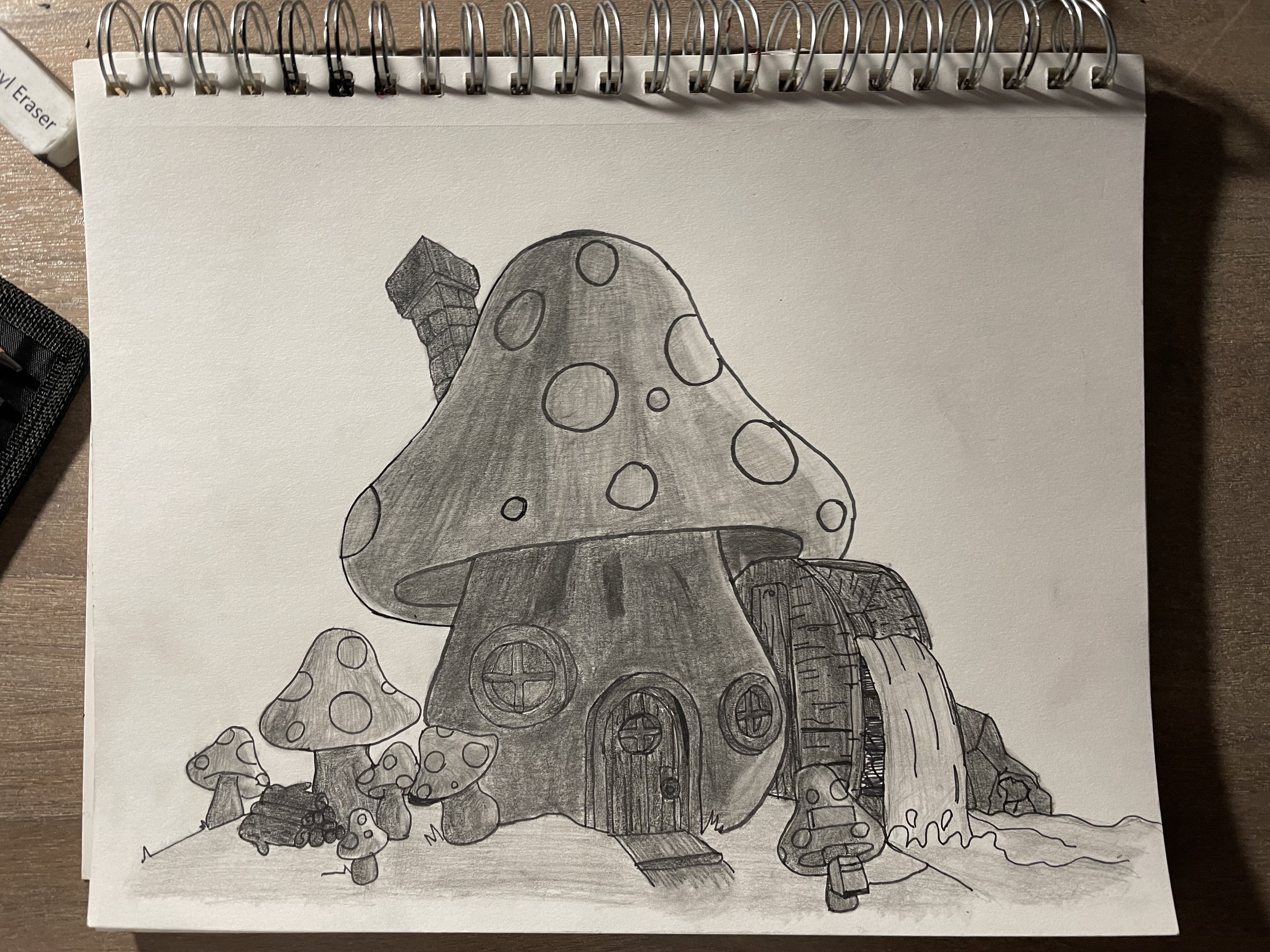
Art is often made alone, but it does not have to stay lonely. When people post their artwork in a shared thread, the post becomes a mini-gallery where every person gets wall space. Someone uploads a charcoal portrait. Another adds a digital fantasy landscape. A third person shares a ceramic mushroom that looks like it pays rent in an enchanted forest. Suddenly, a simple prompt becomes a room full of voices.
This kind of community feedback can be especially powerful because it is immediate. A friend might say, “Nice.” A stranger might say, “The lighting on that cat wizard is fantastic, and the tiny boots are sending me into orbit.” That specific reaction gives an artist something more valuable than a generic compliment: evidence that the work connected.
The Rise of Online Art Communities
Online art sharing is not new, but it has become more diverse. Long-running platforms such as DeviantArt helped normalize internet galleries for fan artists, illustrators, photographers, digital painters, and experimental creators. Behance became a professional showcase for designers, photographers, illustrators, and creative freelancers. ArtStation became a major platform for entertainment, game, film, and concept artists. Social media platforms added speed, visibility, and chaosthe three ingredients of modern internet soup.
What makes community prompts different from formal portfolios is tone. A portfolio says, “Here is my best work.” A community art post says, “Here is what I made, and I would love to share it with people who get it.” Both have value. One builds professional credibility. The other builds confidence, conversation, and creative momentum.
Why Bored Panda-Style Prompts Feel So Inviting
Community-driven sites and “show us your work” prompts feel welcoming because they celebrate variety. You do not need a gallery agent, a fancy camera, or a dramatic black turtleneck. You need a picture of your art and a few words about it. That is it. The barrier to entry is low, which means the range of submissions can be delightfully unpredictable.
One person might post a realistic honey bee drawing. Another might upload a self-portrait. Someone else might share a handmade comic, a polymer clay creature, or a paper-cut design that looks like it required the patience of a monk and the eyesight of a hawk. The fun is not only in seeing “the best” art. It is in seeing how many different ways people interpret creativity.
What Counts as Art? More Than You Think
One of the best things about a prompt like “Post Some Pics Of Your Art” is that it quietly destroys the idea that art must fit into a narrow category. Art can be polished or messy, traditional or digital, serious or ridiculous. It can be a portrait, a comic panel, a landscape, a handmade necklace, a painted skateboard, a paper sculpture, a 3D model, or a notebook doodle that somehow has more personality than half the people at a networking event.
Art can also be practical. A logo design is art. A poster is art. A decorated cake can be art before someone heroically eats it. A hand-lettered sign, a cosplay prop, a tattoo flash sheet, a miniature house, a quilt, a collage, and a carefully edited photograph all belong in the conversation.
Beginner Art Deserves Space Too
Many people wait too long to share their art because they believe they must reach some invisible skill level first. But sharing beginner art can be incredibly useful. It helps track progress, invites encouragement, and makes other beginners feel less alone. Nobody starts with perfect anatomy, flawless perspective, or color palettes that sing like a Broadway chorus. Most artists begin with awkward hands, suspicious-looking horses, and clouds that resemble mashed potatoes.
That is not failure. That is the starting line. Posting early work creates a record of growth. Six months later, an artist can look back and think, “Wow, I really improved,” followed by, “Why did all my characters have one enormous eye?” Both reactions are part of the journey.
How to Post Your Art Online Without Overthinking It
Sharing art should not require a 47-step ritual. Still, a few smart choices can make your post more engaging and easier to appreciate.
1. Use Clear Photos or Clean Exports
If your art is physical, photograph it in natural light when possible. Avoid harsh shadows, cluttered backgrounds, and angles that make a square canvas look like it is fleeing the scene. For digital art, export a high-quality image that does not blur the details. People cannot admire your linework if the file looks like it was emailed through a potato.
2. Add a Short Story
A picture is the star, but a short caption gives it a voice. Mention what inspired the piece, what materials you used, how long it took, or what you struggled with. For example: “I painted this fox in gouache after seeing one in my backyard,” or “This started as a warm-up sketch and turned into a dragon accountant.” A little context makes people more likely to comment.
3. Say Whether You Want Feedback
Not every artist wants critique every time. Sometimes you want advice. Sometimes you just want to celebrate finishing something. Be clear. Try phrases like “constructive feedback welcome,” “just sharing,” or “I would love tips on color and composition.” This helps viewers respond in the right spirit instead of arriving with a red pen and the emotional energy of a tax auditor.
4. Credit References and Collaborators
If your piece is based on a photo reference, fan character, tutorial, collaboration, or another artist’s prompt, give credit where appropriate. Credit is not a creativity tax. It is good community hygiene. It also shows that you respect the creative ecosystem you are participating in.
5. Protect Your Work Thoughtfully
Artists should understand that posting online does not mean giving up ownership. Copyright generally protects original visual artwork once it is created in a fixed form. Some artists also use watermarks, lower-resolution previews, portfolio links, metadata tools, or Content Credentials to help preserve attribution. If you want others to reuse your work, Creative Commons licenses can help define what is allowed. If you do not want reuse, say so clearly.
What Makes an Art Post Stand Out?
A strong art post does not always come from the most technically advanced artist. Often, it comes from clarity, personality, and emotional spark. Viewers are drawn to pieces that tell them something: a mood, a joke, a memory, a tiny fictional world, or a skill the artist obviously loved practicing.
For example, a realistic graphite drawing may stand out because of its detail. A messy sketchbook page may stand out because it feels alive. A digital painting may stand out because the lighting is dramatic. A handmade plush creature may stand out because it looks like it knows secrets. Different artworks win attention for different reasons.
Titles Help More Than You Think
Do not underestimate titles. “Untitled” is fine, but “The Moon Forgot Her Keys” gives viewers something to remember. A playful title can make a simple drawing feel like the beginning of a story. A specific title also helps with search visibility when your art appears on platforms that index posts.
Process Shots Are Internet Catnip
People love seeing how something was made. A finished painting is impressive, but a series showing sketch, color blocking, details, and final polish can be even more engaging. Process shots teach, entertain, and reassure other artists that every finished piece starts with a slightly haunted middle stage.
Art Feedback: How to Give It Without Being a Goblin
If someone posts art, the comment section can either become a garden or a dumpster fire. The difference is often feedback etiquette. Good feedback is specific, kind, and useful. Bad feedback sounds like it was written by a chair with Wi-Fi.
Instead of saying, “This is wrong,” try saying, “The character’s pose is expressive. If you want to push it further, you might check the shoulder angle because it feels slightly stiff.” That kind of comment gives the artist something to use. It also respects the fact that a human being made the work, not a vending machine that dispenses landscapes.
Use the Compliment-Question-Suggestion Method
A simple approach works well: notice something strong, ask a question, then offer one suggestion. For example: “The color palette feels warm and dreamy. Were you going for sunset lighting? You might deepen the shadows near the foreground to create more depth.” This keeps the conversation collaborative rather than judgmental.
Why Posting Art Can Help You Improve
Posting art creates accountability. When you share regularly, you begin noticing patterns in your work. Maybe your backgrounds are getting stronger. Maybe your faces are improving. Maybe every character still has the same mysterious left-facing pose, and now you know what to practice next.
Public sharing also helps artists develop taste. By looking at other submissions, you learn what catches your eye. Is it bold color? Clean composition? Texture? Humor? Emotional storytelling? The more you observe, the more you understand your own creative preferences.
Feedback Builds Artistic Vocabulary
When people comment on your work, they may use terms like contrast, value, silhouette, gesture, composition, texture, or focal point. Over time, this vocabulary helps you understand what is working and what needs attention. Art stops feeling like magic smoke and starts becoming a set of skills you can practice.
Sharing Art in the Age of AI and Attribution
Artists today are sharing work in a more complicated environment than they did a decade ago. Generative tools, repost accounts, scraped images, and unclear attribution have made creators more cautious. That does not mean artists should stop posting. It means they should post smarter.
Adding your name, handle, website, or watermark can help viewers find you if your image travels. Keeping original files, sketches, timestamps, and layered documents can support your authorship record. Tools such as Content Credentials are also part of a growing effort to make digital media more transparent by attaching information about the creator and creation process.
The goal is not paranoia. The goal is confidence. Share your work proudly, but do not treat the internet like a perfectly organized filing cabinet guarded by polite librarians. It is more like a raccoon with a smartphone. Label your snacks.
Creative Examples Worth Posting
If you are staring at the prompt and wondering what to upload, here are ideas that fit beautifully:
- A sketchbook page with your favorite doodles from the week
- A before-and-after improvement post showing old art beside new art
- A digital painting with a short explanation of your brushes or tools
- A handmade craft, sculpture, plush, or miniature
- A fan art piece with proper credit to the original franchise
- A traditional painting photographed in good lighting
- A comic strip, character design, poster, or concept art sheet
- A work-in-progress piece where you ask for specific advice
There is no single correct answer. The best post is the one that gets your art out of the folder, off the shelf, or out from under the bed where all ambitious sketchbooks go to become folklore.
Experience Section: What It Feels Like to Post Your Art
The first time you post your art online, it can feel weirdly dramatic. You are not climbing a mountain, wrestling a bear, or giving a wedding toast without notes, but your brain may act like you are doing all three while wearing roller skates. You hover over the upload button. You inspect the image again. You suddenly notice one tiny flaw you somehow missed for three weeks. The left hand looks odd. The background color feels too loud. The cat’s eyes are judging you. You consider deleting the whole thing and becoming a person who only appreciates clouds.
Then you post it.
For a few minutes, nothing happens. This is the internet’s favorite prank. You refresh. Still nothing. You refresh again, even though you know that is not how confidence is supposed to work. Then someone likes it. Maybe someone comments, “I love the texture!” Another person says, “The colors are so cozy.” Suddenly, the little private thing you made has crossed a bridge. It exists in someone else’s day now.
That feeling is powerful. It does not mean every post will go viral. Most art posts do not. And honestly, going viral is not always the dream people think it is. Sometimes the better experience is finding five people who genuinely understand what you were trying to do. A thoughtful comment can feel better than a thousand silent likes because it proves someone actually looked.
Posting art also teaches you emotional balance. You learn not to treat every number as a final judgment on your worth. Some pieces you love may get little attention. Some quick doodle you made while eating cereal may become everyone’s favorite. This is normal. The algorithm is not an art professor. It is a moody vending machine with sunglasses.
The healthiest experience comes from posting with a personal goal. Maybe you want to document progress. Maybe you want feedback on anatomy, color, or storytelling. Maybe you want to find friends who also draw frogs in tiny hats. When the goal is clear, the response becomes information instead of a verdict.
Over time, sharing gets easier. You start writing better captions. You learn which lighting makes your paintings look alive instead of vaguely haunted. You discover which communities are kind, which are useful, and which should be exited with the quiet dignity of someone backing away from a raccoon near a trash can. You learn to ask for the feedback you actually want. You learn to say thank you. You learn that not every opinion needs to move into your house and rearrange the furniture.
Most importantly, posting your art helps you see yourself as an artist in motion. Not finished. Not perfect. Not magically immune to awkward phases. Just active. Creating, sharing, learning, improving, and occasionally making something that surprises even you. That is the real charm behind “Hey Pandas! Post Some Pics Of Your Art!” It is not only a request for images. It is an invitation to participate.
And participation matters. The internet is overflowing with polished content, sponsored content, optimized content, and content that looks like it was assembled in a lab by people allergic to joy. A sincere art post cuts through that noise. It says, “A human made this.” In a digital world that can feel increasingly automated, that simple message is refreshing.
So post the painting. Post the sketch. Post the clay goblin. Post the embroidery, the digital portrait, the watercolor mushroom, the comic panel, the paper crane army, the handmade bookmark, the dramatic dragon, or the abstract piece your family keeps rotating sideways because nobody knows which direction is correct. Someone out there may smile, learn something, feel inspired, or finally gather the courage to share their own work.
Conclusion: Post the Art, Feed the Panda
“Hey Pandas! Post Some Pics Of Your Art!” is more than a cute community prompt. It is a reminder that creativity grows when it is shared. Online art spaces give beginners encouragement, hobbyists visibility, and experienced creators a chance to connect with people who appreciate the details. The best art-sharing posts are clear, personal, respectful, and honest about whether the artist wants feedback or simply wants to celebrate.
If you are an artist waiting for permission, consider this it. You do not need to be perfect. You do not need a gallery. You do not need to explain your entire creative identity in one caption. Just share something you made, tell us a little about it, and let the community meet your imagination. The pandas are ready. The upload button is right there. Try not to overthink itunless overthinking is your medium, in which case, congratulations, you are already a professional.