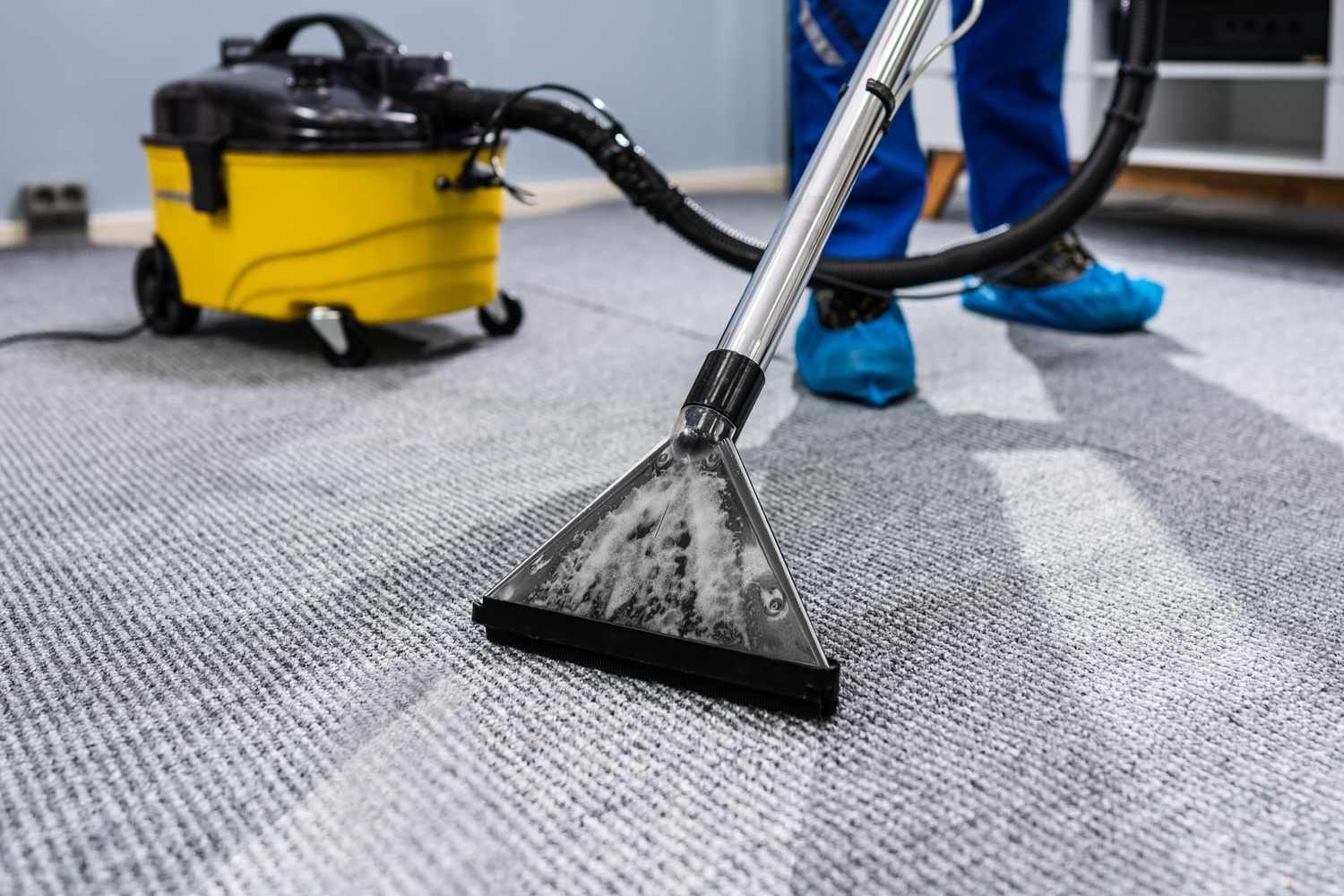
There are two kinds of homeowners in this world: the ones who say, “I can totally handle that,” and the ones who have already learned that a $14.99 cleaner, a YouTube video, and blind confidence are not the same thing as expertise. If you have ever attacked a household mess with a sponge and a dream, only to make it shinier in the wrong places, you are in good company.
Here is the truth: not every messy thing in your house needs a professional. You can wipe counters, vacuum floors, and scrub a sink without earning a certification patch. But some jobs are different. They involve fire hazards, hidden components, delicate materials, expensive finishes, or surfaces that react badly to the wrong cleaner. In those cases, “doing it yourself” can quickly become “paying twice.”
That is why smart homeowners know when to put down the spray bottle and back away slowly. Below are seven things in your home that should be left to a pro when they need real cleaning, plus the reasons that decision can save your money, your time, and your sanity.
Why some cleaning jobs are not really cleaning jobs at all
Deep cleaning is not always about making something look pretty. Sometimes it is about restoring airflow, preventing a fire, protecting a warranty, preserving a fragile textile, or avoiding damage that only shows up after the surface dries. A lot of professional cleaning is really technical maintenance wearing a polo shirt and carrying specialized equipment.
That is the part many homeowners miss. If a surface can etch, if a fiber can bleed, if a vent can ignite, or if a hidden component can bend, corrode, or clog, the stakes are much higher than a little leftover grime. So while the phrase professional cleaning services may sound fancy, in many cases it is really the safer, smarter, and cheaper choice.
1. Chimneys and Fireplace Flues
Why this is a pro job
Your fireplace may look charming, but your chimney is not a rustic decoration. It is a working vent system that can collect soot, debris, animal nests, and creosote, a highly flammable byproduct of burning wood. That buildup is not just ugly. It can increase the risk of chimney fires and poor venting.
A professional chimney sweep is not simply there to make the inside of the flue look cleaner. They inspect for cracks, blockages, liner problems, and dangerous buildup that most homeowners cannot see from the firebox. In other words, they are cleaning and checking the safety system at the same time.
What can go wrong with DIY cleaning
Plenty. You can miss heavy creosote deposits, fail to reach problem spots, or create an impressive black soot explosion that makes your living room look like a tiny coal mine. Even worse, you may assume the system is fine because you brushed out the easy-to-reach section while a more serious issue stays hidden higher up.
When to call a pro
If you use your fireplace regularly, notice smoky odors, see black shiny buildup, or have not scheduled a chimney inspection in a long time, make the call. This is one area where “good enough” is not actually good enough.
2. Dryer Vents
Why this is a pro job
People are great about cleaning the lint trap and then strangely optimistic about the rest of the dryer system. Unfortunately, lint does not stay politely in one place. It builds inside the vent duct, behind the machine, and in hard-to-reach stretches of the exhaust path. That buildup restricts airflow, makes the dryer work harder, and raises the risk of overheating and fire.
Professional dryer vent cleaning matters because the dangerous lint is often the lint you cannot see. A trained technician can disconnect the system safely, remove hidden buildup, check vent materials and routing, and make sure air is actually moving the way it should.
What can go wrong with DIY cleaning
Homeowners often clean only the easy section behind the dryer and assume the whole job is done. Meanwhile, lint is still hanging out deeper in the duct like it pays rent there. Tugging on vent connections, crushing flexible ducting, or reassembling things poorly can also create new problems.
When to call a pro
If your clothes are taking longer to dry, the laundry room feels hotter than usual, the outside vent flap barely opens, or you cannot remember the last full vent cleaning, this is not the moment to be casually adventurous.
3. Air Ducts and Interior HVAC Components
Why this is a pro job
This one needs a little nuance. Air duct cleaning is not something every home needs on a fixed schedule. If there is no visible contamination, no pest issue, no major dust discharge, and no moisture or mold problem, routine cleaning may not be necessary. But if your duct system does need cleaning, it should be done by a qualified professional using proper containment and equipment.
The reason is simple: a sloppy duct cleaning can blow contaminants around the house, damage parts of the HVAC system, or turn a targeted maintenance job into an all-day dust festival. Professionals clean more than just the visible register covers. The right ones address the system in a controlled, standards-based way.
What can go wrong with DIY cleaning
A vacuum hose and determination will not turn you into an HVAC specialist. Homeowners can loosen debris without removing it, push contaminants farther into the system, or mistake surface dust for a problem that does not actually need intervention. The biggest mistake is treating duct cleaning like a cosmetic task when it is really a mechanical one.
When to call a pro
Call when there is visible contamination, post-renovation debris, persistent odors tied to the system, evidence of pests, or airflow issues linked to buildup. And if you do hire someone, choose a company that treats the HVAC system as a system, not as a quick coupon special.
4. AC Evaporator and Condenser Coils
Why this is a pro job
Evaporator and condenser coils are essential to how your cooling system works. When they get dirty, efficiency drops, airflow suffers, and the unit has to work harder to cool your home. The catch is that these coils and their fins are delicate. Cleaning them properly takes the right approach, tools, and pressure. Too rough, and you can bend fins or damage parts that were not cheap to begin with.
A qualified HVAC professional can inspect the coil, clean it as needed, and spot related issues such as drainage problems, bent fins, or maintenance concerns that might be quietly draining your system’s performance.
What can go wrong with DIY cleaning
Homeowners tend to underestimate how fragile these components are. The result can be bent fins, water where it should not be, chemical misuse, or an accidental upgrade from “dirty coil” to “service call with bad news.”
When to call a pro
If your AC is running longer, cooling less effectively, or you are scheduling seasonal maintenance anyway, have the coils inspected by an HVAC contractor. This is a classic case of preventive care being cheaper than heroic repairs.
5. Natural Stone Counters, Floors, and Shower Walls
Why this is a pro job
Stone is beautiful, durable, and surprisingly dramatic. Marble, limestone, travertine, and even some granite surfaces can react badly to acidic or abrasive cleaners. Vinegar, lemon-based cleaners, and harsh scrubbing products may sound natural or powerful, but on natural stone they can dull, etch, or scratch the finish.
Routine maintenance is usually simple: gentle products, soft cloths, and pH-friendly care. But when stone needs deep cleaning, stain treatment, soap scum removal, sealer correction, honing, or polishing, that is professional territory. A pro knows the difference between a stain, an etch mark, and surface wear, which is important because those three things do not get fixed the same way.
What can go wrong with DIY cleaning
The classic disaster is trying to “clean” an etched stone surface with something stronger, then wondering why the dull spot got larger. Many homeowners also scrub too aggressively, use the wrong chemistry, or attempt stain removal with internet remedies that sound clever and work terribly.
When to call a pro
Call for cloudy marble, stubborn shower buildup, dark oil stains, ring marks, etched vanity tops, or stone floors that have lost their finish. Stone can look tough, but it absolutely holds grudges.
6. Wool, Silk, Oriental, and Heirloom Rugs
Why this is a pro job
Not all rugs are created equal. A machine-made synthetic rug from a big-box store and a hand-knotted wool runner are not cousins. They are not even casual acquaintances. Fine area rugs often require fiber-specific cleaning, dye stability testing, controlled drying, and methods that protect fringe, backing, and structure.
Professional rug cleaning is not just about removing dirt. It is about preserving the life, color, shape, and value of the rug. That is especially important for wool, silk, Oriental, Persian, and heirloom rugs, where one bad cleaning attempt can lead to color bleed, shrinkage, distortion, or a permanently rough feel.
What can go wrong with DIY cleaning
A rented carpet machine may do an acceptable job on some broadloom carpet, but it can be a terrible idea for a delicate area rug. Over-wetting, aggressive detergents, and poor drying can leave odors, warped foundations, and dyes that migrate like they are fleeing the country.
When to call a pro
If the rug is expensive, old, handwoven, wool, silk, or emotionally significant, do not experiment. Get it cleaned by someone who specializes in rugs, not just general floor cleaning.
7. Delicate Upholstery, Fabric Shades, and Draperies
Why this is a pro job
Fabric-covered furniture and window treatments can look durable right up until the moment they develop water rings, shrink, fade, pucker, or lose their shape. Many upholstered items have cleaning codes that matter more than people realize. If a piece is marked “S” or “X,” that is your clue that standard at-home wet cleaning is not the right move. “X” in particular is basically your furniture tag saying, “Please stop improvising.”
Fabric shades and high-end draperies can be equally finicky. Some respond well to light dusting and careful maintenance, but deep stains, embedded debris, or delicate fabrics often require trained textile-safe methods. For antique or fragile textiles, professional conservation-level advice is the smartest route of all.
What can go wrong with DIY cleaning
Too much moisture can leave rings. Wrong solvents can damage finishes. Over-scrubbing can rough up fibers. And the old “I just sprayed a little cleaner on it” approach has ended many a beautiful chair’s career. The same goes for shades and drapes, which can lose pleats, shrink, or deform if cleaned improperly.
When to call a pro
Call when the care code says professional-only, when the fabric is silk, velvet, lined, structured, or designer-grade, or when the item is something you really do not want to replace out of shame.
How to choose the right professional cleaning service
Not every company with a van and a cheerful logo is the same. For higher-risk jobs, look for specialists who work in that exact category. Ask what methods they use, whether they handle inspection as part of the service, whether they are familiar with industry standards, and whether they have experience with your material or system.
You should also be suspicious of cleaning promises that sound a little too magical. No serious professional should pretend that every air duct always needs cleaning, every rug can be treated the same way, or every stain disappears with one mystery solution. Real experts sound specific because the work is specific.
Final thoughts
A clean home feels great. A home that is clean and safe feels even better. The smartest homeowners are not the ones who do everything themselves. They are the ones who know which jobs deserve a microfiber cloth and which ones deserve someone with training, tools, insurance, and a much better vacuum than the one in the hall closet.
So yes, keep tackling the ordinary stuff. Wipe the counters. Vacuum under the couch. Finally clean that one mystery shelf in the fridge. But when it comes to chimney cleaning, dryer vent cleaning, air duct cleaning, upholstery cleaning, natural stone care, rug washing, or delicate window treatments, let a pro take the wheel. Some household messes are not character-building. They are invoice-building.
Extra homeowner experiences: what people usually learn the hard way
Talk to enough homeowners and you start hearing the same story in different outfits. Someone notices the dryer is taking two cycles instead of one. They assume the machine is “getting old,” until a professional pulls out a terrifying amount of lint from the vent line and suddenly the dryer works like it just got a promotion. Another homeowner decides to freshen up a marble bathroom with vinegar because the internet said vinegar cleans everything. Technically, it cleaned the shine right off the stone. That is not the kind of before-and-after photo anyone wants.
Fireplace stories are even more humbling. A lot of people think that if smoke is going up, everything must be fine. Then a chimney technician shows them creosote buildup, a partial blockage, or damage they never would have spotted with a flashlight and optimism. The same pattern shows up with upholstery. A spill happens, panic sets in, and the homeowner starts dabbing, rubbing, spraying, blotting, and bargaining with the universe. Twenty minutes later the stain is larger, the fabric is streaky, and the cushion looks personally offended.
Rugs have their own genre of regret. Someone inherits a beautiful wool or Oriental rug, decides to save money, rents a machine, and ends up with colors that bleed, a musty smell, and a rug that now looks like it has been through an emotional event. Delicate window treatments are similar. People assume that if curtains are fabric, they can be cleaned like any other fabric. Then the lining puckers, the pleats go crooked, or the shade loses its shape. Suddenly the original cleaning bill seems like a bargain.
The common thread in all these experiences is not that homeowners are careless. It is that the job looked simpler than it was. Most people are trying to be responsible. They want to maintain their homes, avoid waste, and save money. That instinct is good. The problem is that some parts of the home are more technical, more fragile, or more hazardous than they appear on the surface.
The best outcome is usually the boring one: a trained professional comes in, uses the right method, fixes the actual problem, and leaves you wondering why you almost tried to do it yourself with a grocery-store cleaner and unreasonable confidence. That is not defeat. That is wisdom. Homeownership has a funny way of teaching that lesson over and over again. Sometimes being handy means knowing when not to touch the thing.