Celebrity pranks are supposed to be harmless: a fake parking ticket, a surprise confetti cannon, maybe a celebrity hiding behind a couch and yelling “boo” while everyone pretends not to notice the camera crew. But fame has a dangerous way of inflating ordinary bad ideas until they become full-blown public relations bonfires. Add millions of viewers, social media outrage, lawyers, television producers, and at least one person who says, “Trust me, this will be hilarious,” and suddenly the joke has left the building wearing a disguise and carrying a lawsuit.
The strange thing about famous prank scandals is that many of them begin with a simple assumption: because the target is rich, famous, or camera-ready, they can handle anything. That assumption is usually where the trouble starts. Celebrities are still people. Workers on sets are still workers. Emergency phone lines are still emergency phone lines. And a prank that depends on fear, humiliation, danger, or confusion can stop being comedy faster than a talk-show host can say, “We’ll be right back after these messages.”
Below are seven real celebrity pranks that backfired horrifically, from Hollywood set chaos to radio scandals, legal threats, public backlash, and moments that made audiences ask the most important question in prank history: “Who approved this?”
1. The Royal Hospital Prank Call That Became a Global Scandal
Some pranks age badly. Others are immediately radioactive. In 2012, two Australian radio hosts called the London hospital where Catherine, then the Duchess of Cambridge, was being treated during pregnancy. Pretending to be members of the royal family, they were transferred through the hospital system and private medical details were discussed on air.
What might have been pitched as a cheeky radio stunt became one of the darkest prank scandals in modern media. A nurse connected to the call later died, and the backlash became international. The station pulled programming, the hosts were widely criticized, and regulators examined how the call had been made and broadcast. It was no longer a “gotcha” moment. It was a case study in what happens when entertainment crosses into privacy, professional pressure, and real human consequences.
Why it backfired
The prank targeted people who were simply doing their jobs in a sensitive medical setting. The famous person was not even the one answering the phone. That detail matters. The people most exposed to the fallout were staff members who never signed up to be part of a comedy bit. In celebrity prank history, this is one of the clearest reminders that a joke can travel far beyond its intended target.
2. Paris Hilton’s Fake Plane Emergency That Made Viewers Squirm
In 2015, Paris Hilton appeared on an Egyptian prank show hosted by Ramez Galal. During what was presented as an aerial tour in Dubai, the program staged a fake plane emergency. The footage showed Hilton terrified as the situation appeared to spiral out of control. The clip spread quickly online, and many viewers did not laugh so much as wince through their screens.
Reports at the time said Hilton was considering legal action. Later coverage raised questions about whether celebrity guests may have been given some kind of production disclosure, making the full reality of the prank murkier than it first seemed. But from a viewer-experience standpoint, the damage was done. The segment looked less like comedy and more like a panic attack with camera angles.
Why it backfired
Fear-based pranks are risky because they rely on the target believing something awful is happening. Once the fear feels too real, the audience often turns against the prankster. A celebrity crying on a plane is not automatically “good television.” Sometimes it is just proof that a producer confused cruelty with suspense.
3. The Game’s Twitter Prank That Jammed Sheriff’s Phone Lines
In 2011, rapper The Game became the center of a very modern prank disaster. A phone number was posted to his large Twitter following, presented as a way to apply for an internship. The problem: the number belonged to a Los Angeles County Sheriff’s Department station in Compton. Hundreds of calls flooded in, tying up phone lines that were supposed to be used for public safety.
Authorities were not amused. Reports said the department investigated the incident and considered possible charges before eventually deciding not to pursue criminal action. The Game later apologized, calling it a joke gone wrong. That phrase, “joke gone wrong,” has done heroic amounts of cleanup work for bad decisions across entertainment history.
Why it backfired
A prank that interferes with public services stops being silly immediately. Fans may think they are joining a celebrity’s inside joke, but when thousands of people follow instructions at once, the result can become a real-world disruption. Social media gives celebrities a megaphone; using it for a prank without checking consequences is like handing a toddler a leaf blower in a room full of receipts.
4. Russell Brand and Jonathan Ross’s Voicemail Scandal
British entertainers Russell Brand and Jonathan Ross sparked a major broadcasting scandal after leaving crude prank messages for actor Andrew Sachs, best known for Fawlty Towers. The messages, involving offensive comments about Sachs’s granddaughter, were broadcast on BBC Radio 2 and triggered a storm of complaints.
The fallout was severe. The BBC was fined, Brand resigned from his radio show, Ross was suspended, and the incident became a media ethics landmark. The prank did not simply annoy listeners; it raised serious questions about consent, editorial judgment, and whether famous performers were being protected by a culture that mistook shock value for wit.
Why it backfired
The target of the joke was not a willing participant, and the humiliation spilled onto a family member who had not agreed to become part of the broadcast. The best celebrity humor punches up, sideways, or at least into a cushion. This one punched into somebody’s private life and then seemed surprised when the room went silent.
5. Zach Braff’s Punk’d Car Prank Went Off the Rails
MTV’s Punk’d built an empire on making celebrities believe their lives were temporarily falling apart. One notorious setup involved Scrubs star Zach Braff. The prank reportedly made him believe that young actors had vandalized his expensive Porsche with spray paint. The plan was for Braff to be shocked, Ashton Kutcher to appear, and everyone to laugh under the warm glow of early-2000s trucker-hat television.
Instead, Braff reacted intensely. Reports over the years have described the confrontation as much more physical and chaotic than the edited television version showed. The segment became one of the most infamous examples of a prank show misjudging how someone might respond when they believe their property is being destroyed in real time.
Why it backfired
Hidden-camera shows depend on controlling the environment, but they cannot fully control human instinct. When a target believes a real crime is happening, they may not react like a sitcom character. They may panic, chase, shout, or do something nobody in the control room planned for. The lesson is simple: if a prank requires someone to believe they are being victimized, the producers had better be ready for a reaction that is not cute.
6. The Titanic Chowder Incident That Sent People to the Hospital
During production of James Cameron’s Titanic, around 50 cast and crew members were rushed to the hospital after eating lobster chowder at a midnight buffet in Nova Scotia. Investigators later found that the food had been laced with PCP. The person responsible was never publicly identified, and reports at the time left open whether it was a prank, a mistake, or something more malicious.
Even calling it a prank feels almost too generous. Still, it has long circulated in Hollywood lore as one of the most outrageous set incidents ever attached to a major film. Bill Paxton, James Cameron, and others were affected, and filming had to recover from a night that was supposed to be dinner and became a medical emergency.
Why it backfired
Food tampering is not a joke. It removes consent completely and puts people at risk without warning. The Titanic incident is a brutal reminder that “everybody will laugh later” is not a safety plan. On a film set, where hundreds of people depend on schedules, health, and trust, one reckless act can turn a production into chaos faster than you can say, “I’m king of bad decisions.”
7. Jonah Hill’s Sushi Revenge on Leonardo DiCaprio
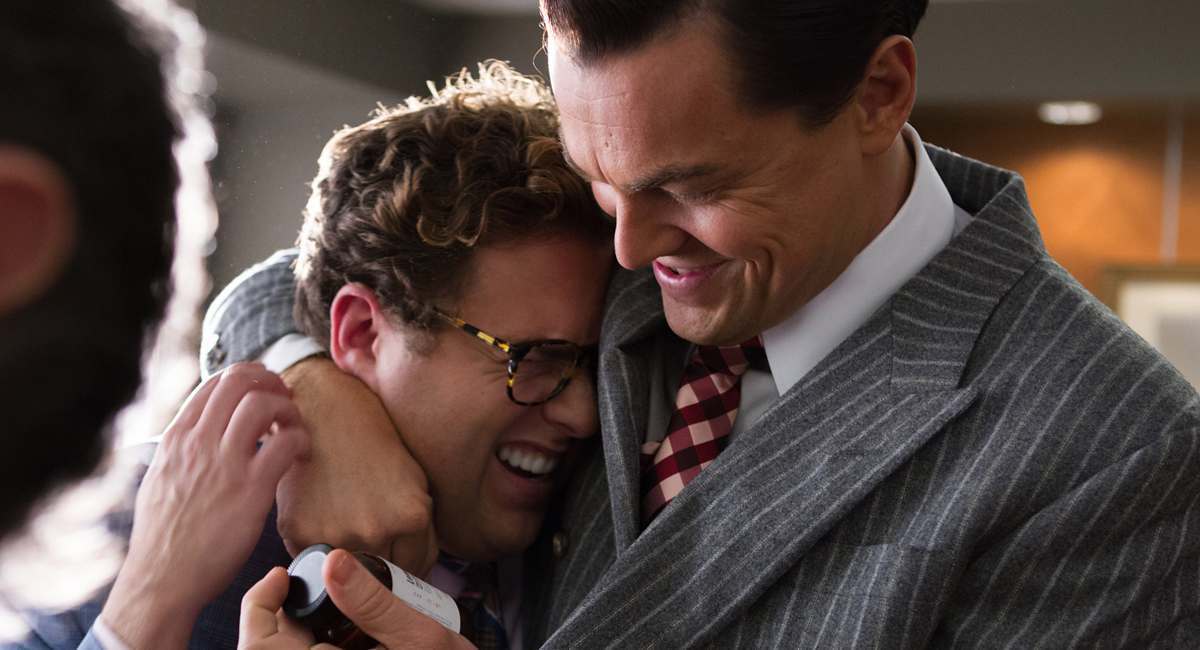
Compared with the others on this list, Jonah Hill’s prank on Leonardo DiCaprio during The Wolf of Wall Street sounds almost charming at first. During a scene involving sushi, Hill reportedly improvised so that DiCaprio’s character had to eat the final piece instead of Hill’s character. Because film scenes require continuity, DiCaprio had to keep eating the same type of sushi across repeated takes.
The story became famous because DiCaprio reportedly had to eat piece after piece until the joke became physically miserable. It was not a legal catastrophe or a public safety scandal, but it is a perfect Hollywood example of how a tiny improvisational prank can become punishment when cameras keep rolling.
Why it backfired
On a movie set, repetition is the monster hiding under the bed. One bite is funny. Dozens of bites become a stomach negotiation. The prank worked as comedy because it stayed within the scene, but it also shows how quickly “just one more take” can transform a clever joke into a regret with chopsticks.
What These Celebrity Pranks Have in Common
At first glance, these stories look wildly different: a radio call, a fake plane emergency, a social media stunt, a prank show setup, a movie-set incident, and an improvised sushi trap. But underneath the glitter and bad judgment, they share the same pattern. The prankster controls the script. The target does not.
That imbalance is why celebrity pranks can become so uncomfortable. The audience knows there is a joke. The victim believes there is a crisis. The production team knows the “spray paint” is fake, the phone call is staged, or the emergency is invented. The person at the center may only know that something frightening, embarrassing, or damaging seems to be happening right now.
The best pranks create surprise without causing harm. The worst pranks create panic and then demand that the target laugh afterward. That is not comedy. That is emotional invoicing.
Experience-Based Lessons From Pranks That Went Too Far
Anyone who has watched a prank collapse can recognize the exact moment the mood changes. The laugh track disappears from your brain. The target stops looking confused and starts looking genuinely distressed. The people behind the camera begin to sound nervous. Suddenly, the prank is no longer a clever trick; it is a group project in poor judgment, and everyone is getting a failing grade.
The first practical lesson is that surprise is not the same as fear. A surprise birthday party may make someone jump, smile, and hug people. A fake disaster, fake arrest, fake medical emergency, or fake public humiliation can make someone feel trapped. Those are completely different emotional experiences. Good comedy lets the target recover quickly. Bad comedy leaves them asking whether they can trust the people around them.
The second lesson is that consent matters more than cleverness. Prank culture often tries to solve consent afterward: “Now that you know it was fake, are we cool?” That is not always fair. The target has already lived through the fear, embarrassment, or confusion. In workplaces, film sets, hospitals, restaurants, airports, and public spaces, people are not props. They are doing jobs, protecting reputations, and trying to get through the day without becoming a trending topic.
The third lesson is that fame does not make someone prank-proof. Celebrities may have public lives, but that does not mean every private boundary is available for entertainment. If anything, famous people often have more reason to react strongly because their worst moments can be clipped, memed, and judged forever. The internet has a long memory and the emotional maturity of a raccoon in a snack aisle.
The fourth lesson belongs to creators: never design a prank where the “funny part” depends on someone believing they are unsafe, ruined, exposed, or responsible for a disaster. That kind of setup may create intense footage, but intensity is not the same as humor. A prank should have an escape hatch, a safety check, and a punchline that does not require therapy, legal counsel, or a public apology tour.
The final lesson is for audiences. We can enjoy silly surprises without rewarding cruelty. When viewers stop clicking on humiliation disguised as comedy, producers notice. When fans praise harmless creativity over panic-based content, prank culture improves. The funniest joke is not the one that hurts the most. It is the one everybody can laugh about after the reveal, including the person who got pranked.
Conclusion: When the Joke Becomes the Headline
Celebrity pranks backfire because fame magnifies everything: the setup, the reaction, the criticism, and the consequences. A joke that might be awkward in a living room can become a career scandal on television. A prank call can become a regulatory case. A fake emergency can become a public debate about cruelty. A social media gag can interfere with real services.
The seven stories above prove that the line between hilarious and horrible is not thin; it is clearly marked. The problem is that some people sprint across it while holding a camera. The safest rule is also the simplest: if the prank requires fear, humiliation, danger, or strangers being dragged into someone else’s content machine, it probably belongs in the trash folder next to “reply all” emails and celebrity apology notes written in Notes app font.
Comedy works best when the surprise is playful, the target is respected, and the reveal brings relief instead of regret. Otherwise, the prank does not just backfire. It becomes the headline.