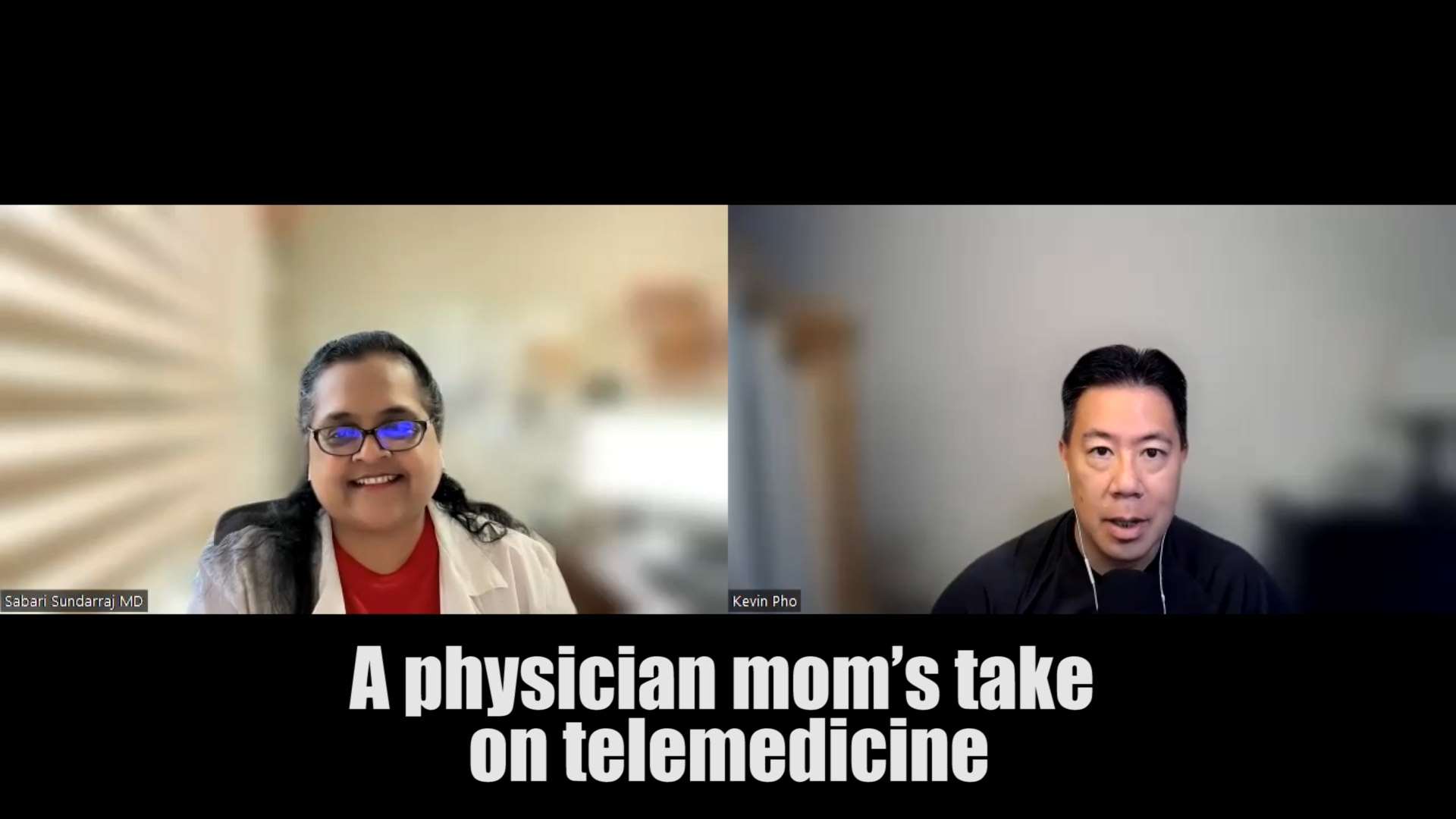
Telemedicine used to sound like something from a futuristic medical drama: a doctor on a screen, a patient at home, and maybe a robot rolling in with a stethoscope and too much confidence. Today, it is much more ordinaryand much more useful. For many families, a virtual care visit is now as normal as ordering groceries online, checking a school app, or texting the pediatrician’s office to ask whether that mystery rash is “normal kid stuff” or “please wash every stuffed animal immediately.”
From a physician mom’s point of view, telemedicine is not a replacement for traditional medicine. It is a smarter front door. It helps patients get advice sooner, helps parents avoid unnecessary waiting-room marathons, and gives clinicians another way to keep care moving when life gets messy. And life with children is, medically and logistically, very messy.
The real value of telemedicine is not that it makes health care glamorous. It does not. No one looks elegant holding a phone flashlight toward a child’s throat while negotiating with a toddler who believes “say ahh” is a trap. The value is that telehealth can make care more accessible, practical, and timelywhen it is used wisely.
What Telemedicine Really Means Today
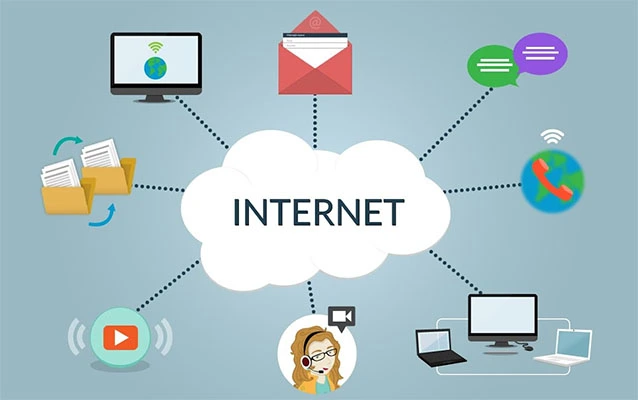
Telemedicine, also called telehealth or virtual care, refers to health services delivered remotely through video visits, phone calls, secure messaging, patient portals, remote monitoring devices, and digital follow-up tools. In everyday language, it means you can connect with a health professional without physically sitting in an exam room.
That can include a video visit for a medication check, a phone call about test results, a virtual therapy appointment, remote blood pressure monitoring after pregnancy, diabetes follow-up, pediatric triage, dermatology image review, or a quick discussion about whether symptoms need urgent in-person evaluation.
But telemedicine is not simply “medicine on Zoom.” Good telemedicine still requires clinical judgment, privacy protections, documentation, appropriate prescribing, clear follow-up, and the humility to say, “This needs to be seen in person.” The screen is a tool, not a magic wand with Wi-Fi.
Why Physician Moms Often Appreciate Telemedicine
Physician moms see health care from both sides of the exam table. They understand why a clinician needs a full history, accurate medication list, and sometimes a hands-on physical exam. They also understand the chaos of trying to schedule an appointment between school pickup, work calls, nap time, dinner, and the sudden discovery that someone used glitter glue on the dog.
That dual perspective makes telemedicine especially interesting. It can save time, reduce travel, and keep minor issues from becoming major disruptions. It can also help families avoid exposing newborns, older relatives, or immunocompromised family members to crowded waiting rooms when an in-person visit is not necessary.
For busy parents, the convenience is obvious. A 15-minute video visit may prevent a half-day of missed work. A secure message may answer a medication question without requiring a commute. A virtual follow-up can help a patient stay on track after surgery, childbirth, medication changes, or chronic disease care.
Where Telemedicine Works Beautifully
Telemedicine shines when the concern can be evaluated through conversation, observation, records, images, or home measurements. It is often helpful for medication refills, mental health care, chronic condition check-ins, lab result reviews, lifestyle counseling, sleep concerns, contraception counseling, breastfeeding support, postpartum mood screening, allergy discussions, and many common pediatric questions.
Chronic Disease Follow-Up
For conditions like high blood pressure, diabetes, asthma, migraine, anxiety, depression, and thyroid disease, virtual visits can be surprisingly effective. If a patient has home blood pressure readings, glucose logs, medication updates, and a clear symptom history, a clinician can often make meaningful decisions remotely.
Remote patient monitoring can also help doctors spot trends earlier. A single blood pressure reading in an office may be useful, but a week of home readings may tell a richer story. Telehealth can turn scattered information into a more continuous picture of health.
Mental Health Care
Mental health is one of the areas where telemedicine has become deeply important. Therapy, psychiatric medication follow-ups, postpartum depression screening, anxiety management, and behavioral health coaching often fit well into virtual care. For parents, the ability to attend therapy from home can be the difference between actually getting help and adding “find childcare for therapy” to the impossible list.
Pediatric Triage
Parents often need help deciding what level of care is appropriate. Is the cough safe to watch? Does the rash need same-day attention? Is the fever pattern concerning? A telemedicine visit can help sort through these questions, especially when the child is active, drinking fluids, breathing comfortably, and otherwise stable.
However, pediatric telehealth should be used carefully. Babies, children with breathing problems, dehydration, severe pain, injuries, or rapidly worsening symptoms often need in-person care. A good virtual clinician knows when to stop being virtual.
Women’s Health and Postpartum Care
Telemedicine can be especially helpful during pregnancy and after delivery. Some prenatal counseling, postpartum mood checks, blood pressure follow-up, contraception discussions, lactation support, and recovery questions can be handled virtually. For a new mother recovering physically while caring for a newborn, not having to pack a diaper bag, car seat, backup outfit, and emotional support snack can feel like modern civilization at its finest.
Where Telemedicine Falls Short
Telemedicine has limits, and those limits matter. A doctor cannot listen to lungs through a standard video call, press on an abdomen, test reflexes, examine an ear canal, repair a cut, give vaccines, perform imaging, or run certain urgent tests through a laptop. Even the best video connection cannot replace hands-on medicine when hands-on medicine is needed.
Telemedicine is not ideal for chest pain, severe shortness of breath, stroke symptoms, major injuries, severe allergic reactions, uncontrolled bleeding, fainting, sudden severe headache, severe abdominal pain, or a child who looks very ill. In those situations, urgent care, emergency care, or an in-person clinician is the safer path.
The biggest mistake is treating telemedicine as a shortcut when it should be a bridge. A bridge gets you to the right place. A shortcut sometimes drops you into a swamp wearing office shoes.
The Privacy Piece: Yes, It Matters
Patients should expect telemedicine to be private, secure, and professional. Clinicians should use appropriate platforms, follow HIPAA requirements, protect patient data, and conduct visits in settings where sensitive information is not casually shared with the surrounding universe.
Patients also play a role. A virtual visit from a quiet room is better than one from a grocery store checkout line, a crowded coffee shop, or a car full of relatives who suddenly become amateur medical consultants. Privacy helps patients speak honestly, and honesty is fuel for good care.
Access Is the Big Promiseand the Big Problem
Telemedicine can improve access for people in rural communities, people with mobility challenges, working parents, caregivers, patients without reliable transportation, and those who live far from specialists. It can reduce travel time and help patients keep appointments they might otherwise miss.
But access is not automatic. Telehealth depends on broadband, devices, digital literacy, language support, disability accommodations, insurance coverage, and state-by-state rules. A virtual visit is not convenient if the patient has no reliable internet, no private place to talk, or no idea how to make the portal stop demanding a password with one symbol, two numbers, and the emotional strength of a Navy SEAL.
This is why telemedicine should be designed around real people, not ideal users. Older adults may prefer phone visits. Patients with limited English proficiency need interpreter access. Families with low bandwidth need flexible options. People with disabilities may need captioning, audio-only alternatives, or caregiver participation. Equity must be built into telehealth from the start.
Licensing, Coverage, and the Practical Details Patients Rarely See
Behind every smooth virtual appointment is a complicated world of rules. Physicians generally must follow licensing requirements based on where the patient is located during the visit. Insurance coverage varies. Medicare telehealth policies have changed several times since the pandemic, and many rules continue to evolve. Some services may be covered from home; others may depend on the type of care, location, provider, plan, or current federal and state policy.
Patients do not need to become billing experts, but they should ask practical questions before booking: Is this visit covered? Will it be billed like an office visit? Is audio-only allowed? Can this provider see me if I am traveling in another state? Do I need an in-person visit first? These questions are not glamorous, but neither is a surprise bill wearing a party hat.
How to Prepare for a Better Telemedicine Visit
A successful virtual care visit starts before the clinician appears on screen. Patients can make the appointment more useful by preparing a short symptom timeline, medication list, allergy list, pharmacy information, recent vital signs, and specific questions.
Before the Visit
Check your internet connection, test the link, charge your device, and choose a private place with decent lighting. If the visit is for a child, keep the child nearby. This sounds obvious, but pediatric telehealth has a special way of beginning with, “He was right here a second ago,” followed by a search party.
For rashes, swelling, wounds, or eye concerns, send clear photos if the clinic allows it. Use good lighting and include one close-up and one wider photo for context. For blood pressure visits, take readings as instructed. For diabetes follow-up, have glucose numbers available. For medication questions, bring the bottle or package to the screen.
During the Visit
Be direct about the main concern. Mention red flags, symptom duration, fever, pain level, breathing changes, eating and drinking, urination, pregnancy status if relevant, current medications, and any recent exposures or travel. If something worries you most, say it clearly. Clinicians are trained to interpret symptoms, not read minds through pixels.
After the Visit
Write down the plan. Know what to do next, what symptoms should trigger urgent care, when to follow up, and how to get prescriptions, labs, imaging, or referrals. A virtual visit should end with clarity, not a vague feeling that something medical happened on your laptop.
Telemedicine From the Doctor’s Side
For physicians, telemedicine can be rewarding and exhausting at the same time. It improves access, but it also requires careful workflow. Doctors need reliable technology, documentation systems, staff support, patient education, privacy protocols, and realistic scheduling. A virtual visit still takes clinical effort. Sometimes it takes more effort because the clinician must compensate for limited physical examination.
Physicians also have to manage “digital spillover.” Patient portal messages, remote monitoring alerts, refill requests, and follow-up questions can improve care, but they can also overwhelm clinicians if systems are not designed well. Telemedicine should not mean doctors are available everywhere, all the time, forever, like a medical vending machine with student loans.
The best telehealth systems protect both patients and clinicians. They create clear boundaries, appropriate appointment types, fair reimbursement, team-based support, and smooth transitions to in-person care when needed.
A Physician Mom’s Practical Take: Telemedicine Is a Tool, Not a Shortcut
The most balanced view is simple: telemedicine is excellent when it is the right kind of care for the right problem at the right time. It is not excellent when it delays needed in-person evaluation or creates fragmented care. The goal should not be “virtual first” or “office first.” The goal should be “patient first.”
For families, telehealth can reduce friction. For clinicians, it can extend care beyond clinic walls. For health systems, it can improve follow-up and reduce missed appointments. But none of that happens automatically. Telemedicine works best when patients know how to use it, physicians know when to escalate, and policies support safe, equitable access.
A physician mom may love telemedicine because it respects the reality of family life. But she will also be the first to say that some things need a stethoscope, a pulse oximeter, a lab test, an X-ray, or a doctor standing in the room. Wisdom is knowing the difference.
Real-Life Experiences Related to a Physician Mom’s Take on Telemedicine
One of the most relatable experiences in modern parenting is the “Is this worth a visit?” moment. It usually happens at 7:42 p.m., when the pediatrician’s office is closed, the child has developed a suspicious symptom, and everyone in the house suddenly has opinions. A physician mom may know more medical facts than the average parent, but she still faces the same emotional math: Is this serious? Can it wait? Am I underreacting? Am I overreacting? Why do children schedule symptoms like tiny hospital administrators?
Telemedicine can calm that moment. A virtual visit does not always solve the problem completely, but it can provide a structured next step. A clinician can review the timeline, ask targeted questions, look at the child’s breathing, assess hydration, examine a rash on camera, and decide whether home care, next-day follow-up, urgent care, or emergency evaluation makes sense. For parents, that guidance is often the difference between a sleepless night of internet searching and a plan that feels grounded.
Another common experience is postpartum care. New mothers are often asked to attend follow-up appointments during a season when leaving the house feels like preparing for a small expedition. A telehealth check-in for mood symptoms, blood pressure review, breastfeeding concerns, incision questions, or medication adjustments can feel humane. It tells the patient, “Your care matters, and we will not make you climb a mountain of logistics to receive it.”
For working parents, telemedicine can protect both health and employment. A parent may be able to step into a private room during lunch for a follow-up instead of taking half a day off. A teacher, nurse, office worker, freelancer, or small business owner may be more likely to keep an appointment if it does not require traffic, parking, waiting, and rearranging the entire household calendar. That matters because health care only works when people can realistically access it.
Telemedicine also helps with the less dramatic but deeply important parts of care: medication questions, lab reviews, chronic disease coaching, mental health follow-up, and preventive counseling. These visits may not sound exciting, but they are where long-term health is often built. A ten-minute conversation about blood pressure habits, sleep, side effects, or anxiety symptoms can prevent bigger problems later.
Still, the experience is not always smooth. Technology fails. Portals lock people out. Video freezes at the least flattering angle known to science. A child may refuse to appear on camera after spending the previous hour trying to appear in every camera. Some patients feel rushed. Some clinicians feel buried under digital tasks. Some medical concerns simply do not translate well through a screen.
That is why the best physician-mom perspective is both enthusiastic and cautious. Telemedicine can be a gift, but it should be used with common sense. It is wonderful for access, follow-up, counseling, monitoring, and triage. It is not wonderful for emergencies, complex physical findings, or situations where the clinician cannot safely answer the question remotely.
In real life, telemedicine is not about replacing the doctor’s office. It is about giving families another door into care. Sometimes that door opens to reassurance. Sometimes it opens to a prescription, a referral, a therapy session, or a monitoring plan. And sometimes it opens to the very clear instruction: “You need to be seen in person today.” All of those outcomes are valuable when they move the patient toward the right care.
Conclusion: The Future of Telemedicine Should Be Human
Telemedicine is no longer a temporary workaround. It is part of modern health care. But its future should not be measured only by app downloads, video visit counts, or shiny digital platforms. The real measure is whether it helps patients get safer, faster, more appropriate care without leaving behind people who lack technology, broadband, privacy, language access, or insurance support.
A physician mom’s take on telemedicine is practical: use it, appreciate it, improve it, and respect its limits. Virtual care can save time, reduce stress, improve follow-up, and support families in the messy middle of real life. But good medicine still depends on trust, clinical judgment, listening, and knowing when a screen is enoughand when it is absolutely not.
In the best version of the future, telemedicine will not feel like a lesser substitute. It will feel like one smart part of a connected care system: convenient when possible, in-person when necessary, and always centered on the patient. That is the kind of digital health worth keeping, even after the toddler has ended the visit by pressing every button on the keyboard.