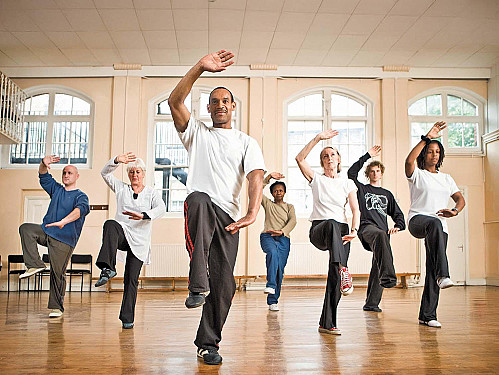
Winter is beautiful until your driveway decides to become a skating rink, your boots grow opinions, and the grocery store entrance turns into a tiny Olympic event. For many peopleespecially older adultscold weather does more than make noses red. It can challenge balance, confidence, mobility, and everyday independence. That is exactly why tai chi deserves a front-row seat in your winter wellness routine.
Tai chi is a slow, gentle, flowing form of movement often described as “meditation in motion.” But do not let the calm pace fool you. Behind those graceful steps is a surprisingly practical balance-training system. It teaches your body to shift weight, control posture, coordinate breathing, improve leg strength, and pay attention to where your feet are in space. In other words, tai chi trains the exact skills you need when winter turns sidewalks into sneaky little villains.
Inspired by the Harvard Health discussion around improving balance with tai chi in winter, this guide explains why tai chi works, how it may reduce fall risk, how beginners can start safely, and how to turn a few quiet minutes each day into a stronger, steadier season. No fancy equipment. No gym membership required. No need to dress like a mountain climber unless your living room is unusually dramatic.
Why Balance Becomes More Important in Winter
Balance is easy to ignore until it suddenly becomes the main character. During warmer months, walking may feel automatic. In winter, however, the body has to manage more variables: slippery pavement, darker mornings, bulky coats, uneven snow, cold muscles, and stiff joints. Even small changes can make walking feel less predictable.
Older adults face additional challenges. Age-related changes in vision, muscle strength, reaction time, flexibility, and inner-ear function can all affect stability. Add winter weather to that list, and the risk of slips and falls increases. The good news is that balance is not simply something you either have or do not have. It can be trained. Like learning to type, cook, or find your glasses when they are already on your head, balance improves with regular practice.
What Makes Tai Chi So Good for Balance?
Tai chi is built around controlled weight shifting. You move slowly from one foot to the other, bend the knees slightly, align the spine, relax the shoulders, and coordinate movement with breathing. These simple actions train multiple systems at once: muscles, joints, nerves, attention, and body awareness.
It Strengthens the Legs Without Punishing the Joints
Strong legs are essential for balance. Tai chi uses gentle partial squats, controlled steps, and slow transitions to build strength in the thighs, hips, calves, and ankles. Unlike high-impact exercise, tai chi does not require jumping, pounding, or pretending your knees are still 19 years old. The movements are low impact, which makes the practice appealing for people who need a softer entry point into fitness.
It Improves Body Awareness
Balance depends heavily on proprioception, which is your body’s ability to sense position and movement. Tai chi asks you to notice where your weight is, how your feet contact the floor, whether your posture is tall, and how your center of gravity moves. That awareness can carry into everyday activities such as stepping off a curb, turning in the kitchen, or walking across a wet parking lot.
It Trains Controlled Movement
Many falls happen during transitions: standing up, turning, reaching, stepping backward, or reacting too quickly. Tai chi turns transitions into practice. You learn to move with control instead of rushing. It is the opposite of the “panic shuffle,” that awkward little dance people do when they almost slip and try to negotiate with gravity.
It Builds Confidence
Fear of falling can cause people to move less. Moving less can lead to weaker muscles and poorer balance, which can increase fall risk. Tai chi helps break that cycle by giving people a safe, repeatable way to practice movement. As confidence grows, daily activity often feels less intimidating.
What the Research Suggests About Tai Chi and Fall Prevention
Research on tai chi has grown steadily, especially in the areas of balance, mobility, fall prevention, and healthy aging. Health organizations and medical experts often highlight tai chi because it combines several useful elements: balance training, lower-body strengthening, flexibility, coordination, relaxation, and attention.
Studies and systematic reviews suggest that tai chi may help improve balance and reduce falls among older adults. It may also be useful for people with certain movement-related conditions, though anyone with a medical condition should ask a healthcare professional before starting. Tai chi is not magic. It will not turn icy stairs into marshmallows. But as part of a broader fall-prevention plan, it can be a smart, evidence-informed tool.
That broader plan matters. Good shoes, clear walkways, proper lighting, vision checks, medication reviews, strength training, and home safety improvements all play a role. Tai chi is one important piece of the puzzle, not the entire puzzle. Think of it as the reliable friend who brings both snacks and common sense.
How Tai Chi Helps During Cold Weather
Winter often makes people less active. Shorter days, cold temperatures, and slippery outdoor conditions can make a walk around the block feel like a survival documentary. Tai chi solves one major problem: it can be done indoors in a small space.
You do not need a studio, a treadmill, or a garage full of equipment. A clear patch of floor, supportive shoes, and a sturdy chair nearby may be enough for a beginner session. That makes tai chi especially useful when the weather outside is icy, windy, or simply rude.
It Keeps the Body Moving When Outdoor Activity Drops
When people sit more during winter, muscles can weaken and joints may feel stiff. Tai chi encourages gentle movement without overexertion. Even 10 to 20 minutes can help wake up the body, improve circulation, and reduce that “winter statue” feeling that happens after too much couch time.
It Warms Up the Ankles, Hips, and Knees
Winter balance often depends on the lower body’s ability to respond quickly. Tai chi movements encourage ankle mobility, hip control, and knee stability. These areas are crucial when stepping over snowbanks, walking through slush, or trying not to slip while carrying soup like it is liquid gold.
It Encourages Better Posture
Cold weather makes many people hunch their shoulders and shorten their stride. Tai chi encourages upright posture, relaxed breathing, and smooth movement. Better posture can make walking feel more stable and less tiring.
Beginner-Friendly Tai Chi Principles for Better Balance
You do not need to memorize a long routine to benefit from tai chi. Beginners can start with a few basic principles and simple movements. The goal is not to look like a movie scene in a misty mountain temple. The goal is to move safely, slowly, and consistently.
1. Start With a Stable Stance
Stand with your feet about shoulder-width apart. Keep your knees soft, not locked. Imagine your head floating upward while your shoulders relax downward. Your weight should feel evenly distributed across both feet. This simple posture teaches alignment and grounding.
2. Practice Weight Shifting
Slowly shift your weight to one foot, then back to the center, then to the other foot. Keep the movement small at first. Use a chair or wall nearby if needed. Weight shifting is one of the most practical balance skills because walking is basically a repeated weight shift with better marketing.
3. Step Slowly
Try stepping forward slowly, placing the heel down first, then rolling the foot gently onto the floor. Shift weight only when the foot feels secure. This trains control and reduces the habit of rushing into a step before the body is ready.
4. Coordinate the Arms
Tai chi often uses soft, flowing arm movements. These movements improve coordination and encourage the upper body to relax. When the arms move smoothly, the whole body tends to become less stiff.
5. Breathe Naturally
Do not turn breathing into homework. Simply breathe slowly and comfortably. Many people find that tai chi helps reduce stress because it blends movement with calm attention. Less tension can also improve balance, since a stiff body reacts poorly to surprises.
A Simple Winter Tai Chi Routine for Beginners
Here is a gentle starter routine you can do indoors. Keep a sturdy chair nearby. Move slowly. Stop if you feel dizzy, short of breath, or uncomfortable.
Warm-Up: 3 Minutes
Stand tall, roll your shoulders gently, turn your head slowly from side to side, and take a few easy breaths. Then march lightly in place while keeping your steps small and controlled.
Weight Shift: 3 Minutes
Shift your weight from side to side. Keep both feet on the floor. Notice how pressure changes under each foot. Imagine your body moving like a calm pendulum, not like a shopping cart with one bad wheel.
Cloud Hands: 5 Minutes
Stand with soft knees. Move your hands slowly across your body as if guiding clouds from one side to the other. Let your torso rotate gently. Shift weight from one foot to the other as your hands move.
Forward Step and Return: 5 Minutes
Step one foot forward slowly, touch the heel down, shift weight forward, then return to the starting position. Repeat on the other side. Keep the step small and controlled.
Cool Down: 3 Minutes
Return to a comfortable stance. Breathe naturally. Relax your hands by your sides. Notice whether your feet feel more connected to the floor.
This routine takes less than 20 minutes. Practiced three to five times per week, it can become a simple winter habit that supports steadier movement.
Safety Tips Before You Start Tai Chi
Tai chi is generally gentle, but safety still matters. If you have a history of falls, dizziness, fainting, severe arthritis, recent surgery, neurological symptoms, or a heart or balance disorder, speak with a healthcare professional before beginning. A physical therapist can also help you modify movements for your needs.
Choose a safe practice space. Remove rugs, cords, clutter, and anything that might trip you. Wear shoes with good traction or practice barefoot if that feels stable and safe. Keep pets out of the area unless your cat has signed a legal agreement not to weave between your ankles.
Beginners should avoid deep knee bends, fast turns, and large steps. Slow and small is perfectly fine. Tai chi rewards patience. The body learns best when it does not feel threatened, rushed, or auditioning for a martial arts movie.
How to Make Tai Chi a Winter Habit
The best exercise is not the one that sounds impressive. It is the one you will actually do. Tai chi works well as a winter habit because it is quiet, flexible, and easy to scale. You can practice in the morning to loosen up, during a lunch break to reset your posture, or in the evening to unwind.
Attach It to an Existing Routine
Practice after brushing your teeth, before breakfast, or after your afternoon tea. Pairing tai chi with something you already do makes the habit easier to remember.
Use Short Sessions
Five minutes counts. Ten minutes counts. You do not need a perfect one-hour session. Consistency beats intensity, especially for balance training.
Take a Class If Possible
A qualified instructor can help with posture, safety, and confidence. Many community centers, senior centers, hospitals, YMCAs, and online programs offer beginner-friendly tai chi classes. Look for classes labeled beginner, gentle, seated, arthritis-friendly, or fall-prevention focused.
Track Progress Simply
Notice everyday improvements: standing from a chair more easily, turning with more control, walking with more confidence, or feeling less stiff in the morning. These small wins matter. Balance progress is often quiet before it becomes obvious.
Common Mistakes Beginners Should Avoid
The first mistake is trying too hard. Tai chi is not a contest. Forcing deep stances or big movements can strain the knees and hips. The second mistake is moving too fast. The slow pace is the training. It gives your nervous system time to organize posture, foot placement, and weight transfer.
The third mistake is practicing in an unsafe space. A cluttered room can turn a peaceful session into an obstacle course. The fourth mistake is quitting too soon. Balance improves gradually. Give your body several weeks of regular practice before judging results.
Experience-Based Insights: What Tai Chi Feels Like in Real Winter Life
One of the most useful things about tai chi is that its benefits show up in ordinary moments. Not dramatic moments. Not “standing on one foot on a mountaintop while an eagle nods respectfully” moments. Ordinary ones.
Imagine getting out of bed on a cold January morning. Your knees feel a little stiff, your feet are searching for slippers, and your body has not yet received the memo that the day has started. A short tai chi warm-up can make those first steps feel more organized. The gentle weight shifts help your ankles wake up. The slow arm movements loosen the shoulders. The relaxed breathing tells your nervous system, “Good morning, we are not being chased by wolves.”
Now picture walking to the mailbox after a light snowfall. Without balance practice, many people stiffen up, shorten their breath, and stare anxiously at the ground. Tai chi teaches a different approach: soften the knees, keep the body centered, place the foot carefully, and shift weight only when the step feels secure. That same calm attention can make winter walking feel less like a gamble.
Another common experience is turning in the kitchen. Many falls happen not while hiking mountains, but while doing everyday things: turning to grab a dish towel, stepping around a chair, reaching for a cabinet, or backing away from the refrigerator with leftovers in hand. Tai chi trains turning slowly and shifting weight with awareness. Over time, the body learns not to twist suddenly while the feet stay glued to the floor like stubborn furniture.
People who practice tai chi often describe feeling more “grounded.” That word may sound poetic, but it has practical meaning. Grounded means you notice your feet. You sense where your weight is. You become aware when you are leaning too far forward or rushing a step. In winter, that awareness can be extremely useful because surfaces change quickly. A dry sidewalk becomes wet. Wet pavement becomes icy. A smooth hallway becomes crowded with boots, bags, and holiday decorations that apparently migrated there overnight.
Tai chi also helps with the emotional side of balance. After a slip or near fall, some people become nervous about moving. That fear is understandable, but it can lead to stiffness and avoidance. Gentle tai chi practice offers a safe way to rebuild trust in the body. Each slow step becomes a tiny vote for confidence. Each controlled turn says, “I can move carefully.” Each session proves that progress does not need to be loud to be real.
For caregivers, tai chi can also become a shared routine. A spouse, adult child, friend, or neighbor can join for a few minutes. Practicing together makes it more enjoyable and less like another health chore. Add soft music, a warm room, and comfortable clothes, and suddenly balance training feels less clinical and more like a peaceful winter ritual.
The most encouraging part is that tai chi meets people where they are. A very active person can use it to refine coordination and mobility. A beginner can start with chair-supported movements. Someone recovering strength can practice smaller steps. The point is not perfection. The point is regular, mindful movement that helps the body stay ready for real life.
Final Thoughts: A Steadier Winter Starts With Small Moves
Winter balance is not just about avoiding falls. It is about staying independent, active, confident, and connected to daily life. Tai chi offers a gentle but powerful way to train the body and mind together. It strengthens the legs, improves body awareness, supports flexibility, encourages calm focus, and can fit easily into a home routine.
You do not need to master a long form to begin. Start with a stable stance, simple weight shifts, slow steps, and a few minutes of practice. Make the space safe. Move within your comfort zone. Ask for professional guidance if you have health concerns. Then keep showing up, one quiet step at a time.
Winter may still bring ice, slush, and sidewalks with questionable intentions. But with tai chi, you can meet the season with better balance, steadier movement, and a little more confidence. That is a wellness win worth practicing for.