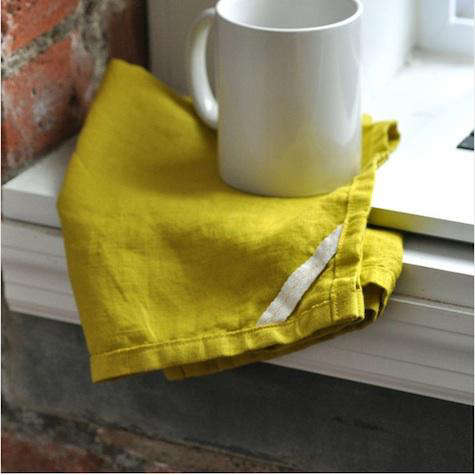
Small batch linens are having a very cozy moment. Not the loud, “look at me, I bought a whole new personality” kind of moment, but the quieter kindthe one where your bed suddenly looks like it belongs in a sunlit farmhouse, your table runner has actual character, and your napkins no longer feel like they were made during a committee meeting in a windowless office.
At its simplest, small batch linens are fabric goods produced in limited quantities rather than massive industrial runs. Think linen sheets, duvet covers, pillowcases, tablecloths, napkins, curtains, tea towels, aprons, and throws made with attention to fiber quality, weave, stitching, dye, texture, and finish. They are not always handmade, and they are not automatically perfect just because the phrase “small batch” appears on a label. But when done well, small batch linen production offers something mass-market textiles often struggle to deliver: personality, longevity, traceability, and a sense that a real human made choices along the way.
This guide explores what makes small batch linens special, why linen remains one of the most beloved natural fabrics, how to choose better pieces, how to care for them, and why a slightly wrinkled sheet may be the interior design equivalent of a relaxed smile.
What Are Small Batch Linens?
Small batch linens are fabric items produced in limited runs, often by independent studios, artisan workshops, boutique home brands, or manufacturers focused on slower, more responsive production. Instead of creating tens of thousands of identical pieces in advance, small batch makers may produce smaller quantities based on seasonal colors, available fabric, custom sizing, local sewing capacity, or direct customer demand.
The “small batch” approach can apply to several stages of production. A brand may source limited rolls of European flax linen, dye fabric in smaller color lots, cut and sew orders in a local workshop, or release table linens in seasonal collections. Some small batch linens are made-to-order, meaning the item is cut and sewn after purchase. Others are produced in small inventory runs to avoid excess stock.
The result is often a product that feels less anonymous. A small batch linen napkin may have subtle shade variation. A duvet cover may include thoughtful envelope closures or stronger corner ties. A tablecloth may come in dimensions that actually fit real dining tables instead of mysterious tables from another planet. These details matter because linens are not just decorative. They are touched, washed, folded, slept in, spilled on, and lived with.
Why Linen Has Stayed Popular for Centuries
Linen is made from the fibers of the flax plant. Unlike synthetic fabrics, linen has a naturally textured surface, a crisp hand feel when new, and a lived-in softness that develops over time. This is one of the reasons linen has stayed relevant for bedding, clothing, kitchen textiles, and table linens. It is practical, beautiful, and just imperfect enough to be interesting.
One of linen’s strongest advantages is breathability. Linen allows air to move through the fabric, which makes it especially appealing for warm climates, summer bedding, and people who sleep hot. It also manages moisture well, helping the fabric feel comfortable rather than clammy. This makes linen sheets, duvet covers, pillowcases, and lightweight throws popular choices for bedrooms where temperature control matters.
Linen is also known for durability. Flax fibers are strong, and well-made linen can withstand frequent use when cared for properly. That is why linen has historically been used for household staples like tablecloths, towels, sheets, and workwear. It can look elegant, but it is not fragile in the way some delicate fabrics are. Linen is more like the friend who shows up to dinner in a beautiful shirt and then helps move the couch afterward.
Small Batch vs. Mass-Produced Linens
Mass-produced linens have their place. They are widely available, often more affordable, and convenient when you need six matching pillowcases by Friday because guests are coming and your linen closet looks like it survived a raccoon convention. But small batch linens offer a different value proposition.
More Attention to Materials
Small batch linen makers often emphasize fiber origin, fabric weight, weave, washing process, and finishing. You may see terms like European flax, Belgian flax, French flax, stonewashed linen, garment-washed linen, heavyweight linen, or fine-weave linen. These details help shoppers understand how the fabric may feel and perform.
Less Overproduction
Because small batch production is limited, brands can reduce the risk of unsold inventory. Instead of guessing demand months in advance and producing huge quantities, some makers create smaller runs or sew closer to order. This can support a more thoughtful approach to home textiles.
More Character
Small batch linens often have small variations in texture, shade, and finish. This is not a flaw; it is part of the appeal. Natural fibers and smaller dye lots can produce fabric with depth and individuality. Your table napkins may not look as stiff as hotel banquet napkins, and that is a blessing for everyone involved.
Better Fit for Personal Style
Many small batch linen brands offer colors and sizes outside the usual retail basics. You may find earthy clay, oatmeal, moss, charcoal, faded indigo, natural flax, dusty rose, warm white, or custom tablecloth lengths. For people designing a layered, personal home, these options can make a room feel collected rather than copied.
Popular Types of Small Batch Linens
Small Batch Linen Bedding
Linen bedding is one of the most popular categories. Sheets, pillowcases, duvet covers, quilts, shams, and bed skirts made from linen bring texture and softness to the bedroom. Linen bedding is especially loved for its relaxed drape. It does not need to look perfectly pressed. In fact, linen’s rumpled texture is part of its charm. A linen bed says, “I have taste,” but also, “I am not ironing a king-size duvet cover at 10 p.m.”
Linen Tablecloths and Napkins
Small batch table linens can instantly change the mood of a meal. A natural linen tablecloth makes everyday pasta feel like an intentional dinner. Linen napkins add texture without looking fussy. For weddings, dinner parties, restaurants, and holiday settings, small batch table linens can create a warm, layered look that paper napkins simply cannot achieve, no matter how bravely they try.
Linen Kitchen Towels
Linen kitchen towels are practical and beautiful. They dry quickly, soften with use, and can hang from an oven handle without making the kitchen look chaotic. Small batch versions often feature woven stripes, hand-dyed colors, embroidered details, or sturdy hanging loops.
Linen Curtains
Linen curtains filter light beautifully. They can soften a room without making it feel heavy. Small batch linen curtains may come in custom lengths or wider panels, which is helpful because windows seem to enjoy being every possible size except standard.
Linen Throws and Decorative Pieces
Linen throws, cushion covers, and decorative textiles add texture to sofas, chairs, benches, and beds. These pieces work especially well in interiors that mix natural materials like wood, stone, ceramic, rattan, wool, cotton, and leather.
How to Choose Quality Small Batch Linens
Shopping for small batch linens is easier when you know what to look for. Beautiful photography is nice, but fabric quality matters more than whether the product was photographed next to a ceramic mug and one suspiciously perfect croissant.
Check the Fiber Content
Look for 100% linen if you want the classic linen feel: breathable, textured, durable, and naturally rumpled. Linen blends, such as linen-cotton, can be softer or more affordable, but they will behave differently. Neither is automatically better; it depends on your priorities.
Understand Fabric Weight
Linen weight affects how the fabric feels. Lightweight linen works well for summer sheets, airy curtains, and napkins. Medium-weight linen is versatile for bedding, tablecloths, and kitchen textiles. Heavyweight linen feels substantial and may be ideal for throws, upholstery-style cushion covers, or structured table linens.
Look for Strong Seams
Good stitching is essential. Check for reinforced seams, neat hems, secure closures, and thoughtful construction. On bedding, details like corner ties, envelope pillow closures, and properly sized fitted sheets make a major difference in daily use.
Pay Attention to Finish
Stonewashed or garment-washed linen usually feels softer from the start. Unwashed or minimally finished linen may feel crisper at first but can soften beautifully over time. If you like a polished look, choose smoother weaves. If you prefer rustic texture, look for slubby or heavier linen.
Review Certifications and Transparency
Certifications such as OEKO-TEX Standard 100 can indicate that a textile has been tested for harmful substances. Organic certifications may matter if you are shopping for cotton blends or other fibers. Transparency about where fabric is grown, woven, dyed, and sewn can also help you evaluate quality and ethics.
Color, Texture, and Styling Tips
Small batch linens shine when they are layered thoughtfully. The best approach is often simple: choose colors you can live with, mix textures, and avoid making everything match too perfectly. A home should feel designed, not trapped in a catalog.
For the Bedroom
Start with a neutral base such as natural flax, white, ivory, oatmeal, or pale gray. Then add depth with pillowcases, throws, or a duvet cover in muted colors like sage, terracotta, navy, cocoa, or charcoal. Linen naturally creates visual movement, so even a one-color bed can look interesting.
For the Dining Table
Pair a linen tablecloth with contrasting napkins for an easy layered effect. Natural linen with deep green napkins feels earthy and calm. White linen with navy napkins feels classic. Rust or clay napkins can warm up simple stoneware. For casual meals, skip the tablecloth and use linen placemats or a runner.
For the Kitchen
Use linen towels as functional decor. A striped linen towel, a solid apron, and a folded bread cloth can make even a small kitchen feel more intentional. Bonus: if your sourdough fails, at least the towel looks artisanal.
How to Care for Small Batch Linens
Proper care helps linen last. Always read the care label first, especially for dyed, embroidered, or blended pieces. In general, linen prefers gentle treatment: cool or lukewarm water, mild detergent, and enough room in the washer for the fabric to move.
Avoid harsh bleach, which can weaken fibers and affect color. Fabric softener is usually unnecessary because linen naturally softens with washing and use. For drying, low heat or line drying is best. High heat can cause shrinkage and stress the fibers. Remove linen while slightly damp if you want fewer wrinkles, then smooth it by hand before folding or placing it on the bed.
If wrinkles bother you, linen can often be ironed while slightly damp. But wrinkles are part of linen’s personality. Trying to eliminate every crease from linen is like trying to teach a cat tax law: technically possible for a few seconds, but emotionally exhausting.
Are Small Batch Linens Worth the Price?
Small batch linens often cost more than mass-produced alternatives. The price may reflect higher-quality fabric, smaller production runs, local sewing, fair wages, custom sizing, slower dyeing methods, or reduced overstock. That does not mean every expensive linen product is automatically excellent. It means shoppers should evaluate value carefully.
Ask practical questions. Will you use the item often? Is it made from quality fiber? Are the seams strong? Does the color work with your home? Is the size right? Can you wash it easily? Does the brand explain its materials and production clearly? A linen sheet set used every night may justify a higher price more than a decorative item that spends its life folded in a closet, silently judging your impulse purchases.
For budget-conscious shoppers, start small. Buy linen pillowcases before committing to a full sheet set. Try linen napkins before purchasing a tablecloth. Add one linen kitchen towel and see how it performs. Small batch does not have to mean buying everything at once. In fact, slow collecting is part of the point.
Small Batch Linens and Sustainable Living
Small batch linens can support more sustainable habits when they are made well and used for a long time. Natural fibers, durable construction, limited production, repairability, and timeless design all contribute to a lower-waste approach. The most sustainable linen is not simply the one with the prettiest label; it is the one you actually use, care for, and keep.
Linen’s durability makes it a strong candidate for long-term household use. A good tablecloth can move from dinner parties to picnics to holiday meals. Linen napkins can replace disposable paper napkins. Linen bedding can last for years when rotated and laundered properly. Even worn linen can be repurposed into cleaning cloths, bread bags, patches, or craft projects.
Still, sustainability claims should be read carefully. Look for specifics rather than vague phrases. “Eco-friendly” sounds nice, but “OEKO-TEX certified,” “made to order,” “sewn locally,” “100% linen,” or “plastic-free packaging” gives you more concrete information. Good brands explain their practices without making you solve a mystery worthy of a three-part documentary.
Common Mistakes to Avoid
Buying Only by Thread Count
Thread count is not the best measure for linen. Linen yarns are thicker than many cotton yarns, so a lower thread count can still indicate a high-quality fabric. Focus on fiber, weave, weight, finish, and feel instead.
Expecting Linen to Look Perfectly Smooth
Linen wrinkles. That is not a scandal; it is a feature. If you want a sleek hotel-sheet look, cotton percale or sateen may suit you better. If you like relaxed texture, linen is your friend.
Using Too Much Heat
High heat can shrink or weaken linen over time. Wash gently and dry carefully. Your linens will reward you by not turning into dollhouse bedding.
Ignoring Measurements
Small batch linens may come in custom or nonstandard sizes. Measure your mattress depth, table length, curtain height, or pillow size before ordering. Guessing is how people end up with a tablecloth that looks like a napkin wearing confidence.
Experiences With Small Batch Linens: What Living With Them Actually Feels Like
The first thing many people notice about small batch linen is that it does not behave like brand-new department store bedding. It may arrive with texture, weight, and a certain seriousness, as though it has already read three novels and learned how to make soup from scratch. Fresh linen can feel crisp, sometimes even a little firm, but after a few washes it begins to relax. This softening process is one of the quiet pleasures of owning linen. The fabric changes with you. It becomes less like a product and more like a household companion.
In the bedroom, linen sheets can transform the way a bed feels. Cotton often feels smooth and crisp; bamboo-derived fabrics may feel silky; microfiber can feel soft but less breathable. Linen is different. It has body. It drapes instead of clinging. On warm nights, that airy texture can feel especially comfortable because the fabric does not trap heat in quite the same way heavier or tighter weaves can. On cooler nights, layering linen with a quilt or blanket creates a cozy, breathable nest. It is the rare fabric that can look casual and luxurious at the same time.
Small batch linen tableware offers a different kind of satisfaction. A set of linen napkins can make a weeknight dinner feel more thoughtful without requiring candles, a playlist, or a dramatic announcement that “tonight we dine.” The napkins soften over time, handle repeated washing, and bring color to the table in a way that feels natural. A tomato sauce stain may happen. A coffee spill may happen. Life, famously, refuses to eat neatly. But many linen pieces age gracefully, and minor fading or softening can make them feel even better.
Kitchen linens may be the most underrated category. A good linen towel dries hands, covers rising dough, wraps bread, lines a basket, and looks charming while doing it. Compared with thick terry towels, linen towels often dry faster, which is useful in a busy kitchen. Small batch versions may include details like hanging loops, special weaves, or colors that do not scream “bulk pack from aisle nine.”
The biggest adjustment is learning to accept linen’s relaxed personality. If you need every pillowcase to look ironed into submission, linen may test your patience. But if you enjoy materials that look human, tactile, and lived-in, small batch linen is deeply rewarding. It invites a slower rhythm: wash carefully, dry gently, fold loosely, use often. Over time, the fabric tells a quiet story of breakfasts, guests, naps, Sunday laundry, summer heat, winter layering, and all the little rituals that make a house feel like home.
Conclusion
Small batch linens bring together practicality, beauty, and intention. They are not just decorative fabric pieces; they are everyday tools for comfort, dining, sleeping, cooking, and homemaking. When made from quality linen and cared for properly, they can last for years while becoming softer, more personal, and more beautiful with use.
The best small batch linens are not about perfection. They are about texture, thoughtful production, useful design, and the pleasure of owning fewer, better things. Whether you begin with a pair of pillowcases, a set of napkins, a linen duvet cover, or one excellent kitchen towel, small batch linen offers a simple upgrade with lasting impact. It makes daily routines feel warmer, calmer, and a little more consideredwhich is a lot to ask from fabric, but linen has always been an overachiever.