Trying to figure out a dog’s age can feel a little like detective work, except your suspect is wagging its tail, licking your hand, and possibly chewing your shoelace while you investigate. Whether you adopted a rescue dog, found a stray, or simply want to understand your puppy’s growth stage, the teeth can offer some of the best clues.
Veterinarians often look at a dog’s teeth because the mouth tells a surprisingly detailed story. Puppy teeth appear and fall out on a fairly predictable schedule. Adult teeth arrive in a specific order. Later, clues such as tartar, staining, tooth wear, gum health, and missing teeth can help estimate whether a dog is a young adult, middle-aged companion, or senior couch supervisor.
That said, teeth are not a magic calendar. Breed, genetics, diet, chewing habits, dental care, and previous neglect can all change how old a dog’s mouth looks. A two-year-old small-breed dog with heavy tartar may look older than a five-year-old large dog whose owner brushes its teeth like it has a modeling contract. So use dental clues as an estimate, not a birth certificate.
Can You Really Tell a Dog’s Age by Its Teeth?
Yes, but with limits. Teeth are most accurate for estimating the age of puppies because young dogs follow a predictable dental-development timeline. Once a dog has all 42 permanent adult teeth, age estimation becomes less precise. At that point, you are reading “wear and history” rather than a neat biological schedule.
For example, a puppy with sharp baby teeth is clearly young. A dog with all adult teeth is usually at least six to seven months old. A dog with yellow-brown tartar, gum inflammation, and worn teeth may be several years old, but the exact number depends heavily on lifestyle and health.
Quick Dog Teeth Age Chart
| Dental Clue | Likely Age Range | What It Means |
|---|---|---|
| No visible teeth or only tiny teeth beginning | Newborn to 3 weeks | Puppy teeth have not fully erupted yet. |
| Sharp baby teeth coming in | 3 to 6 weeks | Deciduous teeth are erupting. |
| Most or all 28 puppy teeth present | 6 to 8 weeks | The puppy has a full baby-tooth set. |
| Baby teeth falling out, adult teeth appearing | 3 to 6 months | The teething stage is underway. |
| All 42 adult teeth present | 6 to 7 months or older | The dog has finished most dental development. |
| Clean adult teeth with little tartar | 1 to 2 years | Often a young adult, especially with healthy gums. |
| Moderate tartar, staining, mild wear | 3 to 5 years | Common signs of adult dental aging. |
| Heavy tartar, gum disease, missing or worn teeth | 6 years and older | May indicate middle age or senior status, but dental care history matters. |
Step 1: Count the Teeth and Identify Puppy vs. Adult Teeth
The first step is simple: look at how many teeth your dog has and what kind they are. Puppies have 28 deciduous teeth, also called baby teeth or milk teeth. Adult dogs normally have 42 permanent teeth.
Puppy teeth are usually small, thin, bright white, and famously sharp. If you have ever been nibbled by a puppy, you know these teeth are less like “cute little teeth” and more like a tiny drawer full of sewing needles. Adult teeth are larger, thicker, and less needle-like. They include molars in the back of the mouth, which puppies do not have as baby teeth.
What to look for
- Fewer than 28 tiny, sharp teeth: likely younger than 8 weeks.
- Full set of 28 baby teeth: often around 6 to 8 weeks old.
- Adult teeth replacing baby teeth: usually 3 to 6 months old.
- Full set of 42 adult teeth: usually 6 to 7 months or older.
Do not panic if you do not find fallen puppy teeth around the house. Many puppies swallow baby teeth while eating or chewing, which is normal and usually harmless. Your carpet may be spared the tiny-tooth scavenger hunt.
Step 2: Check for Baby Teeth Erupting in Young Puppies
If the dog is clearly a young puppy, dental timing becomes your best friend. Puppy teeth typically begin erupting at around three weeks of age. By approximately six weeks, most puppies have their full baby-tooth set.
The front teeth, called incisors, and the canine teeth, also called fangs, usually appear first. Premolars come in afterward. Since puppies do not have baby molars, the absence of molars in a young puppy is not a problem. It is just how the puppy mouth is designed.
Example
Suppose you are looking at a tiny puppy with open eyes, playful behavior, and several sharp teeth poking through the gums, but not a complete set. That puppy may be around 3 to 5 weeks old. If the puppy has a complete set of tiny sharp teeth and is starting to eat soft puppy food, the age may be closer to 6 to 8 weeks.
For very young puppies, do not rely on teeth alone. Body size, eye and ear development, walking ability, nursing behavior, and veterinarian assessment all help create a safer estimate.
Step 3: Watch for the Teething Timeline
Around 12 weeks, baby teeth begin to fall out and permanent teeth start coming in. The teething period usually continues until about six months of age. During this stage, your puppy may chew everything with the dedication of a tiny furniture critic.
Adult incisors often appear first, followed by canines, premolars, and molars. By about six months, most dogs have their adult teeth. Some dogs, especially small breeds and short-nosed breeds, may retain baby teeth even after adult teeth have erupted. These retained deciduous teeth can crowd the mouth and create dental problems, so they should be checked by a veterinarian.
Signs your puppy is teething
- Increased chewing or biting
- Small teeth missing from the mouth
- Adult teeth appearing behind baby teeth
- Mild gum redness
- Drooling or temporary picky eating
- Finding tiny teeth on the floor, in bedding, or stuck in toys
If your puppy has both baby teeth and adult teeth in the same area, especially around the canine teeth, schedule a veterinary visit. “Double teeth” may look funny, but they can trap food and encourage tartar, gum irritation, and future periodontal disease.
Step 4: Examine Tooth Color, Tartar, and Gum Condition
After a dog has all adult teeth, the estimate becomes more subjective. You are no longer asking, “Which tooth is erupting?” You are asking, “How much has this mouth experienced?” That is where color, tartar, gum condition, and wear come in.
Young adult dogs often have white teeth with minimal tartar. As dogs age, plaque can harden into tartar, especially near the gumline and on the back teeth. Tartar may appear yellow, tan, or brown. Gums may become red, swollen, or bleed easily if dental disease is present.
General adult-age clues
- 1 to 2 years: adult teeth are usually clean, white, and lightly worn.
- 3 to 5 years: tartar may be visible, especially on molars and premolars.
- 6 years and older: heavier tartar, gum recession, worn teeth, and missing teeth may appear.
However, be careful. Heavy tartar does not always mean a dog is old. Small breeds, crowded mouths, soft diets, and lack of brushing can cause dental disease early. On the other hand, a senior dog with excellent dental care may have cleaner teeth than expected. Some dogs age like fine wine; others age like a tennis ball left in the rain.
Step 5: Look at Tooth Wear and Missing Teeth
Tooth wear can provide helpful clues. Older dogs may have blunter canine teeth, flatter incisors, or worn premolars from years of chewing, eating, carrying toys, or gnawing on hard objects. Senior dogs may also have missing teeth, especially if they have had periodontal disease or previous extractions.
Still, wear can fool you. A young dog that chews rocks, bones, antlers, cage bars, or very hard toys may have worn or fractured teeth. A farm dog, working dog, or highly active chewer may show dental wear earlier than a relaxed indoor dog whose biggest job is guarding the couch from imaginary squirrels.
Important warning signs
- Broken teeth
- Loose adult teeth
- Bleeding gums
- Bad breath that smells unusually foul
- Dropping food while eating
- Pawing at the mouth
- Reluctance to chew toys
- Swelling around the face or jaw
Adult tooth loss is not a normal part of healthy aging. If an adult dog is losing teeth, the cause may be periodontal disease, trauma, infection, or another medical problem. A veterinarian should evaluate it.
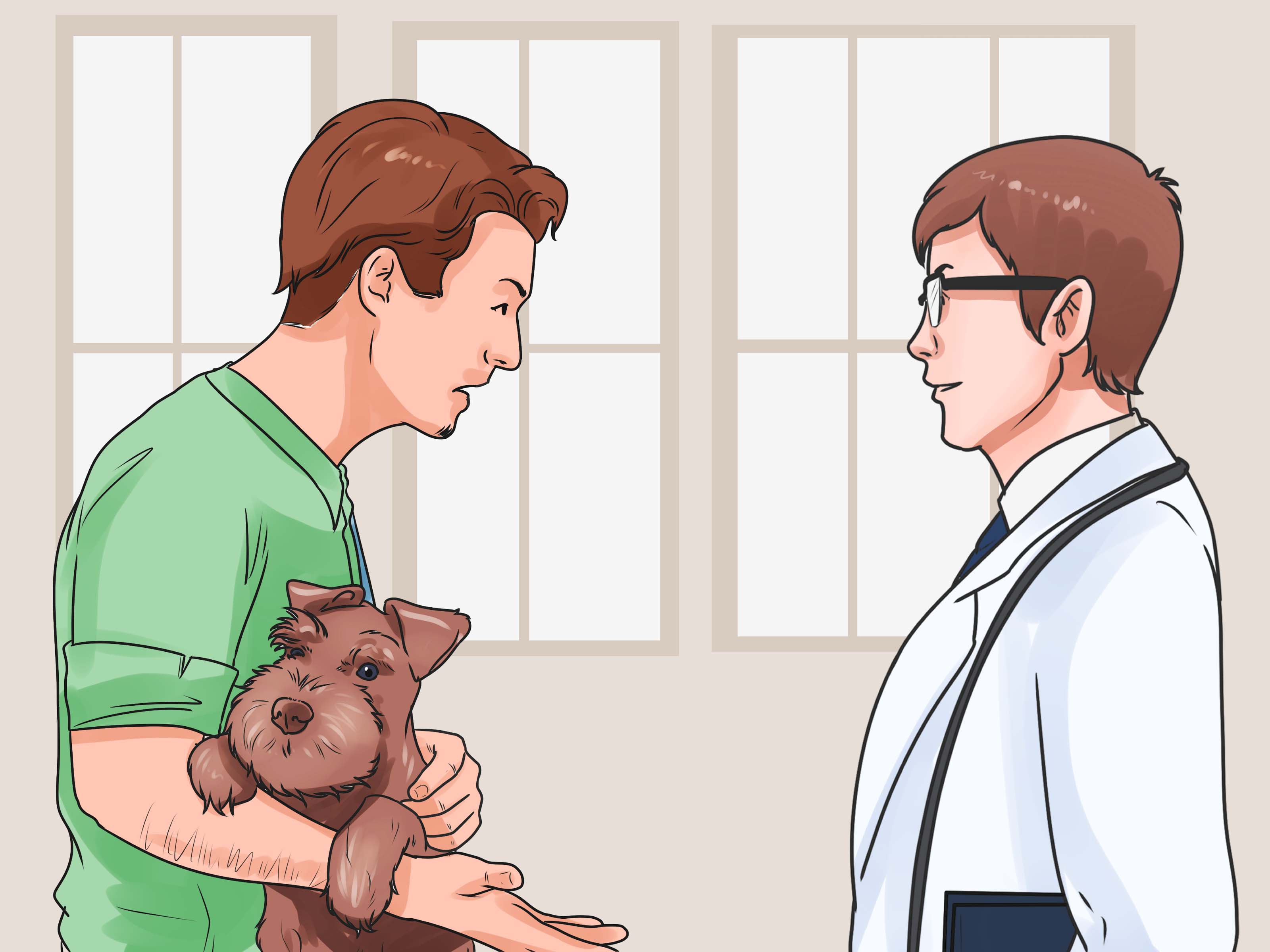
Step 6: Confirm the Estimate With a Veterinarian
Your at-home dental inspection can give you a useful estimate, but a veterinarian can provide a more reliable age range. Vets do not look only at teeth. They also evaluate body condition, coat, eyes, joints, muscle tone, behavior, and medical history.
A complete oral exam may require anesthesia, especially when checking below the gumline. That is because some of the most serious dental disease hides where pet owners cannot see it. A dog may have clean-looking front teeth but painful disease around the back molars.
If you adopted a dog and do not know its age, ask your veterinarian for an age estimate during the first wellness visit. The vet may not be able to say, “Your dog is exactly 4 years, 3 months, and 11 days old,” but they can usually place the dog into a practical life stage: puppy, young adult, mature adult, or senior.
How Breed and Size Affect Dental Age Clues
Small dogs often develop dental disease earlier than large dogs. Their teeth can be crowded into smaller jaws, which makes plaque and tartar harder to control. Toy breeds, short-nosed breeds, and dogs with misaligned bites may show tartar, gum inflammation, or retained baby teeth sooner.
Large dogs may have cleaner-looking teeth for longer, but they are not immune to dental disease. They may also be more likely to damage teeth by chewing hard objects. So when estimating age, compare the dog’s mouth to what is typical for its size and breed type.
How to Safely Check Your Dog’s Teeth at Home
Choose a calm moment. Do not inspect your dog’s mouth during zoomies, dinner time, or immediately after your dog has stolen a sock and is feeling legally defensive. Sit beside your dog, gently lift the lips, and look at the front and side teeth. Avoid forcing the mouth open, especially if the dog is nervous or painful.
Use good lighting. Check the incisors in the front, the canines on the sides, and the premolars and molars farther back. Look for tooth type, color, tartar, gumline condition, missing teeth, and unusual odor. Reward your dog afterward with praise or a safe treat so the experience does not become a dramatic courtroom scene.
Common Mistakes When Estimating Dog Age by Teeth
Mistake 1: Assuming tartar always means old age
Tartar can appear early, especially in small dogs or dogs without regular dental care. A young dog with poor oral hygiene may look older than it is.
Mistake 2: Ignoring retained baby teeth
If a puppy has adult teeth coming in while baby teeth remain, the dog may need veterinary care. Retained baby teeth can cause crowding and gum problems.
Mistake 3: Forgetting that diet and chewing habits matter
A dog that chews hard objects may have worn or broken teeth at a young age. A dog with excellent brushing and professional cleanings may have very clean teeth as an older adult.
Mistake 4: Looking only at the front teeth
The back teeth often collect more tartar and reveal more about dental health. Front teeth can look clean while molars are quietly hosting a plaque convention.
Real-Life Experiences: What Dog Teeth Can Tell You
One of the most common situations happens at adoption. A family brings home a “maybe two-year-old” rescue dog and wants to know whether the estimate is realistic. The dog has all adult teeth, a little yellowing near the gumline, and mild tartar on the back teeth. The incisors are still fairly sharp and the canines are not heavily worn. In that case, a veterinarian might agree that the dog is a young adult, perhaps around one to three years old. The estimate is not exact, but it is practical enough for food choices, exercise planning, and preventive care.
Another experience involves puppies with confusing mouths. A puppy may have tiny baby teeth in front, adult teeth starting to appear, and a chewing habit that makes every chair leg fear for its future. That mixed-mouth stage often points to a puppy between three and six months old. Owners sometimes worry when they see a baby tooth on the floor or notice a little blood on a chew toy. In many cases, that is normal teething. The important part is watching for baby teeth that refuse to leave after adult teeth arrive.
Then there is the small-dog surprise. A Chihuahua, Yorkie, Maltese, or Dachshund may be only two years old but already have visible tartar and less-than-fresh breath. The owner may think, “This dog must be ancient.” Not necessarily. Small dogs are more prone to crowded teeth and early periodontal disease, so dental age can look older than body age. This is why breed context matters. A tiny dog’s mouth may need professional attention earlier than expected.
On the other hand, some older dogs have excellent mouths. Imagine a nine-year-old Labrador whose owner has brushed regularly, used vet-recommended dental products, scheduled cleanings, and avoided rock-hard chews. That dog may have cleaner teeth than a three-year-old dog with no dental routine. This is a perfect reminder that teeth show both age and care history. A clean mouth does not always mean a young dog, and a rough mouth does not always mean an old one.
Rescue volunteers often use teeth as a first clue, but they rarely stop there. They also look at energy level, muscle tone, coat changes, eye clarity, and behavior. A dog with worn teeth, a gray muzzle, stiff movement, and lower stamina is more likely to be senior than a dog with worn teeth alone. The best estimate comes from combining several clues, not making one tooth do all the paperwork.
The biggest lesson from real-life experience is simple: teeth are a helpful starting point, not the final verdict. They can tell you whether a dog is probably a puppy, young adult, mature adult, or senior. They can also reveal pain, infection, and dental neglect. But for a confident estimate and a healthy plan, your veterinarian is still the best detective on the case.
Conclusion
Learning how to determine your dog’s age by its teeth gives you a practical way to understand your pet’s life stage, especially when the birthday is unknown. Start by checking whether the dog has baby teeth or adult teeth. Use the puppy teething timeline for young dogs, then evaluate adult teeth for tartar, wear, gum condition, and missing teeth. Remember that breed, size, diet, chewing habits, and dental care can all affect how old a dog’s mouth appears.
The most accurate results come from combining your observations with a veterinarian’s exam. Teeth can whisper clues about age, but they can also shout warnings about dental disease. If you notice bad breath, bleeding gums, loose teeth, pain while chewing, or retained baby teeth, do not just update your age estimate. Schedule a veterinary visit. Your dog’s teeth are not only a timeline; they are part of your dog’s overall health, comfort, and quality of life.