Note: This article is written in original American English and synthesizes practical guidance from reputable U.S. home organization, DIY, furniture, and storage resources for web publication.
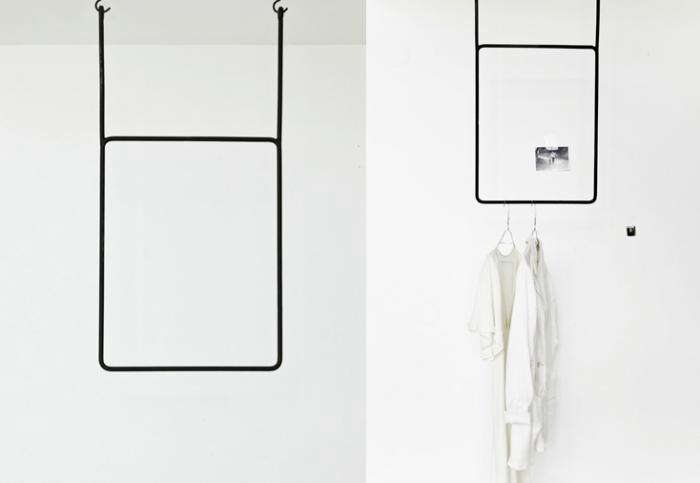
A vertical clothing rail may sound like something invented by a closet engineer after one too many cups of coffee, but it is actually one of the simplest ways to make a room feel more organized without building a full wardrobe. In plain English, it is a tall, space-saving clothes rail or garment rack designed to use height instead of hogging precious floor space. For small bedrooms, studio apartments, laundry rooms, guest rooms, rental homes, entryways, and even boutique-style dressing areas, that vertical design can be a small miracle with hangers.
Unlike a traditional horizontal closet rod hidden behind doors, a vertical clothing rail often works as an open storage solution. It may be freestanding, wall-mounted, floor-to-ceiling, corner-based, adjustable, rolling, or integrated into a closet system. The goal is the same: keep clothes visible, accessible, and wrinkle-free while using the room’s vertical space more intelligently.
And yes, it can make your bedroom look stylish instead of like laundry staged a quiet rebellion on the chair. The secret is choosing the right rail, installing or placing it properly, and organizing it in a way that fits your real daily routinenot the fantasy routine where you fold sweaters while sipping tea in slow motion.
What Is a Vertical Clothing Rail?
A vertical clothing rail is a clothes-hanging solution that emphasizes upright storage. It usually includes one or more hanging rods supported by vertical posts, side frames, wall brackets, or tension poles. Some models are narrow and minimal, while others include shelves, baskets, hooks, shoe storage, or double hanging sections.
The phrase can describe several types of clothing storage, including a tall garment rack, a wall-mounted clothes rail, a floor-to-ceiling tension rail, a closet rod system with stacked hanging zones, or a freestanding vertical wardrobe organizer. What connects them all is the same design philosophy: go up, not out.
This makes the vertical clothing rail especially useful in homes where closet space is limited. If your apartment closet is roughly the size of a polite shoebox, a vertical rail gives you another place to hang shirts, jackets, dresses, coats, uniforms, bags, scarves, or planned outfits for the week.
Why Vertical Storage Works So Well
Most rooms have more unused height than unused floor area. Corners, blank walls, narrow alcoves, laundry zones, and the area beside a dresser often have vertical potential. A vertical clothing rail takes advantage of that space while keeping the footprint small.
It Reduces Closet Overcrowding
When clothes are jammed too tightly on one rod, they wrinkle, disappear, and become strangely easy to ignore. A vertical clothing rail gives garments breathing room. This is especially helpful for bulky winter coats, workwear, occasion outfits, or pieces you wear often and do not want buried behind twelve nearly identical black shirts.
It Makes Clothing Easier to See
Open clothing storage can help you see what you actually own. That visibility is powerful. If you can spot your favorite jacket, you are more likely to wear it. If you see five shirts still wearing tags, your closet may be gently telling you to stop “just browsing” online sales at midnight.
It Supports Small-Space Living
In dorm rooms, studio apartments, guest rooms, and older homes with tiny closets, a vertical garment rack can act as a second closet. It can also create a temporary wardrobe area without construction, which is great for renters who cannot drill into walls or install permanent closet systems.
Main Types of Vertical Clothing Rails
Not every vertical clothing rail is built the same way. The best choice depends on your available space, clothing weight, design style, and whether you want something permanent or flexible.
1. Freestanding Vertical Clothing Rail
A freestanding rail is the easiest option for most people. It stands on the floor and usually has a metal or wood frame. Some models have one rod, while others include double rods, shelves, side hooks, or lower shoe storage.
This type is ideal for bedrooms, guest rooms, laundry rooms, and temporary storage. It requires no wall mounting, and many models can be assembled with basic tools. If you move often or like rearranging your room every time inspiration attacks, a freestanding rail is the flexible choice.
2. Rolling Garment Rack
A rolling vertical clothing rail includes casters, making it easy to move from room to room. This is useful for laundry day, photo shoots, craft rooms, fashion styling, retail displays, or storing seasonal clothing.
Look for locking wheels if the rack will hold heavier garments. A rack full of coats should not drift across the room like it has weekend plans.
3. Wall-Mounted Clothing Rail
A wall-mounted rail attaches directly to the wall with brackets. It saves floor space and creates a clean, built-in look. This option works beautifully in narrow bedrooms, entryways, mudrooms, laundry spaces, and minimalist open closets.
Installation matters. For safety and durability, wall-mounted rails should be anchored into studs when possible or installed with proper heavy-duty wall anchors based on the wall material. Drywall alone is not a superhero.
4. Floor-to-Ceiling Tension Rail
A floor-to-ceiling clothing rail uses vertical tension poles between the floor and ceiling. Some versions include adjustable rods, shelves, hooks, or modular accessories. These can be renter-friendly because many do not require permanent drilling.
They are useful in awkward corners and tight spaces, but they must be tightened correctly and checked occasionally. If the unit starts wobbling, do not ignore it. Your sweaters deserve stability.
5. Closet System Rail
Closet systems often use vertical standards, brackets, and adjustable rods to create customized storage. These systems can include double-hang sections, long-hang sections, drawers, shelves, baskets, and shoe racks.
This is the best option when you want a more permanent closet upgrade. A well-planned closet system can divide your wardrobe into zones for shirts, pants, dresses, jackets, accessories, and seasonal items.
How to Choose the Best Vertical Clothing Rail
Choosing a vertical clothing rail is not just about picking the prettiest rack online. The best one should match your space, wardrobe, and daily habits.
Measure Before You Buy
Measure the width, depth, and height of the area where the rail will go. Leave enough clearance for hangers and clothing to hang naturally. Standard adult hangers usually need roughly 17 to 18 inches of width from front to back, so a rail placed too close to the wall may make clothes angle awkwardly.
If you plan to hang long coats, dresses, robes, or jumpsuits, check the rail height. For shorter garments like shirts and folded pants, double-hang sections can save a lot of vertical room.
Check the Weight Capacity
Every vertical clothing rail has a weight limit. Lightweight racks may be fine for shirts and blouses, while heavy-duty steel rails are better for coats, denim, suits, uniforms, and multiple outfits. Always check the manufacturer’s stated capacity and avoid overloading the rod.
As a general rule, heavy clothing adds up faster than expected. Ten winter coats can weigh much more than ten summer dresses. Your rail should not bend in the middle like it just received bad news.
Choose the Right Material
Metal rails are popular because they are strong, slim, and easy to clean. Steel is commonly used for heavy-duty racks and closet rods. Wood rails offer warmth and style, especially in bedrooms or boutique-style spaces. Mixed-material designs with wood shelves and metal frames can balance strength with a softer look.
For laundry rooms or humid spaces, choose finishes that resist rust and moisture. Chrome, powder-coated steel, and sealed wood tend to perform better than untreated materials.
Think About Mobility
If you want to move the rail often, choose a rolling garment rack with sturdy casters. If the rail will stay in one place, a stationary or wall-mounted option usually feels more stable. For small rooms, mobility can be helpful, but too many moving parts can reduce sturdiness if the rack is cheaply made.
Match the Rail to Your Room Style
A vertical clothing rail is visible, so appearance matters. Black metal works well in industrial, modern, and minimalist rooms. White rails blend into light walls and small spaces. Brass or gold-tone rails can feel polished and decorative. Natural wood adds warmth to neutral bedrooms and Scandinavian-inspired interiors.
If the rail will be part of your room design, treat it like furniture. Matching hangers, coordinated baskets, and a limited color palette can make open clothing storage look intentional instead of accidental.
Best Places to Use a Vertical Clothing Rail
Small Bedrooms
In a small bedroom, a vertical clothing rail can replace a bulky wardrobe or supplement a tiny closet. Place it along a blank wall, beside a dresser, or in an unused corner. To keep the room calm, hang only your most-used or best-looking items and store off-season pieces elsewhere.
Entryways and Mudrooms
A narrow rail near the door can hold coats, jackets, scarves, umbrellas, and bags. Add a shoe rack underneath and hooks on the side for a complete drop zone. This works especially well for families, roommates, or anyone whose entryway currently looks like coats are trying to form a mountain range.
Laundry Rooms
A vertical clothing rail in the laundry room is excellent for air-drying delicate items, hanging freshly ironed shirts, or organizing clothes before they return to the closet. A rolling rail is especially handy because you can move clean clothes from the dryer to the bedroom without creating a laundry pile on the bed.
Guest Rooms
If your guest room does not have a closet, a simple clothing rail gives visitors a place to hang jackets, dresses, or travel outfits. Add a small shelf for folded clothes and a basket for accessories to make the room feel more thoughtful.
Retail and Boutique Displays
Vertical clothing rails are also useful in small shops, pop-up stores, and home-based fashion businesses. They display garments clearly, make browsing easy, and can be rearranged faster than fixed shelving.
How to Organize a Vertical Clothing Rail
A clothing rail is only as good as the system you use on it. Without organization, it can quickly become an open-air closet with commitment issues.
Group Clothing by Category
Start by grouping similar items together: shirts, jackets, pants, dresses, uniforms, workout clothes, or outerwear. This makes it easier to find what you need and prevents the rail from becoming a mystery zone.
Use Slim Matching Hangers
Slim hangers can help save horizontal space and create a cleaner look. Matching hangers also make open storage feel more organized. Velvet or nonslip hangers are useful for silky tops, wide-neck shirts, and garments that enjoy leaping onto the floor at 2 a.m.
Create an Outfit Zone
One of the smartest uses for a vertical clothing rail is outfit planning. Dedicate a small section to the next five days of outfits, special events, work uniforms, or travel packing. This can make mornings faster and reduce decision fatigue.
Keep Heavy Items Low or Balanced
If your rail has shelves or multiple rods, place heavier items lower when possible. Shoes, bags, bins, and folded denim usually belong near the bottom. This improves stability and makes the rail feel less top-heavy.
Leave Breathing Room
Do not fill every inch of the rail. Clothes need space to hang properly. A little negative space also makes the rail look more expensive and less chaotic. Think boutique display, not clearance rack after a thunderstorm.
Installation Tips for Wall-Mounted or Closet Rails
If you choose a wall-mounted vertical clothing rail or closet rod system, proper installation is essential. First, locate studs with a stud finder. Mark bracket positions carefully with a level. Use screws appropriate for studs or heavy-duty anchors designed for your wall type.
For closet rods, common single-hang heights are often around 66 to 70 inches from the floor. Double-hang layouts often place the lower rod around 40 to 42 inches and the upper rod around 80 to 84 inches. These measurements can vary based on your wardrobe, ceiling height, and the types of clothes you own.
Leave enough depth between the wall and rail so garments do not rub against the wall. Many closet planning guides recommend allowing enough space behind hangers so clothes hang freely. If you are installing a long rod, add center support brackets to prevent sagging.
When in doubt, choose strength over style. A beautiful rail that cannot hold your clothes is not decor; it is a future crash report.
Vertical Clothing Rail vs. Traditional Wardrobe
A traditional wardrobe hides clothing behind doors, which can make a room look tidy. However, wardrobes are often bulky, expensive, and difficult to move. A vertical clothing rail is lighter, more flexible, and usually more affordable.
The tradeoff is visibility. Open clothing storage requires more maintenance because everything is on display. If you prefer a perfectly hidden closet, a rail may work best as supplemental storage rather than your main wardrobe.
For many people, the best solution is a hybrid approach: keep everyday items on a vertical rail and store off-season or less attractive items in drawers, bins, under-bed storage, or a closed closet.
Common Mistakes to Avoid
Buying Too Small
A tiny rack may look cute online, but it can become useless if it only holds six shirts and a dream. Measure your clothing volume before buying.
Ignoring Stability
Check the base width, frame quality, wheel locks, and weight capacity. Tall narrow racks can tip if overloaded or unevenly balanced.
Overloading the Rail
Too many clothes can bend rods, loosen brackets, and make the rail hard to use. If you cannot slide hangers easily, you need to edit the rack.
Skipping Maintenance
Open storage needs regular upkeep. Remove items you no longer wear, rotate seasonal clothing, and dust shelves or rods. A monthly ten-minute reset can keep the system working beautifully.
Styling Ideas for a Better-Looking Clothing Rail
To make a vertical clothing rail look stylish, limit the visible color palette. Hang neutral pieces together, group similar textures, and use matching hangers. Add woven baskets, canvas bins, or simple boxes for accessories. Place shoes neatly beneath the rail rather than letting them wander around like unsupervised toddlers.
You can also use the rail as part of the room’s decor. Hang your best coats, linen shirts, denim jackets, or favorite dresses. Add a small plant nearby, a mirror beside it, or a rug underneath to define the area. Lighting also helps. A nearby floor lamp or wall sconce can make the rail feel intentional and polished.
Personal Experience: Living With a Vertical Clothing Rail
After using a vertical clothing rail in different spaces, the biggest lesson is simple: it works best when it has a specific job. The rail should not become a second version of the chair where clothes go to “rest.” It needs a purpose. In one small bedroom setup, the vertical clothing rail worked perfectly as a weekly outfit station. Five shirts, two jackets, two pairs of pants, and one “emergency nice outfit” were enough. The room felt cleaner because the main closet was no longer stuffed like a suitcase before vacation.
Another helpful experience comes from using a rail near the laundry area. Freshly washed shirts could hang immediately instead of being folded, forgotten, and rediscovered with wrinkles dramatic enough to deserve their own documentary. A rolling rail made this even easier because clean clothes could move directly from laundry space to bedroom. For anyone who hates ironing, this small change feels like a domestic victory.
A vertical clothing rail is also useful during seasonal wardrobe changes. Instead of pulling everything out of the closet at once, the rail can hold transitional pieces: light jackets, sweaters, raincoats, and outfits that work between seasons. This prevents the closet from turning into a weather-based argument. In spring and fall, especially, a dedicated rail keeps flexible layers ready without burying them behind heavy coats or summer dresses.
There is one honest drawback: open rails demand discipline. If you hang every random item on them, they stop looking stylish very quickly. The best approach is to treat the rail like a curated display. Keep the most useful, attractive, or frequently worn items there. Store the rest elsewhere. When the rail starts looking crowded, remove five pieces. That tiny habit makes a huge difference.
Another real-world tip is to invest in better hangers sooner rather than later. Mismatched bulky hangers waste space and make the rail look messy even when it is technically organized. Slim matching hangers instantly improve the look and function. Nonslip hangers are especially helpful for silky fabrics, lightweight cardigans, and shirts that seem determined to escape.
Finally, location matters more than people expect. A vertical clothing rail placed in a dark corner becomes a dumping zone. A rail placed near a mirror, dresser, laundry area, or bedroom entrance becomes useful. The rail should live where your routine actually happens. If you get dressed near the mirror, put it near the mirror. If you plan outfits after laundry, place it near the laundry route. Good storage is not just about where things fit; it is about where life happens.
Conclusion
A vertical clothing rail is one of the most practical storage upgrades for modern homes, especially when closet space is limited. It saves floor area, uses wall height, keeps clothes visible, and adds flexibility to bedrooms, laundry rooms, entryways, guest rooms, and small apartments. Whether you choose a freestanding garment rack, rolling clothes rail, wall-mounted rod, or full closet system, the key is to match the rail to your clothing, room size, and daily routine.
The best vertical clothing rail is sturdy, properly sized, easy to access, and organized with intention. Use slim matching hangers, avoid overloading the rod, group clothing by category, and give every item a reason to be there. Done well, this simple piece of storage can turn a cramped closet into a smarter, calmer, and more stylish space. Done poorly, it becomes a very tall laundry pile. Choose wisely, measure twice, and let your clothes finally stand up for themselves.