Note: This article is for educational purposes only and should not be treated as personalized financial, tax, or investment advice. Retirement planning is a little like assembling furniture: the instructions matter, the small screws matter, and pretending you “basically know how it works” can get expensive.
Introduction: Why the Roth IRA Deserves a Front-Row Seat in Retirement Planning
A Roth IRA is one of the most useful tools in American retirement planning because it solves a problem many savers quietly worry about: taxes later. Traditional retirement accounts can be wonderful, but they often come with a future tax bill attached. A Roth IRA flips the script. You contribute money that has already been taxed, invest it, andif you follow the ruleswithdraw qualified earnings tax-free in retirement.
That is the simple version. The more interesting version is that a Roth IRA can become a strategic retirement planning machine. It can help younger investors build decades of tax-free growth, give mid-career professionals tax diversification, offer retirees more control over withdrawals, and create estate-planning flexibility. In true Financial Samurai spirit, it is not about blindly praising one account. It is about understanding when the Roth IRA is powerful, when it is less ideal, and how to use it like a disciplined wealth builder instead of treating it like a shiny financial toy.
For 2026, the IRA contribution limit is $7,500 for people under age 50 and $8,600 for those age 50 or older, assuming enough earned income. Roth IRA eligibility also depends on modified adjusted gross income, with phase-out ranges that can reduce or eliminate direct contribution eligibility for higher earners. That means the Roth IRA is generous, but not unlimitedlike a buffet with a very polite bouncer.
What Is a Roth IRA?
A Roth IRA is an individual retirement account funded with after-tax dollars. Unlike a traditional IRA, you do not receive an upfront tax deduction for contributions. The reward comes later: qualified withdrawals can be tax-free, including investment earnings.
That tax treatment makes the Roth IRA especially attractive for people who expect their tax rate to be the same or higher in retirement. It can also benefit anyone who wants more flexibility in retirement income planning. Instead of being forced to pull taxable money from every account, retirees with Roth savings can choose from taxable, tax-deferred, and tax-free buckets.
Roth IRA vs. Traditional IRA
A traditional IRA generally gives you a tax break now and taxes withdrawals later. A Roth IRA gives you no deduction now, but qualified withdrawals later may be tax-free. The better choice depends on your income, tax bracket, retirement goals, and how much you enjoy guessing what Congress might do to tax rates in 20 years. Spoiler: nobody knows for sure.
Major Benefits of a Roth IRA for Retirement Planning
1. Tax-Free Growth Can Be a Retirement Superpower
The biggest Roth IRA benefit is tax-free growth potential. When investments inside the account produce dividends, interest, or capital gains, those earnings are not taxed year by year. If withdrawals are qualified, the earnings can come out tax-free in retirement.
For long-term investors, this can be incredibly valuable. Imagine a 25-year-old contributing consistently to a Roth IRA for 40 years. The annual contribution may feel modest at first, but compounding has a dramatic effect over decades. The longer money stays invested, the more valuable the tax-free treatment can become. Time is the Roth IRA’s favorite ingredientright after discipline.
2. Qualified Withdrawals Are Tax-Free
In retirement, cash flow matters. A retiree who relies only on taxable withdrawals from traditional retirement accounts may face higher taxable income, which can affect tax brackets, Medicare premiums, and taxation of Social Security benefits. Roth IRA withdrawals can provide another source of income without increasing taxable income, assuming the withdrawal is qualified.
Generally, qualified Roth IRA earnings withdrawals require that the account satisfy the five-year rule and that the owner be at least age 59½, disabled, deceased, or using a qualifying first-time homebuyer exception. The rules are detailed, so investors should verify before touching earnings. Contributions, however, are more flexible.
3. Contributions Can Be Withdrawn More Flexibly
One underappreciated Roth IRA feature is that regular contributions can generally be withdrawn at any time, tax-free and penalty-free. This does not mean a Roth IRA should become a casual emergency fund. Raiding retirement savings for concert tickets, trendy furniture, or a “temporary” crypto adventure is usually not a winning strategy.
But the flexibility can provide peace of mind. For younger savers who hesitate to lock money away for decades, knowing that contributions remain accessible may make it easier to start investing. The key is to treat access as a safety valve, not a shopping button.
4. No Required Minimum Distributions During the Owner’s Lifetime
Traditional IRAs generally require account owners to begin required minimum distributions later in retirement. Roth IRAs do not require minimum distributions during the original owner’s lifetime. This is a major planning advantage because it allows the account owner to leave money invested longer if they do not need it.
No lifetime RMDs means more control. You can use Roth assets strategically in years when taxable income is high, preserve them for later medical or long-term care costs, or leave them to heirs. Retirement planning is partly about money, but it is also about controland the Roth IRA gives you more of it.
5. A Roth IRA Creates Tax Diversification
Tax diversification means having money in different types of accounts: taxable brokerage accounts, tax-deferred accounts, and tax-free Roth accounts. This flexibility matters because retirement is not one smooth spreadsheet. Some years may include large medical bills, home repairs, travel, Roth conversions, Social Security decisions, or market downturns.
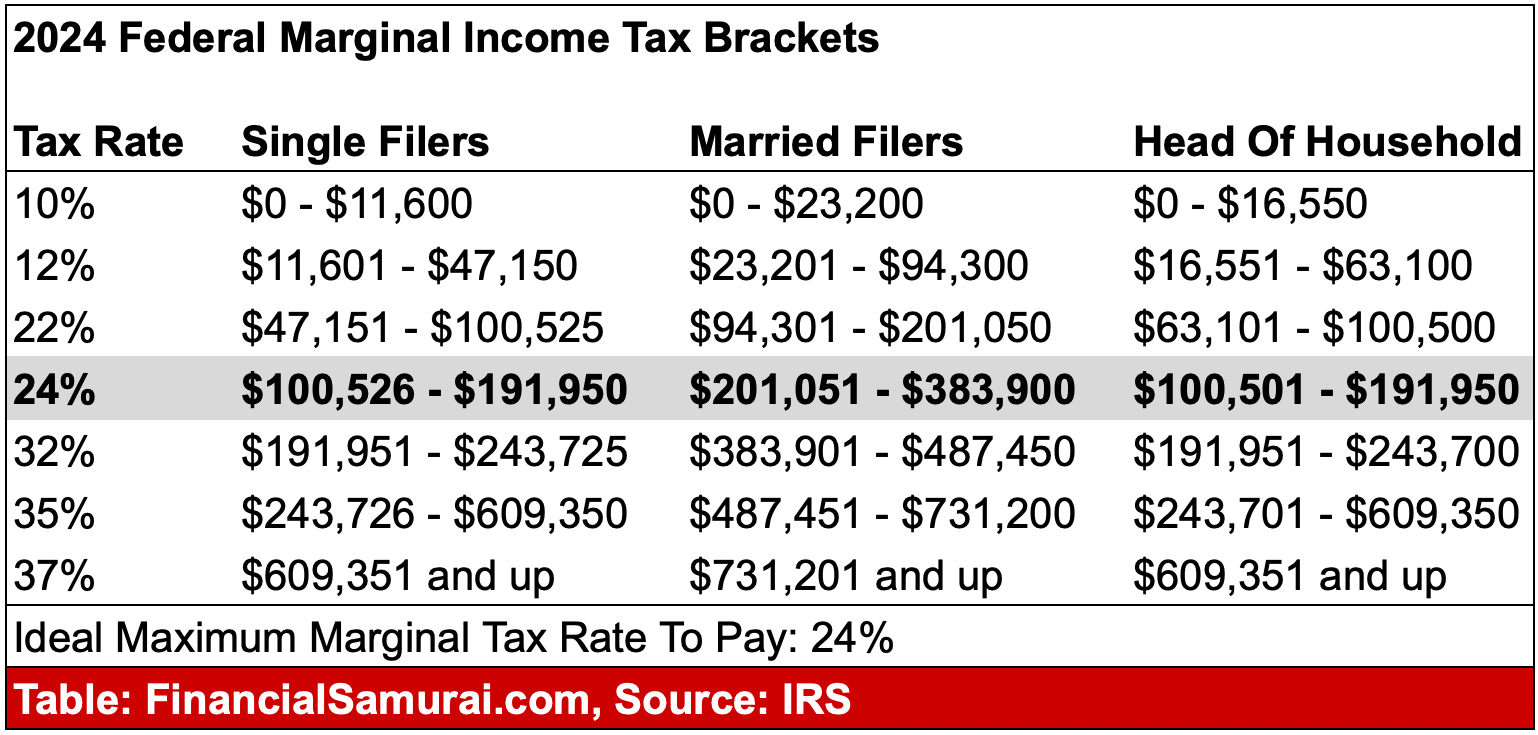
With a Roth IRA, retirees can better manage taxable income. For example, a retiree might use traditional IRA withdrawals up to a certain tax bracket, then supplement additional spending from a Roth IRA. This can reduce the chance of accidentally pushing income into a higher bracket. In plain English: the Roth IRA can help keep Uncle Sam from photobombing every retirement decision.
6. It Can Be Powerful for Young Investors
Young workers often earn less early in their careers than they expect to earn later. That can make Roth IRA contributions attractive because the tax cost of contributing after-tax dollars may be relatively low. If income rises over time, those early Roth contributions may look brilliant in hindsight.
A Roth IRA can be especially useful for students, entry-level employees, freelancers, and early-career professionals with earned income. Even small contributions can matter. A few thousand dollars invested in your twenties can become much more meaningful after decades of compounding. The best retirement dollars are often the ones that get the longest runway.
7. It Helps High-Income Households Think Strategically
High earners may not always qualify to contribute directly to a Roth IRA because of income limits. However, Roth planning may still appear through workplace Roth accounts, Roth conversions, or backdoor Roth IRA strategies. These approaches require care, especially because tax rules such as the pro-rata rule can complicate conversions when pre-tax IRA money exists.
For high-income households, the Roth IRA discussion is less about “Can I contribute directly?” and more about “How do Roth assets fit into my lifetime tax plan?” A high earner in a peak tax bracket may not always benefit from paying taxes upfront. But a high earner expecting significant retirement income, large taxable accounts, pensions, real estate income, or future tax increases may still value Roth exposure.
When a Roth IRA May Be Better Than a Traditional IRA
A Roth IRA may be more attractive when you are in a relatively low tax bracket today, expect higher taxes in the future, want tax-free income in retirement, value withdrawal flexibility, or do not want required minimum distributions during your lifetime.
For example, a 28-year-old earning a moderate salary may benefit from Roth contributions because their current tax rate may be lower than their future tax rate. A 45-year-old with a strong 401(k), taxable brokerage account, and future pension may also benefit from Roth savings because it creates another tax bucket. A 62-year-old preparing for retirement may use Roth assets to manage taxable income before Social Security or Medicare decisions become more sensitive.
When a Roth IRA May Not Be the Best First Choice
A Roth IRA is excellent, but it is not magic. If you are in a very high tax bracket today and expect to be in a much lower bracket in retirement, traditional pre-tax contributions may provide a better immediate benefit. Also, if your employer offers a 401(k) match, capturing the match should usually come before funding an IRA. Free money is rare. When it appears, do not stare at it like it is a suspicious sandwich.
Roth IRA contribution limits are also relatively modest. For serious retirement savers, a Roth IRA is usually one part of a broader plan that may include a 401(k), health savings account, taxable brokerage account, cash reserves, real estate, or business equity.
Roth IRA Contribution Rules and Income Limits
To contribute to a Roth IRA, you generally need taxable compensation. Your contribution cannot exceed your earned income for the year, and annual IRA limits apply across traditional and Roth IRAs combined.
For 2026, the IRA contribution limit is $7,500 for those under age 50 and $8,600 for those age 50 or older. Direct Roth IRA eligibility phases out at higher income levels. Single filers and heads of household begin phasing out at a lower threshold than the full disqualification point, while married couples filing jointly have their own phase-out range. Because these numbers can change, investors should check the current IRS limits each year before contributing.
Watch Out for Excess Contributions
Contributing too much to a Roth IRA can create penalties if not corrected. This often happens when people receive a bonus, change jobs, get married, or underestimate income. The Roth IRA is friendly, but the IRS calculator is not impressed by good intentions.
How to Invest Inside a Roth IRA
A Roth IRA is not an investment by itself. It is an account. Inside it, you can usually hold investments such as index funds, mutual funds, exchange-traded funds, bonds, and in some cases individual stocks. The account is the garage; the investments are the cars. A beautiful garage with no car inside will not get you to retirement.
Many long-term investors use diversified stock index funds or target-date funds inside a Roth IRA because the account is designed for long-term growth. Since qualified growth may be tax-free, some investors prefer to place higher-growth assets in Roth accounts and more tax-efficient or income-focused assets elsewhere. The best allocation depends on age, risk tolerance, time horizon, and the rest of the portfolio.
Roth IRA Withdrawal Rules: Flexibility With Guardrails
Roth IRA withdrawal rules are more flexible than many retirement accounts, but they still require attention. Regular contributions can generally be withdrawn any time. Earnings are different. To withdraw earnings tax-free and penalty-free, the account must usually satisfy the five-year rule and meet another qualifying condition, such as the owner being 59½ or older.
Conversions have their own five-year considerations. If you convert traditional IRA money to a Roth IRA, the converted amount may be taxable in the year of conversion, and early access to converted funds can trigger penalties in certain cases. Roth conversions can be useful, but they are not a casual weekend hobby. They deserve planning.
Roth IRA and Estate Planning
A Roth IRA can be valuable for heirs because beneficiaries may receive tax-advantaged assets. While inherited Roth IRAs are subject to beneficiary distribution rules, qualified withdrawals can still be tax-free. This makes Roth assets attractive for legacy planning, especially for people who do not expect to spend all retirement assets during their lifetime.
Beneficiary designations are crucial. A Roth IRA passes according to the beneficiary form, not necessarily according to a will. Reviewing beneficiaries after marriage, divorce, births, deaths, and major life changes is basic financial hygiene. It is less glamorous than picking investments, but much more important than people realize.
Roth IRA Strategies Inspired by a Financial Samurai Mindset
Think in Terms of Lifetime Taxes
The Roth IRA question is not only “Do I save taxes this year?” It is “How do I reduce lifetime taxes while increasing flexibility?” A disciplined retirement planner compares current tax costs with future withdrawal options. Sometimes paying taxes now creates freedom later.
Start Early, Even Small
Starting a Roth IRA with a small contribution is better than waiting for the perfect moment. The perfect moment usually arrives wearing a disguise called “later,” and later is not an investment strategy.
Use Roth Assets for Strategic Retirement Income
In retirement, Roth withdrawals can help manage taxable income. This can be useful in years with large expenses, capital gains, or other taxable events. Instead of pulling every dollar from a traditional IRA, retirees can use Roth funds to smooth income.
Coordinate With Your 401(k)
A Roth IRA should work alongside workplace retirement accounts. Many savers first contribute enough to get an employer match, then consider Roth IRA contributions, then increase 401(k) savings. The exact order depends on fees, investment choices, tax bracket, and goals.
Common Roth IRA Mistakes to Avoid
Opening the Account but Not Investing the Money
Some people contribute to a Roth IRA and leave the cash sitting uninvested. That is like buying a gym membership and only using the parking lot. Contributions need to be invested according to a thoughtful plan.
Ignoring Income Limits
Roth IRA income limits can sneak up on households with bonuses, side income, stock compensation, or marriage. Check eligibility before contributing, especially if income is near the phase-out range.
Withdrawing Earnings Too Early
Taking out contributions may be flexible, but withdrawing earnings before meeting qualified distribution rules can cause taxes and penalties. Know the difference between contributions, conversions, and earnings.
Forgetting Beneficiaries
Beneficiary forms should be reviewed regularly. Retirement accounts can represent a large portion of net worth, so outdated beneficiary information can create serious family and legal complications.
Practical Example: How a Roth IRA Can Help a Retirement Plan
Consider a 35-year-old investor named Emily who contributes $7,500 per year to a Roth IRA and invests in a diversified portfolio. She also contributes to her 401(k) at work. Her Roth IRA does not reduce her taxes today, but it creates a pool of future tax-free retirement income.
At age 65, Emily may have several income sources: Social Security, a traditional 401(k), taxable brokerage assets, and her Roth IRA. If she needs extra money one year for travel, home repairs, or healthcare, she may choose Roth withdrawals to avoid increasing taxable income. That flexibility can be valuable. Retirement is easier when every dollar does not arrive with a tax label attached.
of Experience-Based Insight: What Roth IRA Planning Feels Like in Real Life
The real benefit of a Roth IRA becomes clearer when you stop seeing it as a product and start seeing it as a future decision-making tool. In real life, retirement planning is rarely neat. People change jobs, start businesses, care for parents, move states, raise children, sell homes, inherit money, face recessions, and occasionally buy things they absolutely insisted were “investments” but were really just expensive hobbies.
From a practical planning perspective, the Roth IRA is valuable because it gives future-you options. When someone is young, the biggest challenge is usually getting started. A Roth IRA can feel approachable because the money is not completely locked away in the same way as many retirement accounts. Knowing that contributions can be accessed if life gets ugly may help a nervous saver begin. That psychological comfort matters. The best retirement plan is not the one that looks most impressive in a spreadsheet; it is the one a person can actually stick with.
For mid-career professionals, the Roth IRA often becomes a tax-diversification tool. This is the stage where income may be rising, expenses may be chaotic, and retirement suddenly feels less theoretical. A person might have a 401(k), home equity, a taxable brokerage account, and maybe stock compensation. Adding Roth assets can prevent all retirement wealth from being trapped in tax-deferred accounts. That matters because future tax rates, healthcare costs, and personal spending needs are uncertain.
For people approaching retirement, Roth money can feel like a pressure-release valve. Suppose a retiree wants to delay Social Security, manage Medicare-related income thresholds, or avoid pulling too much from a traditional IRA during a down market. A Roth IRA can provide cash flow without creating the same taxable income effect as traditional retirement withdrawals. That does not mean Roth withdrawals should be used carelessly. It means they can be used intentionally.
There is also an emotional benefit. Many retirees dislike the feeling that every withdrawal from a traditional IRA creates a tax consequence. Roth savings can reduce that frustration. It is comforting to know that at least some money has already paid its tax toll and can now move more freely.
The biggest lesson from Roth IRA planning is this: the account rewards patience. It is not designed for quick wins. It is designed for people who understand that boring consistency often beats dramatic financial moves. Contribute when eligible, invest wisely, avoid unnecessary withdrawals, review beneficiaries, and coordinate the Roth IRA with the rest of your financial life. Do that long enough, and the Roth IRA becomes less like an account and more like a quiet financial bodyguard standing next to your future retirement income.
Conclusion: Is a Roth IRA Worth It for Retirement Planning?
A Roth IRA can be one of the best retirement planning accounts available, especially for savers who value tax-free growth, flexible withdrawals of contributions, no lifetime required minimum distributions, and better control over taxable income in retirement. It is especially powerful for younger investors, disciplined long-term savers, and households that want tax diversification.
However, it is not automatically the best choice for everyone. Your current tax bracket, expected future tax rate, income eligibility, employer retirement plan, and broader financial goals all matter. The Roth IRA is not a magic wand. It is more like a very sharp kitchen knife: extremely useful when handled correctly, slightly dangerous when used without reading the instructions.
The Financial Samurai-style takeaway is simple: build wealth with intention. Use the Roth IRA when it improves your long-term tax position, retirement flexibility, and financial resilience. Start early if you can. Stay consistent. Invest the money instead of letting it nap in cash. And remember, retirement planning is not about finding one perfect accountit is about building a system that gives your future self more freedom, less stress, and fewer surprise tax headaches.