Note: This article is written for web publishing and synthesizes real information from reputable U.S. hygiene, consumer, accessibility, home-improvement, and product-support sources, including guidance on handwashing, plain soap, dispenser maintenance, refill safety, accessibility, and kitchen/bathroom design.
Why a Soap Dispenser Deserves More Respect Than It Gets
A soap dispenser is one of those everyday objects people rarely think about until it betrays them. It drips on the counter. It clogs right before dinner prep. It shoots soap sideways like a tiny bathroom cannon. Or worse, it sits empty beside the sink, quietly judging everyone who touches the faucet with suspiciously unwashed hands.
Yet the humble soap dispenser plays a surprisingly important role in home hygiene, kitchen organization, bathroom design, and even sustainability. Whether it is a refillable glass bottle on a powder-room vanity, a stainless steel pump next to the kitchen sink, a wall-mounted commercial unit, or a touchless automatic soap dispenser, the right choice can make handwashing easier, cleaner, and more pleasant.
In a world where everyone wants a cleaner home without turning the bathroom into a laboratory, a good soap dispenser is a small upgrade with a big daily payoff. It keeps liquid hand soap, dish soap, lotion, or foaming soap accessible. It reduces plastic bottle clutter. It can match your décor. It can help children build better handwashing habits. And, if maintained properly, it can avoid the mysterious gunk that makes people wonder whether the dispenser is helping clean hands or auditioning for a swamp documentary.
What Is a Soap Dispenser?
A soap dispenser is a container designed to release a controlled amount of soap when activated by a pump, button, lever, or motion sensor. The basic purpose is simple: dispense enough soap for effective washing without wasting product or creating a slippery mess. The best soap dispensers do this reliably, comfortably, and hygienically.
Soap dispensers are used in homes, offices, restaurants, schools, hospitals, hotels, gyms, and public restrooms. In a home kitchen, the dispenser may hold dish soap or hand soap. In a bathroom, it usually holds liquid hand soap or foaming soap. In a commercial restroom, it may be wall-mounted and use sealed refills for easier maintenance and lower contamination risk.
Common Types of Soap Dispensers
Manual pump dispensers are the classic choice. You press the top, soap comes out, everyone moves on with life. They are affordable, easy to refill, and available in glass, ceramic, plastic, resin, and stainless steel.
Automatic soap dispensers use a sensor to detect your hand and release soap without touch. These are popular in kitchens, bathrooms, and public spaces because they reduce contact with the pump surface and can feel satisfyingly futuristic.
Foaming soap dispensers mix soap with air to create foam. They usually require foaming soap or a diluted soap mixture. They can be economical because each pump uses less liquid soap, but they need the right soap consistency to work well.
Wall-mounted soap dispensers save counter space and are common in commercial restrooms, showers, garages, and utility rooms. They may hold liquid soap, foam soap, shampoo, conditioner, or body wash.
Built-in sink soap dispensers are installed through a sink or countertop hole. Many modern kitchen versions refill from the top, which is good news for anyone who has ever crawled under a sink and questioned their life choices.
Why Soap Dispensers Matter for Hand Hygiene
Handwashing remains one of the simplest ways to reduce the spread of germs. The basic formula is not complicated: wet hands, apply soap, lather thoroughly, scrub long enough, rinse, and dry. A soap dispenser supports that routine by keeping soap visible, reachable, and easy to use. When soap is convenient, people are more likely to use it.
For everyday home use, plain soap and water are enough for routine handwashing. Antibacterial marketing can sound powerful, but U.S. health guidance has repeatedly emphasized that plain soap and proper washing technique are effective for normal consumer use. A dispenser does not need to hold a superhero-level antibacterial potion to do its job. It just needs to dispense soap consistently so hands can be washed properly.
The dispenser also affects how people behave. A pump that sticks, clogs, or dispenses too little soap encourages shortcuts. A touchless dispenser that releases a good amount at the right time can make the routine smoother. A clearly labeled kitchen dispenser can prevent someone from accidentally using hand lotion on a frying pan, which is funny once and only once.
How to Choose the Best Soap Dispenser for Your Space
1. Match the Dispenser to the Room
For a kitchen, durability and easy refilling matter most. A stainless steel or built-in soap dispenser works well near the sink, especially if it can hold dish soap and handle frequent use. For a bathroom, design often matters more. Glass, ceramic, stoneware, or matte resin can make a vanity look more polished than a branded plastic bottle with a peeling label.
For a guest bathroom, choose a dispenser that is attractive but not fussy. Guests should not need an engineering degree to wash their hands. For kids’ bathrooms, consider a sturdy plastic or silicone dispenser, a wide base, and a pump that is easy for small hands to press.
2. Pick the Right Material
Glass soap dispensers look clean and elegant. They are easy to see through, so you know when the soap is running low. However, glass can break, which makes it less ideal for young children or slippery shower areas.
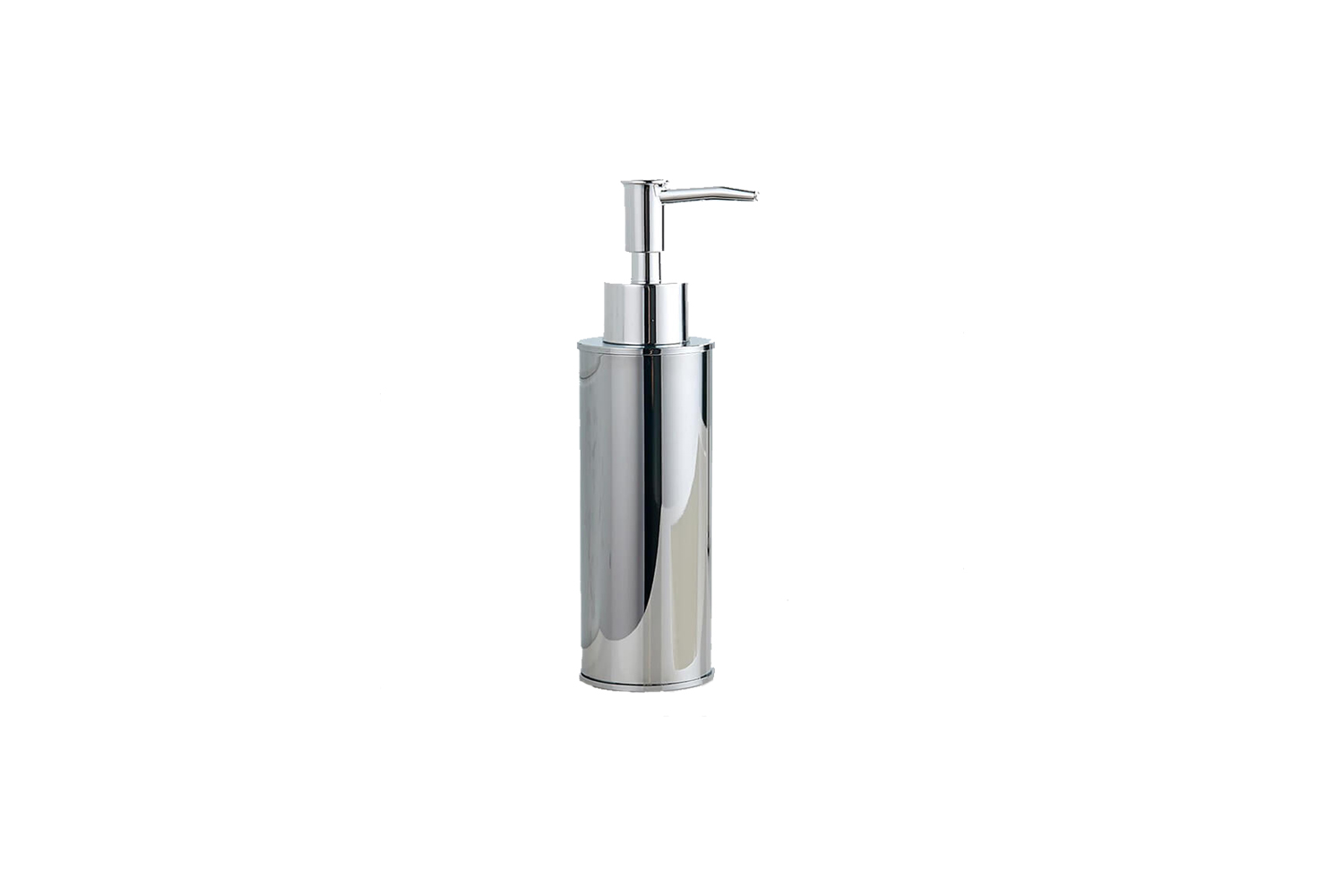
Stainless steel dispensers are durable, modern, and often a good match for kitchen faucets and appliances. Look for rust-resistant finishes and wipe them regularly, because fingerprints love stainless steel the way toddlers love crayons.
Ceramic dispensers offer weight, stability, and style. They are excellent for bathrooms but can chip if dropped. Plastic dispensers are lightweight, affordable, and practical for busy households, utility sinks, and kids’ spaces. Resin and stone-look dispensers provide a decorative feel without the fragility of glass or ceramic.
3. Consider Capacity
A tiny dispenser may look cute, but if you refill it every three days, the charm fades quickly. For a powder room, a smaller bottle is fine. For a kitchen or family bathroom, choose a larger capacity so the dispenser can survive real life: cooking, dishes, muddy hands, art projects, and the person who uses three pumps “just to be safe.”
4. Check Pump Comfort and Reliability
The pump should feel smooth, not crunchy, stiff, or wobbly. A wide pump head is easier on the palm. A good pump dispenses a consistent amount without dripping after use. Cheap pumps can work well at first, but low-quality springs and seals may wear out, especially with thick soap or lotion.
5. Think About Soap Compatibility
Not every dispenser works with every soap. Thick lotion-style soaps may clog narrow pumps. Castile soap and very thin liquids may drip from some pumps. Foaming dispensers need foaming soap or properly diluted liquid soap. Automatic dispensers often perform best with smooth liquid soap and may not tolerate exfoliating beads, gritty formulas, or soaps that are too thick.
Manual vs. Automatic Soap Dispenser: Which Is Better?
Manual Soap Dispensers
Manual soap dispensers are simple, affordable, and dependable. They do not need batteries, charging cables, sensors, or troubleshooting. If the pump clogs, you can usually remove it and soak it in warm water. For many households, a manual pump is the best blend of price and performance.
The downside is that users touch the pump before washing their hands. In a home, this is usually manageable with regular cleaning. In a busy public restroom or shared office, touchless dispensers may be preferable because they reduce contact with high-touch surfaces.
Automatic Soap Dispensers
Automatic soap dispensers feel modern and can reduce mess. They are especially useful in kitchens, where hands may be covered in raw egg, flour, oil, or something sticky that no one wants on the pump. A touchless dispenser can also help children get the right amount of soap without wrestling with a stiff pump.
The trade-offs are cost and maintenance. Automatic dispensers need batteries or charging. Sensors can get dirty. Pumps can clog. Some models dispense too much soap, while others act like soap is a rare mineral. The best automatic soap dispenser is one with adjustable volume, a stable base, easy refilling, and simple cleaning instructions.
Refillable Soap Dispensers and Cleanliness: What to Know
Refillable soap dispensers are convenient and can reduce single-use plastic waste. However, they need to be refilled correctly. The biggest mistake is “topping off” a half-empty dispenser again and again without cleaning it. That practice can leave old soap residue inside the bottle and pump, where buildup may form over time.
In commercial and healthcare settings, sealed soap cartridges are often preferred because they reduce exposure during refilling and typically come with a fresh nozzle. For home use, a refillable dispenser is usually fine when cleaned regularly. The rule is simple: do not treat the dispenser like a magic bottomless soap cave. Empty it, rinse it, clean the pump, let it dry, and refill it with fresh soap.
How Often Should You Clean a Soap Dispenser?
For home use, clean the dispenser every few refills or whenever you notice residue, discoloration, odd smells, reduced flow, or sticky buildup around the pump. In kitchens, cleaning may be needed more often because soap dispensers sit near food splashes, water spots, grease, and the general chaos of dinner.
Simple Cleaning Steps
Empty the remaining soap. Rinse the bottle with warm water. Wash the inside with mild dish soap and a bottle brush if needed. Remove the pump and run warm water through the straw. If the pump is clogged, soak it in warm water, then pump clean water through it until the flow improves. Dry the outside with a soft cloth before refilling.
Avoid harsh abrasives on decorative finishes. For stainless steel, glass, ceramic, and plated pumps, a damp cloth and mild soap are usually enough. If the dispenser has a sensor, wipe the sensor window gently so it can “see” your hand instead of staring blindly through dried soap fog.
Design Tips: Making a Soap Dispenser Look Good
A soap dispenser may be practical, but it also affects the look of a sink area. Matching the dispenser to your faucet, cabinet hardware, mirror frame, or countertop can make the whole space feel more intentional.
Kitchen Styling Ideas
In a modern kitchen, choose brushed stainless steel, matte black, or a built-in dispenser that blends with the faucet. In a farmhouse kitchen, amber glass or a ceramic bottle with a simple label works beautifully. For a minimalist kitchen, use a clear glass or white dispenser and keep only one or two items beside the sink.
Bathroom Styling Ideas
For bathrooms, treat the soap dispenser like a small décor piece. A stone-look dispenser can warm up a neutral bathroom. A ribbed glass bottle adds vintage charm. A matte ceramic dispenser feels spa-like. If the countertop is small, choose a narrow bottle with a stable base so it does not tumble into the sink like a dramatic soap opera actor.
Labeling and Organization
Labels are useful when multiple dispensers sit together. In showers, label shampoo, conditioner, and body wash. In kitchens, label hand soap and dish soap. Clear labeling prevents confusion and makes refilling easier. It also saves your guests from quietly sniffing three bottles while pretending they know what they are doing.
Accessibility and Placement
A soap dispenser should be easy to reach, easy to operate, and positioned where it does not interfere with the faucet. In accessible restrooms, dispenser controls must be placed within appropriate reach ranges and should not block required clear spaces. Even at home, thoughtful placement matters.
Place the dispenser close enough to the sink that users do not drip soap across the counter, but not so close that it bumps the faucet handle. For children, keep the pump low and stable. For older adults or people with limited hand strength, choose a soft-touch pump, wide pump head, or touchless dispenser.
Wall-mounted dispensers should be installed securely and at a comfortable height. Shower dispensers should not be placed where someone will elbow them every time they turn around. A dispenser should help the routine, not become a bathroom obstacle course.
Common Soap Dispenser Problems and Fixes
The Pump Is Clogged
Clogging is usually caused by dried soap, thick soap, or residue in the pump tube. Remove the pump, soak it in warm water, and pump clean water through it. If the dispenser uses very thick soap, switch to a thinner formula or dilute it only if the soap manufacturer allows it.
The Dispenser Drips
Dripping can happen when soap is too thin, the pump seal is worn, or the nozzle has residue. Wipe the nozzle, check for cracks, and test a different soap. If the pump keeps dripping, the pump mechanism may need replacement.
The Automatic Dispenser Will Not Dispense
First, check the batteries or charge level. Then clean the sensor window. Make sure the soap is not too thick and the nozzle is not clogged. Some automatic dispensers have reset or priming steps, so check the product instructions before declaring war on the machine.
The Bottle Smells Odd
An unusual smell may mean old soap residue is trapped inside. Empty the bottle, wash it thoroughly, rinse well, and let it dry before refilling. Do not mix random leftover soaps unless you enjoy creating mystery chemistry beside your sink.
Eco-Friendly Benefits of a Refillable Soap Dispenser
A refillable soap dispenser can reduce plastic waste by replacing repeated purchases of small disposable pump bottles. Buying soap in larger refill containers may also save money over time. For an even cleaner routine, choose concentrated refills, fragrance-free formulas, or products with safer ingredient certifications when available.
Still, sustainability works best when the dispenser lasts. A cheap pump that breaks in a month is not much of an environmental hero. Choose durable materials, replaceable pumps, and simple designs that can be cleaned easily. The greenest soap dispenser is often the one you keep using for years.
Best Places to Use a Soap Dispenser
Kitchen sink: Use one dispenser for dish soap and another for hand soap if space allows. This keeps cooking cleanup efficient and prevents the countertop from looking like a soap bottle convention.
Bathroom vanity: A decorative dispenser instantly upgrades the sink area. Pair it with a small tray to catch drips and hold a hand towel or lotion.
Laundry room: A dispenser can hold hand soap, stain remover, or detergent for small hand-wash items.
Garage or mudroom: Use a durable pump bottle with heavy-duty hand soap for dirt, grease, and garden messes.
Shower: Wall-mounted dispensers can reduce bottle clutter and make small showers feel more organized.
Real-Life Experiences With Soap Dispensers
After using many types of soap dispensers in kitchens, bathrooms, guest spaces, and busy family sinks, one lesson becomes clear: the best soap dispenser is not always the prettiest one. Beauty matters, of course. Nobody wants a sad plastic bottle ruining a carefully styled bathroom. But daily convenience matters more. A dispenser can look like it belongs in a luxury hotel, but if the pump sticks every morning, it becomes a tiny sculpture of frustration.
In the kitchen, a built-in soap dispenser can be a wonderful upgrade. It clears the counter, keeps dish soap close to the sink, and creates a cleaner look. The best versions refill from the top, which is a detail that sounds boring until you have experienced the alternative. Crawling under the sink to unscrew a bottle while trying not to knock over cleaning supplies is not a lifestyle anyone should aspire to. Top-refill designs make the process faster and less messy, especially when paired with a small funnel.
Automatic soap dispensers are another interesting experience. In a kitchen, they can feel genuinely useful. When hands are coated in chicken marinade, bread dough, or garlic, a touchless dispenser is a small miracle. The trick is choosing one that does not overreact. Some sensors are so sensitive they dispense soap when a sponge walks by emotionally. Others require hand positioning so precise it feels like opening a secret vault. Adjustable soap volume is a major advantage because dishwashing, handwashing, and kid use do not all need the same amount.
For bathrooms, glass and ceramic dispensers tend to feel more elevated. They make a vanity look finished, especially when the soap color complements the room. Amber glass works well in warm, natural bathrooms. White ceramic suits clean, spa-style spaces. Matte black can look sharp in modern bathrooms, but it may show water spots. The best trick is placing the dispenser on a small tray. The tray catches drips, protects the counter, and visually groups the dispenser with lotion, a candle, or a folded washcloth.
Foaming soap dispensers are especially good for children. Kids often enjoy the foam, and that little bit of fun can encourage better handwashing. However, foaming dispensers are picky. Use the wrong soap thickness and the foam becomes sad bubbles, watery spit, or nothing at all. A proper foaming formula makes a big difference.
The most overlooked experience is maintenance. Every dispenser, no matter how fancy, needs cleaning. Pumps collect dried soap around the nozzle. Bottles collect residue near the bottom. Automatic models need clean sensors. The simple habit of rinsing the bottle before refilling prevents most problems. A soap dispenser is not high maintenance, but it is not invisible either. Treat it like a small tool, not a permanent decoration, and it will perform much better.
In the end, a soap dispenser improves daily life because it removes friction from a routine everyone repeats many times a day. It makes the sink cleaner, the room more organized, and handwashing more inviting. That is a lot of work for one little pump. Respect the pump.
Conclusion
A soap dispenser may seem like a minor household accessory, but it affects hygiene, design, convenience, and sustainability every single day. The right dispenser keeps soap easy to access, reduces countertop clutter, and supports better handwashing habits. Manual pumps are simple and affordable. Automatic dispensers offer touchless convenience. Glass and ceramic add style, stainless steel adds durability, and refillable bottles can help reduce plastic waste when cleaned properly.
For the best results, choose a dispenser that fits your space, soap type, and daily routine. Clean it regularly, avoid topping it off forever without rinsing, and pay attention to pump quality. A great soap dispenser should not make life complicated. It should sit by the sink, look good, work smoothly, and deliver soap without drama. That is not too much to ask from the hardest-working little bottle in the room.