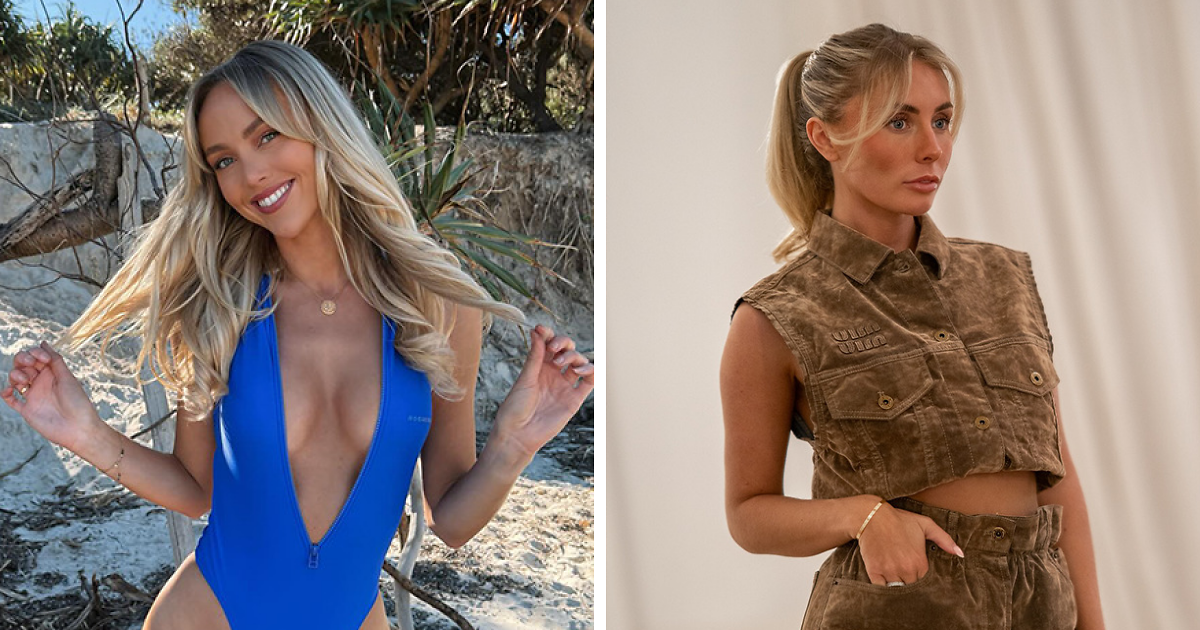
When adult content creator Bonnie Blue, whose legal name is Tia Billinger, was reportedly detained in Bali after authorities investigated alleged adult-content production, the internet reacted the way the internet always reacts: loudly, instantly, and with the emotional balance of a raccoon inside a vending machine. But one response stood out. Fellow adult star Annie Knight, a former friend and industry peer, reportedly called the news “not surprising,” arguing that creators must understand local laws before taking provocative content strategies overseas.
The headline practically writes itself: a viral adult creator, a Bali arrest, a public feud, and a quote sharp enough to slice through a coconut. But underneath the celebrity drama is a more serious story about influencer risk, adult entertainment, international law, social media fame, and what happens when shock marketing crashes into real-world consequences.
This is not just a tale about two headline-making creators. It is a cautionary case study in how modern fame works. One minute, a creator is chasing engagement; the next, they are dealing with immigration officials, seized passports, global headlines, and a former friend saying, essentially, “I told you so.”
Who Is Bonnie Blue?
Bonnie Blue is a British adult content creator who became internationally known for controversial adult-content stunts, headline-grabbing claims, and a deliberate strategy of turning outrage into attention. Her brand has often lived at the intersection of adult entertainment, influencer culture, and provocation. That combination can be extremely profitable online, but it also brings heavy scrutiny.
Blue’s public image has been shaped by viral claims, platform controversies, and criticism over the way her content has been promoted. Supporters often frame her as an unapologetic entrepreneur who understands the attention economy better than most traditional celebrities. Critics argue that her tactics push ethical boundaries, normalize harmful sexual messaging, and use controversy as a business model.
Whatever side people take, one thing is obvious: Bonnie Blue knows how to dominate a feed. The problem is that a feed is not a legal shield. A trending post cannot override immigration rules, morality laws, visa restrictions, or local customs. Bali is not a content studio with palm trees. It is part of Indonesia, a country with strict laws around pornography, public conduct, and foreign visitors working without proper authorization.
What Happened in Bali?
Reports stated that Bonnie Blue was detained in Bali after authorities raided a property suspected of being used for adult-content production. Multiple foreign nationals were reportedly questioned, and officials later focused on possible immigration and public-order violations. Blue was eventually deported and banned from entering Indonesia for 10 years, according to Indonesian immigration officials.
The case also included a separate court matter involving road-rule violations connected to a blue vehicle branded as part of her promotional stunt. While some early headlines focused on possible pornography-related penalties, later reporting indicated that authorities had not confirmed evidence of distributed pornographic material at that stage. The final practical result was still serious: deportation, public embarrassment, a long ban, and a fresh wave of criticism.
For casual readers, the incident may look like another bizarre influencer scandal. For creators, especially those working in adult entertainment, it is a flashing neon sign that says: “Read the laws before filming.” Preferably before the police arrive. Preferably before your name trends next to the word “arrested.”
Annie Knight’s “Not Surprising” Response
Annie Knight, an Australian adult content creator, reportedly reacted bluntly after learning about Blue’s arrest. Her response was not wrapped in soft PR language. Knight said the situation was “not surprising” because, in her view, going to a country where sex work and pornography are illegal and then attempting adult-related work is likely to end badly.
Knight also reportedly said she had warned Blue about the risks. That is what made the comment especially brutal. It was not merely criticism from a stranger. It was criticism from someone who knew her, worked in the same industry, understood the pressures of viral adult content, and claimed to have seen the warning signs before the scandal landed.
Their relationship adds another layer. Earlier in 2025, Knight had publicly presented their connection in friendlier terms, saying they had supported each other as creators. Later, reports described a falling-out between the two, fueled by professional rivalry, personal remarks, platform controversies, and differing views on how far adult creators should go for attention.
In other words, this was not just commentary. It was commentary with history, baggage, and a carry-on full of unresolved drama.
Why Knight’s Reaction Hit So Hard
Knight’s response gained traction because it combined three ingredients audiences love: insider knowledge, moral judgment, and a little bit of “I warned you.” That formula is social media catnip. When a former friend says a scandal was predictable, the public listens.
Her remarks also tapped into a broader debate about responsibility in adult content creation. Adult creators often face stigma, unfair judgment, and platform discrimination. At the same time, they still have to follow laws, obtain proper permissions, protect participants, respect local customs, and avoid assuming that online popularity makes them untouchable.
Knight’s point was simple: adult entertainment is already a high-risk business. Taking it into a foreign country with stricter rules raises the stakes dramatically. A controversial post might get engagement. A legal violation abroad can lead to detention, deportation, bans, fines, or worse.
The Bali Factor: Why Location Matters
Bali has long been a magnet for influencers, digital nomads, wellness entrepreneurs, party travelers, and creators chasing beautiful backdrops. The island offers beaches, villas, clubs, temples, rice terraces, and sunsets that look suspiciously like they were invented by a luxury travel app. But behind the Instagram-friendly scenery is a serious legal environment.
Indonesia has strict rules on pornography and public morality. Foreign visitors are also expected to comply with visa conditions. A tourist visa is generally not permission to run commercial productions, stage promotional events, or create monetized content that violates local law. That distinction matters. A person may see themselves as “just making content,” while authorities may see unauthorized work, public disorder, or illegal material.
This is where many creators get into trouble. The internet blurs borders, but law enforcement does not. A creator can upload from anywhere, but the filming location still matters. What is legal or tolerated in one country may be illegal in another. The camera may be portable; legal risk is not.
From Creator Economy to Consequence Economy
The Bonnie Blue arrest story reflects a major shift in online fame. The creator economy has become a consequence economy. Viral attention can build wealth quickly, but it can also magnify mistakes with ruthless speed.
Modern creators are not only entertainers. They are publishers, marketers, performers, brand managers, compliance officers, and sometimes crisis managers. That is especially true in adult entertainment, where creators face additional requirements around age verification, consent, platform rules, safety, payment processing, and local laws.
The most successful creators understand that risk management is not boring paperwork. It is survival. Contracts, releases, identity checks, location permissions, visa categories, insurance, legal counsel, and emergency planning may not sound glamorous, but neither does explaining yourself to immigration officers while your former friend gives quotes to the media.
Adult Content and Public Backlash
Bonnie Blue’s brand has never been quiet. Her controversies have sparked debates about consent, exploitation, sexual autonomy, platform responsibility, and the ethics of using extreme acts to gain subscribers. Some observers argue that outrage is part of the business model. The more people criticize, the more the name spreads. The more the name spreads, the more curiosity grows. The cycle feeds itself like a drama-powered lawn mower.
But outrage marketing has limits. A creator can turn criticism into traffic only as long as the controversy stays within manageable boundaries. Platform bans, visa violations, public-order investigations, and international legal issues are not ordinary backlash. They are structural risks. They can damage income streams, restrict travel, scare collaborators, and make business partners nervous.
For adult creators, the challenge is even more complicated because mainstream platforms, banks, advertisers, and governments often treat adult content with suspicion. That reality can be unfair, but it is still part of the business landscape. Creators who ignore it may discover that “going viral” is not the same as being protected.
Why This Story Became Bigger Than a Celebrity Feud
The Annie Knight and Bonnie Blue drama became bigger than gossip because it exposed a tension at the heart of influencer culture: creators want freedom, but global attention brings accountability. The more visible a person becomes, the less room they have to pretend nobody is watching.
There is also a cultural layer. Bali has struggled with waves of tourists and influencers behaving as though the island exists mainly as a backdrop for their personal brands. Local authorities have increasingly emphasized respect, visa compliance, and public order. When a foreign creator arrives with a highly provocative brand, authorities are unlikely to treat it as harmless entertainment.
Knight’s response resonated because many people saw the outcome as predictable. In her view, the situation was not a mystery. It was a consequence. And in online culture, consequences are often more shocking than the original stunt.
Specific Lessons for Influencers and Adult Creators
1. Local law beats online confidence
A creator may feel empowered, popular, and financially successful, but none of that overrides local law. Before filming abroad, creators should know whether their planned work is legal, whether their visa allows commercial activity, and whether local authorities could interpret the content as offensive, illegal, or disruptive.
2. “Tourist” and “working creator” are not always the same thing
Many influencers assume that because they work from a laptop or phone, they are not really “working” in the traditional sense. Immigration authorities may disagree. Sponsored content, monetized videos, paid collaborations, adult subscriptions, promotional tours, and filmed productions can all raise visa questions.
3. Consent is necessary, but not always sufficient
In adult entertainment, consent and age verification are essential. But even when adults consent, the activity may still violate local law, platform rules, venue agreements, or immigration conditions. Ethical compliance and legal compliance must work together.
4. Publicity stunts can become legal evidence
Bragging online can attract fans, but it can also attract authorities. Social posts, promotional captions, behind-the-scenes clips, and location tags may help investigators understand what a creator planned or promoted. The same content that builds hype can create problems later.
5. Former friends make powerful critics
Annie Knight’s response mattered because she was not an outsider. She was part of the same adult-content ecosystem and had a personal history with Blue. When someone from inside the circle criticizes a decision, the critique often feels more credible to the public.
The Media Machine Around Adult Creator Scandals
Stories like this spread quickly because they sit at the intersection of taboo, fame, travel, law, and conflict. Traditional entertainment media covers the celebrity feud. Legal-minded readers focus on the Indonesian rules. Social media users debate hypocrisy, empowerment, and accountability. Search engines reward the hottest keywords. Everyone gets a bite of the scandal sandwich.
That media cycle can flatten nuance. Bonnie Blue becomes either a reckless provocateur or a misunderstood entrepreneur. Annie Knight becomes either a truth-teller or a rival taking a shot. The legal situation becomes a headline rather than a process. The public often forgets that allegations, investigations, fines, deportations, and bans are different things.
A responsible reading of the case requires balance. Blue should not be treated as guilty of every early allegation simply because the headlines were dramatic. At the same time, her defenders should not pretend that international content production carries no obligations. Both things can be true: media sensationalism can be excessive, and creator behavior can still be reckless.
Public Reaction: Sympathy, Criticism, and Schadenfreude
Public reaction to the arrest was divided. Some people expressed concern about the severity of possible penalties under Indonesian law. Others argued that Blue should have known better. A third group simply treated the story as entertainment, turning it into memes, jokes, and comment-section theater.
Knight’s “not surprising” comment fed the schadenfreude side of the conversation. People love a scandal more when it comes with a narrator who says, “This was obviously going to happen.” It gives the audience permission to see the event as a moral lesson rather than just a messy headline.
Still, the human side should not be ignored. Being detained abroad, questioned by authorities, and banned from a country is serious. Even controversial public figures are real people dealing with real consequences. The internet is very good at turning someone’s worst week into snackable content. It is less good at remembering that legal trouble abroad can be frightening, expensive, and life-altering.
Analysis: Was Annie Knight Too Harsh?
Was Knight’s response brutal? Yes. Was it baseless? Not necessarily. Her argument rests on a practical point: creators must understand the law where they operate. That is difficult to dispute.
However, the tone of public judgment is worth examining. When a person gets into legal trouble abroad, criticism can quickly shift from accountability to public pile-on. Knight’s comments may have reflected frustration, past conflict, and genuine concern all at once. Human relationships are rarely tidy. Creator feuds are even less tidy, because private resentment often becomes public content.
The most useful takeaway is not simply “Annie was right” or “Bonnie was wrong.” The better takeaway is that adult creators need professional systems around them. Legal advice, travel compliance, safety planning, platform-risk review, and crisis communication are not optional for creators operating at this level. When the brand is built on controversy, the business must be built on caution.
What This Means for Bonnie Blue’s Brand
Controversy has often fueled Bonnie Blue’s visibility, and it would be naïve to assume this incident automatically ends her career. In the attention economy, scandal can become fuel. Searches rise. Curiosity spikes. Podcasts call. Critics post. Supporters defend. The name stays alive.
But not all attention is equally useful. A 10-year ban from Indonesia is not just a headline; it is a concrete restriction. It may also influence how other destinations, platforms, collaborators, and payment processors assess risk. For a creator whose business depends on mobility, shock value, and public performance, legal limitations can reshape future strategy.
Blue’s challenge now is whether she can keep audience interest without escalating risk. That is the trap of outrage branding: each stunt has to feel bigger than the last. Eventually, the stunt may become bigger than the business can safely handle.
Experience-Based Notes: What Covering Creator Controversies Teaches Us
After watching years of influencer scandals, adult-content controversies, platform bans, and viral public feuds, one pattern is impossible to miss: creators often underestimate the gap between online permission and real-world permission. Online audiences may reward bold behavior instantly, but governments, platforms, hotels, landlords, banks, and courts operate on a very different schedule. They do not care if something is trending. They care whether it violates rules.
The Bonnie Blue and Annie Knight story is a classic example of a modern creator collision. On one side is the pressure to remain visible. Visibility is money. Visibility sells subscriptions, brings interviews, creates search traffic, and keeps a creator in the cultural conversation. On the other side is the reality that every new stunt adds risk. The more extreme the content strategy becomes, the more planning it requires. Unfortunately, the public usually sees the glamorous part, not the spreadsheet part. But the spreadsheet part is what keeps people out of trouble.
A smart creator team should treat international filming like a business operation, not a vacation with ring lights. That means checking local laws, hiring local legal counsel, securing proper visas, confirming location permissions, documenting consent, preparing emergency contacts, and deciding in advance what not to film. The most professional creators are not the ones who shout “no limits” the loudest. They are the ones who know exactly where the limits are.
There is also a reputation lesson here. Public feuds can be profitable, but they are unstable. Today’s collaborator can become tomorrow’s critic. When friendships, business deals, and public personas overlap, every disagreement has the potential to become a headline. Annie Knight’s response landed hard because she had history with Bonnie Blue. That history gave her comments emotional weight. For creators, that means relationships are part of brand risk, too.
The final lesson is simple: shock can open the door, but trust keeps the business alive. Adult creators, travel influencers, lifestyle personalities, and online entrepreneurs all face the same basic rule. Attention is not enough. If an audience watches because they expect chaos, the creator may feel pressured to keep creating chaos. But chaos is a poor long-term manager. It does not read contracts, check visas, or call a lawyer before the cameras roll.
Bonnie Blue’s Bali controversy will likely remain a search-friendly headline for a long time because it contains all the elements of viral media: fame, adult content, legal danger, a tropical location, and a former friend with a cutting quote. But the deeper story is less flashy and more useful. The creator economy has grown up. The consequences have grown up with it. Anyone building a career online should take that seriously before the next “brilliant idea” turns into an international incident.
Conclusion
Annie Knight’s “not surprising” response to Bonnie Blue’s Bali arrest was harsh, memorable, and perfectly calibrated for the internet. But the bigger story is not just the feud. It is the collision between adult-content fame, influencer ambition, international law, and the limits of outrage marketing.
Bonnie Blue’s case shows that creators cannot treat every country like an extension of their content calendar. Bali may be beautiful, but beauty does not cancel legal risk. Adult creators, influencers, and digital entrepreneurs need to understand that the rules change when they cross borders. What seems like clever promotion in one place can become a serious problem somewhere else.
Knight’s reaction may have sounded brutal, but it carried a message the entire creator economy should hear: fame is not a permit, virality is not protection, and controversy is not a business plan unless it comes with compliance. In the end, the most shocking part of the story may not be that Bonnie Blue was arrested. It may be that so many creators still believe the internet is bigger than the law.