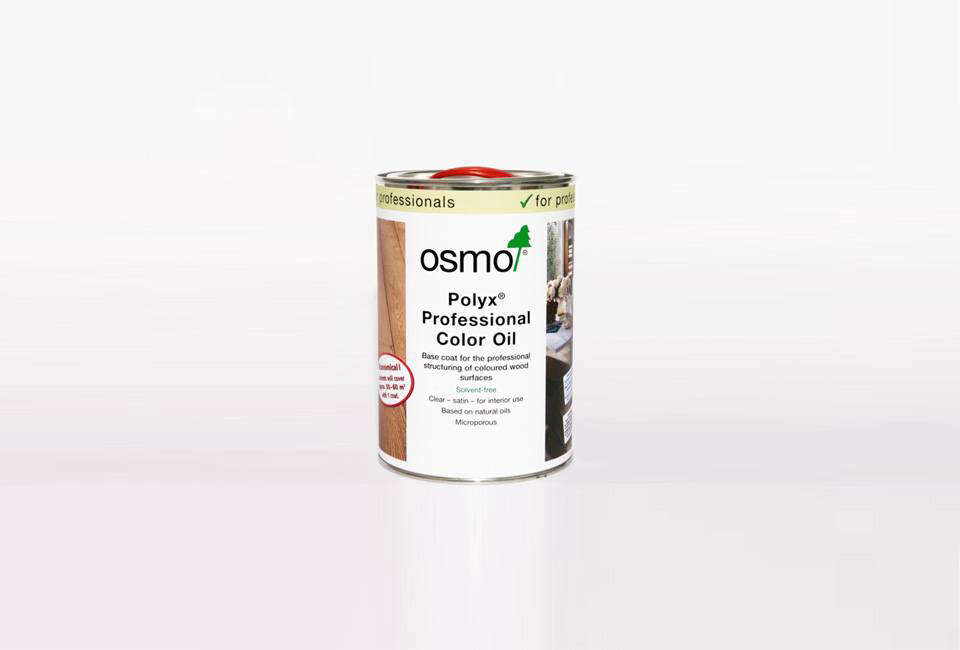
If you have ever looked at a plain wood floor and thought, “Nice, but can you be moodier?” then OSMO Polyx Professional Pro Color Oil – Graphite is the sort of product that earns a second glance. It is not a paint, not a plastic-looking surface film, and definitely not the finish equivalent of dumping a charcoal filter over your room and hoping for the best. Instead, it is a professional color oil system designed to tint unfinished wood while still letting the grain show through. In other words, it gives wood a darker, more architectural personality without turning it into a lifeless slab.
That distinction matters. A lot. People shopping for dark wood finishes often want the drama of black or gray flooring, but they do not want the floor to look like it has been shrink-wrapped in shiny gym-floor plastic. That is where the Osmo approach stands out. The Graphite shade sits in that sweet spot between charcoal, smoked gray, and muted black, depending on the species of wood, the lighting in the room, and the way the finish is applied. Done right, the result feels refined, modern, and expensive. Done wrong, it can look like a design decision made during a thunderstorm. So yes, technique matters.
What Is OSMO Polyx Professional Pro Color Oil – Graphite?
At its core, this product is a professional color oil base coat for unfinished wood, especially wood flooring. The Graphite version is one of the darker tones in the line, meant to create a rich, smoky finish while preserving visible grain and texture. That is an important selling point because many homeowners and designers want color on wood, not color that completely hides wood.
Osmo’s professional color systems are known for using natural oil-based technology and a microporous finish philosophy. That means the finish penetrates the surface and works with the wood instead of building a brittle shell over it. In practical terms, that usually translates into a more natural feel underfoot, a lower-sheen look, and easier spot repair compared with many film-forming finishes.
Just as important, Graphite is not meant to be treated like a one-can miracle. It works best as part of a finishing system. The color oil establishes the tone, and a clear Osmo topcoat is typically what provides the long-term wear layer. Think of Graphite as the stylist and the clear Polyx coat as the bodyguard. One gives the floor personality; the other keeps daily life from ruining that personality by Tuesday.
Why the Graphite Color Gets So Much Attention
It Delivers a Dark Look Without Killing the Grain
The biggest reason people search for Graphite is simple: they want dark wood that still looks like wood. A painted floor can feel flat. A heavily pigmented stain can sometimes read harsh or uneven. Graphite, by contrast, tends to create a sophisticated charcoal tone that still lets the underlying figure, pores, and movement of the timber do some of the talking. The result is more “designer showroom” and less “I accidentally bought the world’s saddest bucket of black paint.”
It Works Across Multiple Design Styles
Graphite plays well with modern, Scandinavian, industrial, contemporary rustic, and even transitional interiors. In a sleek apartment, it reads urban and understated. In a farmhouse-inspired room, it can bring down the sweetness of lighter cabinetry and add balance. Pair it with brass, matte black metal, white walls, warm oak accents, or stone surfaces, and it starts acting like a design diplomat that gets along with almost everyone.
It Changes With the Wood and the Light
This is a feature, not a bug. On some species, Graphite can lean cool gray. On others, it can pull warmer and browner. In daylight, the floor may feel airy and smoky. At night, under warm lighting, it can deepen into a more dramatic charcoal. That is why test boards are not optional unless you enjoy surprise endings.
How the OSMO System Works
One of the smartest ways to understand OSMO Polyx Professional Pro Color Oil – Graphite is to stop thinking of it as a decorative stain alone. It is better understood as a colored base coat in a multi-step wood finishing system. The Graphite layer gives the wood its tone. After that, a clear Polyx or compatible topcoat is generally applied to protect the colored surface from wear, scuffs, moisture exposure, and everyday traffic.
That topcoat matters because dark pigments are unforgiving. Without proper protection, high-traffic paths can start to look tired faster than the rest of the floor. A clear protective coat helps lock in the appearance and improves cleanability and durability. This is one of the reasons professionals like the system approach: it separates color creation from long-term performance.
Another advantage is flexibility. Depending on the application method and the amount used, the final look can range from more transparent and grain-forward to more saturated and dramatic. That gives contractors and experienced DIY users room to tune the result rather than accepting a one-size-fits-all look. It also explains why samples and mockups are worth every minute they take.
Where It Works Best
Wood Floors
This is the product’s natural habitat. If your goal is a dark, sophisticated floor with visible grain and a low-plastic look, Graphite makes a compelling case for itself. It is especially attractive in open-plan living areas, boutique retail spaces, offices, and higher-end residential projects where material character matters.
Stairs and Interior Wood Surfaces
Professional Osmo color oils are also associated with stairs and certain furniture or interior wood surfaces when the full finishing system is used properly. That said, floors are the clearest use case, and that is where the product name carries the strongest reputation. On stairs, Graphite can look stunning, but consistency becomes even more important because every tread catches light differently.
Projects That Need Character, Not Glossy Drama
If you are aiming for a mirror-like shine, this is probably not your soulmate. Graphite shines in projects where the goal is depth, softness, texture, and a premium matte-to-satin visual feel. It suits people who want the wood to look finished, not laminated into another dimension.
Application Basics That Make or Break the Final Result
Let’s be honest: dark finishes are beautiful, but they are also the divas of the finishing world. They reward careful prep and punish sloppy shortcuts. With Graphite, surface preparation is everything. The wood needs to be clean, dry, and evenly sanded. Uneven sanding, leftover residue, filler mismatch, or random scratches can all telegraph through a dark color oil like gossip in a small town.
Natural oil and hardwax-oil systems also behave differently from some conventional floor finishes. The wood species, porosity, and sanding quality all influence the final look. That is why a test patch or sample board is essential. A color that looks perfect on white oak can become warmer, heavier, or more dramatic on another species.
Thin, controlled application matters too. Flooding a pigmented oil onto the surface is an excellent way to create unevenness, tackiness, or regret. The better approach is measured coverage, consistent spread, and enough patience to let the system do its job. Professionals often succeed with these finishes because they treat them like precision work, not like a race against sunset.
And then comes the topcoat. Skipping the protective layer is a little like buying expensive shoes and then wearing them through a construction site. Yes, technically you can do it. No, you should not act surprised later.
What Makes It Different From Ordinary Stains and Polyurethane
The easiest comparison is this: traditional stain gives color, and polyurethane gives a film on top. Osmo-style systems aim to bring those worlds closer together without making the wood feel buried. The color oil soaks in and develops tone, while the hardwax-oil topcoat protects the surface in a way that keeps a more natural visual texture.
That means the final effect often feels softer, warmer, and more tactile than a thick film finish. It also means future maintenance can be friendlier in many cases. Spot repairs and refresh work are often easier with hardwax-oil systems than with finishes that require sanding back entire sections to avoid obvious lap lines or sheen differences.
There is also a design advantage. Dark polyurethane over a conventional stain can sometimes create a heavy, overly glossy look. Graphite in an Osmo system tends to feel more understated. It has depth, but it does not scream for attention like a chandelier wearing sunglasses indoors.
Pros and Cons of OSMO Polyx Professional Pro Color Oil – Graphite
Pros
One, the color is stylish and current without feeling trendy in a disposable way. Two, it allows the grain to remain visible, which is exactly why people choose wood in the first place. Three, the system offers the kind of natural-looking finish that designers and wood lovers usually want. Four, hardwax-oil style systems are well known for easier maintenance and more localized repair potential than many film-heavy alternatives. Five, the Graphite tone is versatile enough to work in both warm and cool palettes.
Cons
The downside is that dark, pigmented finishes demand discipline. Surface flaws show more. Dust can be more noticeable. Color varies by species and sanding quality. The result can shift under different lighting. And because it is part of a finishing system, it is not the ideal choice for someone who wants a completely foolproof one-step shortcut. This is a product that rewards care, planning, and a willingness to do sample testing before the main event.
Who Should Buy It?
OSMO Polyx Professional Pro Color Oil – Graphite makes the most sense for three groups of people. First, flooring professionals and experienced finishers who want a reliable way to create a modern dark floor without sacrificing visible grain. Second, serious DIYers who are comfortable testing, sampling, and following a finish schedule instead of improvising like they are on a home makeover game show. Third, designers and homeowners who care deeply about the final visual texture and do not want a generic off-the-shelf dark stain look.
It is especially appealing when the design goal is “quiet luxury,” “modern organic,” “refined industrial,” or “moody but not gloomy.” Yes, those are design phrases. Yes, they are slightly dramatic. No, I will not apologize, because Graphite is a dramatic color and deserves dramatic company.
Final Verdict
OSMO Polyx Professional Pro Color Oil – Graphite is best understood as a sophisticated color tool for wood, not just another can of stain. It is meant for people who want depth, grain visibility, and a professional dark finish that feels architectural rather than artificial. Its biggest strength is the balance it strikes: bold color without total concealment, natural appearance without fragility, and design flexibility without a plastic, overbuilt look.
The catch is that it expects respect. The wood must be properly prepared. The color must be tested. The topcoat must not be skipped. If you are willing to treat the finish like a system and not a shortcut, Graphite can produce some genuinely beautiful results. If you want a quick splash-and-go project, there are easier products out there. They just usually do not look this good.
So, is it worth considering? Absolutely. For the right project, on the right wood, with the right application, Graphite is the kind of finish that makes a room feel instantly more intentional. And in interior design, “intentional” is often just a polite word for “wow, that looks expensive.”
Real-World Experiences With OSMO Polyx Professional Pro Color Oil – Graphite
A typical experience with Graphite starts with excitement, followed almost immediately by caution. The excitement comes from the color itself. In the can and during early testing, Graphite promises that moody, upscale tone that makes homeowners imagine boutique hotels, custom millwork, and floors that deserve better lighting than a builder-grade ceiling fan. The caution arrives when the first sample board reveals the truth every wood finisher learns sooner or later: wood has opinions.
On one board, Graphite may look sleek and urban. On another, it may look warmer, smokier, or more textured than expected. That is usually the first “aha” moment. People realize the finish is not hiding the timber; it is collaborating with it. For many, that becomes the product’s biggest charm. Instead of looking flat and factory-made, the finished wood feels layered and alive. The grain still whispers underneath the color, which is exactly what fans of hardwax-oil systems tend to love.
Another common experience is surprise at how different the room feels once the color is down. Light woods often make a space feel casual and airy. Graphite shifts the mood into something calmer, sharper, and more deliberate. White walls look cleaner. brass fixtures feel warmer. black metal details stop fighting for attention and start looking like they belong. Even simple furniture can appear more curated. It is one of those rare finish choices that can make a room seem more designed without changing the entire room.
Users also tend to notice that Graphite is less forgiving of sloppy prep than lighter finishes. Tiny sanding mistakes, leftover swirl marks, and inconsistent absorption can show up like uninvited guests. That is why experienced finishers often describe the product as rewarding rather than easy. When the prep is careful, the result looks premium. When the prep is rushed, the floor may remind you of that decision every single day.
Over time, the experience usually shifts from “How do I get this color right?” to “How do I keep it looking this good?” That is where the Osmo system philosophy earns its reputation. Many people appreciate the more natural, lower-build look and the fact that maintenance can feel more manageable than with some heavy film finishes. Instead of dreading the idea of total refinishing at the first scratch, owners often feel more confident about localized touch-ups and refresh work. That peace of mind is a quiet but important benefit.
There is, of course, one very honest real-world note: dark floors show life. Dust, pet hair, and everyday debris can be more visible than on mid-tone wood. Some people mind that. Others think the visual impact is worth the extra sweep. Most end up somewhere in the middle, admiring the finish while muttering affectionately at the broom.
In the end, the real experience of using OSMO Polyx Professional Pro Color Oil – Graphite is not just about color. It is about control, texture, and atmosphere. It gives wood a darker identity without stripping away its character. For people who want a finish that feels thoughtful, tactile, and a little bit cinematic, Graphite tends to leave a lasting impression. Not bad for a can of oil with very serious design ambitions.