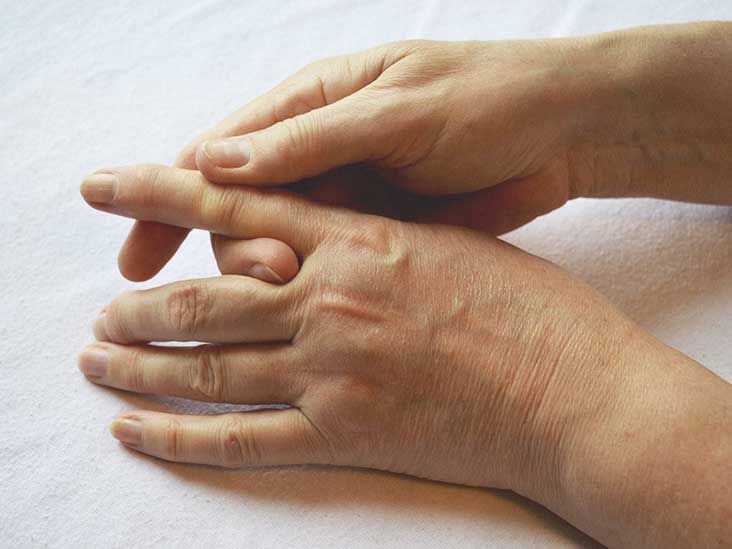
If your finger clicks, catches, locks, or behaves like it has developed a tiny attitude problem, you may be dealing with trigger finger. The official name is stenosing tenosynovitis, which sounds like a villain from a medical drama, but the basic idea is much simpler: the tendon that helps your finger bend can no longer glide smoothly through its sheath. Instead of moving like a well-oiled zipper, it starts snagging like a cheap hoodie.
For many people, rest, splinting, activity changes, hand therapy, or steroid injections can calm things down. But when the finger keeps locking, the pain sticks around, or daily tasks turn into a slapstick routine involving coffee mugs and shirt buttons, trigger finger surgery may be the next step. The good news is that the procedure is usually quick, outpatient, and highly effective for relieving the catching and locking that make this condition so frustrating.
This guide breaks down the trigger finger surgery procedure, what recovery usually looks like, possible risks, and what real-life healing often feels like once you leave the office or surgery center and head back into normal life.
What Is Trigger Finger, Exactly?
Trigger finger happens when the flexor tendon in a finger or thumb becomes irritated and has trouble sliding through the pulley system in the hand. One pulley in particular, called the A1 pulley, is usually the troublemaker. When that area thickens or narrows, the tendon catches. That is why people often notice pain at the base of the finger, morning stiffness, a popping sensation, or a finger that gets stuck in a bent position and then suddenly snaps straight.
Common symptoms include:
- Pain or tenderness in the palm near the base of the finger or thumb
- Clicking, popping, or catching when moving the finger
- Stiffness, especially first thing in the morning
- A small tender lump or nodule in the palm
- Locking in a bent position
- Difficulty fully straightening the finger
It is more common in adults between about 40 and 60, in women, and in people with risk factors such as diabetes, hypothyroidism, inflammatory arthritis, gout, or frequent forceful gripping. So yes, your hand can absolutely file a complaint after years of tools, gardening, repetitive work, or white-knuckling a steering wheel like it owes you money.
When Is Surgery for Trigger Finger Needed?
Not everyone with trigger finger needs surgery. In fact, many cases improve with conservative treatment first. Doctors often start with a combination of rest, splinting, stretching, activity modification, hand therapy, and corticosteroid injection. Surgery usually enters the chat when those treatments fail, symptoms keep returning, or the finger becomes severely locked.
In general, surgery may be recommended when:
- Your finger stays locked or is difficult to straighten
- Non-surgical treatment did not provide enough relief
- Pain interferes with work, sleep, or daily tasks
- You have repeated episodes of triggering
- Your doctor believes delaying treatment could worsen stiffness or function
That does not mean surgery is a dramatic last resort with thunder and violin music. It usually means your doctor is choosing the treatment most likely to restore smooth motion and stop the cycle of catching, pain, and irritation.
The Trigger Finger Surgery Procedure
The most common operation is called trigger finger release or A1 pulley release. It is usually done as an outpatient procedure, which means you go home the same day. Many patients have it performed under local anesthesia, sometimes with light sedation depending on the setting, the surgeon, and the patient’s preference.
Open Trigger Finger Release
This is the standard surgical approach and the one most people mean when they talk about trigger finger surgery. After the area is numbed, the surgeon makes a small incision near the base of the affected finger or thumb. Then the surgeon carefully opens the tight part of the tendon sheath, which gives the tendon more room to glide. Once the pressure is released, the tendon can move more freely, and the locking usually stops.
The skin is then closed, typically with stitches, and a bandage is applied. The whole thing is usually quick. It is not the kind of surgery that requires a dramatic hospital montage or a season finale.
Percutaneous Trigger Finger Release
Some patients may be candidates for percutaneous release, a minimally invasive technique in which a needle is used to release the tight tissue without a traditional open incision. This approach can work well in selected cases, though open release remains the gold standard for many hand surgeons because it offers direct visualization and control.
Your surgeon will choose the best option based on the finger involved, the anatomy, severity, and whether nearby nerves make a needle-based approach less ideal.
How to Prepare for Surgery
Preparation is usually pretty simple, but it still matters. Your surgeon may review your symptoms, your prior treatments, your medical history, and any conditions that can affect healing, such as diabetes. You should also mention all medications and supplements you take, especially blood thinners or anything that affects bleeding or inflammation.
Before surgery, patients are often told to:
- Ask which medicines to keep taking or pause
- Arrange a ride home if sedation will be used
- Wear comfortable clothing that allows easy hand access
- Follow instructions about eating or drinking, if given
- Plan for a few easy days afterward
This is also a smart time to set up your home so you can do basic things one-handed if needed for a day or two. Open jars. Move frequently used items to easy-to-reach places. Pretend you are helping your future self, because you are.
Trigger Finger Surgery Recovery Timeline
Recovery from trigger finger surgery is often described as quick, but that phrase needs a little translation. Many people regain smoother finger motion early. However, complete comfort, scar softening, and full “this hand feels totally normal again” status can take much longer.
The First 48 Hours
Your hand will likely be bandaged, and you may have mild soreness, swelling, or palm tenderness. Elevating the hand can help reduce swelling and discomfort. Many surgeons encourage gentle finger movement almost immediately after surgery to prevent stiffness. That means you may start bending and straightening the finger right away, even if the hand still feels a bit grumpy.
Some people are surprised by how manageable the pain is. Others find the palm more tender than expected, especially around the incision. Both experiences can be normal.
The First 2 Weeks
During this period, the focus is wound care and light hand use. Bandages may be reduced after the first couple of days, and stitches are commonly removed around the two-week mark if non-dissolving sutures were used. You will usually be told to keep the incision clean and dry according to your surgeon’s instructions.
Most people can do light activities fairly soon, though gripping hard, lifting heavily, or doing repetitive hand-intensive tasks may still be uncomfortable. Typing, eating, dressing, and other everyday activities often come back before strength fully does.
Weeks 3 Through 6
By this point, many patients notice major improvement in locking and smoother finger motion. But scar sensitivity, stiffness, or swelling may still linger. The finger may technically work better while the palm still complains a little. This is a classic recovery contradiction.
If motion remains tight or the scar is particularly sensitive, your doctor may recommend hand therapy. A certified hand therapist can help with range-of-motion exercises, scar management, and strategies to restore function without overdoing it.
Months 2 Through 6
This is the phase people do not always hear enough about. The incision may heal in a few weeks, but swelling, firmness in the palm, stiffness, or tenderness can take several months to fully settle. That does not mean something is wrong. It often means your hand is doing normal healing at hand speed, which is occasionally slower than your patience would prefer.
Some patients use the finger normally long before it feels completely “back to normal.” That difference matters. Function may return early, while full recovery can feel more gradual.
What Results Can You Expect?
For most patients, surgery significantly improves or resolves the triggering. The clicking and locking often stop, and daily tasks become easier again. Many people are able to return to normal activities with much less pain and frustration.
That said, results are not identical for everyone. If you had significant stiffness, a bent finger for a long time, or other hand conditions before surgery, your motion may improve a lot without becoming absolutely perfect. Surgery can release the tight pulley, but it cannot erase every bit of preexisting stiffness like a magic wand in scrubs.
Risks and Possible Complications
Trigger finger release is generally considered safe, and serious complications are uncommon. Still, like any procedure, it is not risk-free. Possible issues include:
- Infection
- Bleeding
- Scar tenderness or sensitivity
- Persistent swelling or stiffness
- Incomplete release or ongoing triggering
- Nerve irritation or injury
- Recurrence, though this is uncommon
One of the more common annoyances is not a dramatic complication but simple palm tenderness around the incision. The finger may stop locking quickly while the scar keeps reminding you it exists every time you grab a grocery bag. Usually, that improves over time.
Tips for a Smoother Trigger Finger Surgery Recovery
If you want the short version, it is this: move early, protect the incision, and do not try to prove you are tougher than biology.
Helpful recovery habits include:
- Follow your surgeon’s wound care instructions closely
- Gently move the finger as directed
- Elevate your hand to help with swelling
- Avoid heavy gripping until cleared
- Keep follow-up appointments
- Ask about hand therapy if motion is limited
- Call your doctor if pain, redness, drainage, or fever develops
It is also worth being realistic about timelines. A lot of people hear “quick outpatient surgery” and imagine they will be back to opening pickle jars with superhero confidence by Thursday. Sometimes yes. Sometimes your palm votes no. Recovery tends to go better when expectations are calm, not cinematic.
When to Call the Surgeon
You should contact your surgeon if you notice increasing redness, warmth, swelling, drainage, fever, worsening pain, numbness, or a finger that is not moving as expected. These signs do not always mean something serious is happening, but they deserve prompt attention.
You should also check in if the finger keeps locking, if the wound opens, or if stiffness is getting worse rather than better.
Experiences Related to Trigger Finger Surgery: What Recovery Often Feels Like
Here is the part many people really want to know: what does recovery actually feel like in day-to-day life? Not in brochure language. In real-person language.
Many patients say the biggest emotional reaction after surgery is relief. The finger that used to catch, snap, or freeze during simple tasks often moves more smoothly right away or within the first several days. That first easy bend can feel oddly satisfying, like finally fixing a drawer that has been sticking for months. It is not glamorous, but it is deeply gratifying.
At the same time, people are often surprised that the palm can feel sore even when the finger is already moving better. This is one of the most common “Wait, nobody told me that” moments. The triggering may improve quickly, but the incision area can feel tender when shaking hands, gripping a steering wheel, pushing up from a chair, carrying groceries, or grabbing a doorknob. In other words, exactly when you were hoping to forget you just had hand surgery.
Another common experience is that mornings may still feel stiff for a while. Patients often describe waking up and wondering whether the surgery “worked,” only to find that once the finger loosens up after a few minutes of gentle movement, things feel much better. That early stiffness can be part of normal healing rather than a sign of failure.
People who work at a keyboard sometimes return sooner than those whose jobs involve tools, lifting, repetitive gripping, or heavy manual work. Office workers may be able to ease back in relatively quickly, while mechanics, cooks, hairstylists, warehouse workers, and avid gardeners often need more patience. Recovery is not only about the surgery itself. It is also about what your hand is expected to do afterward.
Patients also frequently mention scar sensitivity. The scar may look small but feel surprisingly dramatic for a while, especially when pressing on the palm. Some describe it as a sharp reminder, others as a bruise-like ache, and others as a weird “firm pebble” feeling in the hand. This usually softens over time, but it can take weeks or even months before the area feels ordinary again.
There is also the mental side of recovery. After months of avoiding certain movements because of pain or locking, some patients keep protecting the finger even after the surgery has solved the mechanical problem. They use the other hand more, hesitate before gripping, or brace for pain that no longer comes. In that sense, recovery is partly physical and partly about trusting your hand again.
For patients who had severe locking before surgery, improvement can feel dramatic. For those with long-standing stiffness, diabetes, multiple affected fingers, or more complicated hand issues, recovery may feel slower and less linear. Good days and “Why is this still puffy?” days can alternate. That is frustrating, but not unusual.
Overall, the most typical recovery story is not instant perfection. It is steady improvement. Less locking. Better motion. A tender palm. Gradually easier daily tasks. Then one day, somewhere between opening a jar, typing an email, or buttoning a shirt, you realize you stopped thinking about that finger every five minutes. That is often the real victory.
Final Thoughts
Trigger finger surgery is a small procedure with a big quality-of-life payoff for the right patient. When clicking, locking, and pain do not improve with rest, splints, therapy, or injections, a quick trigger finger release can free the tendon, restore smoother motion, and make everyday hand use far less annoying.
The procedure itself is usually straightforward. Recovery is often manageable. But the most honest takeaway is this: early motion may come back fast, while complete comfort can take longer than people expect. That is normal. A healed incision and a fully settled hand are not always the same milestone.
If your finger is acting like a faulty light switch, talk with a qualified hand specialist. The right treatment can often get you back to typing, lifting, cooking, gardening, texting, and living without your finger trying to add unnecessary drama to the situation.