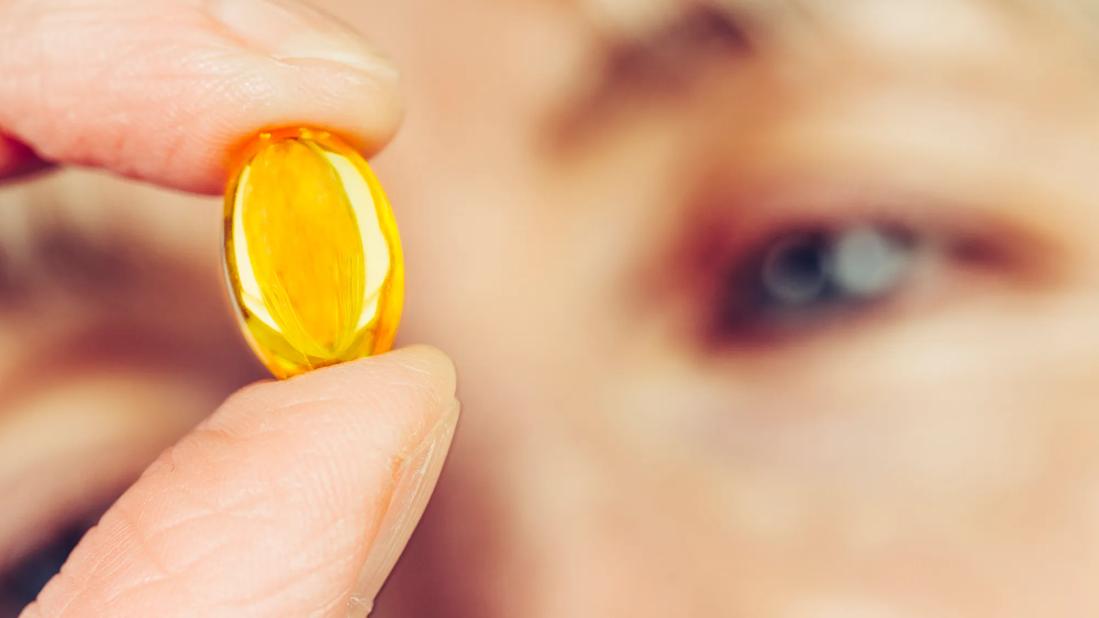
Dry eyes can make a perfectly normal day feel like you’ve been staring into a wind tunnel while wearing contact lenses made of sandpaper. If your eyes sting, burn, water for no apparent reason, or seem to get blurrier the longer you work, you may be wondering whether a vitamin could help calm the chaos.
The short answer is yes, some vitamins and nutrients may help dry eyes but usually not in the magical, one-pill-and-done way supplement labels would love you to believe. In real life, dry eye is a complicated condition. It can happen because you don’t make enough tears, your tears evaporate too quickly, or the tear film itself is low-quality and unstable. That means nutrition can matter, but it’s often just one piece of the puzzle.
When it comes to vitamins for dry eyes, the best evidence points to vitamin A when deficiency is involved, vitamin D in some people with low levels, and vitamin B12 in select cases tied to nerve-related eye discomfort. Omega-3 fatty acids are not vitamins, technically speaking, but they’re so often lumped into the dry-eye conversation that leaving them out would feel rude. They may help some people, especially as part of an overall eye-health strategy, but the research is mixed.
So, are any vitamins helpful for dry eyes? Yes but the smarter answer is this: the right nutrient may help the right person for the right reason. Let’s break down what actually seems useful, what is more hype than hero, and what works better than supplements alone.
Why Dry Eyes Happen in the First Place
Dry eye disease is more than “my eyes feel a little tired.” It happens when the surface of your eyes isn’t staying properly lubricated. Some people don’t make enough tears. Others make tears that dry up too fast because the oily layer is weak. And many people have a mix of both.
Common risk factors include getting older, hormonal changes, contact lens wear, lots of screen time, certain medications, autoimmune conditions like Sjögren’s syndrome, and not getting enough key nutrients such as vitamin A or omega-3 fatty acids. In other words, dry eye can be caused by biology, habits, environment, health conditions, or all of the above teaming up like an extremely annoying supergroup.
That’s why vitamins can help sometimes, but they’re rarely a total cure by themselves. If your dry eye is driven mostly by meibomian gland dysfunction, for example, you may need warm compresses, lid care, and lubricating drops. If it’s linked to inflammation, menopause, autoimmune disease, or nutrient deficiency, your treatment plan may need to be broader.
The Best Vitamins and Nutrients for Dry Eyes
1. Vitamin A: The Headliner
If dry-eye nutrients had a valedictorian, vitamin A would be giving the graduation speech. This vitamin plays an important role in maintaining the surface of the eye and supporting tear-film health. When vitamin A is too low, the ocular surface can become dry, irritated, and more vulnerable to damage.
This is where the nuance matters. Vitamin A is most helpful when deficiency is part of the problem. If you’re already getting enough, swallowing extra capsules does not automatically transform your tears into luxury-grade moisturizer. But if your intake is poor or you have a condition that affects absorption, correcting low vitamin A may improve dry-eye symptoms and help the eye surface function more normally.
Food sources of vitamin A include:
- Eggs
- Dairy products
- Liver
- Sweet potatoes
- Carrots
- Spinach and other leafy greens
One important warning: more is not better. High-dose preformed vitamin A supplements can be harmful, especially during pregnancy. So this is not the time to freestyle your supplement routine like a cowboy in the vitamin aisle.
2. Omega-3 Fatty Acids: Promising, Popular, and Still Debated
Omega-3s are the most talked-about supplement for dry eyes, even though they’re not technically vitamins. They’ve earned that attention because they may support the oily layer of the tear film and help reduce inflammation. In plain English: they may help your tears stick around longer instead of evaporating like tiny, offended ghosts.
Here’s the catch: the evidence is mixed. Some studies and meta-analyses suggest omega-3 supplementation can improve dry-eye symptoms, especially in certain groups or at certain doses. But large, well-known randomized trials have found little or no clear benefit for prevention or treatment, and newer studies in meibomian-gland-related dry eye have also failed to show a strong advantage over comparison oils.
So should you try omega-3s? Maybe. They may still be worth discussing with your clinician if you have evaporative dry eye, meibomian gland dysfunction, or a diet that’s low in fatty fish. But it’s smarter to think of them as a possible helper, not a guaranteed fix.
Good omega-3 sources include:
- Salmon
- Sardines
- Mackerel
- Flaxseeds
- Chia seeds
- Walnuts
Also worth noting: fish-oil supplements can cause side effects like heartburn, nausea, or a fishy aftertaste, and they may interact with some medications. So yes, your tears deserve help, but your primary care clinician still deserves a heads-up.
3. Vitamin D: A Solid “Maybe,” Especially if You’re Low
Vitamin D has become a frequent guest star in dry-eye research. Several studies have found that people with dry eye are more likely to have low vitamin D levels, and recent reviews suggest vitamin D supplementation may improve tear production, tear stability, and dry-eye symptoms in some patients.
That does not mean everyone with itchy, tired eyes should start taking vitamin D blindly. It means vitamin D may be worth checking if your symptoms are stubborn, you have known deficiency risk factors, or your dry eye has not improved with usual treatments.
You can get vitamin D from fortified foods, fatty fish, and sunlight exposure, though supplements are sometimes needed when levels are low. The key is to treat actual insufficiency rather than assuming more vitamin D is always better.
4. Vitamin B12: Helpful in Specific Situations
Vitamin B12 is not the first nutrient most people think of for dry eyes, but it may matter more than expected in select cases. Some research suggests B12 deficiency can be linked to severe dry eye symptoms, especially when neuropathic ocular pain is involved. That’s the kind of pain where the eye discomfort feels out of proportion to what’s visible on the surface.
There is also growing interest in vitamin B12 as part of certain eye-drop formulations. Some small studies suggest B12-containing drops may improve tear stability, comfort, and ocular-surface health in certain groups, including menopausal women.
Translation: B12 is not a universal dry-eye cure, but it may be useful when deficiency, nerve-related pain, or specific formulations are part of the picture.
Foods rich in B12 include:
- Fish
- Meat
- Eggs
- Dairy products
- Fortified cereals
5. Vitamins C and E: More Backup Singers Than Lead Vocals
Vitamin C and vitamin E matter for overall eye health because they help combat oxidative stress. That sounds very scientific because it is, but the practical version is that they help protect cells from damage. Since oxidative stress and inflammation are involved in many eye problems, these antioxidants may support a healthier ocular surface.
Still, the direct evidence for vitamin C or vitamin E supplements specifically treating dry eye is not nearly as strong as it is for vitamin A deficiency or the emerging data around vitamin D. They make more sense as part of a healthy diet than as a dramatic supplement strategy aimed only at dry-eye relief.
Food sources include citrus fruits, berries, peppers, nuts, seeds, and spinach.
Should You Get Nutrients From Food or Supplements?
In most cases, food first is the smarter move. Whole foods bring vitamins, minerals, healthy fats, fiber, and other compounds that supplements simply can’t fully imitate. A diet rich in fish, leafy greens, colorful vegetables, nuts, seeds, eggs, and dairy or fortified alternatives gives your eyes a broader support system than a mystery-softgel lifestyle ever will.
Supplements make the most sense when:
- You have a diagnosed deficiency
- Your diet is limited
- You have an absorption issue
- Your clinician recommends a trial based on your symptoms
- You have a condition such as Sjögren’s syndrome or persistent inflammatory dry eye
This is especially true for vitamin A and vitamin D. Those are nutrients where deficiency can matter, but overdoing supplements can create new problems. Your eyes may be dry, but your decision-making should still be well hydrated.
What Works Better Than Vitamins Alone?
If you really want relief, don’t put all your hope in supplements. Many people get more noticeable improvement from a layered plan that includes everyday dry-eye care.
Use Artificial Tears Wisely
For mild dry eye, over-the-counter artificial tears are often the first stop. If you need drops frequently, preservative-free versions are often the gentler choice.
Do Warm Compresses and Lid Hygiene
If your dry eye is related to meibomian gland dysfunction, warm compresses and regular eyelid care can help the oil glands work better. This can improve tear quality, not just tear quantity.
Make Screen Habits Less Brutal
Long hours at a computer can reduce blinking and worsen dryness. Look away from the screen regularly, blink on purpose, and don’t position fans or vents so they blast directly into your face like your office is trying to season your eyeballs.
Check the Bigger Picture
Dry eye can be worsened by medications, contact lenses, allergies, rosacea, hormone changes, and autoimmune disease. If symptoms keep hanging around like an unwanted party guest, you may need an eye exam and a broader workup rather than another supplement bottle.
So, Are Any Vitamins Helpful for Dry Eyes?
Yes but with a big asterisk. Vitamins and nutrients can absolutely play a role in dry-eye relief, especially when you have an underlying deficiency or inflammation-related symptoms. Vitamin A is the classic must-have for ocular-surface health. Vitamin D looks promising, especially when levels are low. Vitamin B12 may help in more specialized situations. And omega-3 fatty acids may benefit some people, although the research is far from unanimous.
The bottom line is simple: dry eye is rarely solved by supplements alone. The most effective approach usually combines nutrition, smart daily habits, proper eye drops, and medical care when needed. If you want to try vitamins for dry eyes, the best next step is not guessing. It’s figuring out why your eyes are dry in the first place.
Real-Life Experiences Related to Dry Eyes and Vitamins
For many people, dry eye doesn’t begin with a dramatic moment. It starts with small annoyances that are easy to ignore. Maybe your eyes feel gritty by midafternoon. Maybe your vision gets strangely smeary during computer work, then clears when you blink. Maybe you keep buying “redness relief” drops even though they’re not really fixing anything. Dry eye often sneaks in quietly, then starts running the place.
One of the most common experiences is the screen-time spiral. Someone works all day on a laptop, answers messages on a phone, unwinds with streaming at night, and suddenly wonders why their eyes burn like they’ve been chopping onions in a windstorm. In these cases, vitamins may help only a little unless the person also starts blinking more, taking breaks, and using lubricating drops.
Another common experience happens with people who eat reasonably well but still feel convinced they must be “missing something.” They start researching supplements and quickly discover a buffet of promises: fish oil, vitamin A, vitamin D, vitamin E, mystery blends with heroic names, and capsules that imply your tears will return as if summoned by ancient wizardry. What many people learn, after spending more money than they’d like to admit, is that targeted help works better than random supplementation. A vitamin helps more when it matches an actual need.
Then there are people whose symptoms come with bigger health changes. A woman going through perimenopause may notice worsening dryness in her eyes, skin, and mouth all at once. Someone with an autoimmune condition may experience persistent irritation that over-the-counter drops barely touch. A person with low vitamin D or low B12 may feel as if their eyes are not just dry, but oddly painful or tired in a deeper way. In those situations, dry eye feels less like a simple inconvenience and more like a clue that the whole body wants attention.
People also describe the weird contradiction of dry eye causing watery eyes. It sounds backward, but it’s common. The eyes get irritated and respond with reflex tearing, yet the tears still don’t lubricate properly. So a person can feel dry, blurry, and watery at the same time which is frankly an overachieving symptom list.
Another shared experience is trial and error. Someone adds more salmon, nuts, and leafy greens to their meals and notices subtle improvement after a few weeks. Someone else tries omega-3 supplements and feels no difference whatsoever except a fishy burp they did not invite. Another person learns that treating blepharitis, changing contact lens habits, or switching to preservative-free tears made a bigger difference than any supplement.
What these experiences have in common is this: dry eye is personal. For one person, nutrition makes a noticeable difference. For another, the breakthrough comes from an eye doctor finding inflammation, meibomian gland dysfunction, medication side effects, or a true vitamin deficiency. The most helpful lesson is often not “take this one vitamin.” It’s “pay attention to patterns, support your overall eye health, and get the right evaluation if symptoms keep sticking around.”
In other words, dry eyes are real, annoying, and sometimes surprisingly complicated. But they are also manageable. And while vitamins can be part of the solution, the best results usually happen when supplements stop trying to be superheroes and join a smarter, full-team treatment plan.
Conclusion
If you’ve been searching for the best vitamins for dry eyes, the evidence suggests there’s no one-size-fits-all answer. Vitamin A is essential for maintaining the eye’s surface, vitamin D may be useful when levels are low, vitamin B12 may help certain people with deficiency or nerve-related symptoms, and omega-3 fatty acids remain a reasonable but debated option. The real win comes from matching the treatment to the cause.
So before you load up on supplements like you’re preparing for a multivitamin apocalypse, take a more strategic route. Improve your diet, build healthy eye-care habits, and talk with a clinician if symptoms are persistent. Your eyes will appreciate the effort preferably without needing to communicate only through burning, blurring, and passive-aggressive watering.