Every generation leaves behind a few cultural fingerprints. The Greatest Generation gave America frugality, handwritten letters, and the idea that canned peaches could solve almost any problem. Gen X gave us mixtapes, sarcasm, and a suspiciously strong attachment to flannel. Baby Boomers, born between 1946 and 1964, gave the United States suburbs, rock radio, mall culture, landlines, television news, long careers, and the belief that every appliance should last at least 30 yearsor be repaired by “a guy I know.”
But as the oldest Baby Boomers turn 80 in 2026 and the youngest move deeper into their 60s, many habits associated with this generation are beginning to fade, shrink, or transform. That does not mean Boomers are stuck in the past. Plenty of them stream shows, use smartphones, travel, work part time, and text faster than their grandchildren can reply. Still, some trends were shaped by the world Boomers grew up in: a postwar economy, mass homeownership, broadcast television, employer pensions, printed newspapers, organized civic life, and the great American weekend trip to the mall.
This article explores the trends that may end with the Baby Boomersor at least lose their old form. Think of it less as a funeral and more as a cultural yard sale: a little nostalgic, a little revealing, and full of items someone insists are “still perfectly good.”
Why Baby Boomer Trends Matter
Baby Boomers are not just another age group. They have influenced American politics, housing, consumer spending, media, family life, and workplace norms for decades. As the U.S. population ages, the Boomer generation continues to shape what companies sell, how communities plan services, and how families talk about retirement, inheritance, caregiving, and homeownership.
The phrase “trends that may end with the Baby Boomers” should be used carefully. No generation behaves as one giant personality wearing comfortable sneakers. Still, generational trends are useful because they show how people adapt to the technologies, institutions, and economic conditions available during their prime years. Boomers came of age when television had only a few channels, a single-family home was considered the centerpiece of the American dream, and retirement often meant a clear finish line after decades with one employer.
Younger generations grew up differently. Millennials and Gen Z entered adulthood with smartphones, student debt, streaming services, app-based payments, remote work, online shopping, and a housing market that often feels like a competitive sport with no referee. That gap helps explain why some Boomer-era habits are becoming less common.
1. The Landline as the Family Command Center
For many Baby Boomer households, the landline was not just a phone. It was a household institution. It sat in the kitchen, rang loudly enough to interrupt dinner, and came with rules: answer politely, do not stay on too long, and never call after 9 p.m. unless someone was in trouble.
Today, wireless-only households dominate American communication. Younger adults often see a landline as something found in a hotel room, a doctor’s office, or a movie where someone is about to receive bad news. The smartphone has replaced the household phone with individual, portable, always-on communication. Calls themselves have also changed. Many younger people prefer texts, voice notes, video chats, or messaging apps.
Landlines will not vanish overnight. Some older adults keep them for familiarity, emergency access, or because the number has been in the family longer than several relatives. But the idea of one shared phone anchoring the home is fading. With Boomers, we may be watching the final generation that remembers racing siblings to answer a ringing phone without caller ID.
2. Paper Checks, Cash Envelopes, and the Ritual of Paying Bills
There was once a weekend ritual that involved a checkbook, a stack of bills, stamps, and a calculator that made someone feel very financially responsible. Baby Boomers helped normalize that style of household money management: write the check, balance the register, mail the payment, file the receipt.
That habit is now giving way to debit cards, credit cards, digital wallets, automatic payments, peer-to-peer apps, and bank transfers. Even cash has become less central to everyday purchases, especially among younger consumers. For Boomers, cash and checks can still feel practical, visible, and controlled. For younger generations, they can feel slow, inconvenient, or even suspiciously antiquelike paying rent with a quill pen.
The shift is not only about technology. It is also about trust. Boomers often learned to trust paper records. Younger generations are more likely to trust searchable transaction histories, app alerts, and digital receipts. The checkbook may not disappear entirely, but its role as a normal everyday tool is shrinking fast.
3. Traditional Cable TV and Channel Surfing
Baby Boomers grew up with television as the great national fireplace. Families gathered around scheduled programming, watched the evening news, followed network dramas, and learned the sacred skill of channel surfing. Cable expanded that universe, turning the remote control into a household power object.
Now streaming has changed the entire relationship between viewers and screens. Instead of waiting for a show at 8 p.m., people watch on demand. Instead of buying a massive cable bundle, many households rotate subscriptions, use free ad-supported streaming, or watch short-form video on social platforms. Traditional pay-TV subscriptions have been declining for years as consumers cut the cord and move toward streaming services.
This does not mean Boomers do not stream. Many do. But they are among the last generations for whom cable television represented modern abundance. Younger viewers are more likely to ask, “Which app is it on?” than “What channel?” The channel number, once essential information, is becoming a cultural fossil.
4. Print Newspapers as a Daily Habit
For decades, the morning newspaper was a daily ritual: coffee, headlines, sports scores, weather, comics, coupons, and maybe a crossword puzzle attacked with the confidence of someone who definitely knows a five-letter word for “ancient lyre.” Baby Boomers helped sustain that print culture through subscriptions and daily reading habits.
Digital news has changed the rhythm. News now arrives through apps, newsletters, podcasts, search engines, social platforms, alerts, and short videos. Younger readers may still value journalism, but they rarely build their mornings around a folded newspaper at the kitchen table. Even local news consumption has shifted online, often fragmented across city newsletters, neighborhood groups, and social feeds.
The biggest loss may not be the paper itself but the shared ritual. A print newspaper gave many households a common starting point for conversation. Digital news is more personalized, faster, and more searchable, but it can also be more scattered. With the Baby Boomers, the daily print newspaper may become less of a mass habit and more of a specialty product for loyal readers.
5. The Mall as an All-Purpose Social Universe
For Boomers and their children, malls were not just places to buy socks. They were climate-controlled towns with food courts, department stores, movie theaters, fountains, and teenagers pretending not to be supervised. Many Boomers embraced malls as symbols of convenience, suburban growth, and middle-class retail life.
Malls are not dead, despite years of dramatic headlines. In fact, some are being reinvented with restaurants, entertainment, fitness centers, pop-ups, luxury stores, and experience-driven retail. But the classic Boomer-era mallanchored by department stores and built around routine shopping tripsis changing.
Younger consumers often blend online research, resale shopping, social media discovery, and in-person experiences. They may go to malls for events, beauty products, food, or entertainment rather than a full Saturday of department-store browsing. The mall may survive, but not as the same retail kingdom Boomers once knew.
6. The Department Store as the Default Shopping Destination
At its peak, the department store solved multiple problems at once. Need a suit, perfume, towels, school clothes, luggage, and a gift for Aunt Linda? Go to the department store. Baby Boomers grew up when department stores carried authority. They had salespeople, fitting rooms, gift wrap, seasonal displays, and escalators that made children feel like they were entering a glamorous airport.
Today, retail is more fragmented. Consumers shop through marketplaces, brand websites, discount chains, warehouse clubs, specialty stores, resale apps, and social commerce. The department store still exists, but it no longer feels like the universal center of shopping life.
Younger shoppers often want speed, price transparency, niche brands, ethical sourcing, flexible returns, and discovery through influencers or online reviews. They may visit a physical store, but they arrive with more information than the salesperson. The old department-store model may not disappear, but its cultural power has clearly thinned.
7. The Suburban “Forever Home” as the Ultimate Dream
Baby Boomers are strongly associated with the suburban single-family home: the lawn, the driveway, the garage, the grill, the guest room, and the mysterious drawer full of batteries that may or may not work. For many Boomers, homeownership represented adulthood, stability, and wealth building.
That dream still exists, but younger generations face a more complicated housing reality. High home prices, mortgage rates, student loans, job mobility, delayed marriage, and changing lifestyle preferences have reshaped the path to ownership. Many younger adults rent longer, buy later, live in smaller spaces, or consider condos, townhomes, multigenerational housing, or walkable neighborhoods.
Boomers and older Americans hold a major share of U.S. housing wealth. As they age, downsize, move, or pass homes to heirs, housing markets may shift. But the “silver tsunami” of homes entering the market is likely to vary by region. The forever home may not vanish, but the assumption that every generation will follow the same suburban script is already fading.
8. Retirement as a Clean Finish Line
The classic retirement story used to be simple: work for decades, receive a pension or retirement benefits, get a cake in the break room, and spend your golden years traveling, gardening, or arguing with the thermostat. Baby Boomers inherited that ideal, even though many did not receive it equally.
Now retirement is becoming more flexible and less predictable. Many older adults continue working because they want purpose, social connection, or extra income. Others work because housing, healthcare, and everyday expenses make full retirement difficult. At the same time, younger generations are less likely to expect one employer, one pension, and one dramatic retirement party.
The future may look more like phased retirement: part-time consulting, seasonal work, gig income, encore careers, small businesses, caregiving breaks, and flexible schedules. The old gold-watch retirement model may be one of the biggest trends to fade with the Baby Boomers.
9. Workplace Loyalty to One Employer
Many Boomers built careers in a world where staying with one employer for decades could be seen as honorable, practical, and financially wise. A stable job often came with benefits, a predictable ladder, and a sense of identity. “I work for the company” meant something close to “I belong there.”
Younger workers entered a different labor market. Layoffs, outsourcing, contract work, remote jobs, side hustles, and rapid technological change have made job-hopping more common and sometimes necessary. Loyalty still matters, but it is often conditional: fair pay, flexibility, growth, culture, and work-life balance must be part of the deal.
The Boomer model of lifetime employment may become more symbolic than standard. Future careers are likely to be portfolios rather than ladders, with skills, networks, and adaptability replacing long tenure as the main currency.
10. Formal Civic and Religious Membership
Baby Boomers grew up when joining was a normal part of adult life. Churches, unions, clubs, neighborhood associations, veterans’ groups, bowling leagues, professional organizations, and civic committees helped structure community. Membership provided identity and social support.
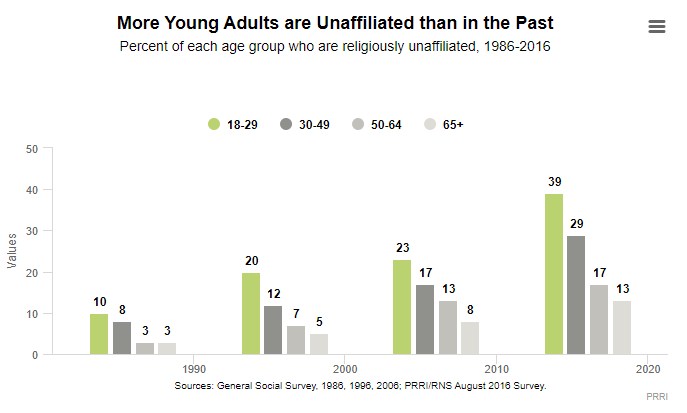
In recent decades, formal participation in many institutions has declined. Religious attendance and membership have fallen, especially among younger adults. Civic life has not disappeared, but it has become more informal, digital, issue-based, and flexible. A younger person may not join a club for 20 years, but they may donate online, organize through social media, attend a local event, or volunteer for a specific cause.
That shift matters because institutions once helped people build trust across age, income, and political lines. The challenge for younger generations is not whether community will exist, but whether it can be rebuilt in forms that are durable, welcoming, and less dependent on old membership models.
11. Facebook as the Family Bulletin Board
Facebook is not only a Boomer platform, but it has become deeply woven into how many older adults maintain family and community ties. Birthdays, reunion photos, neighborhood alerts, prayer requests, recipes, vacation albums, and “Does anyone know a good plumber?” posts all live there.
Younger users are more scattered across platforms. They may use Instagram, TikTok, Snapchat, Reddit, Discord, YouTube, group chats, or whatever new app appears five minutes after this article is published. Facebook remains widely used, but its cultural role has changed. For many younger adults, it is less a daily identity platform and more a utility: marketplace, groups, events, or family updates.
The Boomer-era Facebook habit may not end the platform, but it may end the idea of one dominant social network where everyone from high school classmates to cousins to former coworkers gathers in the same digital room.
12. Brand Loyalty Built Through Mass Advertising
Boomers came of age during the golden age of mass advertising. Television commercials, jingles, magazine spreads, radio spots, and supermarket displays built powerful brand loyalty. If a household used one detergent, cereal, toothpaste, or car brand for decades, that was not unusual. The brand had earned a place in the family routine.
Younger consumers are more likely to compare reviews, switch brands, buy private labels, try direct-to-consumer products, or follow recommendations from creators. Loyalty still exists, but it is more fragile. Price, convenience, values, quality, and social proof can quickly override tradition.
That does not mean younger shoppers are disloyal. It means they are loyal differently. They may love a brand intensely for a season, then move on when quality slips, prices rise, or a better alternative appears. The old “my parents bought it, so I buy it” pattern may fade with Boomers.
13. Repair Culture and the “Keep It Until It Breaks Twice” Mentality
Many Baby Boomers grew up with parents who repaired, reused, and saved. That mindset carried into adulthood. A Boomer might keep a refrigerator for 25 years, a lawn mower for 30, and a box of cables labeled “important” until archaeologists intervene.
Modern products are often cheaper to replace than repair, and many devices are harder for consumers to fix. Younger generations also live in smaller spaces and move more often, making long-term storage less appealing. Still, repair culture may be due for a comeback through sustainability, right-to-repair movements, thrift shopping, and resale platforms.
What may end is not repair itself, but the Boomer version of it: the basement workshop, the coffee can of screws, the handwritten appliance manual, and the confident sentence, “Don’t throw that outI can use it for something.”
14. Voicemail, Formal Phone Etiquette, and the Full-Sentence Message
Boomers often treat phone communication as a sign of respect. A call is direct. A voicemail is useful. A message should include a greeting, a reason, and a callback number, even if caller ID already exists. Younger adults often view unexpected calls as tiny emergencies wearing normal clothes.
Texting has changed etiquette. Many people now send a message before calling: “Can you talk?” Voicemail is often ignored, transcribed badly, or replaced by a text summary. Business communication has also shifted toward email, chat, project tools, and video meetings.
Formal phone manners will not disappear entirely, especially in healthcare, customer service, and professional settings. But the social default has changed. The Boomer habit of calling first and explaining later may be one of the smaller, funnier trends that fades with time.
15. The Idea That Aging Means Slowing Down Completely
Ironically, one trend that may end with the Baby Boomers is the old stereotype of aging itself. Boomers have pushed back against the idea that later life must be quiet, passive, or invisible. Many continue working, traveling, dating, volunteering, exercising, studying, starting businesses, and helping raise grandchildren.
As the country ages, the meaning of “old” is changing. Older adults are not a single group; a 62-year-old and an 82-year-old may have very different health, finances, goals, and daily routines. Boomers are helping force employers, marketers, healthcare systems, and families to recognize that later life can include reinvention as well as rest.
So while many Boomer-era habits may fade, one Boomer influence may remain powerful: the refusal to be quietly filed away. If aging in America becomes more active, more visible, and more flexible, Boomers will deserve some credit for making “senior” sound less like a category and more like a chapter.
Experiences Related to Trends That May End With The Baby Boomers
You can often see generational change most clearly in ordinary family moments. Imagine visiting a Boomer parent or grandparent for a holiday weekend. The house may still have a landline number everyone remembers by heart, even though nobody under 35 has dialed it in years. There may be a cabinet full of printed warranties, a drawer of takeout menus, a cable remote with more buttons than a small airplane, and a stack of greeting cards saved because “the handwriting is nice.” None of these things are meaningless. They are artifacts of a life built around physical records, durable objects, and routines that felt dependable.
One common experience is the payment conversation. A younger adult offers to send money through an app. A Boomer replies, “I’ll write you a check.” Both people are trying to solve the same problem, but they are speaking different financial languages. The check feels safe and official to one person. The app feels instant and obvious to the other. Neither is foolish. They simply learned trust in different systems.
The same thing happens with television. A Boomer may ask what channel a show is on. A younger person responds, “It’s streaming.” Then comes the modern household ritual: searching four apps, resetting one password, discovering the show moved to another service, and briefly considering whether cable was actually simpler. In that moment, the old and new worlds meet. Cable was expensive and limited, but it was also centralized. Streaming is flexible and abundant, but sometimes it feels like a treasure hunt designed by raccoons.
Housing creates deeper emotional experiences. Many Boomer homes are memory museums: growth charts on doorframes, holiday dishes, basement tools, photo albums, and furniture that has survived multiple presidents. Younger family members may admire the stability but also wonder how they could ever afford something similar. When Boomers talk about buying a house in their 20s or 30s, younger adults may hear it as a story from another planetone with cheaper homes and fewer subscription fees.
There are also experiences around community. A Boomer may still attend the same church, club, or neighborhood group for decades. Younger adults may value community just as much, but they build it differently: group chats, coworking spaces, online forums, fitness classes, volunteer events, and temporary project-based networks. The desire to belong remains. The container changes.
Perhaps the most touching experience is watching Boomers adapt. The stereotype says they resist change, but real life is more generous. Many learn video calls to see grandchildren, use grocery apps after surgery, stream music from their youth, or text emojis with heroic confidence. Their habits may fade, but their adaptability is often underestimated. The end of a trend does not mean the end of relevance. It means culture keeps moving, and each generation decides what to carry forward, what to remix, and what to finally leave in the drawer next to the mystery cables.
Conclusion: What Fades, What Stays, and What Gets Reborn
The trends that may end with the Baby Boomers are not disappearing because they were bad. Many were practical responses to the world Boomers inherited: landlines worked, checks created records, cable delivered entertainment, print newspapers organized the day, malls brought shopping indoors, and long careers promised security. These habits made sense in their time.
But culture changes when technology, economics, and values change. Younger generations are not simply rejecting Boomer trends; they are adapting to a different reality. They communicate faster, pay digitally, stream selectively, shop across channels, work more flexibly, question institutions, and build community in new ways. Some changes are exciting. Some are messy. Some make everyone miss the simplicity of a phone that only made phone calls.
Baby Boomers will leave behind more than fading trends. They will leave homes, stories, music, institutions, expectations, and debates about what a good life should look like. The smartest way to understand this transition is not to mock the old or worship the new. It is to notice what each habit was trying to provide: connection, security, identity, convenience, belonging, and control. Those needs will not end with the Baby Boomers. Only the packaging will.
SEO Tags
Note: This article is written in original standard American English for web publishing and is based on real demographic, consumer, labor, payment, housing, retail, and media trends without adding source-link elements inside the article body.