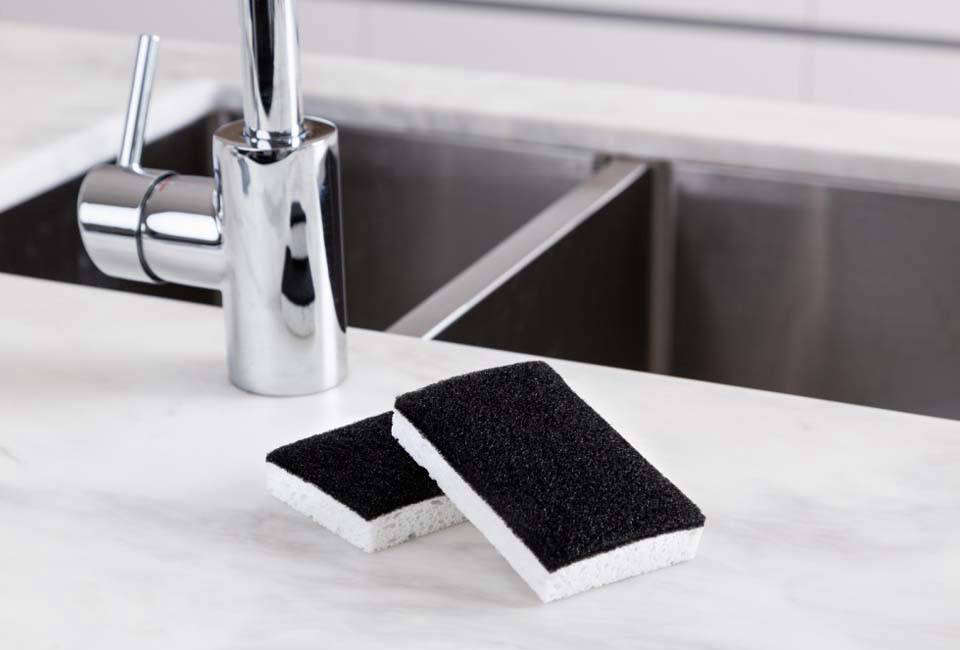
A Black & White Scourer Sponge sounds almost too stylish for a job that involves lasagna crust, sink grime, and the mysterious sticky spot under the toaster. Yet here we are: the humble kitchen sponge has entered its minimalist era. Instead of shouting from the sink in neon green or electric yellow, the black and white scourer sponge brings a cleaner, modern look while still doing the dirty work nobody wants to brag about at brunch.
But this sponge is more than a pretty countertop accessory. A good black and white cleaning sponge combines absorbency, scrubbing power, surface control, and everyday convenience. The dark scrubbing side is often associated with tougher messes, while the white sponge or softer scouring side is commonly used for wiping, rinsing, and gentler cleaning. In plain English: one side argues with dried sauce, the other side makes peace with the plate.
This guide breaks down what a black and white scourer sponge is, how to use it safely, which surfaces deserve caution, how to keep it cleaner, and why this small household tool has become popular with people who want their kitchen sink area to look less like a cleaning aisle exploded.
What Is a Black & White Scourer Sponge?
A black and white scourer sponge is typically a dual-purpose cleaning sponge designed with two functional surfaces. One side is made for scrubbing stuck-on food, soap residue, grease, or general household grime. The other side is usually softer and more absorbent, helping with wiping, rinsing, and everyday dishwashing.
While exact materials vary by brand, most dish sponges are made from porous foam, cellulose, synthetic sponge material, or blended fibers. The scouring layer may be made from nonwoven synthetic fibers bonded together to create texture. Some versions are labeled non-scratch, while others may be more abrasive. That small difference matters a lot. Your nonstick skillet, glass stovetop, stainless steel appliance, and glossy countertop all have feelingsor at least finishes that can be scratched.
The black and white color combination also appeals to design-conscious homeowners. Instead of a bright sponge that visually interrupts a neutral kitchen, this sponge blends easily with white sinks, black fixtures, marble-style countertops, matte appliances, and modern dish racks. It is the sponge equivalent of wearing a black T-shirt and clean sneakers: simple, practical, and somehow always acceptable.
Why the Black and White Design Is So Popular
It Looks Cleaner on the Counter
Let’s be honest. Traditional sponges can look tired fast. A yellow sponge with a green scrub pad may work perfectly, but after a few days of coffee stains and pasta sauce battles, it can start looking like it survived a tiny kitchen war. A black and white sponge hides light discoloration better on the dark side and looks more intentional beside a sink.
It Helps Separate Cleaning Tasks
The two-color design also makes it easier to remember which side does what. Many people naturally use the black side for heavier scrubbing and the white side for wiping, sudsing, and more delicate surfaces. This visual cue is useful because the wrong scrubber on the wrong surface can leave marks. Nobody wants to discover “character scratches” on a brand-new pan.
It Fits Modern Kitchen Decor
Home cleaning products are no longer hidden under the sink like embarrassing family secrets. Many people keep dish soap, brushes, scrubbers, and sponges visible because they are used every day. That has created demand for attractive cleaning tools. A black and white kitchen sponge feels at home in farmhouse kitchens, modern apartments, minimalist condos, and rental spaces where the sink area is practically the main stage.
Best Uses for a Black & White Scourer Sponge
A quality black white scourer sponge is versatile enough for many everyday cleaning jobs. However, versatility does not mean “scrub everything like you are training for the Olympics.” The trick is matching pressure, soap, water temperature, and surface type.
Washing Everyday Dishes
The most obvious use is dishwashing. Plates, bowls, mugs, utensils, and serving dishes usually respond well to warm water, dish soap, and the soft sponge side. For dried oatmeal, cheese, egg, or sauce, the scouring side can help loosen residue after a short soak. A five-minute soak often does more than thirty seconds of angry scrubbing. Your wrist will thank you, and the plate will stop judging you.
Cleaning Pots and Pans
For stainless steel pans, ceramic-coated cookware, and nonstick pans, always check the sponge label first. A sponge advertised as non-scratch may be safe for many common kitchen surfaces, but not every black scouring pad is gentle. If cookware has a delicate coating, use the soft white side first. For stubborn food, add warm water and dish soap, let the pan sit, then gently scrub. Avoid using a heavy-duty abrasive pad on nonstick coatings because scratches can shorten the pan’s life.
Wiping Counters and Sinks
The absorbent side of the sponge works well for wiping crumbs, water spots, and light spills from countertops. For sinks, the scrubbing side can help remove soap film and food residue. If you use the sponge around raw meat, poultry, or seafood prep areas, clean and sanitize the surface afterward and avoid using that same sponge across clean dishes without properly washing or sanitizing it.
Bathroom Touch-Ups
A black and white scourer sponge can also be useful for bathroom sinks, tubs, shower ledges, and tile. Use it with an appropriate bathroom cleaner and rinse thoroughly. However, do not use the same sponge in the kitchen afterward. A kitchen-bathroom sponge crossover is not multitasking; it is a horror movie with plumbing.
Surfaces to Approach With Caution
Even a sponge labeled non-scratch should be tested in a hidden spot before cleaning a delicate surface. Dirt trapped in the sponge can also scratch, even if the sponge itself is gentle. That means rinsing matters. A sponge full of tiny crumbs can turn into sandpaper with ambition.
Nonstick Cookware
Use a non-scratch sponge only, and avoid aggressive pressure. If food is stuck, soak first. Nonstick surfaces are designed to release food, not survive a wrestling match.
Stainless Steel Appliances
Stainless steel can show fine scratches, especially when scrubbed against the grain. Use the soft side of the sponge or a microfiber cloth for appliance doors, refrigerator panels, and dishwasher fronts. Save the rougher side for surfaces that can handle it.
Glass Cooktops
Glass cooktops need special care. Burned-on spills may require a cleaner made for glass cooktops and a suitable non-scratch pad. Do not assume every black scrubber is safe for glass. A quick test in an inconspicuous area is smarter than creating a permanent reminder of Tuesday’s spaghetti sauce incident.
Painted, Glossy, or Coated Surfaces
Painted cabinet doors, glossy appliance panels, decorative glassware, and coated fixtures may scratch or dull. Use the white sponge side, a soft cloth, or a cleaner recommended by the manufacturer.
How to Use a Black and White Scourer Sponge the Right Way
Good sponge technique is not complicated, but it does make cleaning faster and safer. First, rinse the sponge thoroughly before use. Add a small amount of dish soap, then squeeze the sponge to create foam. Start with the soft side, especially on surfaces you care about. If residue remains, move to the scouring side with light pressure.
For dried or sticky messes, soaking is your best friend. Warm water loosens food particles and reduces the need for harsh scrubbing. You can also sprinkle a mild cleaning powder or use a surface-safe cleaner when appropriate. Always rinse the surface after cleaning, especially when cleaning items that touch food.
After each use, rinse the sponge until water runs clear. Wring it out firmly and store it where air can circulate. A sponge left sitting in a puddle becomes a tiny swamp with better branding.
How to Keep a Kitchen Sponge Cleaner
Kitchen sponges are useful because they are porous and absorbent. Unfortunately, those same qualities can trap moisture and food particles. That is why sponge hygiene matters. A sponge that smells bad, feels slimy, or falls apart should be replaced. No farewell ceremony needed.
Rinse and Dry After Every Use
The simplest habit is also the most important. Rinse out soap, food, and grease. Then squeeze out as much water as possible. Store the sponge upright or in a holder that lets both sides dry. A dry sponge is less inviting to odor and buildup than one left flat in the sink.
Sanitize Regularly
Some sponges can be sanitized in a dishwasher using a hot wash and heated dry or sanitizing cycle. Some non-metal sponges can also be microwaved when fully wet, but never microwave a sponge that contains metal fibers or metallic material. Always follow the product label. When in doubt, use the dishwasher method or replace the sponge.
Replace Often
There is no universal expiration date because usage varies. A sponge used once a day for light dishwashing will last differently from one used after every meal in a busy family kitchen. As a practical rule, replace it when it smells, breaks down, loses scrubbing power, or looks permanently dirty. Many households replace kitchen sponges every one to two weeks, especially with heavy use.
Black & White Scourer Sponge vs. Traditional Green Sponge
The classic green-and-yellow sponge is still common because it is cheap, familiar, and effective. However, green scrub pads are often associated with more abrasive cleaning. They may work well on durable surfaces but can be risky for nonstick cookware, polished stainless steel, and delicate finishes.
A black and white non scratch scourer sponge, depending on the product, may offer a gentler everyday cleaning experience with a more refined look. It is especially appealing for households that want a sponge for dishes, counters, and light scrubbing without the aggressive feel of a heavy-duty pad.
That said, color alone does not guarantee performance. A black pad from one brand may be heavy-duty, while another black-and-white sponge may be designed to be non-scratch. Always read the packaging. The sponge does not come with a legal degree, but the label usually tells you what surfaces it is meant for.
How to Choose the Best Black & White Scourer Sponge
Look for Surface-Safety Claims
If you plan to use the sponge on nonstick cookware, glass, or countertops, look for clear terms such as “non-scratch,” “safe for nonstick,” or “safe for delicate surfaces.” Avoid vague claims if you need a sponge for expensive cookware.
Check Absorbency
A good sponge should hold enough water and soap to clean efficiently without dripping everywhere like a dramatic faucet. Cellulose-style sponges are often praised for absorbency, while synthetic foam sponges may vary by density and texture.
Evaluate Scrubbing Texture
The scouring side should have enough grip to remove residue but not feel like roofing material. If the texture feels extremely rough, reserve it for durable surfaces unless the manufacturer says otherwise.
Consider Odor Control
Some sponges are designed to rinse cleaner, dry faster, or resist odors. These features can be helpful, but they do not replace basic care. Even the fanciest sponge still needs rinsing, drying, and eventual retirement.
Buy the Right Pack Size
Multi-packs are useful because sponges should be replaced regularly. Keeping extras on hand prevents the classic household mistake of using one ancient sponge until it develops a personality.
Common Mistakes to Avoid
One common mistake is using the same sponge for everything. Dishes, raw-meat prep areas, bathroom sinks, pet bowls, and floor spills should not all share one sponge. Use separate cleaning tools for separate zones.
Another mistake is scrubbing delicate items without testing first. A black and white scourer sponge may be gentle, but trapped grit or too much pressure can still cause damage. Start softly, then increase pressure only if needed.
A third mistake is leaving the sponge soaked in the sink. Moisture encourages odors and breakdown. Rinse it, wring it, and let it dry in open air. Your future nose will appreciate this small act of civilization.
Eco and Budget Considerations
Sponges are affordable, but replacing them often creates waste. To get more value from each sponge, use it correctly, rinse it thoroughly, and let it dry between uses. When it is no longer fresh enough for dishes, some people downgrade it for non-food cleaning tasks like wiping outdoor furniture, cleaning trash cans, or scrubbing utility sinks. Mark it clearly or cut a corner so it never returns to dish duty by accident.
For more sustainable cleaning, consider pairing sponges with washable dishcloths, microfiber cloths, or brushes. A black and white scourer sponge can remain your targeted scrubbing tool while cloths handle simple wiping jobs. This setup can reduce overuse and help each tool last longer.
Real-Life Experiences With a Black & White Scourer Sponge
After using different kitchen sponges over time, the first thing many people notice about a black and white scourer sponge is not the scrubbing power. It is the look. That may sound shallow, but the sink area is one of the most visible parts of a kitchen. A neutral sponge beside a black soap dispenser and white sink simply looks calmer. It does not scream, “Someone abandoned a cartoon rectangle near the faucet.”
In everyday dishwashing, the soft white side is usually the side that gets the most action. It spreads soap well, wipes plates quickly, and handles glasses without feeling too aggressive. For breakfast dishes, coffee mugs, cereal bowls, and lightly used pans, the soft side is often enough. It is the sponge side for people who believe cleaning should not require a soundtrack with drums.
The black scouring side becomes useful when the mess gets more confident. Dried rice along the edge of a pot, cheese baked onto a plate, or sauce that has decided to become part of the bowl can usually be loosened with a soak and a gentle scrub. The key word is gentle. Pressing harder is not always better. Often, giving the mess a few minutes in warm soapy water does more than attacking it immediately.
One practical experience is that the black side can hide stains better than lighter scrub pads. Tomato sauce, coffee, and curry can discolor pale cleaning tools quickly. A dark scouring side tends to look presentable longer, which is nice if your sponge sits in an open holder. However, looks are not hygiene. A sponge can look fine and still need replacing, especially if it smells off or feels slimy.
Another useful habit is assigning zones. For example, one black and white sponge can be used only for dishes, while a separate sponge is reserved for the sink and stovetop. This prevents the awkward moment when yesterday’s sink sponge becomes today’s wineglass sponge. Color-coded holders or labels help if several people share the kitchen.
For nonstick cookware, the best experience comes from restraint. Use the white side first, soak stubborn food, and only use the scouring side if the sponge is specifically labeled safe for nonstick surfaces. Even then, light pressure is enough. Treat the pan like something you paid for, not like a sidewalk that owes you money.
The sponge also works well for quick countertop resets. After cooking, the soft side can wipe crumbs and splashes, while the scouring side can help with a dried drip near the coffee maker or a sticky ring near the honey jar. Rinse thoroughly afterward and store it upright. Flat, wet storage is where good sponges go to become questionable.
In small apartments, dorm-style kitchens, and minimalist homes, the black and white sponge has another advantage: it reduces visual clutter. When your sink, faucet, dish soap, and sponge all look coordinated, the kitchen feels cleaner even before you start wiping. Is that technically cleaning? No. Is it emotionally helpful? Absolutely.
The main lesson from using a black and white scourer sponge is simple: it is not a magic brick of cleanliness. It is a tool. Used well, it can make dishes, counters, sinks, and light scrubbing easier. Used carelessly, it can spread grime or scratch the wrong surface. The difference is not complicated. Read the label, rinse often, dry it properly, replace it regularly, and do not ask one sponge to clean the entire universe.
Conclusion
The Black & White Scourer Sponge is a small cleaning tool with a surprisingly strong personality. It looks modern, works hard, and fits neatly into kitchens where function and style both matter. The best versions offer a smart balance of absorbency and scrubbing power, making them useful for dishes, cookware, sinks, counters, and light household cleaning.
Still, the smartest sponge user is a cautious one. Color does not automatically mean non-scratch, so always check the label and test delicate surfaces first. Use the soft side for everyday wiping, the scouring side for tougher residue, and proper hygiene habits to keep the sponge fresh. Rinse it, wring it, dry it, sanitize when appropriate, and replace it before it becomes the kitchen’s most suspicious resident.
If you want a cleaning sponge that performs well and looks good beside the sink, a black and white scourer sponge is a practical upgrade. It may not make dishwashing glamorous, but it can make the job easier, tidier, and slightly less annoying. For a sponge, that is basically a standing ovation.
Note: This article is written for web publishing and is based on real cleaning product information, surface-care guidance, and kitchen hygiene best practices. Always follow the manufacturer’s instructions for your specific sponge, cookware, countertops, and appliances.