Note: This article is for educational purposes and is not a substitute for medical advice, diagnosis, or treatment.
If you have ever typed “how to increase sperm count” into a search bar at 1:07 a.m. while holding your phone like it owed you answers, welcome. You are far from alone. Sperm health is one of those topics people care about deeply and talk about awkwardly, usually in a whisper, like it is a secret club with a very odd membership requirement.
The good news is that healthy sperm is not just a mystery wrapped in a lab report. In many cases, there are practical, evidence-based steps that can improve male fertility. The less fun news is that there is no magic smoothie, no superhero supplement, and no “one weird trick” that turns a rough semen analysis into a standing ovation from your urologist. Healthy sperm depends on a mix of factors, including sperm count, movement, shape, hormones, heat exposure, overall health, and timing.
If you are trying to conceive, or you just want to understand what affects male fertility, this guide breaks it down in plain English. We will cover what healthy sperm actually means, what can lower sperm count, and what you can realistically do to improve your odds.
What Does “Healthy Sperm” Actually Mean?
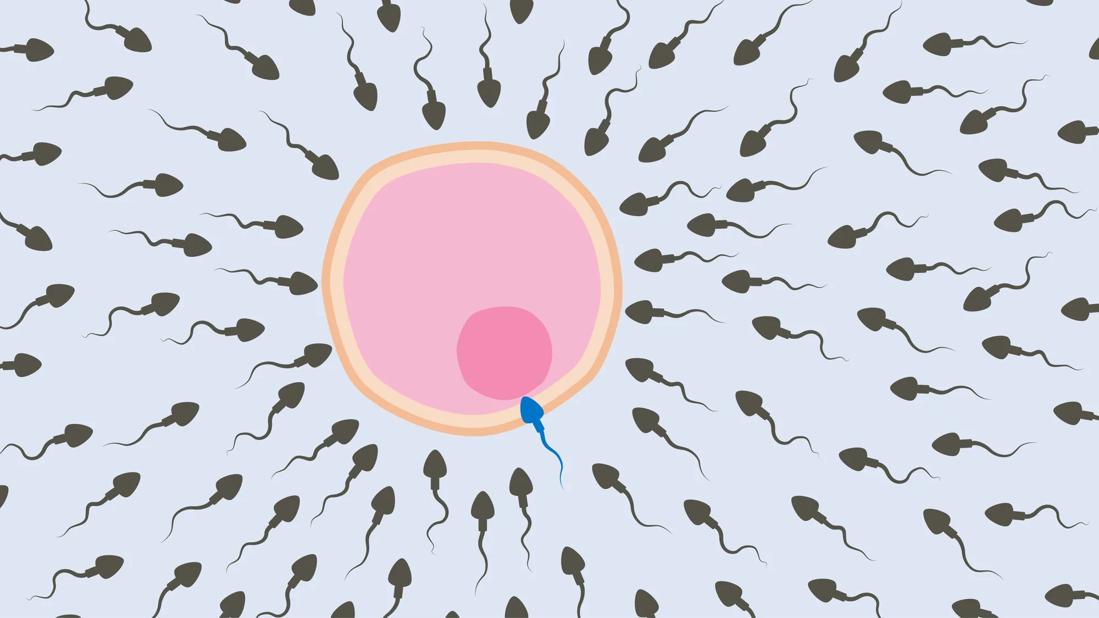
When people say they want “healthy sperm,” they usually mean sperm with a good chance of reaching and fertilizing an egg. That is not just about having a lot of sperm. Quantity matters, but quality matters too. A semen analysis typically looks at several things, including semen volume, sperm concentration, total sperm count, motility, and morphology.
In simple terms, count tells you how many sperm are present, motility tells you how well they swim, and morphology looks at their shape. If sperm are present but move poorly or have major structural issues, conception may still be difficult. Think of it this way: having a crowded team is nice, but it helps if some of the players can actually run in the right direction.
Low sperm count is often called oligospermia. In general, fewer than 15 million sperm per milliliter of semen is considered low. A semen analysis may also flag problems if the total number of sperm in the entire sample is low, or if motility and morphology are poor. Because results can vary, doctors often recommend more than one semen sample collected on different days before making big conclusions.
That matters because one abnormal test does not automatically mean permanent infertility. Hydration, illness, stress, fever, collection errors, and timing can all muddy the picture. Healthy sperm is really the bigger pattern, not a one-day pop quiz.
Why Sperm Count Drops in the First Place
There is no single villain here wearing a cape labeled “Low Count.” Male fertility issues can happen for many reasons, and sometimes several factors stack on top of each other like a very unhelpful layer cake.
1. Varicocele
A varicocele is an enlarged vein in the scrotum, and it is one of the most common causes of male infertility. It may interfere with sperm production and quality, possibly in part because it raises heat around the testicle. Some men have no symptoms, while others notice aching, heaviness, or a “bag of worms” feel in the scrotum. Romantic image? No. Important medical clue? Absolutely.
2. Hormone problems
Sperm production depends on hormones working in sync. If signals from the brain or testicles are off, sperm production may drop. Low testosterone, pituitary problems, and other endocrine issues can all play a role. And yes, there is an important twist: taking outside testosterone can actually lower sperm production rather than boost it.
3. Blockages or structural problems
Sometimes the body makes sperm, but the sperm cannot get where they need to go. Past infections, surgery, injury, or congenital issues can block the reproductive tract. In these cases, the problem may be delivery rather than production.
4. Genetic factors
Certain chromosome or gene-related conditions can affect sperm production. This is one reason a fertility workup may include blood tests or genetic testing, especially when sperm counts are very low or absent.
5. Lifestyle and environmental factors
This is the category most people immediately think of, and for good reason. Smoking, heavy alcohol use, recreational drugs, obesity, heat exposure, and some workplace toxins can affect sperm quality. These issues do not explain every case, but they can absolutely make a difference.
How To Increase Sperm Count in a Realistic, Evidence-Based Way
Here is the part everyone wants: what can you do about it? The answer depends on the cause, but there are several habits and medical steps that can support healthier sperm production.
Maintain a healthy weight
Obesity has been linked to poorer sperm production and worse fertility outcomes. Excess body fat may affect hormone balance, increase inflammation, and create a less friendly environment for sperm development. Losing weight does not guarantee a fertility miracle, but getting closer to a healthy weight can improve the odds.
That does not mean crash dieting, starving yourself, or trying some “alpha” internet plan that involves raw liver and emotional instability. Focus on a sustainable eating pattern with vegetables, fruit, whole grains, lean proteins, healthy fats, and regular physical activity.
Exercise, but do not go full chaos goblin
Regular exercise supports metabolic health, stress control, and weight management, which can all help fertility. Moderate exercise is generally a smart move. But there is a difference between healthy training and punishing your body into submission. Overtraining, extreme heat exposure, or anabolic steroid use can work against sperm health.
If your workout plan involves synthetic hormones, that is a major red flag. Anabolic steroids and testosterone therapy can suppress sperm production, sometimes dramatically. Men trying to conceive should discuss any hormone use with a qualified clinician before assuming it is harmless.
Quit smoking
Smoking has been associated with poorer sperm concentration, motility, and morphology. If you need a fertility reason to quit, here it is. Your lungs, heart, blood vessels, and future self are also enthusiastically in favor of this decision.
Cut back on alcohol and skip recreational drugs
Heavy alcohol use can interfere with hormone balance and sperm quality. Marijuana, cocaine, opioids, and other drugs may also affect fertility. No, your sperm are not impressed by your weekend plans. If you are actively trying to conceive, this is the moment to be boring in the best possible way.
Protect your testicles from excess heat
Sperm production works best slightly below body temperature, which is why testicles live outside the body instead of renting a studio apartment next to the liver. Frequent hot tubs, saunas, steam rooms, and chronic heat exposure may reduce sperm quality in some men, especially if fertility is already an issue.
This does not mean you must live in a refrigerated cave. It does mean using common sense. Avoid regular overheating if you are trying to improve sperm count, especially over the course of several months.
Get enough sleep and manage stress
Stress does not flip a dramatic on-off switch for fertility, but chronic stress and poor sleep can affect hormones, sexual function, and overall health. If you are sleeping four hours a night, running on caffeine, and doom-scrolling yourself into another dimension, your reproductive system may not be thrilled.
Better sleep, regular routines, counseling, mindfulness practices, and stress management will not solve every fertility issue, but they can support the body systems that sperm production depends on.
Review your medications and supplements
Some medications may affect sperm production or sexual function. That does not mean you should stop prescription medication on your own. It means you should ask your doctor whether any of your current medications may affect fertility and whether alternatives exist.
As for fertility supplements, this is where the internet gets very loud and science gets much quieter. Some products are marketed as though one capsule can turn your semen into a championship relay team. Current guidance is more cautious. Vitamins and antioxidants may help some people, but the evidence is inconsistent, and experts do not consider supplements a guaranteed or clearly proven fix for male infertility. Food-first nutrition, medical evaluation, and targeted treatment make more sense than supplement roulette.
Eat like your body is a body, not a prank
A balanced diet supports hormone health and overall fertility. Fruits, vegetables, nuts, beans, fish, and whole grains are better long-term teammates than ultra-processed foods eaten under fluorescent kitchen light at midnight. Nutrients such as zinc, folate, selenium, and antioxidants are often discussed in fertility conversations, but it is usually smarter to build these into your diet instead of assuming a mega-dose supplement is the answer.
Treat the actual medical cause when there is one
If a varicocele, hormone problem, or blockage is the real issue, lifestyle cleanup helps, but it may not be enough on its own. Some men benefit from medication, surgery, sperm retrieval, intrauterine insemination, IVF, or ICSI, depending on the diagnosis. This is exactly why fertility workups matter: you cannot fix the right problem if you never identify it.
How Long Does It Take To Improve Sperm Count?
This is the part that frustrates people, because human biology refuses to read the room. Sperm production takes time. In general, it can take about two and a half to three months for a new wave of sperm to develop. That means any healthy changes you make today may take several months to show up on a semen analysis.
So if you quit smoking, improve your diet, cut back on alcohol, lose weight, and stop roasting yourself in hot tubs, that is excellent. But do not expect your semen analysis to send you a thank-you card by next Tuesday. Fertility progress is usually measured in months, not weekends.
When To See a Doctor
If you and your partner have been trying to conceive with regular unprotected sex for 12 months without pregnancy, it is time for an infertility evaluation. If the female partner is 35 or older, experts recommend getting evaluated after 6 months. You should also seek help earlier if you already know about issues such as prior testicular injury, undescended testicles, chemotherapy, sexual dysfunction, hormone problems, or previous abnormal semen tests.
A proper male fertility evaluation may include medical history, physical exam, semen analysis, hormone testing, and in some cases imaging or genetic testing. This is not overkill. It is just good troubleshooting. If your car made a terrible noise for a year, you would not keep turning the radio up and hoping for emotional closure.
Common Myths About Healthy Sperm
Myth: More sex always drains sperm and ruins fertility
Not exactly. Timing matters, but regular ejaculation is usually not the enemy. Your doctor or fertility specialist can help with timing based on your situation and your partner’s ovulation pattern.
Myth: If semen looks normal, sperm must be normal
Nope. Appearance alone cannot tell you concentration, movement, or morphology. That is what lab testing is for.
Myth: Testosterone boosters are a fertility shortcut
This one causes a lot of trouble. Outside testosterone can lower sperm production. Men who want children should be especially careful here.
Myth: A supplement with a lightning bolt on the bottle must work
Sadly, branding is not a form of evidence. Some supplements may be reasonable in selected cases, but they are not a substitute for diagnosis and proven treatment.
Experiences Men Commonly Have While Trying To Improve Sperm Health
One of the most relatable parts of this journey is how ordinary the experience often feels at first. Many men do not start with dramatic symptoms. They feel fine, look healthy, go to work, pay bills, argue about what to order for dinner, and then suddenly find themselves sitting in a fertility clinic holding a cup with the emotional weight of a small moon. That shock is common. Male fertility problems often show up quietly, without pain or obvious warning signs.
Another common experience is surprise at how broad the evaluation can be. A lot of men assume sperm count is just one number, like a test score. Then they learn there is count, concentration, motility, morphology, volume, hormones, and sometimes even imaging or genetic testing. It can feel overwhelming at first, especially for people who thought fertility was simply a matter of “trying harder” and downloading one more ovulation app.
Men also often describe frustration with the timeline. Healthy changes do not work instantly. Someone may improve sleep, stop smoking, eat better, lose weight, and reduce alcohol, yet still wait months before seeing improvement on a repeat semen analysis. That delay can feel maddening. But it is normal. Sperm development takes time, so progress usually arrives slowly and quietly rather than with fireworks and a marching band.
There is also an emotional side that does not get enough attention. Some men feel embarrassed, guilty, defensive, or strangely isolated, as though fertility is supposed to be simple and “masculinity” should somehow guarantee perfect lab results. That is not how biology works. A low sperm count is a medical issue, not a character flaw. Men who do better through this process are often the ones who stop treating it like a secret shame and start treating it like any other health concern that deserves real care.
Couples frequently say the process improves once the problem becomes specific. “Improve sperm health” feels vague and stressful. “Treat a varicocele,” “stop testosterone,” “repeat the semen analysis,” or “work with a reproductive urologist” feels more concrete. Even when the path includes treatment such as medication, surgery, IUI, IVF, or ICSI, having a plan usually feels better than wandering around the internet collecting contradictory advice from strangers named things like MuscleDad87.
Many men also report that the healthiest changes end up helping beyond fertility. Better sleep improves energy. Quitting smoking helps breathing and stamina. Weight loss can improve confidence, blood pressure, and hormone balance. Cutting back on alcohol often helps mood and sexual function. In other words, the “fertility plan” often turns into a general health upgrade, which is a pretty solid side benefit.
The most encouraging experience, though, is realizing that an abnormal semen analysis is not always the end of the road. Some men improve with lifestyle changes. Others improve after treating an underlying medical problem. Some need assisted reproductive technology. Some need patience, repeat testing, or a change in strategy. But many people do move forward successfully once the issue is properly evaluated. The key is not pretending the problem does not exist. The key is getting real answers and giving your body enough time to respond.
Final Thoughts
Healthy sperm is not about chasing perfection. It is about improving the factors you can control, identifying the factors you cannot, and getting proper medical help when needed. If you want to increase sperm count, start with the basics that actually matter: stop smoking, cut heavy alcohol and recreational drugs, avoid unnecessary heat, review hormone use and medications, maintain a healthy weight, sleep well, exercise reasonably, and get checked for medical issues such as varicocele or hormone problems.
Most importantly, do not waste months assuming everything will magically sort itself out. Fertility is a health issue, not a superstition. A thoughtful evaluation can save time, reduce stress, and point you toward the treatments that make the biggest difference. Your sperm may be tiny, but this topic is not.