Porto is the kind of city that makes “going local” feel less like a travel strategy and more like a pleasant accident. You turn a corner for coffee and find blue-and-white azulejo tiles glowing like porcelain postcards. You follow the smell of roasted chestnuts and end up beside a church that looks as if it has been dressed for a royal portrait. You pop into a shop for one small souvenir and leave contemplating whether your home has room for Portuguese soap, sardine tins, wool blankets, notebooks, ceramic swallows, and perhaps an emotional support pencil.
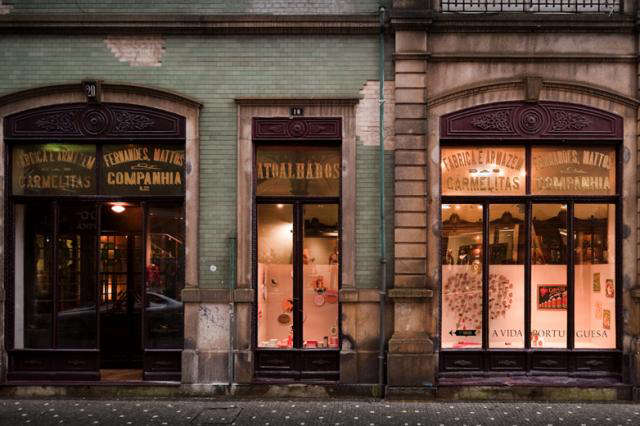
That shop, very possibly, is A Vida Portuguesa in Porto. Its name translates to “Portuguese life,” and that is not just charming branding. It is a tidy description of the experience: a beautifully curated encounter with Portugal’s everyday design heritage, from old-fashioned grocery labels to traditional household goods that have somehow outlived trends, algorithms, and the global invasion of identical airport magnets.
For travelers who want authentic Portuguese souvenirs, local Porto shopping, and a deeper connection to the city’s culture, A Vida Portuguesa is more than a store. It is part museum, part pantry, part design archive, and part delightful trap for anyone who says, “I’m only going to browse.” Famous last words.
What Makes A Vida Portuguesa So Special?
A Vida Portuguesa began with journalist Catarina Portas, whose research into long-standing Portuguese products revealed a world of labels, makers, packages, and objects that had quietly survived for decades. These were not luxury goods trying to look humble. They were practical, recognizable, often family-made products that Portuguese households knew well: soaps, toothpaste, pencils, biscuits, ceramics, textiles, paper goods, canned fish, and other objects with stories stitched, printed, or stamped into them.
The idea eventually became a retail project dedicated to preserving and celebrating Portuguese manufacturing heritage. Instead of treating tradition like a dusty museum case, A Vida Portuguesa gives it shelf space, lighting, context, and a second life. The result is a store where retro packaging does not feel forced. Many items simply look “vintage” because they come from companies that have been doing things their own way for generations.
A Store That Feels Like a Time Machine With Better Lighting
Walk into A Vida Portuguesa in Porto and the first impression is visual abundance. Shelves are stacked with colorful tins, elegant soaps, old-school stationery, embroidered textiles, ceramics, wooden toys, and food products that look almost too pretty to open. Almost. Portuguese biscuits are not meant to become permanent decor, no matter how gorgeous the packaging is.
The genius of the store is that it does not flatten Portugal into one cliché. Yes, you will find sardines and cork, but you will also find school notebooks, shaving products, tea, blankets, kitchen items, Christmas ornaments, children’s games, and practical objects that reveal how design lives in daily routines. This is local culture you can hold in your hand.
Why Porto Is the Perfect Home for A Vida Portuguesa
Porto is one of Europe’s most atmospheric cities, built along the Douro River with steep streets, weathered façades, baroque churches, iron bridges, and the constant sense that history is leaning over your shoulder. Its historic center, together with the Luiz I Bridge and the Monastery of Serra do Pilar, is recognized as a UNESCO World Heritage site. That matters because Porto is not a city where heritage exists behind velvet ropes. It is lived in, walked through, repaired, renovated, argued with, photographed, and occasionally climbed in shoes that were a poor decision.
A Vida Portuguesa fits naturally into that landscape. Porto has always been commercial, practical, and outward-looking. It is a port city, a trading city, a wine city, and a city where craftsmanship and everyday commerce still shape the streets. Shopping here is not only about consumption. Done well, it becomes a way to read the city’s character.
Near Clérigos, Livraria Lello, and Porto’s Design Trail
The Porto branch is closely associated with the city’s central shopping and cultural area near landmarks such as Clérigos Tower and Livraria Lello. This neighborhood is ideal for slow wandering. You can climb Clérigos for a panoramic view, peek at one of the world’s most famous bookstores, admire tiled façades, stop for coffee, then reward yourself with a visit to A Vida Portuguesa. This is called cultural balance. Your calves suffer on the tower stairs; your soul recovers among beautiful soap wrappers.
The store’s surroundings also make it easy to connect traditional Portuguese products with the wider Porto experience. The same city that gives you azulejo-covered churches, port wine cellars, Mercado do Bolhão, and riverside views also gives you a shop where the packaging of a toothpaste tube can feel like national memory in miniature.
What to Buy at A Vida Portuguesa in Porto
Choosing what to buy at A Vida Portuguesa can be dangerous, because nearly everything looks small enough to justify. This is how travelers end up negotiating with their luggage at midnight. The trick is to shop with a theme: edible gifts, design objects, home goods, useful souvenirs, or items that tell a specific story about Portugal.
Portuguese Soaps and Fragrances
Portuguese soaps are among the shop’s most popular items, and for good reason. Brands such as Claus Porto and Ach. Brito are known for elegant packaging, rich scents, and a history tied to Portuguese perfumery and manufacturing. A bar of soap is lightweight, practical, and unlikely to break in your suitcase. It also says, “I brought you something thoughtful,” rather than, “I panicked at the airport.”
Canned Fish With Style
Canned sardines, tuna, mackerel, and other preserved fish are a classic Portuguese souvenir. In Portugal, tinned fish is not a sad emergency meal lurking at the back of the cabinet. It is part of a serious culinary tradition, often wrapped in illustrated packaging that turns a pantry item into a design object. Pair a beautiful tin with crackers, olive oil, or a bottle of vinho verde, and you have a gift that is edible, local, and delightfully compact.
Stationery, Notebooks, and Pencils
If you love paper goods, proceed with caution. A Vida Portuguesa often carries notebooks, labels, pencils, postcards, and other stationery items that make digital notes feel rude. Portuguese stationery has a simple, tactile charm: strong colors, unfussy typography, durable paper, and the pleasing illusion that buying a notebook will automatically make you more organized. It might not, but it will make your desk look better while you try.
Ceramics, Swallows, and Decorative Objects
The ceramic swallow is one of Portugal’s most beloved decorative motifs, traditionally associated with home, loyalty, and return. You may see them flying across walls in restaurants, guesthouses, shops, and private homes. At A Vida Portuguesa, ceramic pieces and decorative objects make meaningful souvenirs because they connect to Portuguese visual culture without feeling generic.
Textiles and Home Goods
Portugal has a strong textile tradition, and A Vida Portuguesa often highlights items such as blankets, towels, napkins, aprons, and woven goods. These are excellent choices for travelers interested in sustainable shopping and long-lasting design. A well-made textile carries more personality than a plastic souvenir and tends to age gracefully. Unlike novelty keychains, it will not make you question your choices six months later.
Going Local in Porto: How to Shop With Intention
Going local does not mean buying everything with a flag on it. It means noticing where things come from, who made them, why they matter, and whether your purchase supports a real craft, company, or tradition. A Vida Portuguesa makes that easier by curating products with Portuguese identity and manufacturing history, but good local shopping still requires curiosity.
Read labels. Ask questions. Look for regional materials such as cork, wool, ceramics, paper, or preserved foods. Think about usefulness. A souvenir does not need to scream “vacation” from across the room. Sometimes the best reminder of Porto is a tea tin you open on a rainy morning or a kitchen towel that brings back the color of a tiled street.
Skip the Souvenir Panic
Many travelers wait until the final afternoon to buy gifts, then sprint through shops with the haunted expression of someone who has just remembered eight relatives. A better approach is to visit A Vida Portuguesa early in your trip. Browse once without pressure. Notice what catches your eye. Then return later, after you have seen more of Porto and understand which objects actually connect to your experience.
Pairing A Vida Portuguesa With a Local Porto Itinerary
A Vida Portuguesa works beautifully as part of a slow Porto day. Start near São Bento Station, where tile panels turn a train station into a public artwork. Walk toward Clérigos Tower and enjoy the surrounding streets, where bookstores, cafés, churches, and design shops cluster together. Visit A Vida Portuguesa before or after lunch, then continue toward the Ribeira for river views.
Another excellent pairing is Mercado do Bolhão. The restored market remains one of Porto’s essential food destinations, with fresh produce stalls, shops, restaurants, and long-standing traders. Bolhão gives you the living rhythm of Porto’s food culture; A Vida Portuguesa gives you the packaged, portable, beautifully designed version of Portuguese daily life. Together, they make a persuasive argument that shopping can be cultural research, especially when snacks are involved.
Food, Wine, and the Art of Not Rushing
Porto rewards travelers who slow down. Eat a francesinha if you are hungry enough to challenge gravity. Try bacalhau, grilled fish, caldo verde, rissóis, or a pastel de nata with coffee. Cross the Luiz I Bridge to Vila Nova de Gaia for port wine cellars and river views. Explore gardens, tiled churches, tiny grocery stores, and neighborhood cafés where nobody seems impressed by your itinerary, which is honestly healthy.
A Vida Portuguesa belongs to this slower style of travel. It encourages you to look closely at small things: a label, a scent, a paper texture, a tin illustration, the shape of a ceramic bird. These details are not minor. They are how culture enters daily life.
Why A Vida Portuguesa Appeals to Design Lovers
Design lovers tend to adore A Vida Portuguesa because it proves that good design is not limited to expensive chairs and dramatic hotel lobbies. It can be found in grocery packaging, soap boxes, notebooks, match labels, kitchen tools, and children’s toys. The store highlights a kind of democratic design: objects made for ordinary use that become beautiful through clarity, durability, and familiarity.
The packaging is especially compelling. Many products use bold colors, hand-drawn illustrations, classic typography, and visual identities that have survived because customers recognize and trust them. In a world where brands constantly redesign themselves into bland minimalism, these Portuguese labels feel refreshingly confident. They are not trying to look like an app icon. Bless them.
Heritage Without the Dust
What keeps the store from feeling nostalgic in a stale way is its sense of purpose. A Vida Portuguesa is not simply saying, “Wasn’t the past adorable?” It is showing how heritage brands can remain commercially relevant. When a traveler buys an old Portuguese soap brand, a traditional wool blanket, or a locally made notebook, that purchase helps keep small manufacturers visible. Heritage becomes active, not decorative.
Responsible Souvenir Shopping in Porto
Responsible travel often focuses on where to sleep, how to move, and what to eat. Shopping deserves the same attention. Cheap mass-produced souvenirs can disconnect travelers from the places they visit. Local products, on the other hand, can create a more respectful exchange. They support makers, preserve skills, and reduce the sameness that turns every tourist district into the same shelf of fridge magnets.
A Vida Portuguesa is useful because it simplifies the search for Portuguese-made or Portuguese-rooted goods. Still, travelers should remain thoughtful. Buy what you will use, gift, display, cook with, write in, or genuinely enjoy. The goal is not to bring home half of Porto. The goal is to bring home a few things that keep the trip alive.
Practical Tips for Visiting A Vida Portuguesa in Porto
Go When You Have Time to Browse
This is not a five-minute shop unless your self-control is made of granite. Give yourself at least 30 minutes, especially if you enjoy design, food gifts, or traditional products. The shelves reward slow looking.
Think About Luggage Before Falling in Love With Ceramics
Small ceramics are manageable, but larger fragile items require planning. Bring a foldable tote, leave suitcase space, or be prepared to wrap purchases carefully. Socks make surprisingly good ceramic bodyguards.
Buy Multiples of Lightweight Gifts
Soaps, pencils, postcards, small tins, notebooks, and paper goods are ideal for multiple gifts. They are affordable, easy to pack, and more personal than generic souvenirs.
Ask About Product Origins
Staff can often help explain brands, uses, and gift ideas. A quick question may turn a pretty object into a story worth telling when you give it to someone back home.
Experiences Related to Going Local: A Vida Portuguesa in Porto
The most memorable way to experience A Vida Portuguesa in Porto is not to treat it as an isolated stop. Think of it as one chapter in a larger day of local discovery. Begin in the morning at Mercado do Bolhão, when the market is awake but not yet overwhelmed. Walk past stalls of fruit, flowers, cheese, bread, fish, and regional products. Listen to the rhythm of vendors greeting regulars. Even if you do not buy much, you learn something important: Porto’s culture is not only in monuments. It is in daily errands, recipes, and the confident way someone sells tomatoes as if they are part of the national story.
From Bolhão, wander toward the historic center. Stop for coffee and a pastry, ideally somewhere that forces you to stand at the counter like a local rather than lounge dramatically over a laptop. Porto cafés are excellent places to practice the art of doing very little with great seriousness. Order an espresso, watch people come and go, and notice the practical beauty of ordinary objects: cups, tiles, counters, receipts, signs, bread baskets. By the time you arrive at A Vida Portuguesa, your eye is warmed up. You are ready to appreciate why a toothpaste tube, a biscuit box, or a soap label can feel culturally significant.
Inside the store, let your shopping become a scavenger hunt. Look for one edible item, one useful household item, one paper good, and one object that simply makes you smile. This method prevents panic buying while still leaving room for joy. Maybe the edible item is a tin of sardines or a packet of biscuits. Maybe the useful object is a cotton towel or a bar of soap. Maybe the paper good is a notebook with vintage-style graphics. And maybe the smile object is a ceramic swallow, a toy, or a label so charming you briefly consider framing it. No judgment. We have all been emotionally defeated by good packaging.
After shopping, connect your purchases to the city. If you bought canned fish, try a simple seafood lunch nearby and notice how Portuguese cuisine values preservation, salt, olive oil, and patience. If you bought soap or perfume, look for the old pharmacies and barbershop façades scattered through Porto’s streets. If you bought ceramics, pay attention to the tilework on churches and residential buildings. If you bought stationery, step into a bookstore or sit by the river and write a postcard. The best souvenirs do not end the experience; they extend it.
In the late afternoon, cross the Luiz I Bridge to Vila Nova de Gaia. The view back toward Porto is one of the great urban panoramas in Europe: stacked houses, church towers, terracotta roofs, boats, cellars, and the Douro reflecting the city like a slightly wobbly painting. This is a good moment to understand why A Vida Portuguesa works so well here. Porto itself is layered, textured, practical, and beautiful without trying too hard. The store captures that same personality in miniature.
Back at your hotel or apartment, unpack your finds before they disappear into the general chaos of travel. Take a photo if you like, but also use something immediately. Open the biscuits. Write in the notebook. Wash your hands with the soap. Local travel becomes more meaningful when souvenirs enter real life instead of waiting politely on a shelf. A Vida Portuguesa is not about freezing Portugal in the past. It is about carrying a piece of Portuguese daily life forward, one carefully chosen object at a time.
Conclusion: The Best Souvenirs Tell Better Stories
A Vida Portuguesa in Porto is one of the city’s most rewarding stops for travelers who want to go beyond the usual souvenir routine. It gathers Portuguese products with history, humor, beauty, and practical charm, then presents them in a setting that feels deeply connected to Porto’s identity. For design lovers, it is a visual feast. For food travelers, it is a pantry of possibilities. For thoughtful shoppers, it is a reminder that local culture often lives in the everyday objects people use, gift, save, and remember.
Going local in Porto does not require a complicated plan. Walk slowly. Eat well. Look up at the tiles. Talk to vendors. Buy fewer things, but choose better ones. And when you step into A Vida Portuguesa, allow yourself to be persuaded by the quiet poetry of a soap box, a sardine tin, or a notebook that seems to know more about style than most modern gadgets. Porto has a way of making small things feel important. A Vida Portuguesa simply puts them on the shelf and lets them shine.
Note: This article was created from a synthesis of reputable travel, design, cultural, and official destination information, then rewritten as original web-ready content without source links.