Some blankets whisper. The Megastripe Blanket walks into the room wearing confident shoes, clears its throat, and says, “Yes, I am the reason this bed suddenly looks styled.” In the world of fabrics and linens, a striped cotton blanket may sound simple, but that simplicity is exactly the magic. It is useful, unfussy, graphic, cozy, and stylish without behaving like it needs its own publicist.
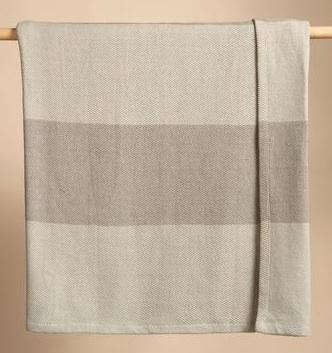
The original Megastripe Blanket, once admired as a Sundance Catalog find, was described as an oatmeal-colored cotton blanket with broad stripes available in shades such as Stone, Ink, and Ocean. That combination tells us a lot: natural base color, bold linear pattern, soft cotton construction, and a palette designed to work in real homes rather than only in showroom daydreams. It belongs to the family of practical home textiles that can make a bedroom, reading chair, guest room, or sofa look instantly more intentional.
This guide explores why the Megastripe Blanket concept still feels fresh, how cotton blankets perform in everyday life, how broad stripes affect interior design, and how to choose, style, wash, and live with a megastripe-style blanket without turning your laundry room into a small textile crime scene.
What Is a Megastripe Blanket?
A Megastripe Blanket is best understood as a cotton blanket built around oversized stripes. Instead of delicate pinstripes or tiny ticking lines, it uses broad bands of color to create visual structure. The effect is relaxed but decisive, like a neatly made bed that still knows how to enjoy a slow Sunday morning.
The original version was described as a soft oatmeal cotton blanket, machine washable, imported, and offered in three stripe colors: Ink, Ocean, and Stone. Those color names suggest a restrained, natural palette. Ink leans classic and graphic. Ocean feels coastal and calm. Stone is earthy and understated. The oatmeal base keeps the blanket warm and neutral, allowing the stripes to stand out without taking over the room like a marching band.
Why the Design Works
Broad stripes are powerful because they provide rhythm. In interior design, rhythm helps the eye move across a room. A striped blanket at the foot of a bed can visually anchor bedding layers, connect wall color with accent pillows, or add contrast to a room filled with solids. Unlike busy florals or novelty prints, stripes are easy to mix with almost anything: linen sheets, chambray pillowcases, ticking cushions, woven baskets, painted floors, or even a slightly dramatic wallpaper moment.
The Megastripe Blanket also fits beautifully into several decor styles. In a coastal bedroom, blue stripes can echo water and sky. In a farmhouse room, stone-colored stripes feel natural beside wood, iron, and cotton bedding. In a modern apartment, dark ink stripes sharpen the space without making it feel cold. It is the rare textile that can look casual, tailored, rustic, and clean depending on what you place around it.
Why Cotton Is a Smart Choice for Blankets
Cotton remains one of the most popular fibers for bedding because it is soft, breathable, absorbent, and familiar. A cotton blanket does not usually have the loft of a down comforter or the fuzzy warmth of wool, but that is exactly why many people love it. Cotton is comfortable in transitional seasons, friendly to layering, and generally easier to care for than more delicate materials.
For a blanket like the Megastripe, cotton supports both comfort and practicality. It can be used directly over a sheet in spring or summer, layered beneath a quilt in fall, or folded at the foot of the bed in winter for extra warmth. It also performs well in high-traffic homes because it is not too precious. If a child uses it as a cape, the dog claims it as a throne, or someone eats toast near it with suspicious confidence, cotton can usually recover with a proper wash.
Cotton vs. Linen vs. Wool
Because this article sits under the broader category of fabrics and linens, it helps to compare cotton with other natural fibers. Linen is made from flax and is prized for breathability, texture, and relaxed elegance. It wrinkles beautifully, which is interior-design language for “wrinkles, but expensive-looking.” Wool provides excellent warmth and moisture management, making it wonderful for colder climates. Cotton sits in the middle: softer from the start than many linens, less insulating than wool, easier for many households to wash, and versatile across seasons.
A cotton striped blanket is especially appealing when you want texture and design without excessive weight. It adds a layer, but not a burden. It warms, but does not smother. It decorates, but does not demand that every other object in the room ask permission.
The Beauty of Broad Stripes in Home Decor
Stripes are one of the oldest tricks in the decorating book, and they keep returning because they work. They can be nautical, tailored, playful, rustic, Parisian, modern, or all-American depending on color, scale, and placement. The “mega” in Megastripe matters because scale changes the mood. Thin stripes can feel delicate or traditional. Wide stripes feel bold, architectural, and relaxed.
On a blanket, broad stripes create instant impact without the commitment of striped wallpaper or a large rug. That makes a megastripe blanket a low-risk design upgrade. You can toss it over a bed, drape it across a sofa, fold it over a bench, or roll it into a basket. If you change your mind, no contractor is required. No paint fumes. No emotional support screwdriver. Just move the blanket.
Choosing the Right Stripe Color
The best stripe color depends on the room’s existing palette and the mood you want to create. Ink stripes are crisp and dramatic. They work well with white sheets, black metal lamps, dark wood, navy accents, and minimal interiors. Ocean stripes are softer and more relaxed, ideal for coastal rooms, pale woods, blue-gray walls, and breezy guest bedrooms. Stone stripes are the quiet luxury option: subtle, earthy, and easy to pair with beige, ivory, taupe, clay, olive, and natural linen.
If your room already has several patterns, choose a lower-contrast stripe. If the room is mostly solid and neutral, a bolder stripe can wake it up. Think of the blanket as the room’s punctuation. Stone is a comma. Ocean is a semicolon. Ink is an exclamation point that has taken a design class.
How to Style a Megastripe Blanket
The Megastripe Blanket works because it can be styled in more than one way. It does not need to stay folded with ruler-level precision, although that look is lovely. It can be casual, crisp, layered, rumpled, or guest-ready.
At the Foot of the Bed
The classic move is to fold the blanket lengthwise and place it across the foot of the bed. This creates a hotel-inspired finish and gives the bed a horizontal visual anchor. On a queen or king bed, broad stripes emphasize width and make the bed feel generous. Pair it with white percale sheets for a clean look, linen pillowcases for texture, or chambray shams for a soft, lived-in effect.
Over a Sofa or Reading Chair
A striped cotton blanket can make a plain sofa look finished. Drape it over one arm, fold it across the back, or let it fall casually from a reading chair. The key is to avoid overthinking it. A blanket should look available, not trapped in a furniture museum. Add a solid pillow nearby so the stripes have a calm companion.
In a Guest Room
Guest rooms benefit from textiles that feel thoughtful but not fussy. A megastripe blanket gives guests an extra layer and adds a welcoming visual cue. Fold it at the foot of the bed with a small card explaining where extra towels are, and suddenly the room feels less like “storage space with a mattress” and more like a small inn run by someone with taste.
As a Seasonal Layer
In warm months, use the blanket alone over a top sheet. In cooler weather, layer it between sheets and a quilt or fold it on top of a duvet. Cotton’s breathability makes it especially useful for people who dislike overheating but still want the emotional security of a blanket. The result is cozy without becoming a personal sauna.
What to Look for in a Megastripe-Style Blanket
If you are shopping for a blanket inspired by the Megastripe look, pay attention to material, weight, weave, size, edge finishing, and care instructions. The best blanket is not always the thickest one. A good cotton blanket should feel substantial but flexible, soft but durable, decorative but useful.
Material
Look for 100% cotton if you want breathability and natural fiber comfort. Organic cotton is a bonus for shoppers who prioritize environmental standards. Cotton blends may add durability or reduce wrinkling, but they can change the feel and breathability. If you sleep hot, avoid heavy synthetic blends unless the product clearly explains cooling or airflow features.
Weave and Texture
Cotton blankets come in waffle weaves, thermal weaves, herringbone textures, basket weaves, and flat woven constructions. A flat woven striped blanket often feels cleaner and more graphic, while a textured weave adds depth. The Megastripe style benefits from a weave that holds the stripe clearly but still feels soft enough for everyday use.
Size
For beds, choose a size that provides enough overhang. A queen blanket should comfortably cover a queen mattress with some drape. A king blanket should not look like it accidentally wandered over from a twin bed. For sofas and chairs, a throw size may be enough, but for full bed styling, proper blanket sizing matters.
Edges and Finishing
Details such as hemstitching, bound edges, or clean sewn hems affect both appearance and durability. A blanket with neat finishing looks more elevated and resists fraying better over time. The original Megastripe Blanket was associated with a polished yet relaxed bedding look, so edge quality is part of the charm.
Care Tips for Cotton Striped Blankets
One of the biggest advantages of a cotton blanket is that many are machine washable. Still, care matters. Always check the label first, because dyes, weaves, and finishes can vary. Wash with mild detergent, avoid harsh bleach, and use cool or warm water unless the care tag says otherwise. High heat can shrink cotton, fade colors, or make fibers feel rougher over time.
For a striped blanket, color care is especially important. Wash similar colors together, especially during the first few washes. If the stripes are dark, consider turning the blanket inside out or washing it on a gentle cycle to reduce surface abrasion. Tumble dry low when allowed, or line dry for a softer environmental footprint. Remove the blanket while slightly damp and smooth it out to reduce wrinkles.
If the blanket lives on a sofa or guest bed, shake it out weekly. This removes dust and helps the fibers breathe. For small spills, blot rather than scrub. Scrubbing a stripe with too much enthusiasm can create a faded patch that looks like the blanket lost an argument.
Pros and Cons of a Megastripe Blanket
Pros
A megastripe blanket is versatile, graphic, and timeless. Cotton versions are breathable, comfortable, and easier to wash than many delicate bedding layers. The bold stripe pattern adds instant style without requiring a major redesign. It also works across many decorating styles, from coastal to rustic to modern.
Cons
Large stripes are visually strong, so they may compete with other bold patterns. Cotton can shrink if exposed to high heat, and dark stripes may fade with aggressive washing. A cotton blanket also may not be warm enough as a standalone winter layer in very cold climates. For maximum warmth, it should be layered with a quilt, comforter, or wool blanket.
Who Should Buy a Megastripe-Style Blanket?
This type of blanket is ideal for people who want bedding that looks designed but still works hard. It suits hot sleepers who prefer breathable layers, decorators who love classic patterns, renters who want a non-permanent style upgrade, and anyone who believes a bed should be cozy but not buried under fourteen decorative pillows named after seasons.
It is also a smart choice for guest rooms, vacation homes, dorm rooms, and family spaces. The pattern hides minor wrinkles better than a flat solid and adds personality without becoming overly trendy. If you are building a capsule bedding collection, a striped cotton blanket is one of those pieces that can move from room to room for years.
How to Build a Room Around the Megastripe Look
Start with a calm foundation: white, ivory, oatmeal, beige, pale gray, or soft blue sheets. Add the striped blanket as the main pattern. Then bring in texture through woven baskets, ceramic lamps, linen curtains, wood furniture, or a jute rug. Keep accent pillows simple. One solid pillow and one small-scale pattern are usually enough.
If your blanket has ink stripes, try black-framed art, navy books, or a dark ceramic vase. If it has ocean stripes, add pale wood, glass, and airy curtains. If it has stone stripes, lean into natural textures: rattan, clay, olive branches, warm brass, and creamy cotton. The goal is not to match everything perfectly. The goal is to make the room feel collected, comfortable, and quietly confident.
Experience Section: Living With a Megastripe Blanket
The first thing you notice about a megastripe-style blanket is that it changes the room before it changes your temperature. I once placed a broad-striped cotton blanket across the foot of a very ordinary bed: white sheets, plain headboard, one lamp that had survived three apartments and several questionable design phases. Suddenly, the bed looked finished. Not expensive, exactly, but intentional. It had that “someone here owns a tray” energy.
The blanket quickly became more than decoration. On chilly mornings, it was the layer I grabbed before making coffee. During movie nights, it migrated to the sofa, where it somehow looked better casually thrown over the arm than it did when folded perfectly. That is one of the joys of a striped cotton blanket: it forgives real life. A little rumple adds charm. A slightly uneven fold looks relaxed. Unlike shiny bedding that shows every crease, cotton stripes have a friendly, practical texture.
In daily use, the weight matters. A good cotton blanket feels comforting without being heavy. It gives enough warmth for reading, napping, or layering during shoulder seasons, but it does not trap heat the way some synthetic throws can. For people who sleep warm, this is a big deal. Nobody wants to wake up at 3 a.m. feeling like a baked potato in decorative bedding.
The broad stripes also made decorating easier. When the blanket was on the bed, I could keep everything else simple. White sheets looked crisp. Beige linen pillowcases looked earthy. A navy cushion looked deliberate. Even a messy stack of books on the nightstand looked slightly more curated, although that may have been the blanket doing public relations for my clutter.
Washing was refreshingly uneventful, which is exactly what you want from household linens. A gentle cycle, mild detergent, and low heat kept the blanket soft and usable. The key lesson was not to over-dry it. Removing cotton while slightly damp and smoothing it flat helped preserve the shape and reduced wrinkles. Also, washing dark stripes with pale towels is a thrilling experiment best avoided unless you enjoy laundry suspense.
Guests noticed the blanket too. Not in a dramatic “where did you get this?” way every time, but in the quieter way people respond to a comfortable room. They used it. They folded it back. They carried it to the chair. That is the highest praise for a textile: people do not treat it like decoration; they trust it enough to live with it.
After a while, the blanket became part of the home’s rhythm. It moved between rooms, softened hard edges, added pattern where things felt flat, and offered warmth without fuss. That is the real value of the Megastripe Blanket idea. It is not just about stripes. It is about finding one hardworking piece of fabric that can make a space look better, feel better, and function better without needing applause.
Final Thoughts
The Megastripe Blanket proves that a simple cotton blanket can carry serious design weight. With its oatmeal base, broad colored stripes, and relaxed utility, it represents everything people love about good fabrics and linens: comfort, durability, visual appeal, and everyday usefulness. It can sharpen a bedroom, soften a sofa, welcome guests, and layer beautifully across seasons.
For shoppers, the lesson is clear. Look for breathable cotton, thoughtful finishing, generous sizing, and stripe colors that support your room’s existing palette. Choose Ink for contrast, Ocean for calm, and Stone for quiet texture. Treat the blanket well, wash it gently, and let it move through the house as needed. A good blanket should not be trapped in one room. It deserves a little adventure.
In a world full of complicated decor decisions, the megastripe blanket is refreshingly straightforward. It is warm. It is handsome. It is washable. It makes a bed look better in under ten seconds. Honestly, that is more than can be said for most furniture assembly instructions.