Note: This article is written in standard American English for web publishing and synthesizes real consumer-shopping guidance from reputable U.S. sources including consumer protection agencies, review platforms, marketplace policies, product safety organizations, and retail-advice publishers.
Introduction: The “Add to Cart” Button Has a Sense of Humor
Online shopping is modern magic. You tap a glowing rectangle, money disappears, and a mysterious box arrives at your door like a cardboard genie. Sometimes, the genie brings exactly what you asked for. Other times, it brings a doll-sized couch, a sweater with sleeves long enough to dust the ceiling fan, or a “luxury” rug that looks like a mouse pad with confidence issues.
That is why shopping fails are so funnyuntil they happen to you. A blurry product photo, a suspiciously perfect five-star rating, or a product title stuffed with more keywords than a robot résumé can turn a normal purchase into a sitcom episode. The good news? Most online shopping disasters leave clues before checkout. The reviews are where the truth usually hides, wearing sweatpants and telling everyone, “I tried to warn you.”
Consumer advocates often recommend reading reviews from multiple sources, checking seller credibility, reviewing return policies, looking for product safety alerts, and being careful with ratings that seem too polished. Major platforms also prohibit fake, paid, or manipulated reviews, but no system is perfect. Shoppers still need their own detective hatpreferably not one ordered from a listing that says “one size fits humans and golden retrievers.”
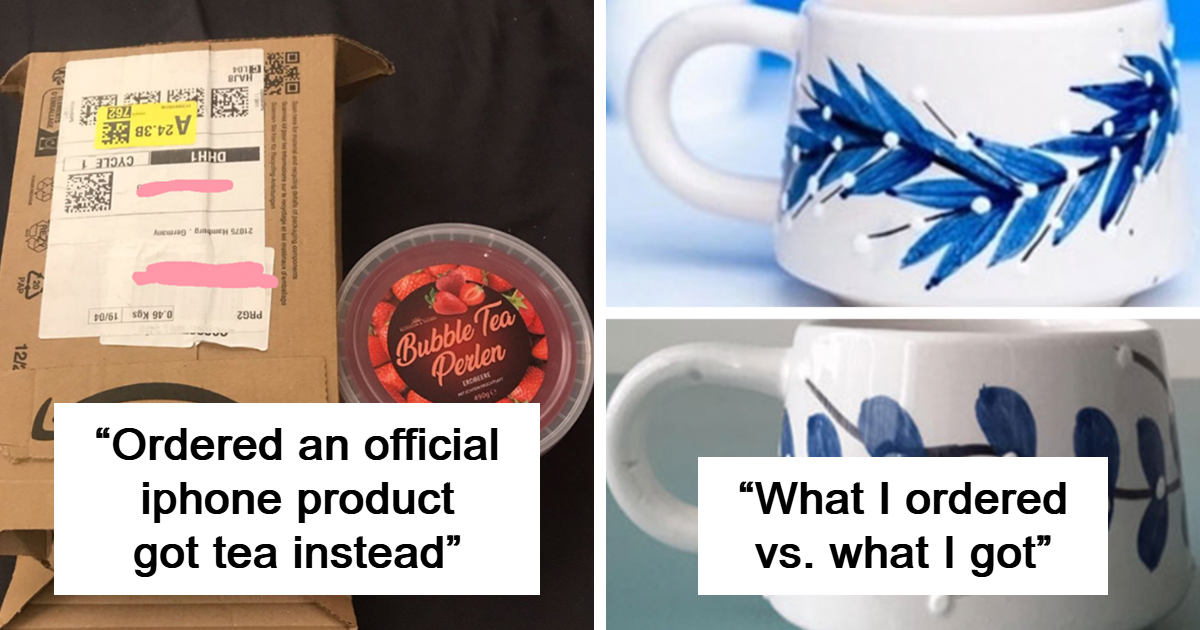
Below are 35 hilarious shopping fails that prove why reading customer reviews matters. Some are silly. Some are expensive. Some are tinyliterally. Together, they form one important lesson: before you click “Buy Now,” let other shoppers’ mistakes become your free life coaching.
Why Reviews Matter More Than the Product Photo
Product photos are like dating profile pictures: technically real, but often taken from the most flattering angle in the history of lighting. Reviews, on the other hand, are where shoppers explain what actually happened after the box arrived. Did the shirt shrink? Did the table wobble? Did the “extra-large” dog bed fit a hamster with big dreams? Reviews can reveal sizing problems, poor materials, confusing assembly, weak packaging, late delivery, misleading colors, and return-policy nightmares.
Even better, customer reviews often include photos. These real-life images can expose the difference between “premium home décor” and “my cat refuses to sit on it.” A product may look elegant in a studio shot, but a customer photo taken next to a coffee mug can reveal that it is actually the size of a tortilla chip.
35 Hilarious Shopping Fails That Could Have Been Avoided
1. The “Full-Size” Chair Made for a Philosophical Squirrel
The listing showed a cozy accent chair beside a fireplace. The buyer imagined reading novels in it. When it arrived, the chair was tiny enough for a dollhouse. The reviews had mentioned “great for miniatures,” but hope is a powerful and dangerous seasoning.
2. The Dress That Looked Royal Online and Napkin-Like in Person
A gorgeous evening dress appeared in the photo with flowing fabric and dramatic movement. In reality, it arrived thin, stiff, and wrinkled like it had fought a suitcase and lost. Reviewers had warned that the material was “costume quality,” which is polite code for “do not wear this near strong wind.”
3. The Rug That Was Actually a Very Ambitious Placemat
Nothing humbles a living room faster than a rug that arrives folded inside an envelope. The product photo showed a wide, luxurious area rug. The measurement section quietly said otherwise. Reviews called it “cute for a bedside accent,” which was generous considering it barely covered two floor tiles.
4. The “Noise-Canceling” Headphones That Canceled Joy Instead
The buyer expected silence. They got headphones that made every song sound like it was being performed underwater by a tired kazoo band. The reviews said “cheap sound quality” and “uncomfortable after ten minutes.” The product title, however, shouted “PRO BASS ULTRA HD,” and sometimes loud words win.
5. The Cat Tree Rejected by the Cat Committee
A towering cat palace looked perfect online. Once assembled, it leaned like it had heard bad news. The cat inspected it, blinked twice, and chose the cardboard box. Several reviewers had posted photos of the same structural sadness, but the buyer trusted the promotional image. The cat did not.
6. The Shoes That Fit One Foot and Insulted the Other
One shoe felt normal. The other felt like it had been designed for a different species. Reviews warned that the sizing was inconsistent, but the sale price was too tempting. Now the buyer owns one comfortable shoe and one reminder that bargains can be emotionally complicated.
7. The “Easy Assembly” Desk With 247 Screws and No Mercy
The description promised simple setup. The box contained boards, mystery hardware, instructions translated by a sleepy toaster, and a tiny wrench with big opinions. Reviewers had said assembly took three hours and one snack break. The buyer learned furniture humility the hard way.
8. The Throw Blanket That Shed Like a Golden Retriever in July
The blanket looked plush and cozy. After one nap, the couch looked like it had grown a second sweater. Reviews mentioned “a little shedding,” which turned out to mean “prepare your lint roller for battle.”
9. The “Waterproof” Phone Case That Believed in Confidence, Not Science
Nothing says regret like a phone case that fails during a pool day. Reviews had warned about leaks around the seal, but the listing promised underwater adventure. The phone did not enjoy the adventure.
10. The Kitchen Gadget That Solved a Problem Nobody Had
A banana slicer, avocado cube-maker, or egg separator can look life-changing at 1:00 a.m. Reviews may reveal the truth: it takes longer to clean the gadget than to use a knife. Sometimes the best kitchen tool is still common sense with a handle.
11. The “Luxury” Watch That Ticked Louder Than a Wall Clock
The watch looked expensive online. In person, it sounded like a countdown in a spy movie. Reviewers had noted the loud ticking and lightweight feel. The buyer ignored them and received a wrist accessory that doubled as a tiny metronome.
12. The Pet Costume That Turned a Dog Into a Confused Laundry Basket
The listing showed a smiling dog dressed as a dinosaur. The buyer’s dog looked like it had been wrapped in a green potholder. Reviews warned that the costume ran small, slipped sideways, and required a very patient animal. The dog filed an emotional complaint by refusing treats for six minutes.
13. The Wall Art With Inspirational Words Spelled Incorrectly
Nothing elevates a room like a sign that says “Live, Laugh, Lvoe.” Reviews had posted close-up photos of misspellings, but the buyer only looked at the main image. Now the wall teaches resilience and proofreading.
14. The “Oversized Hoodie” That Fit Like a Tight Apology
Fashion sizing online is a jungle. One buyer ordered an oversized hoodie and received something closer to a fitted crop top with ambition. Reviews said to size up twice. The buyer sized up once and paid the price in shoulder mobility.
15. The Artificial Plant That Looked Extremely Aware of Being Plastic
The product photo suggested lush greenery. The package delivered a shiny, bent plant that looked like it had just escaped a dentist’s office. Reviews noted the unnatural color and strong chemical smell. Nature was not fooled.
16. The “Premium” Phone Charger That Gave Up After Three Days
Cheap chargers can seem harmless until they stop working faster than a New Year’s resolution. Reviews often reveal whether a cable lasts, charges slowly, or overheats. A low price is nice, but replacing the same cable four times is just subscription sadness.
17. The Cake Pan That Was Smaller Than the Cake Dream
A shopper planned a birthday masterpiece. The pan arrived small enough for a cupcake with self-esteem. The dimensions were listed, and reviewers had mentioned the size. The cake survived, but the party gained a new inside joke.
18. The “Realistic” Wig That Arrived Looking Like Party Streamers
Online wig photos can be dangerously glamorous. In real life, a bargain wig may arrive shiny, tangled, and shaped like it has secrets. Reviews with customer photos are essential here because the difference between “soft waves” and “emergency mop” can be dramatic.
19. The Backpack With Zippers That Quit Their Job
The backpack looked durable enough for school, travel, or hiking. After one week, the zipper separated like it had personal boundaries. Reviews had complained about weak seams and broken pulls. The lesson: a backpack is only as strong as the zipper holding your snacks hostage.
20. The “Large” Storage Basket That Held One Sock and a Dream
Storage products are famous for deceptive scale. A basket photographed next to nothing can look huge. Reviews often mention whether it holds blankets, toys, laundry, or only emotional baggage. Always check measurements before organizing your life around a tiny basket.
21. The Mirror That Reflected Everything Except Quality
The mirror arrived warped, making the buyer look like a funhouse guest. Reviewers had reported distortion near the edges and flimsy backing. A mirror should help you get ready, not make you question the laws of physics.
22. The “No-Drip” Travel Mug That Created a Coffee Crime Scene
A good travel mug protects your backpack. A bad one turns notebooks into espresso-flavored evidence. Reviews had mentioned lid leaks, weak seals, and awkward cleaning. The buyer skipped them and discovered that “spill-resistant” is not the same as “spill-proof.”
23. The Puzzle Missing a Piece and Possibly a Conscience
Few things are more personal than a 1,000-piece puzzle missing the final piece. Reviews warned of missing pieces from the same batch. The buyer ignored the warnings and ended up staring at a tiny empty space like it owed them money.
24. The “Professional” Ring Light That Flickered Like a Haunted Bathroom
A ring light can improve videos, photos, and online meetings. Unless it flickers, tilts, and makes everyone look like they are telling a ghost story. Reviewers had flagged unstable stands and poor brightness controls. The buyer’s livestream gained atmosphere, but not professionalism.
25. The Sofa Cover That Covered Everything Except the Sofa
The cover promised a quick living-room upgrade. In practice, it slid, bunched, and exposed the couch like a badly wrapped gift. Reviews said it worked only on certain sofa shapes. Furniture has geometry, and geometry does not care about your décor plans.
26. The Toy That Required Batteries Not Sold on Earth
The toy arrived, the child was excited, and the battery compartment demanded a rare battery type nobody had in the junk drawer. Reviews had mentioned this exact issue. The toy sat quietly while everyone searched the house like archaeologists.
27. The “Stainless Steel” Item That Rusted Before the Weekend
Some products use fancy-sounding materials in descriptions, but reviews reveal whether they survive actual use. A bathroom shelf or kitchen tool that rusts quickly is not premiumit is dramatic. Customer photos can expose rust faster than any marketing paragraph.
28. The Curtains So Thin They Became Window Suggestions
The listing said “privacy curtains.” Daylight said otherwise. Reviews had warned that the fabric was sheer and not suitable for blocking light. The buyer learned that curtains should do more than wave politely at the sun.
29. The Fitness Band That Counted Arm Waves as a Marathon
A budget fitness tracker promised accurate steps, sleep tracking, and heart-rate data. It counted dishwashing as cardio and a movie night as deep athletic achievement. Reviews had questioned accuracy. The device was motivational, but mostly because it lied enthusiastically.
30. The “Soft” Pillow That Felt Like a Decorative Brick
Pillows are personal. Reviews often describe firmness better than product copy. One shopper expected cloud-like comfort and received neck architecture. The five-star reviews praised “support,” while the two-star reviews translated that as “hard enough to negotiate with.”
31. The Desk Lamp That Was Brighter in the Advertisement Than in Real Life
The photo showed a bright, focused work lamp. The real lamp produced the glow of a polite firefly. Reviews mentioned weak brightness and a short cord. The buyer still tried to study under it, proving optimism is not always energy efficient.
32. The “Matching Set” With Two Completely Different Colors
A bedding set, towel set, or outfit can look coordinated online. Then it arrives in shades best described as “almost beige” and “confused peach.” Reviews may reveal color inconsistency between batches. Screens vary, but some products take creative freedom too far.
33. The Garden Hose That Kinked If You Looked at It Wrong
The hose promised flexibility. It twisted into knots like it was auditioning for a magic act. Reviews said it kinked constantly and leaked near the connector. A garden hose should water plants, not train your patience.
34. The “Beginner-Friendly” Craft Kit Missing the Instructions
A beginner craft kit without instructions is just a bag of supplies having an identity crisis. Reviews had noted missing guides and unclear steps. The buyer wanted a relaxing hobby and got a mystery box with glue.
35. The Return Policy That Became the Real Shopping Fail
The biggest fail is not always the product. Sometimes it is discovering that returns require original packaging, return shipping costs more than the item, or customer service responds with the speed of a sleepy turtle. Reviews often reveal whether returns are easy, painful, or spiritually exhausting.
The Hidden Pattern Behind Funny Shopping Fails
Shopping fails may look random, but many follow the same pattern: the buyer trusted the product photo, skipped the details, ignored the reviews, and hoped the price was a miracle instead of a warning sign. The internet rewards speed, but smart shopping rewards patience. A few extra minutes can save money, time, and the emotional damage of receiving pants that fit like curtains.
Reviews are especially useful when they repeat the same complaint. One person saying “runs small” might be personal preference. Fifty people saying “runs small” is no longer a reviewit is a siren wearing a measuring tape. Repeated comments about sizing, smell, weak stitching, bad packaging, confusing instructions, or poor customer service deserve attention.
How to Read Reviews Like a Smart Shopper
Look Beyond the Star Rating
A 4.8-star rating looks comforting, but it does not tell the whole story. Read positive, negative, and mid-range reviews. Three-star reviews are often the most balanced because the buyer liked something but still had complaints. They are the review-world equivalent of a friend saying, “It’s fine, but listen.”
Check Customer Photos
Customer photos are reality’s receipt. They show scale, color, texture, packaging, and how the item looks outside a perfectly lit studio. If the listing shows a velvet chair glowing like royal furniture but customer photos show a wrinkled cushion on a kitchen floor, believe the kitchen floor.
Sort by Most Recent
Products change. Sellers change. Quality control changes. A product that was excellent two years ago may now arrive with cheaper materials or weaker packaging. Recent reviews can reveal whether the current version is still worth buying.
Watch for Suspicious Review Patterns
Be careful when many reviews sound strangely similar, appear within a short time, use vague praise, or avoid specific details. “Amazing product, very good, highly recommend” could be real, but it does not tell you whether the blender blends, the sweater fits, or the lamp lights up.
Read the Seller’s Return Policy Before Checkout
The return policy is the emergency exit. Before buying, check who pays return shipping, how long returns are accepted, whether opened items qualify, and whether marketplace purchases are handled by the platform or a third-party seller. A funny shopping fail becomes less funny when returning it costs more than keeping it.
Common Categories Where Reviews Are Essential
Clothing and Shoes
Size charts are helpful, but customer reviews are often better. Shoppers explain whether jeans stretch, shoes run narrow, dresses are see-through, jackets feel warm, and colors match the photos. Always read reviews from people who mention height, size, body shape, or fit preferences similar to yours.
Furniture and Home Décor
Furniture photos can hide scale better than a magician. Reviews help you understand whether a table is sturdy, a chair is comfortable, a shelf is easy to assemble, or a rug is actually large enough for a room. Measurements matter, but customer photos make those measurements real.
Electronics and Accessories
For electronics, reviews can reveal battery life, charging speed, connection problems, durability, app issues, and whether the product overheats. A cheap gadget is not a deal if it quits after three uses or makes your phone nervous.
Beauty and Personal Care Products
Reviews can help identify scent strength, texture, packaging problems, skin reactions, shade accuracy, and whether the product performs as promised. Be cautious with miracle claims. If a product says it will transform your life overnight, it should at least arrive with a cape.
Kids’ Products and Pet Products
For products used by children or pets, reviews are useful, but safety checks matter too. Look for product recalls, small-parts concerns, choking hazards, weak stitching, sharp edges, and stability complaints. Cute photos are not enough when safety is involved.
Experience-Based Shopping Lessons: What These Fails Teach Us
After enough online shopping adventures, a person develops instincts. You start noticing product titles that feel too long, photos that look suspiciously perfect, and descriptions that say “premium” six times but never explain the material. You learn that “inspired by” may mean “not quite the thing you wanted,” and “compact” may mean “surprisingly tiny.” You also discover that your future happiness depends on reading the reviews before your thumb gets too excited.
One of the biggest lessons is that price is not the only cost. A $12 item can become expensive if it breaks, disappoints, needs replacement, or takes an hour to return. A cheap desk lamp that barely glows costs you money and eye strain. A bargain shirt that shrinks into doll clothing costs money and dignity. A questionable phone charger costs money and possibly your device’s peace of mind. Reviews help estimate the real cost before checkout.
Another lesson is that people are wonderfully honest when mildly annoyed. A shopper who receives a tiny rug will not politely say, “This product offers an intimate floor-covering experience.” They will say, “This is the size of a bath mat,” and include a photo next to their dog for scale. Those details are gold. They save other shoppers from making the same mistake, and they often explain problems the seller conveniently forgot to highlight.
Reading reviews also trains you to separate personal preference from real defects. Someone may give a product one star because the color was “too blue,” but that might be perfect if you want blue. Another shopper may complain that a pillow is too firm, while someone else praises the same firmness for neck support. The key is not to obey every review. The key is to look for patterns and decide whether the complaint matters to you.
Customer photos are especially powerful because they remove the mystery. A product shown in a professional image may look bigger, brighter, softer, or sturdier than it really is. Photos from real buyers show the object on normal floors, normal counters, and normal bodies. They answer practical questions: Is the fabric thin? Does the color look different? Is the furniture stable? Does the “large” basket hold blankets, or does it hold exactly one dramatic scarf?
Reviews can also protect you from seller problems. A product might be fine, but the seller may ship slowly, package poorly, or make returns difficult. That matters. A beautiful mirror is less beautiful when it arrives cracked and customer service replies with a message that feels copied from a fortune cookie. Before buying from an unfamiliar seller, look for comments about delivery speed, packaging, refunds, replacement parts, and communication.
Perhaps the most useful habit is reading the worst reviews first. This does not mean becoming negative. It means identifying the risk. If the worst reviews mention things you can live with, the product may still be a good buy. If they mention safety issues, broken parts, fake sizing, missing pieces, or impossible returns, step away from the cart. There will be other products. The internet is not running out of lamps, rugs, hoodies, or questionable kitchen gadgets.
Finally, remember that reviews are not just warnings; they are community service with punctuation. Every review is a tiny report from someone who has already entered the shopping jungle. Some returned victorious. Some received a chair for ants. Some assembled a bookshelf while questioning every choice that led to that moment. Their experiences help you shop smarter, laugh harder, and avoid becoming the next person writing, “I should have read the reviews.”
Conclusion: Read First, Laugh Later
Shopping fails are hilarious because they expose the gap between expectation and delivery. A tiny chair, a see-through curtain, a leaky mug, or a haunted ring light can make great internet comedybut not great purchases. The best defense is simple: read the reviews, check customer photos, compare sources, review seller policies, and trust repeated warnings.
The next time a product looks too perfect, pause before buying. Let the reviews speak. They may tell you the item is fantastic. They may tell you to order one size up. Or they may whisper, “This rug is actually a napkin.” Either way, your wallet will appreciate the extra research, and your future self will avoid starring in the next great shopping fail.