A ring is supposed to be a cute little circle of sentiment, style, or “I bought this on vacation and now I am emotionally attached to it.” What it is not supposed to become is a tiny metal tourniquet around your finger. But that is exactly what can happen when swelling shows up after an injury, a burn, a bug bite, a hot day, or one too many salty snacks plus a little fluid retention.
If you have ever looked down at your hand and thought, “Why does my ring finger suddenly look like a sausage with jewelry?” you are not alone. A stuck ring is common, and in mild cases, it can often be handled safely. In more serious cases, though, a trapped ring can squeeze the finger tightly enough to threaten circulation and turn a frustrating problem into a genuine emergency.
This guide walks through three practical ways to remove a ring in an emergency, when each method makes sense, and when it is time to stop playing hero and get professional help. Because yes, there is a line between “simple first aid” and “please let someone with the right tools do this.”
Why a Stuck Ring Can Become an Emergency Fast
The problem usually starts with swelling. Maybe you jammed your finger catching a basketball. Maybe you burned your hand pulling a pan from the oven like a brave but overconfident chef. Maybe your body is holding extra fluid, and your rings suddenly fit like they were welded on during the night.
Once the finger begins to swell, the ring makes it harder for fluid to move normally. That creates more pressure, which leads to more swelling, which makes the ring even tighter. In other words, it is the world’s least fun feedback loop.
That is why timing matters. The earlier a tight ring comes off, the easier and safer removal usually is. Wait too long, and the finger may become painful, pale, bluish, numb, or difficult to move. Those are not “let me try one more hack from the internet” symptoms. Those are “get help now” symptoms.
Red Flags You Should Never Ignore
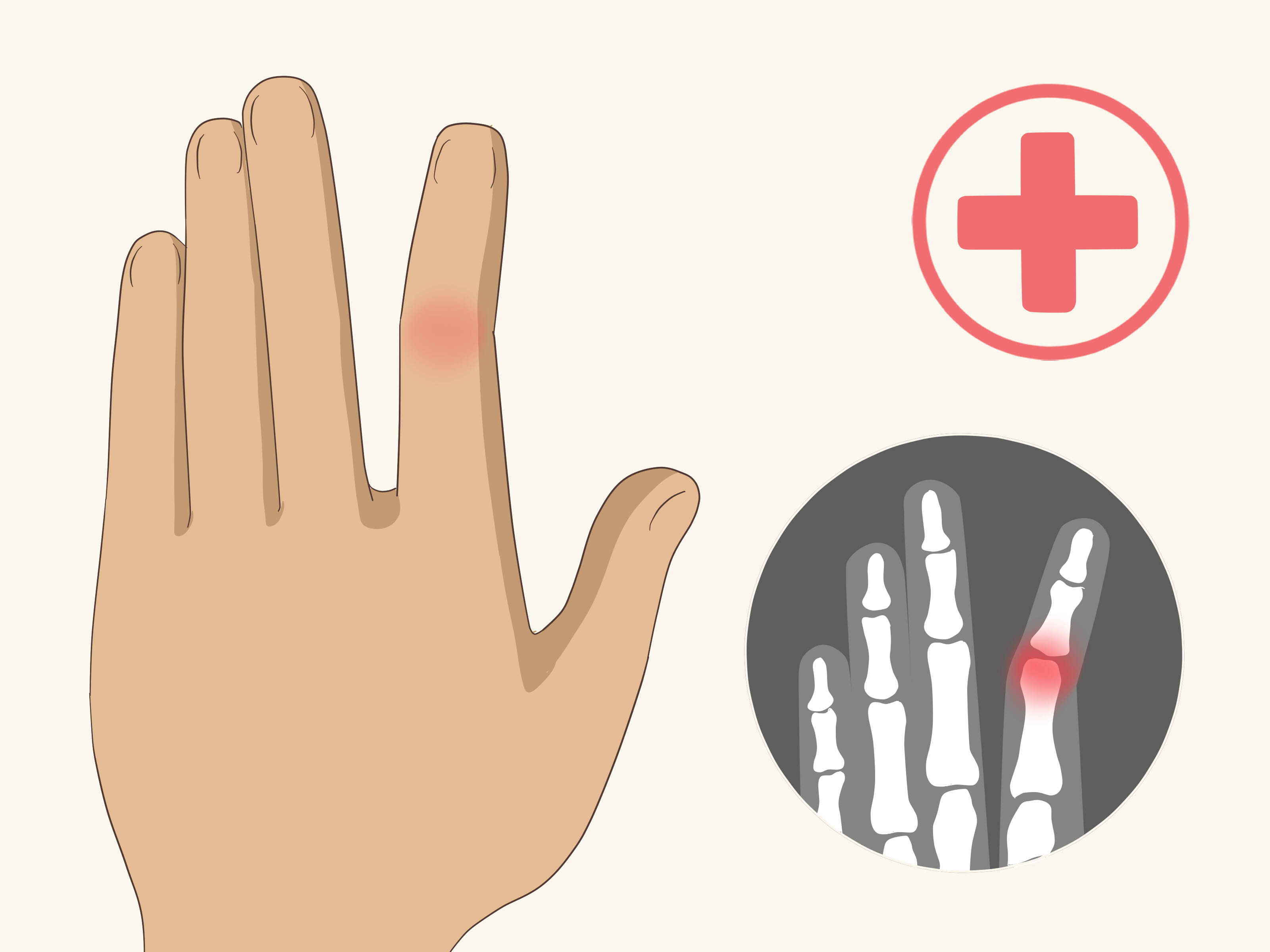
Before trying any removal method, check the finger carefully. Seek urgent medical care right away if you notice any of the following:
- The finger is blue, purple, very pale, or unusually cold.
- There is numbness, tingling, or trouble moving the finger.
- The ring is stuck after a burn, crush injury, deep cut, or obvious dislocation.
- The finger looks badly deformed.
- The skin is broken, blistered, bleeding, or infected.
- You have severe pain that keeps getting worse.
- The ring got caught on something and the finger was violently pulled.
That last one is especially important. If the ring was yanked by machinery, sports equipment, a fence, or another object, you may be dealing with a ring avulsion injury, which is a real emergency. In that situation, removal is only one part of the problem; the finger itself may have serious soft tissue, blood vessel, tendon, or bone damage.
Way #1: Reduce the Swelling and Slide the Ring Off With Lubrication
This is the best first option when the finger is swollen but still looks healthy overall. The skin should be intact, the color should be normal, and the pain should be mild to moderate rather than dramatic and pulse-pounding.
When This Method Works Best
Use this approach if the ring is tight because of:
- Mild injury-related swelling
- Heat or temporary fluid retention
- A minor jammed finger without obvious deformity
- General puffiness after exercise, travel, or salty foods
How to Do It Safely
- Raise your hand above heart level. Hold it up for several minutes. This helps fluid move away from the finger.
- Cool the finger. Use a cold pack wrapped in cloth for about 10 to 15 minutes. If the problem is a burn, use cool running water instead of ice directly on the skin.
- Apply a skin-safe lubricant. Soap, liquid hand soap, petroleum jelly, lotion, or a water-based lubricant can help the ring glide instead of drag.
- Twist, do not yank. Gently rotate the ring back and forth while slowly working it toward the fingertip. Small movements beat one dramatic tug every time.
- Pause if the finger starts to protest. If pain spikes, the skin changes color, or the ring will not budge after a few careful tries, stop.
The key here is patience. Most people fail because they treat ring removal like starting a stubborn lawn mower. Pulling harder usually causes more swelling, more irritation, and a stronger urge to say words that should not appear in a family blog post.
Mistakes to Avoid
- Do not pull aggressively.
- Do not put ice directly on skin.
- Do not keep retrying for 30 straight minutes and inflame the finger even more.
- Do not smear random household products on broken or burned skin.
Way #2: Try the String-Wrap Method
If lubrication alone fails, the next non-destructive option is the string method. This technique works by temporarily compressing the swollen finger so the ring can “walk” over the thicker tissue that is trapping it.
Medical reviews describe several versions of this idea using thread, tape, elastic wrap, or similar materials. The basic concept is the same: compress first, then guide the ring off in a controlled way.
When the String Method Makes Sense
This method is worth trying if:
- The finger is swollen but still pink and warm.
- There is no open wound.
- There is no obvious fracture or dislocation.
- The ring still has a tiny bit of space under it.
How to Use It
- Choose a thin, smooth material. Dental floss, thin string, or narrow ribbon can work.
- Slip one end under the ring. You want a short tail on the palm side and the long working end toward the fingertip side.
- Wrap the long end snugly around the finger. Start just beyond the ring and wind toward the fingertip in tight, even turns. The goal is gentle compression, not punishment.
- Unwind from the palm-side end. As you slowly unwrap, the ring should begin moving forward over the compressed tissue.
- Move slowly and stop early if needed. Severe pain, skin tearing, color change, or numbness means the attempt is over.
This method can be surprisingly effective, but it is not magic. It also is not the move for a finger that is badly injured, visibly bent, cut, burned, or looking like it has lost its circulation privileges.
When Not to Use the String Method
- There is a deep cut or bleeding.
- The finger is numb or discolored.
- You suspect a broken bone.
- The ring is embedded in the skin.
- The finger is severely swollen and extremely painful.
In those situations, compression can make a bad problem worse. That is your cue to move straight to method number three.
Way #3: Get Professional Ring Removal Immediately
Sometimes the smartest ring-removal method is admitting the ring is winning and bringing in backup.
If the finger is seriously swollen, injured, or showing signs of poor circulation, you need urgent care, an emergency department, or another trained professional with proper ring-removal tools. In many cases, clinicians use a ring cutter or another specialty device designed to protect the finger while removing the metal.
When DIY Ends and Medical Care Begins
Go now, not later, if:
- The finger becomes white, blue, purple, or very cold.
- You cannot feel the fingertip normally.
- The pain is intense or worsening.
- The ring is stuck after a burn or crush injury.
- The finger is deformed or you suspect dislocation or fracture.
- The ring is made from a very hard material and won’t respond to simple measures.
- The ring was involved in a traction injury, especially after getting caught on something.
What Professionals Usually Do
Medical professionals generally start by checking circulation, sensation, skin condition, and whether the finger may be broken or seriously injured. If the ring still might come off without damage, they may use lubrication, compression, or other non-destructive techniques.
If not, they may cut or crack the ring using the right equipment. This matters because not all rings behave the same way. Softer metals may be cut more easily, while harder materials such as some tungsten carbide rings can require different devices and more specialized handling. Translation: your fashion choice may have unexpectedly entered its villain era.
Professional removal is also safer because the team can treat the underlying issue at the same time. That may include cleaning wounds, splinting an injured finger, checking for fracture, or addressing infection, allergy, or burn care.
What to Do After the Ring Comes Off
Once the ring is removed, your job is not necessarily done. The finger still needs attention.
Basic Aftercare
- Wash minor cuts or scrapes gently with soap and water.
- Apply a bandage if the skin is broken.
- Use a cold pack for swelling from minor injury.
- Keep the hand elevated for a while if the finger is still puffy.
- Take an over-the-counter pain reliever if appropriate for you and allowed by a parent, guardian, or healthcare professional.
If swelling does not improve, if the finger stays stiff, or if pain remains significant, get medical care. A “jammed finger” can sometimes hide a fracture, tendon injury, or dislocation. If a burn is involved, keep the area clean and protected, and do not pop blisters just because they are annoying. Your future self will appreciate the restraint.
Common Reasons Rings Get Stuck in the First Place
Knowing the cause can help you choose the safest response and prevent a repeat performance. Common reasons include:
- Injury: Sports mishaps, falls, door slams, and sudden jamming injuries can cause fast swelling.
- Burns: Burned skin can swell quickly, which is why emergency first-aid guidance says to remove rings early.
- Heat: Hot weather can make hands swell more than people expect.
- Fluid retention: Travel, salty meals, pregnancy, or certain medical conditions can make rings feel suddenly too tight.
- Allergic reactions or bites: Local swelling can trap jewelry fast.
- Sizing issues: A ring that fit “well enough” in winter may become a problem in summer.
Mistakes That Can Make a Stuck Ring Worse
Some ring-removal mistakes deserve their own warning label. Here are the big ones:
1. Repeated forceful pulling
This irritates the tissue, increases swelling, and turns a manageable problem into a more dramatic one.
2. Waiting too long
“I’ll just see if it calms down later” is not a great strategy when the finger is already tight, painful, and changing color.
3. Using household cutting tools
Pliers, saws, and improvised metal-cutting adventures are risky. The ring is close to skin, nerves, and blood vessels. This is not the time for garage engineering.
4. Ignoring numbness or color change
If the finger looks pale, blue, purple, or feels numb, circulation may be compromised. That is urgent.
5. Trying a compression method on a badly injured finger
String methods can help mild swelling, but they are a bad idea for open wounds, major trauma, deformity, or suspected fracture.
Real-Life Experiences: What a Stuck Ring Usually Feels Like
People often imagine a ring emergency as a dramatic accident, but many stuck-ring stories begin in surprisingly ordinary ways. One common experience is the “I worked out, showered, and now my ring has decided to become part of my skeleton” moment. After exercise, heat, and increased blood flow, fingers may swell just enough that a ring slides halfway and then refuses to cooperate. At first it feels silly. Ten minutes later, it feels personal.
Another classic scenario happens after a jammed finger. A teen catches a ball wrong in gym class, a parent smacks a finger on a cabinet door, or someone tries to “save” a falling phone and ends up injuring a knuckle. The finger swells fast, and suddenly that everyday ring turns into the problem nobody saw coming. The person usually tries a few panicky tugs, which only adds to the swelling. This is the point where calm, ice, elevation, and a gentle plan matter most.
Burns create a different kind of experience. One second you are making grilled cheese. The next second you are learning that cast iron pans are not interested in your personal growth. Burned fingers can swell quickly, and the ring that felt loose an hour ago now needs to come off before things get worse. Many people in this situation make the mistake of focusing only on the burn and forgetting the jewelry. But tight items on a swollen hand can become a second emergency layered on top of the first.
Then there is the “summer hands” problem. Travel, humidity, long walks, salty restaurant meals, and hot weather can all team up against your fingers. Rings that fit fine in an air-conditioned room may suddenly feel impossible outside. People often notice this on vacation, at outdoor events, or after a long flight. It is not always a medical emergency, but it can become one if swelling keeps building and the ring stops moving entirely.
Some experiences are slower and sneakier. A person may wake up and realize a ring that usually spins easily now feels tight for no obvious reason. Maybe they are retaining fluid. Maybe they slept in an awkward position. Maybe there is an underlying issue causing hand swelling. The lesson here is simple: if a ring suddenly becomes hard to remove on a finger that seems puffy, do not wait for it to become painful. Deal with it early while it is still a nuisance and not a crisis.
Emotionally, stuck-ring situations often follow the same script. First comes denial: “It’s fine.” Then comes bargaining: “Maybe a little soap?” Then comes the increasingly intense phase of twisting, staring, sighing, and wondering whether the ring was forged by angry blacksmiths. That frustration is normal. But the smartest move is to stay calm, protect the finger, and stop before repeated attempts make the swelling worse.
The best real-world advice is this: treat the finger, not just the ring. If the finger looks healthy and the swelling is mild, use gentle methods. If the finger looks injured, numb, discolored, or severely swollen, skip the heroics and get help. Rings can be repaired or replaced. Fingers are a lot harder to upgrade.
Final Thoughts
If you need to remove a ring in an emergency, start simple: reduce swelling, lubricate, and use gentle twisting. If that fails and the finger still looks healthy, a careful string-wrap technique may work. But if the finger is discolored, numb, badly injured, or simply not improving, professional removal is the right call.
The big takeaway is not “learn clever ring tricks.” It is “respect swelling early.” The sooner you act, the more likely you are to save yourself pain, panic, and an awkward trip to urgent care explaining how a piece of jewelry became the main character of your day.