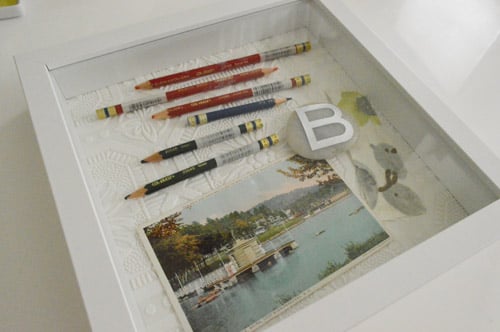
Some memories refuse to behave like flat photographs. A wedding boutonniere has petals. A marathon medal has weight. A baby bracelet is tiny enough to vanish into a junk drawer and sentimental enough to make a grown person say, “Nobody touch this.” That is exactly where shadow boxes shine. Framing keepsakes in shadow boxes turns personal objects into meaningful wall art while protecting them from dust, handling, and the mysterious household force that makes every small treasure migrate to the back of a closet.
A shadow box is a deep display frame designed for three-dimensional items. Unlike a standard picture frame, it gives objects breathing room between the backing and the glazing. That extra depth makes it ideal for heirlooms, medals, dried flowers, travel souvenirs, sports memorabilia, baby keepsakes, ticket stubs, jewelry, certificates, and other pieces that carry a story. Done well, a shadow box is not just decoration. It is a tiny museum exhibit starring your life.
What Makes Shadow Box Framing Different?
Traditional frames are usually built for flat artwork: prints, photos, diplomas, drawings, or posters. Shadow box frames, on the other hand, are made for dimension. They have a deeper profile, a backing board, protective glazing, and enough interior space to arrange objects without smashing them against the glass. That last part matters. Keepsakes should look displayed, not like they lost a wrestling match with a picture frame.
The beauty of shadow box display is that it combines storytelling, preservation, and interior design. A single frame can capture a graduation day with a tassel, photo, program, and honor cord. A travel shadow box might include a map, subway ticket, postcard, pressed flower, and a tiny café receipt from the trip where you learned that ordering coffee in another language is a competitive sport. These layered pieces create depth, movement, and emotion.
Why Frame Keepsakes Instead of Storing Them?
Storage has its place, especially for delicate originals. But many meaningful objects become invisible when they live in boxes. Shadow box framing lets you enjoy keepsakes every day while keeping them organized and safer than they would be on a shelf, in a drawer, or under a pile of “I’ll sort this later” paperwork.
Framing keepsakes in shadow boxes also helps prevent overhandling. Every time a fragile photograph, paper item, textile, or dried flower is touched, it faces potential damage from oils, bending, pressure, or accidental tearing. A well-built shadow box limits direct contact. It also creates a controlled display area where the object can be supported instead of squeezed, taped, or balanced in a way that makes gravity laugh.
Best Keepsakes to Display in a Shadow Box
Family and Baby Keepsakes
Baby bracelets, ultrasound photos, first socks, tiny hats, birth announcement cards, and hospital tags are popular shadow box items because they are small, emotional, and easy to arrange into a sweet visual story. A neutral fabric background works well for baby keepsakes because it keeps the focus on the objects instead of turning the frame into a confetti explosion.
Wedding and Anniversary Memories
Wedding shadow boxes can include invitations, dried bouquet flowers, lace, vows, boutonniere pieces, ribbons, cake toppers, jewelry, or a favorite photograph. For a cleaner design, choose three to five strong items instead of trying to fit the entire wedding reception into one frame. The goal is romance, not a storage unit with glass.
Travel Souvenirs
Maps, ticket stubs, postcards, museum passes, foreign coins, luggage tags, and small shells can make a beautiful travel shadow box. Try arranging items like a journey: start with the map or photo as the background, then layer smaller souvenirs in the order they happened. This gives the display a natural sense of movement.
Sports and Achievement Displays
Medals, race bibs, ribbons, patches, certificates, team photos, and jerseys are excellent choices for custom shadow box framing. Sports jerseys usually need deeper frames and careful folding so the fabric is supported without stress. Pins, stitching, or hidden supports can help secure textiles without making the display look like a craft project attacked it in the dark.
Heritage and Heirloom Items
Letters, old photographs, jewelry, recipe cards, pocket watches, badges, and small family objects can create powerful heirloom displays. For valuable or fragile originals, consider framing high-quality reproductions and storing the originals safely. This is especially wise for old paper, photographs, and documents that are sensitive to light exposure.
How to Plan a Shadow Box Before You Frame Anything
Before you cut board, buy a frame, or grab the nearest glue gun like a craft warrior, make a plan. Lay everything out on a clean table. Group objects by theme, color, size, and emotional importance. The strongest shadow boxes usually have one main focal point and several supporting pieces. If every item screams for attention, the viewer’s eyes will panic and leave the room.
Measure the tallest or thickest object first. That measurement determines the depth of the shadow box. Add extra space so the item does not press against the glazing. For flat items like documents and photos, use mats or spacers to keep the surface away from the glass or acrylic. For thicker items, make sure there is enough interior depth for safe mounting and a little visual breathing room.
Choose Archival Materials Whenever Possible
The materials inside the frame matter as much as the frame itself. For keepsakes you want to preserve, choose acid-free, pH-neutral, or archival-quality backing boards, mats, and mounting materials. Cotton rag board and chemically purified pulp boards are common choices for paper-based items. For photographs, look for materials that are photo-safe and designed for long-term contact.
Avoid ordinary cardboard, cheap colored paper, masking tape, rubber cement, and mystery adhesives from the bottom of the craft drawer. These materials may discolor, stain, dry out, become sticky, or damage objects over time. They might seem harmless today, but future-you may open the frame and discover a conservation crime scene.
Mounting Keepsakes Without Damage
The safest mounting method depends on the object. Paper items and photographs are often best secured with photo corners, paper corners, edge strips, or hinges designed for archival use. These methods reduce or eliminate adhesive contact with the object itself. That is especially important for original letters, certificates, vintage photos, artwork, and signed memorabilia.
Textiles such as jerseys, patches, ribbons, baby clothes, and handkerchiefs can often be secured with careful stitching using suitable thread. The stitches should support the fabric without pulling, puckering, or distorting it. Heavier objects may need custom mounts, small ledges, padded supports, or recessed areas in the backing. The basic rule is simple: support the object; do not force it to obey.
Small objects such as medals, coins, keys, jewelry, and charms may require hidden supports, loops, museum putty for non-fragile items, or custom-shaped mounts. If an item is valuable, brittle, rare, or irreplaceable, consult a professional framer or conservator before mounting it. Sentimental value counts, too. A five-dollar ticket stub from a first date may be worth more to you than a gold-plated trophy from a bowling league you forgot you joined.
Glazing: Glass or Acrylic?
Glazing is the clear front panel that protects the display. Glass offers clarity and scratch resistance, while acrylic is lighter and more shatter-resistant. Acrylic can be a good choice for large shadow boxes, children’s rooms, dorm rooms, or high-traffic spaces. However, acrylic can create static, so it may not be ideal for powdery, flaky, or delicate surfaces.
UV-filtering glazing is strongly recommended for keepsakes displayed in rooms with natural light or fluorescent lighting. UV protection does not make objects immortal, but it helps reduce fading and light damage. Even with protective glazing, avoid direct sunlight. A sunny wall may look cheerful, but it can turn photographs, paper, and textiles into faded ghosts of their former selves.
Design Tips for a Beautiful Shadow Box Display
Start With a Story
Every great shadow box has a point of view. Instead of asking, “How many things can I fit in here?” ask, “What memory am I trying to tell?” A graduation box might focus on achievement. A wedding box might focus on romance. A travel box might focus on adventure. A family heirloom box might focus on legacy.
Use a Strong Background
The background sets the mood. Linen, suede-style mat board, cotton fabric, neutral paper, or textured cardstock can add warmth without stealing attention. Dark backgrounds create drama and contrast. Light backgrounds feel airy and classic. Patterned backgrounds can work, but use them carefully. If the background is busier than the keepsakes, the frame starts looking like wallpaper with passengers.
Layer for Depth
Layering is the secret sauce of shadow box framing. Place larger flat pieces in the back and smaller dimensional objects toward the front. Use risers, spacers, or stacked mat elements to create levels. This adds visual interest and helps each object feel intentional.
Leave Empty Space
Empty space is not wasted space. It gives the eye a place to rest and makes important items feel more valuable. Luxury stores understand this. That is why one watch gets a glowing case while the bargain bin gets chaos. Treat your keepsakes like the watch.
Common Mistakes to Avoid
The biggest mistake in shadow box framing is using permanent glue on original keepsakes. Glue may be quick, but quick is not always kind. Adhesives can stain, fail, or make future removal difficult. Another mistake is letting objects touch the glazing. Paper, photographs, textiles, and dimensional items need space to avoid pressure, condensation risks, and surface damage.
Overcrowding is another common problem. Too many objects can make a shadow box feel cluttered instead of meaningful. If you have a large collection, create a series of smaller shadow boxes rather than one giant “memory lasagna.” Also, avoid hanging heavy shadow boxes from a single weak nail. Use proper hardware, wall anchors, or studs depending on the size and weight of the frame.
Where to Display Shadow Boxes at Home
The best location is a stable indoor wall away from direct sunlight, high humidity, heat sources, and heavy vibration. Bedrooms, hallways, home offices, dining rooms, and living rooms can all work well. Avoid bathrooms, damp basements, laundry areas, and sunny windows. Moisture and heat can encourage warping, fading, corrosion, and other damage.
If you are displaying especially delicate items, rotate them. Keep the original in storage and display a reproduction for long-term enjoyment. This approach is common in preservation-minded collections because display always involves some risk. The trick is to balance joy and care. Memories deserve to be seen, but they also deserve not to be roasted by afternoon sun.
DIY Shadow Box or Professional Framing?
DIY shadow box framing can be fun, affordable, and satisfying for low-risk keepsakes. If you are framing replaceable items, craft objects, recent photos, or decorative souvenirs, a DIY approach may be perfect. Choose a quality frame, use acid-free materials, plan your layout, and mount items carefully.
Professional custom framing is worth considering for valuable, fragile, oversized, or emotionally irreplaceable objects. A professional framer can recommend the right depth, backing, glazing, matting, mounting technique, and hanging hardware. They can also create a polished design that looks balanced rather than “I made this at midnight with scissors and confidence.”
Shadow Box Ideas for Every Life Moment
For a graduation shadow box, combine a tassel, diploma copy, photo, honor cord, and event program. For a wedding box, use dried flowers, an invitation, ribbon, vows, and a favorite portrait. For a baby keepsake box, display a hospital bracelet, first hat, tiny socks, name card, and newborn photo. For travel memories, combine a map, tickets, postcards, coins, and one standout photo.
For sports memories, frame a medal, race bib, team patch, jersey section, or action photo. For family heritage, combine a recipe card, portrait copy, jewelry piece, handwritten note, and label explaining the story. Labels are underrated. A small caption can transform random objects into a clear narrative, especially for future family members who may not know why a spoon, ribbon, and postcard are sharing real estate.
Care and Maintenance After Framing
Once your shadow box is finished, dust the exterior gently with a soft cloth. Do not spray cleaner directly on the glazing because liquid can seep into the frame. Instead, apply cleaner to the cloth first, then wipe carefully. Check the hanging hardware occasionally, especially for heavy frames. If anything shifts inside, take the frame down and fix the support before gravity gets creative.
Keep a record of what is inside the shadow box. Write down names, dates, places, and object descriptions. Store this information separately or attach it discreetly to the back of the frame. Future viewers will appreciate the context, and you will appreciate not having to say, “I know this ticket was from something important, but my brain has left the chat.”
Personal Experience: What Shadow Boxes Teach You About Memories
After working with keepsake displays and studying how people preserve meaningful objects, one lesson becomes obvious: people rarely want to frame “stuff.” They want to frame a feeling. The object is only the doorway. A dried flower is not just a dried flower; it is a wedding morning, a grandmother’s garden, or the first bouquet someone saved instead of tossing. A medal is not just metal; it is the training, the nerves, the finish line, and the dramatic moment when someone swore they would never run again, then signed up for another race two weeks later.
The best shadow boxes usually begin with editing. That can feel difficult because every little item seems important. But once the display has a clear theme, the design becomes easier. I have seen memory boxes improve instantly when half the items were removed. The remaining pieces had more room to speak. A single handwritten recipe beside a family photo can say more than ten unrelated kitchen trinkets. A concert ticket paired with one photo and a guitar pick can feel more powerful than a crowded collage of every receipt from the night.
Another experience-based tip: take photos of several layouts before attaching anything. The camera reveals clutter that the eye politely ignores. It also helps compare balance, spacing, and color. Sometimes the best arrangement is not centered. Sometimes a diagonal flow feels more alive. Sometimes the smallest object deserves the most space because it carries the biggest emotional punch.
It also helps to think like a museum designer, even if the “museum” is your hallway. Give the viewer a path. Start with the largest object, add supporting pieces, then include one small surprise detail. That surprise might be a handwritten date, a tiny charm, a note tucked behind a ribbon, or a caption that explains why the objects matter. These little details make people lean in, and leaning in is the secret sign of a successful shadow box.
Finally, do not wait for a perfect occasion. Shadow boxes are often made after major milestones, but they are just as meaningful for ordinary memories. A child’s first movie ticket, a family beach trip shell, a favorite teacher’s note, a pet collar, a recipe card with flour smudges, or a postcard from a weekend road trip can all become beautiful displays. The magic is not in the price of the object. It is in the story you preserve around it.
Conclusion
Framing keepsakes in shadow boxes is one of the most personal ways to decorate a home. It protects meaningful objects, gives them context, and turns private memories into visible art. Whether you choose a DIY shadow box or a professional custom frame, focus on three things: safe materials, thoughtful mounting, and a clear story. Use acid-free backing, avoid damaging adhesives, choose UV-filtering glazing when possible, keep objects away from direct sunlight, and give each keepsake enough space to matter.
A good shadow box does more than hold objects. It holds the moment around them. And unlike a drawer full of forgotten souvenirs, it lets those moments greet you every day from the wall, quietly saying, “Remember this?” Honestly, that is a much better job than most wall decor has.