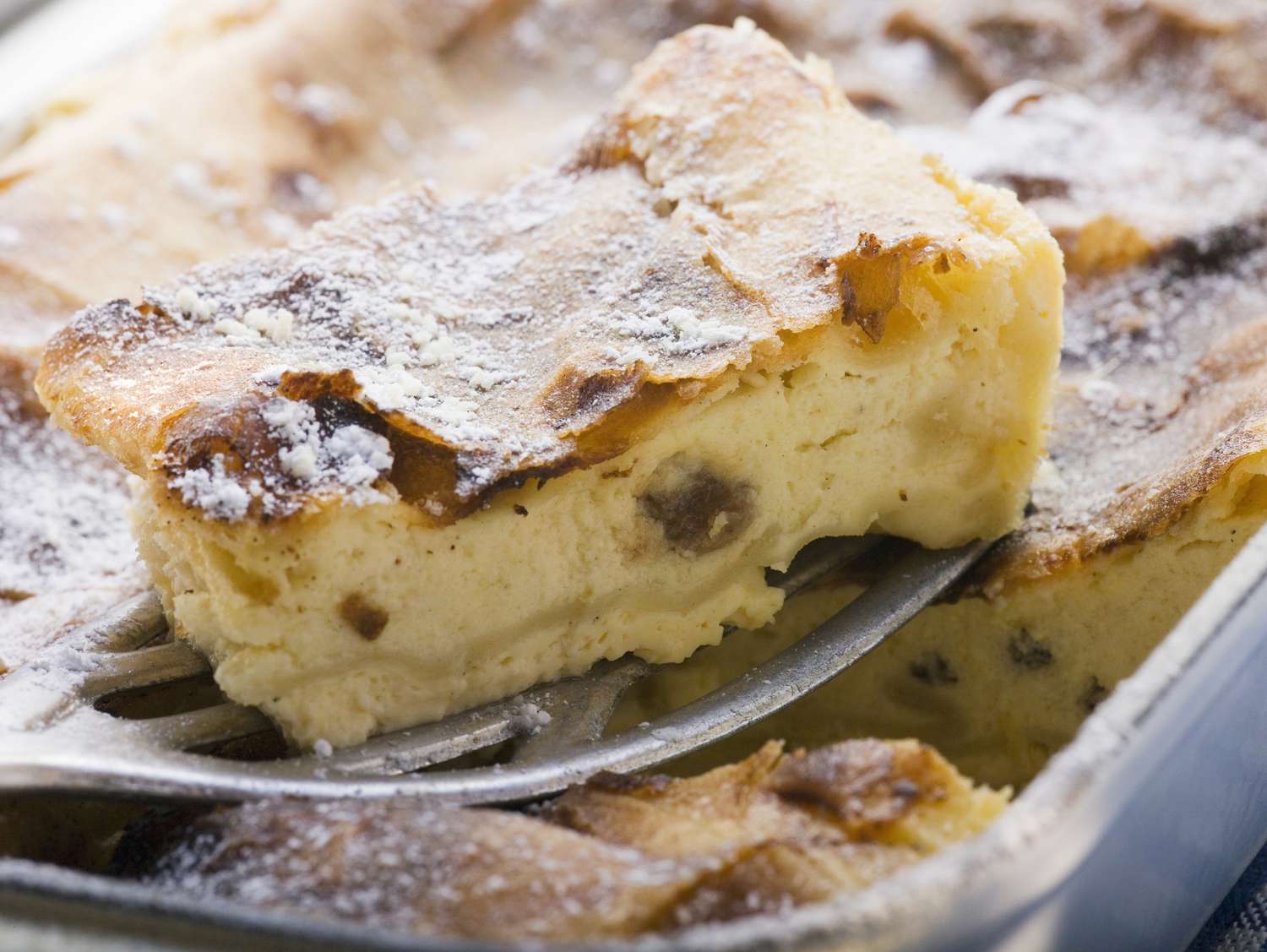
If a flaky pastry had a favorite secret, it would probably be sweet cheese strudel filling. Creamy, lightly tangy, gently sweet, and perfumed with vanilla and lemon zest, this filling is the soft, dreamy center that turns a simple strudel into the kind of dessert people “just taste” three times before dinner. No judgment. The spoon has a mind of its own.
This sweet cheese strudel filling recipe is inspired by classic Central and Eastern European baking traditions, but it is adapted for a modern American kitchen using easy-to-find ingredients such as cream cheese, cottage cheese, ricotta, eggs, sugar, vanilla, lemon zest, and a small amount of starch or breadcrumbs for structure. It works beautifully with phyllo dough, puff pastry, homemade strudel dough, crescent-style pastry, or even as a filling for Danish pastries, turnovers, and breakfast braids.
The goal is simple: a filling that is rich but not heavy, sweet but not candy-like, creamy but not runny, and flavorful enough to stand proudly inside crisp golden layers of pastry. In other words, it should taste like cheesecake’s elegant European cousin who owns linen napkins and somehow never panics when guests arrive early.
What Is Sweet Cheese Strudel Filling?
Sweet cheese strudel filling is a creamy pastry filling made from soft cheese, sugar, eggs, flavorings, and sometimes a thickener. It is used inside strudel, a rolled pastry traditionally made with paper-thin dough. While apple strudel often gets the spotlight, cheese strudel has its own loyal fan club, especially among people who love desserts that are creamy, delicate, and not overwhelmingly sweet.
The filling can vary depending on family tradition and region. Some versions use farmer cheese or tvorog, which gives a pleasantly tangy and slightly crumbly texture. Others use cottage cheese, ricotta, cream cheese, or a blend of several cheeses. In the United States, a mixture of cream cheese and well-drained cottage cheese or ricotta is practical, reliable, and delicious.
The best sweet cheese strudel filling should have balance. Cream cheese adds richness. Cottage cheese or ricotta adds lightness and texture. Egg helps the filling set during baking. Sugar softens the tang. Lemon zest brightens the whole thing like a tiny culinary light switch. Vanilla adds warmth, while a pinch of salt keeps the sweetness from becoming flat.
Why This Recipe Works
This recipe is designed to solve the most common sweet cheese strudel problem: a filling that tastes good in the bowl but becomes watery in the pastry. Soft cheeses contain moisture, and moisture is the sworn enemy of crisp pastry. If the filling is too loose, it can leak, tear the dough, or turn the bottom layer soggy. Nobody wants a strudel that looks like it lost an argument with a puddle.
The solution is to drain the cheese, blend the filling just enough, and use a modest thickener. Cornstarch, instant tapioca, fine breadcrumbs, or semolina can help absorb extra liquid as the strudel bakes. The result is a filling that stays creamy while slicing cleanly.
This version also uses both cream cheese and ricotta or cottage cheese. Cream cheese gives body and a familiar cheesecake-like flavor, while ricotta or cottage cheese keeps the filling from becoming too dense. The combination creates a smooth, spoonable mixture that bakes into a tender, custardy center.
Ingredients for Sweet Cheese Strudel Filling
Main Ingredients
- 8 ounces cream cheese, softened: Gives the filling richness, structure, and a smooth texture.
- 1 1/2 cups ricotta or small-curd cottage cheese, well drained: Adds creamy lightness and a traditional cheese-forward flavor.
- 1/2 cup granulated sugar: Sweetens the filling without making it taste like frosting.
- 1 large egg plus 1 egg yolk: Helps the filling set and gives it a custard-like texture.
- 1 tablespoon cornstarch: Thickens the filling and helps prevent leaking.
- 1 teaspoon vanilla extract: Adds warm, bakery-style flavor.
- 1 teaspoon fresh lemon zest: Brightens the cheese and balances the richness.
- 1 tablespoon fresh lemon juice: Optional, but helpful if you want a tangier filling.
- 1/4 teaspoon fine salt: Makes the sweet and creamy flavors taste more complete.
Optional Add-Ins
- 1/3 cup raisins: A classic addition, especially if soaked first in warm water or orange juice.
- 1/2 teaspoon cinnamon: Warm and cozy, especially for fall or holiday baking.
- 2 tablespoons sour cream: Makes the filling softer and tangier.
- 1/4 cup finely chopped toasted walnuts: Adds texture and nutty flavor.
- 1/2 cup drained cherries or berries: Turns the filling into a fruit-cheese strudel variation.
How to Make Sweet Cheese Strudel Filling
Step 1: Drain the Cheese
If you are using ricotta or cottage cheese, drain it before mixing. Place the cheese in a fine-mesh strainer lined with cheesecloth or a clean kitchen towel. Set it over a bowl and let it drain for at least 30 minutes. For the thickest filling, drain it for 1 to 2 hours in the refrigerator.
This step may seem fussy, but it is the difference between a crisp strudel and a pastry that quietly gives up. Ricotta and cottage cheese can hold more liquid than they appear to. Draining removes excess moisture and gives the filling a thicker, more reliable texture.
Step 2: Soften the Cream Cheese
Let the cream cheese sit at room temperature until soft. Cold cream cheese forms lumps when mixed, and while lumps are charming in mashed potatoes, they are less welcome in a smooth cheese strudel filling. If you forgot to take it out ahead of time, cut it into cubes and let it sit for 15 minutes.
Step 3: Mix the Cream Cheese and Sugar
In a medium bowl, beat the softened cream cheese and sugar together until smooth. You can use a hand mixer, stand mixer, or sturdy spatula. The mixture should look creamy and slightly fluffy. This step helps dissolve the sugar and creates a smooth base for the rest of the filling.
Step 4: Add the Ricotta or Cottage Cheese
Add the drained ricotta or cottage cheese. For a smooth filling, blend the mixture briefly with a hand mixer or food processor. For a more rustic filling, stir it by hand so the cheese keeps a little texture. Both versions are delicious; the choice depends on whether you want “silky bakery counter” or “grandma made this and everyone is behaving better than usual.”
Step 5: Add Eggs, Flavorings, and Thickener
Mix in the egg, egg yolk, cornstarch, vanilla, lemon zest, lemon juice if using, and salt. Stir until combined. Avoid overbeating once the eggs are added. Too much air can make the filling puff dramatically in the oven and then sink as it cools.
Step 6: Chill Before Using
Cover the bowl and refrigerate the filling for 20 to 30 minutes before assembling the strudel. Chilling firms the mixture slightly, making it easier to spread over dough without running toward the edges like it has somewhere better to be.
How to Use the Filling in Strudel
This recipe makes enough filling for one large strudel or two smaller strudels, depending on the dough size. It also works for about 8 to 10 individual pastries. The amount you use should depend on the thickness of your dough and how tightly you plan to roll it.
For phyllo dough, layer 6 to 8 sheets, brushing each sheet lightly with melted butter. Sprinkle a thin layer of fine breadcrumbs, crushed vanilla wafers, or ground nuts over the dough before adding the cheese filling. This creates a moisture barrier and helps keep the pastry crisp.
Spread the filling in a long strip about 2 inches from one edge, leaving space on the sides for folding. Roll the strudel gently but firmly, then place it seam-side down on a parchment-lined baking sheet. Brush the top with melted butter or egg wash, then bake at 350°F to 375°F until golden brown and set.
For puff pastry, roll the pastry into a rectangle, spoon the filling down the center, and fold the sides over the filling. Seal the edges, cut small vents on top, and bake until puffed and deeply golden. Puff pastry gives a buttery, bakery-style result with less effort, which is always appreciated by anyone who has ever met a weeknight.
Best Cheeses for Sweet Cheese Strudel
Cream Cheese
Cream cheese is smooth, rich, and dependable. It gives the filling body and helps it slice neatly after baking. On its own, however, it can be too dense, so it is best combined with a lighter cheese.
Ricotta Cheese
Ricotta creates a delicate, slightly grainy texture that works beautifully in pastries. Whole-milk ricotta gives the best flavor. Always drain it first, even if the container claims it is thick. Trust, but verify.
Cottage Cheese
Cottage cheese is a practical choice for sweet cheese strudel filling, especially if you want a traditional-style filling with mild tang. Small-curd cottage cheese blends more smoothly than large-curd. Drain it well and blend it if you prefer a less textured filling.
Farmer Cheese
Farmer cheese is drier and tangier than ricotta. It is excellent for strudel because it contains less moisture, but it may be harder to find in regular supermarkets. If you can get it, use it in place of ricotta or cottage cheese.
Flavor Variations
Lemon Vanilla Cheese Strudel Filling
Use the base recipe with extra lemon zest and vanilla. This is the cleanest, most classic version. It tastes creamy, bright, and simple, making it ideal for brunch or dessert.
Raisin Cheese Strudel Filling
Soak 1/3 cup raisins in warm water, orange juice, or apple juice for 10 minutes, then drain well. Fold them into the filling before chilling. Raisins add sweetness and a traditional bakery flavor.
Cherry Cheese Strudel Filling
Add 1/2 cup well-drained sour cherries, sweet cherries, or cherry pie filling. If using pie filling, spoon it sparingly so the strudel does not become too wet. A ribbon of cherry through the cheese filling looks beautiful when sliced.
Cinnamon Cheese Strudel Filling
Add 1/2 teaspoon cinnamon and a tiny pinch of nutmeg. This variation pairs especially well with apples, pears, walnuts, and a dusting of powdered sugar.
Common Mistakes to Avoid
Using Wet Cheese
The most common mistake is skipping the draining step. Wet cheese can make the filling loose and cause pastry layers to steam instead of crisp. If the cheese looks watery in the container, drain it longer.
Adding Too Much Sugar
Sweet cheese strudel should taste like cheese, not like a candy bar wearing a pastry jacket. Too much sugar can make the filling thinner and overly sweet. Start with 1/2 cup and increase slightly only if you prefer a dessert-style filling.
Overfilling the Strudel
More filling sounds like more happiness, but pastry has limits. If you pile on too much, the strudel can split, leak, or bake unevenly. Use a moderate layer and roll gently.
Slicing Too Soon
Let the strudel cool for at least 20 minutes before slicing. The filling needs time to set. Cut too early, and the creamy center may spill out. It will still taste good, but presentation may enter its “abstract art” era.
Storage and Make-Ahead Tips
You can make sweet cheese strudel filling up to 24 hours ahead. Store it in an airtight container in the refrigerator and stir before using. If it looks slightly looser after resting, add 1 to 2 teaspoons of cornstarch or fine breadcrumbs before filling the pastry.
Baked cheese strudel can be stored in the refrigerator for up to 3 days. Reheat slices in a 300°F oven until warmed through. Avoid microwaving if you want crisp pastry, because the microwave tends to soften the layers. It is convenient, yes, but it has no respect for flakiness.
You can also freeze baked strudel. Wrap it tightly, freeze for up to 2 months, and reheat from frozen in a moderate oven. For best texture, freeze the baked strudel rather than the raw assembled strudel, especially if using phyllo dough.
Serving Ideas
Sweet cheese strudel is wonderful slightly warm, dusted with powdered sugar. It also pairs well with fresh berries, cherry compote, apple slices, whipped cream, or a spoonful of sour cream. For brunch, serve it with coffee and fruit. For dessert, serve it with vanilla ice cream or a drizzle of honey.
If you want a bakery-style finish, brush the baked strudel with melted butter and dust it generously with powdered sugar once it cools. For a shiny look, use egg wash before baking. For a more rustic finish, use butter and let the pastry brown naturally.
Sweet Cheese Strudel Filling Recipe Card
Ingredients
- 8 ounces cream cheese, softened
- 1 1/2 cups whole-milk ricotta or small-curd cottage cheese, well drained
- 1/2 cup granulated sugar
- 1 large egg
- 1 large egg yolk
- 1 tablespoon cornstarch
- 1 teaspoon vanilla extract
- 1 teaspoon fresh lemon zest
- 1 tablespoon lemon juice, optional
- 1/4 teaspoon fine salt
- Optional: 1/3 cup raisins, drained cherries, or chopped toasted nuts
Instructions
- Drain the ricotta or cottage cheese in a fine-mesh strainer for at least 30 minutes.
- Beat the softened cream cheese and sugar together until smooth.
- Add the drained ricotta or cottage cheese and mix until creamy or slightly textured, depending on preference.
- Stir in the egg, egg yolk, cornstarch, vanilla, lemon zest, lemon juice, and salt.
- Fold in raisins, cherries, or nuts if using.
- Cover and chill for 20 to 30 minutes before spreading into strudel dough, phyllo, or puff pastry.
- Bake the assembled strudel according to your pastry instructions, usually at 350°F to 375°F, until golden and set.
- Cool for at least 20 minutes before slicing.
Personal Kitchen Experience: What I Learned Making Sweet Cheese Strudel Filling
The first time I made sweet cheese strudel filling, I treated it like cheesecake batter. I mixed everything until it was perfectly smooth, spread a heroic amount onto thin pastry, rolled it with confidence, and watched it leak from one end like a dramatic soap opera exit. It tasted wonderful, but the baking sheet looked like it had been through a dairy-based weather event.
That first attempt taught me the golden rule of cheese strudel: the filling must be thick before it goes into the dough. Not stiff like cookie dough, but thick enough to hold its shape when spooned. If it slowly spreads, it is fine. If it runs, it needs help. Draining the cheese changed everything. Even 30 minutes in a strainer made the mixture creamier, less watery, and much easier to roll.
I also learned that cream cheese is a helpful anchor. Ricotta and cottage cheese taste lovely, but they can be delicate and moist. Cream cheese gives the filling enough body to behave during baking. A blend of cream cheese and ricotta became my favorite because it tastes rich without feeling heavy. Cottage cheese works too, especially when blended, but ricotta gives a softer, dessert-like finish.
Lemon zest is another small ingredient with a big personality. Without it, the filling can taste sweet and creamy but a little sleepy. Add lemon zest, and suddenly the whole bowl wakes up. It does not make the strudel taste aggressively lemony; it simply brightens the cheese and makes each bite feel cleaner. Vanilla plays the cozy background music, but lemon zest opens the windows.
One practical trick is to add a light layer of breadcrumbs, finely ground nuts, or crushed cookies between the pastry and the filling. This is especially useful with phyllo dough. The crumbs absorb extra moisture and help protect the layers. They also add subtle flavor. Toasted breadcrumbs give a traditional feel, while ground walnuts make the strudel taste richer and more festive.
Another lesson: patience matters after baking. A cheese strudel fresh from the oven smells so good that waiting feels unreasonable. Still, slicing too soon is risky. The filling needs time to settle. After about 20 to 30 minutes, the slices look cleaner, the texture becomes creamier, and the pastry is still pleasantly warm. This is the dessert version of letting a good story finish before interrupting.
For serving, I prefer powdered sugar and berries. The strudel is already rich, so fresh fruit gives contrast. A spoonful of cherry compote is especially good because tart cherries and sweet cheese are best friends. Coffee also belongs nearby. Sweet cheese strudel with hot coffee is the kind of combination that makes a kitchen feel like a bakery, even if there are three dishes in the sink and someone forgot to buy napkins.
In the end, the best sweet cheese strudel filling is not complicated. It is about balance, moisture control, and gentle flavor. Drain the cheese, do not overfill, brighten with lemon, and let the pastry cool before slicing. Follow those simple rules, and you will get a creamy, golden, sliceable strudel that tastes homemade in the best possible way.
Conclusion
A great sweet cheese strudel filling recipe turns simple ingredients into a pastry centerpiece. With cream cheese for richness, ricotta or cottage cheese for lightness, eggs for structure, and lemon-vanilla flavor for brightness, this filling is versatile enough for traditional strudel, puff pastry braids, Danish-style pastries, and fruit-filled variations. The most important steps are draining the cheese, using the right amount of thickener, chilling the filling, and giving the baked strudel time to set before slicing.
Whether you serve it for brunch, holidays, family dessert, or a quiet afternoon coffee break, sweet cheese strudel delivers comfort without being too heavy. It is creamy, flaky, lightly tangy, and just sweet enough. Basically, it is proof that cheese and pastry have been in a very successful relationship for a long time.