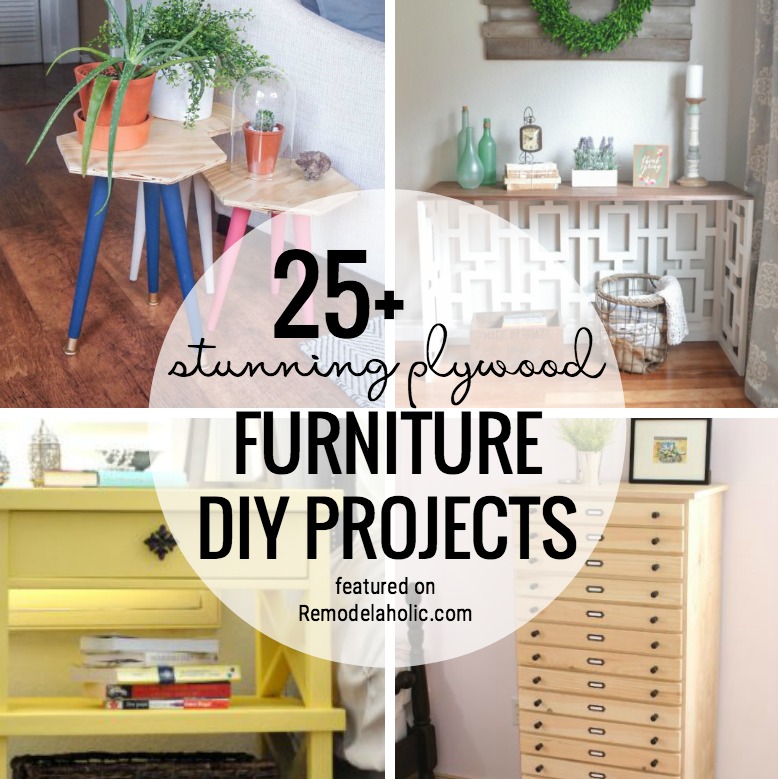
Plywood used to get treated like the practical cousin at the furniture family reunion: useful, reliable, and rarely invited to sit at the cool table. Not anymore. Today, plywood furniture DIY projects are having a full-blown glow-up. Clean lines, exposed edges, warm veneers, budget-friendly sheet goods, and modern silhouettes have turned humble plywood into one of the smartest materials in the workshop.
And honestly, it deserves the attention. Plywood is strong, stable, more predictable than many solid boards, and available in finishes that can look sleek, cozy, minimalist, Scandinavian, mid-century, or delightfully “I built this myself and now I won’t stop talking about it.” If you’ve been itching to build something stylish without selling a kidney for walnut slabs, this is your sign.
Below, you’ll find more than 25 stunning plywood furniture DIY projects you can tackle in real life, not just in your imagination while staring at a perfectly organized Pinterest board. I’ll also walk through how to choose the right plywood, how to make it look polished instead of “garage-ish,” and what mistakes to avoid if you want your piece to look intentional rather than accidentally rustic.
Why Plywood Is a DIY Furniture Superstar
The beauty of plywood is that it balances performance and style. Its layered construction helps resist the dramatic seasonal mood swings that can make some solid wood panels cup, twist, or shrink. That makes plywood especially useful for large flat parts like shelves, cabinet sides, desktops, and bed platforms.
For furniture, sanded or cabinet-style plywood is usually the sweet spot. It gives you a smoother face, cleaner veneer, and a much better starting point for stain, clear coat, or paint. If your project will live indoors, interior plywood is usually the correct choice. If you’re building something for a porch, patio, or other damp zone, switch to an exterior-rated product and protect it with a finish meant for moisture exposure. In short: your plywood should match your ambition and your zip code’s humidity level.
Another big win is flexibility. You can leave the edge exposed for a graphic, layered look, cover the edge with veneer banding for a cleaner finish, or add solid-wood edging if you want a more furniture-grade vibe. Plywood does not insist on a single personality. It’s the actor of sheet goods. Range, darling.
Before You Build: A Few Smart Ground Rules
Choose the right thickness
For many furniture builds, 3/4-inch plywood is the workhorse. It feels sturdy enough for carcases, benches, desktops, and bed parts. Thinner sheets can work beautifully for backs, drawer bottoms, door panels, templates, and lightweight accents.
Don’t trust the label blindly
Plywood thickness can vary slightly from what the sticker says, which is why test cuts are your best friend. Measure your actual material before cutting dados, rabbets, or edge strips. Your tape measure is not being dramatic; it is protecting you from wobbly joints.
Give the edges some love
Raw plywood edges can look beautifully modern when they’re sanded crisp and even. But if the edge looks ragged, the whole project looks unfinished. Edge banding, solid-wood lipping, or carefully exposed plies can take a project from “weekend experiment” to “wait, you made that?”
Finish like you mean it
Sand with the grain, work up through finer grits, remove dust thoroughly, and don’t rush your topcoat. Fast finishing creates lifelong regret and at least one sentence that begins with, “It looked better before I touched it.”
30 Stunning Plywood Furniture DIY Projects to Try
Living Room Projects
- Waterfall coffee table: A single-sheet-inspired waterfall table shows off plywood’s clean edges beautifully. Keep the design boxy and simple, then let the veneer or layered edge do the talking.
- C-shaped sofa side table: This small project slides under a couch and gives you a place for coffee, a laptop, or that one remote everyone pretends they didn’t lose.
- Open cube bookcase: Few plywood furniture DIY projects are as beginner-friendly and rewarding as a cube shelf. It’s functional, customizable, and can swing from playroom to office without complaint.
- Low media console: Plywood is ideal for long cabinet forms. Add sliding doors, open cubbies, or a mix of both for a media unit that looks custom without the custom invoice.
- Record cabinet: Vinyl is heavy, so stable sheet goods are a smart choice. Build divided compartments sized for albums and top it with a turntable-friendly surface.
- Minimalist sideboard: A long plywood cabinet with push-latch doors and a floating base delivers major designer energy. Bonus: it also hides chaos, which is a form of interior design.
- Nesting side tables: Use matching plywood pieces in graduated sizes for a sleek set of tables that tuck together when not in use.
- Storage ottoman bench: Build a plywood box, add foam and upholstery, and suddenly you have seating, storage, and a project that looks much more expensive than it is.
Bedroom Projects
- Platform bed frame: A plywood bed frame feels modern, solid, and highly customizable. Add a recessed base for a floating effect if you want the bed to look like it’s levitating politely.
- Bed with built-in drawers: If your bedroom is short on storage, a plywood platform with drawer bays can work harder than most dressers.
- Minimalist nightstand: A simple plywood nightstand with one shelf is an ideal first furniture build. Clean geometry makes even a modest design look sharp.
- Upholstered headboard base: Plywood makes a perfect core for upholstered headboards. Wrap it in foam, batting, and fabric for a custom piece without custom-store pricing.
- Floating bedside shelf: Great for tiny bedrooms, this project skips the legs and mounts directly to the wall. It’s small, stylish, and less likely to become a sock graveyard.
- Wardrobe insert or closet tower: Use plywood to create a built-in look inside a closet with shelves, drawers, and cubbies sized exactly to your needs.
- Tall chest with simple slab fronts: If you like clean-lined modern furniture, a plywood drawer unit with matching fronts can look stunning with almost no ornament.
Office and Study Projects
- One-sheet desk: A desk built mostly from one sheet of plywood is a classic DIY flex. Keep the silhouette simple and focus on proportion, cable control, and edge treatment.
- Waterfall double desk: Need room for two people or one person with too many tabs open? A longer waterfall desk gives you shared workspace without visual clutter.
- Fold-down wall desk: This is perfect for apartments, hallways, or spare corners. When folded up, it almost disappears. Which is more than we can say for email.
- Printer cabinet or file credenza: A low plywood storage piece can keep office gear organized while doubling as a bench or display surface.
- Wall-mounted bookshelf: Plywood shelves with a clean face frame or exposed edge can look modern, warm, and architectural.
Kitchen and Dining Projects
- Rolling kitchen island cart: Build a plywood base with locking casters, open shelves, and a butcher-block or sealed plywood top for extra prep space.
- Banquette bench with storage: Built-in style seating is one of the smartest uses for plywood. Hinged lids or front drawers turn dead dining space into hidden storage.
- Dining table base: A sculptural plywood pedestal or trestle base can support a solid top, plywood top, or even a laminate surface with dramatic effect.
- Bar cart: Small, movable, and endlessly useful, a plywood bar cart lets you practice joinery, shelf spacing, and finishing without committing to a massive build.
- Wine rack cabinet: Bottle cubbies and stemware storage make this a compact but stylish project, especially if you use a dark stain and brass pulls.
Entryway and Utility Projects
- Hall tree with bench: Hooks, cubbies, a seat, and shoe storage make this the overachiever of entryway furniture. Plywood keeps the build square and sturdy.
- Shoe bench: A simple bench with lower shelves is an easy win and looks great painted or clear-coated.
- Console table for a narrow entry: Thin plywood side panels and a lower shelf create a sleek landing zone for keys, mail, and the sunglasses you swear you left right here.
- Mudroom lockers: Plywood is excellent for built-in locker-style storage because it handles large flat panels well and keeps the overall cost more reasonable.
Kids’ Rooms and Flexible Spaces
- Montessori bookshelf: Front-facing book storage is adorable, practical, and surprisingly easy to build from plywood offcuts.
- Toy storage bench: A lidded plywood bench gives you a place to sit and a place to hide all the toy pieces that travel in packs.
- Kids’ art table: Make a durable table with storage cubbies for paper, markers, and supplies. This one earns its keep fast.
- Playroom cubby wall: Stackable or modular plywood cubbies can evolve as your child’s storage needs change from blocks to books to mysterious collections of rocks.
How to Make Plywood Furniture Look High-End
Pick a consistent veneer
Birch, oak, maple-look, and walnut-look plywood can all make a beautiful piece, but consistency matters. If you’re buying multiple sheets, compare the face veneer and color tone before loading them into your cart. Two “matching” sheets can sometimes look like distant cousins at a wedding.
Use strong, clean joinery
For box-style furniture, dados and grooves are excellent because they increase glue surface and help parts align neatly during assembly. Rabbets, screws, confirmat screws, dowels, or pocket-hole joinery can also work, but the cleaner your fit, the more expensive your project will look.
Soften the silhouette
A tiny round-over on exposed edges, a slight shadow reveal at the base, or a recessed plinth can make a basic plywood box look intentional and modern. Little details are often the difference between custom furniture and “rectangular object.”
Think about the back
Nothing says “I got tired near the end” like a messy back panel. If the piece will be visible from more than one side, finish the back thoughtfully. Even a simple clean panel can dramatically elevate the final result.
Choose the right finish for the job
Clear polyurethane, matte water-based topcoats, paint, and stain can all work on plywood. For a modern natural look, many DIYers prefer a low-sheen clear finish that protects the surface without making it look overly glossy. If you’re painting, spend extra time filling, priming, and sanding edges so they don’t drink paint like they’re trying to win a contest.
Common Mistakes to Avoid
Ignoring dust control: Cutting and sanding plywood throws fine dust into the air. Work with dust collection or ventilation when possible, and use appropriate respiratory protection if needed.
Skipping lead precautions in older homes: If you’re modifying existing painted built-ins or old furniture in a pre-1978 home, don’t shrug this off. Old coatings can create hazardous dust when disturbed.
Using interior plywood outdoors: Indoor material and patio weather are not friends. If the project lives outside, choose plywood rated for exterior exposure and finish it accordingly.
Rushing the sanding: Sanding is not glamorous, but it is the reason one project looks polished and another looks like it lost a fight with a shopping cart.
Forgetting wall anchoring for tall pieces: Bookcases, hall trees, and tall storage units should be anchored for safety. Stylish furniture should not also be secretly dangerous.
Conclusion
The best plywood furniture DIY projects combine practicality with personality. That’s the real magic. You’re not just cutting rectangles and screwing them together; you’re shaping how a room functions and feels. A plywood bench can calm an entryway. A custom desk can make work less annoying. A clever nightstand can prove that even a simple box, when proportioned well, can look incredibly good.
If you’re new to furniture building, start with something small like a side table, shelf, or bench. If you’ve got some experience, go bigger with a media console, storage bed, or banquette. Either way, plywood gives you a forgiving, stylish, and surprisingly sophisticated path into custom furniture. Not bad for a material some people still think belongs only in the garage.
Experience: What Building Plywood Furniture Really Feels Like
The first time you build furniture from plywood, there’s a good chance you’ll underestimate it. On paper, it seems almost too simple: buy a sheet, break it down, make some boxes, sand everything, and suddenly you’re living in a magazine. In reality, the experience is more entertaining. It starts with optimism, moves quickly into math, then detours through sawdust, second-guessing, and a surprising amount of standing back and squinting at things.
But that’s exactly why these projects are so satisfying. Plywood furniture has a way of rewarding careful thinking. You start noticing proportions more. A shelf that’s too thick feels heavy. A leg that’s too inset looks shy. A console that’s two inches too tall can change the whole mood of a room. Building with plywood teaches you to pay attention to those details because the material is so clean and honest. It doesn’t hide sloppy choices very well, but when you get things right, it looks fantastic.
There’s also a special thrill in making a piece that solves a real-life problem. Maybe you need a narrow entry table because your hallway is tiny. Maybe you want a nightstand that actually fits between the bed and the wall. Maybe your office needs a desk that works for your space instead of whatever dimensions some store decided were “standard.” Plywood furniture DIY projects feel personal because they are personal. You’re not just building an object; you’re building the answer to a mildly annoying everyday problem.
Another thing people notice quickly is that plywood can look much more refined than expected. Once the edges are sanded, the corners line up, and the finish goes on, the material starts acting very confident. A simple plywood box with good proportions can look more modern than an ornate store-bought piece that tried too hard. It’s a little rude, frankly, but also inspiring.
The learning curve is real, though. You’ll probably make at least one cut on the wrong side of the line. You may discover that your wall is not straight, your floor is not level, and your tape measure has become your most emotionally complicated relationship. Still, each project teaches something useful. You learn to test finishes on scrap, to dry-fit before glue, to label parts, and to respect sanding more than your impatient heart wants to.
And then comes the best part: living with something you made. Every time you set a mug on that side table or stash shoes under that bench, you get a tiny, satisfying reminder that you built it with your own hands. The project becomes part furniture, part story, part bragging rights. Reasonable bragging rights, of course. Classy bragging rights.
That’s why plywood furniture keeps pulling people back in. One build becomes two. The nightstand turns into a desk. The desk turns into a media console. Before long, you’re casually saying things like, “I could probably make that,” whenever you walk through a furniture store. And sometimes, wonderfully, you’re right.