Wainscoting is one of those home design details that quietly walks into a room, straightens its tie, and makes everything look more expensive. It can turn a plain hallway into a polished passage, a dining room into a “we own cloth napkins” situation, and a bathroom into something that feels less like a utility space and more like a boutique inn where the towels are mysteriously fluffy.
At its simplest, wainscoting is decorative wall paneling, usually installed on the lower portion of a wall. But calling it “just paneling” is like calling a fireplace “a hole that gets warm.” Wainscoting adds texture, protects walls, creates architectural interest, and helps a room feel finished. It has roots in old-world practicality, but today it is just as comfortable in a modern farmhouse, a coastal cottage, a traditional colonial, or a sleek city apartment.
If you are wondering what wainscoting is, which style to choose, how high it should go, what it costs, whether you can DIY it, and how to avoid making your walls look like a confused fence, this guide covers it all.
What Is Wainscoting?
Wainscoting is a wall treatment made from panels, boards, trim, molding, or a combination of those elements. Traditionally, it covered the lower third of a wall, but modern designs can rise halfway up, three-quarters up, or even run from floor to ceiling. The classic version usually includes a baseboard at the bottom, vertical or rectangular panels in the middle, and a chair rail or cap molding at the top.
Originally, wainscoting had a practical job. In older homes with cold stone or plaster walls, wood paneling helped add insulation and protect surfaces from scuffs, moisture, chair backs, muddy boots, and the general chaos of human life. Today, drywall has improved and central heating exists, thankfully, but the protective benefits remain. In busy homes, wainscoting still works like a stylish bumper guard for walls.
Its decorative value is equally important. Wainscoting breaks up tall blank walls, adds shadow lines, introduces craftsmanship, and makes builder-grade rooms feel custom. It is architectural seasoning: not always necessary, but often the thing that makes the room taste right.
Why Wainscoting Is Still Popular
Wainscoting keeps coming back because it solves several design problems at once. A plain room can feel flat, even after good furniture and paint. Add wall paneling, and suddenly the space has depth. Light hits the trim, shadows create movement, and the room feels more intentional.
It is also surprisingly versatile. Painted white, it feels crisp and traditional. Painted charcoal, navy, forest green, or deep burgundy, it becomes dramatic and modern. Natural wood wainscoting can feel warm, rustic, or refined depending on the species and finish. Beadboard can say “beach cottage.” Raised panel can say “formal dining room.” Board and batten can say “farmhouse, but I own a label maker.”
Wainscoting also helps with proportion. A chair rail or cap line can visually lower a very tall room or make a small room feel more detailed. In narrow hallways, it adds interest without taking up floor space. In powder rooms, it creates a big impact in a small area, which is ideal because powder rooms are basically jewelry boxes with plumbing.
Main Types of Wainscoting
1. Raised Panel Wainscoting
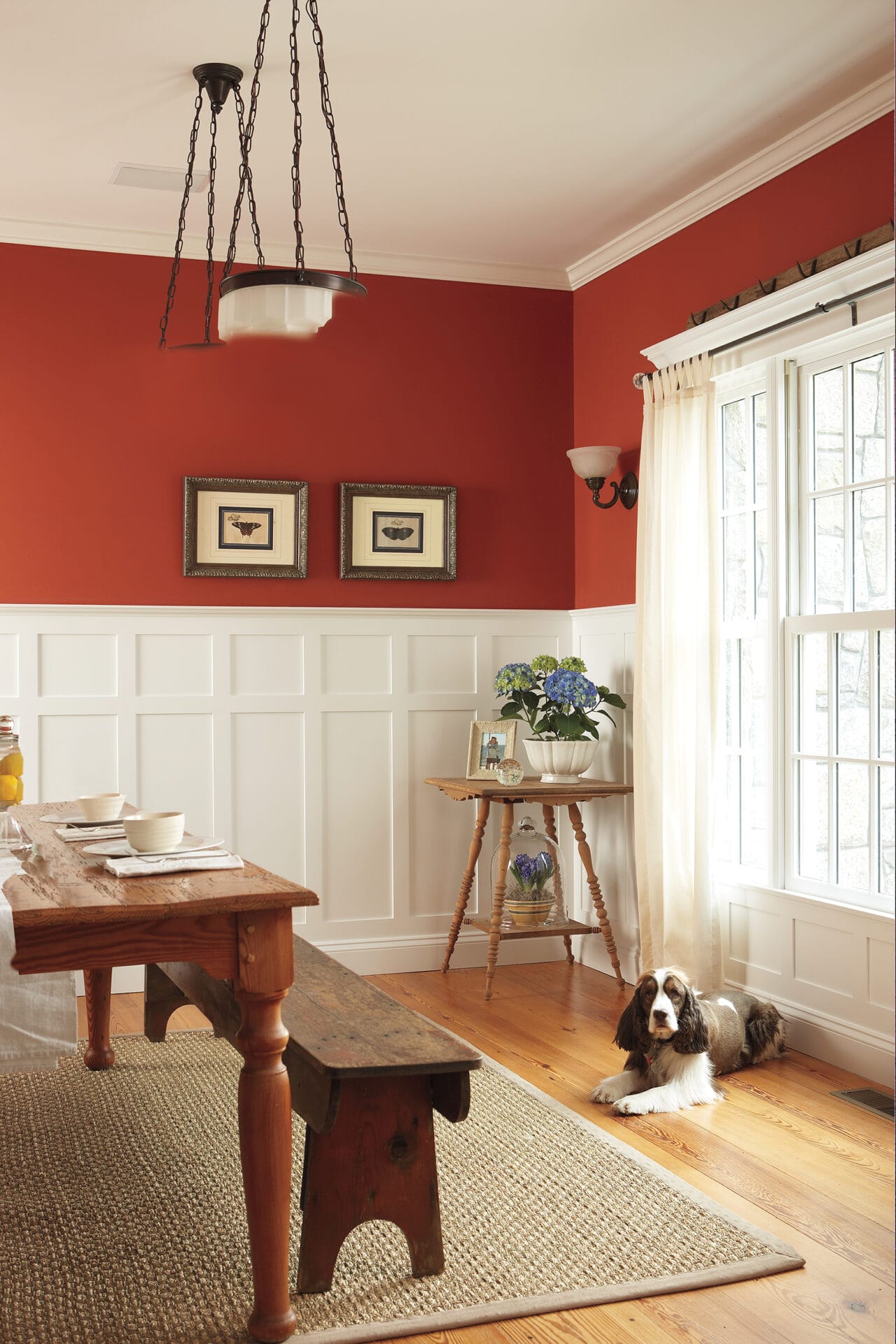
Raised panel wainscoting is the most traditional and formal style. It features panels with beveled or raised centers, often framed by stiles and rails. You will commonly see it in dining rooms, libraries, historic homes, staircases, and entryways.
This style pairs beautifully with classic furniture, rich paint colors, antique accents, and elegant lighting. It can make a room feel established, even if the house was built last Tuesday. The trade-off is complexity: raised panel wainscoting is typically more expensive and harder to install than simpler styles.
2. Flat Panel or Recessed Panel Wainscoting
Flat panel wainscoting, sometimes called recessed panel wainscoting, has clean, simple lines. The panels sit flat inside a frame of trim, creating a tailored look without heavy ornamentation. It works well in transitional, craftsman, colonial, and modern interiors.
If raised panel is wearing a tuxedo, flat panel is wearing a perfectly fitted blazer. It looks polished but not fussy. This style is especially useful when you want architectural detail but do not want the wall treatment to shout over the furniture, art, or wallpaper.
3. Beadboard Wainscoting
Beadboard is made of narrow vertical planks or panels with small grooves, or “beads,” between them. It is one of the most popular and approachable wainscoting styles because it is widely available, relatively affordable, and friendly to DIY projects.
Beadboard is perfect for bathrooms, mudrooms, laundry rooms, breakfast nooks, cottages, and casual kitchens. It has a relaxed charm that says, “Yes, we make pancakes here, and no, the dog is not allowed on the bench, although everyone knows he gets up there anyway.”
4. Board and Batten Wainscoting
Board and batten uses wide vertical boards or strips of molding called battens to create a grid or vertical rhythm on the wall. It can be rustic, modern, farmhouse, coastal, or even minimalist depending on spacing, paint color, and height.
This style is popular because it is bold without being overly ornate. It is also forgiving in larger spaces, where tiny trim details may disappear. Board and batten works especially well in bedrooms, hallways, stairways, living rooms, and mudrooms.
5. Overlay or Picture Frame Wainscoting
Overlay wainscoting uses applied molding directly on the wall to create rectangles or squares. This is sometimes called “picture frame molding” or “faux wainscoting.” It is often more budget-friendly because the existing drywall becomes the panel surface.
This style is excellent for homeowners who want a refined look without rebuilding the wall. With careful measuring, paint, caulk, and patience, it can look surprisingly custom. The catch? Your tape measure becomes your best friend, your worst enemy, and possibly your therapist.
Best Rooms for Wainscoting
Dining Rooms
The dining room is a classic place for wainscoting. A chair rail and paneled lower wall add formality and protect the wall from chair bumps. Painted wainscoting paired with wallpaper above it can create a layered, designer look. For a traditional dining room, consider raised or recessed panels. For a fresher style, try board and batten painted in a deep color.
Bathrooms and Powder Rooms
Wainscoting in a bathroom adds charm and helps protect walls, especially around sinks and high-splash areas. Beadboard is common, but material choice matters. Moisture-resistant MDF, PVC, vinyl, or properly sealed wood are better choices than raw wood or standard MDF in humid rooms.
In powder rooms, wainscoting can be a major style move. Try dark painted paneling with patterned wallpaper above, or crisp white beadboard with a colorful wall color. Small rooms can handle bold design because they are not asking you to live with it for eight hours a day.
Hallways and Staircases
Hallways take abuse. Bags scrape them. Kids touch them. Pets brush against them. Adults pretend they do not bump into them while carrying laundry baskets, but the wall knows. Wainscoting adds durability and makes these transitional spaces feel considered.
On staircases, wainscoting can follow the angle of the stairs, creating a beautiful architectural feature. This is a more advanced installation, but when done well, it makes the staircase feel like a centerpiece instead of a vertical commute.
Bedrooms
In bedrooms, wainscoting can create a built-in headboard effect or add cozy texture. Half-wall paneling behind a bed looks elegant without needing a large piece of art. Floor-to-ceiling board and batten can add drama, especially behind the bed as an accent wall.
Mudrooms and Laundry Rooms
Mudrooms and laundry rooms are practical spaces, but that does not mean they must look like emotional support closets. Wainscoting can handle scuffs, hooks, bags, coats, and daily traffic while making the space feel neat and finished.
How High Should Wainscoting Be?
Traditional wainscoting often runs about one-third of the way up the wall. In many homes, that means somewhere around 32 to 42 inches high. However, the right height depends on ceiling height, room proportions, furniture, windows, and the overall style you want.
For an 8-foot ceiling, a height around 36 inches is a safe classic choice. For 9-foot or 10-foot ceilings, taller wainscoting may look better. In a dining room, align the top rail with chair backs or slightly above them. In a bathroom, consider the height of the vanity, mirror, and fixtures. In a bedroom, taller wainscoting behind the bed can feel more dramatic and intentional.
The biggest mistake is choosing a height randomly. Tape the line on the wall before installing anything. Step back. Look from the doorway. Sit down. Stand up. Squint like a designer in a renovation show. If the line feels awkward, it probably is.
Best Materials for Wainscoting
Solid Wood
Solid wood is beautiful, durable, and traditional. It can be stained or painted and works well in formal rooms, historic homes, and high-end installations. Oak, maple, pine, poplar, and mahogany are common options. The downside is cost and movement. Wood expands and contracts with humidity, so proper installation and finishing are important.
MDF
MDF, or medium-density fiberboard, is a popular choice for painted wainscoting. It is smooth, affordable, and easy to cut. It does not have a visible grain, which makes it ideal for crisp painted finishes. However, standard MDF does not love water. In bathrooms or damp areas, choose moisture-resistant MDF or another water-friendly material.
PVC and Vinyl
PVC and vinyl wainscoting are excellent for bathrooms, laundry rooms, basements, and other moisture-prone areas. These materials resist water, mold, and mildew better than many wood products. They are also easy to clean. The main drawback is that they may not have the same authentic feel as wood, especially in close-up details.
Plywood and Hardboard Panels
Plywood and hardboard are budget-friendly options often used for beadboard sheets or DIY wall treatments. They can work well when properly primed, painted, and sealed. For a cost-conscious project, they offer a good balance between appearance and affordability.
How Much Does Wainscoting Cost?
Wainscoting cost varies widely based on material, room size, labor, wall condition, design complexity, and finish. Basic DIY beadboard or applied molding can be relatively affordable. Custom raised panel woodwork installed by a professional can cost much more.
As a general planning range, simple materials such as MDF, plywood, PVC, or vinyl are usually less expensive than hardwoods. Labor can be a major part of the budget because measuring, cutting, leveling, coping, caulking, sanding, and painting all take time. A small powder room may be a manageable weekend project, while a dining room with raised panels and detailed trim may be better left to a finish carpenter.
To estimate your project, measure the linear feet of wall, decide the height, choose the material, price the panels and trim, then add adhesive, nails, caulk, primer, paint, tools, and a little extra for mistakes. Always buy more material than the exact measurement. Walls are rarely perfect, cuts go wrong, and sometimes the universe simply demands an extra board.
Can You Install Wainscoting Yourself?
Yes, many types of wainscoting are DIY-friendly, especially beadboard panels, board and batten, and picture frame molding. If you can measure accurately, use a level, operate a saw safely, and apply caulk without turning it into abstract sculpture, you can likely handle a basic project.
The general process includes measuring the wall, marking a level top line, locating studs, cutting panels or trim, applying construction adhesive, nailing pieces in place, filling holes, caulking gaps, sanding, priming, and painting. Electrical outlets may need box extenders so outlet covers sit correctly on the new wall surface.
However, advanced wainscoting is not always beginner territory. Stair angles, uneven floors, out-of-square walls, inside corners, outside corners, custom raised panels, and expensive hardwood can quickly raise the difficulty level. There is no shame in hiring a professional. There is also no shame in starting with a small bathroom instead of deciding your first trim project should be a two-story foyer. Ambition is admirable; gravity and geometry are less forgiving.
Design Tips for Choosing the Right Wainscoting
Match the Style to the House
Wainscoting looks best when it respects the architecture of the home. A colonial-style dining room may suit raised or recessed panels. A beach house may look better with beadboard. A modern home may benefit from simple vertical boards, square grid paneling, or sleek painted trim.
Use Color Strategically
White wainscoting is timeless, but it is not the only option. Painting the wainscoting the same color as the wall creates a subtle, textured effect. Painting it darker than the wall grounds the room. Painting it in a glossy finish can make a powder room feel jewel-like. For a modern look, try dusty blue, olive green, greige, warm taupe, navy, charcoal, or black.
Consider Wallpaper Above It
Wainscoting and wallpaper are natural partners. The paneling protects the lower wall and gives the wallpaper a clean stopping point. This combination works beautifully in dining rooms, nurseries, powder rooms, hallways, and bedrooms.
Mind the Scale
Small rooms usually need smaller patterns and lighter visual weight. Large rooms can handle wider panels, taller treatments, and more dramatic trim. If the panel spacing is too narrow, the wall can look busy. If it is too wide, it can look unfinished. Good wainscoting is a proportion game, and proportion is basically math wearing nicer shoes.
Common Wainscoting Mistakes to Avoid
One common mistake is installing wainscoting too high or too low without considering the room. Another is ignoring outlets, vents, windows, and door casings until the trim runs directly into them like a bad parking job. Plan these interruptions before cutting material.
Another mistake is skipping prep work. Walls should be clean, dry, and reasonably smooth. Panels should acclimate to the room when needed. Nail holes should be filled, seams caulked, and surfaces sanded before painting. Paint will not hide sloppy trim work; it will simply give it a fresh outfit.
In bathrooms, using the wrong material is a costly mistake. Standard MDF can swell if exposed to moisture. Solid wood needs proper sealing. PVC, vinyl, or moisture-resistant materials are safer choices for damp spaces.
How to Clean and Maintain Wainscoting
Wainscoting is usually easy to maintain. Dust it regularly with a microfiber cloth or vacuum brush attachment. Wipe smudges with a damp cloth and mild soap. In high-traffic areas, use durable paint finishes such as satin, semi-gloss, or gloss for easier cleaning.
Inspect caulk lines occasionally, especially in bathrooms and laundry rooms. If gaps appear, recaulk and touch up paint. For stained wood, follow the finish manufacturer’s cleaning recommendations and avoid harsh chemicals. A little maintenance keeps wainscoting looking sharp for years.
Real-Life Experience: What Homeowners Learn After Living With Wainscoting
The first thing many homeowners discover is that wainscoting changes how a room feels before it changes anything else. You can install it in a plain hallway, paint it a soft white, and suddenly the space feels brighter, cleaner, and more architectural. It is not magic, but it is close enough to make you suspicious.
In high-traffic homes, the protective benefit becomes obvious fast. Hallways with painted drywall often collect fingerprints, backpack marks, shoe scuffs, and mysterious scratches no one in the family admits to making. With wainscoting, especially a washable painted finish, those marks are easier to wipe away. Parents, pet owners, and people who carry too many grocery bags at once tend to appreciate this more than anyone.
Another lesson is that paint color matters more than expected. Many people default to white, and white is beautiful, but it can also show dirt in busy rooms. A warm greige, muted green, soft blue, or mushroom tone may be more forgiving while still feeling classic. In a dining room, a darker lower wall can make the space feel grounded and intimate. In a powder room, a bold color can turn basic wainscoting into the star of the show.
Homeowners also learn that measuring is the project. Cutting and nailing are only part of it. The real work is deciding where every vertical batten lands, how panels line up around corners, whether the top rail meets window trim gracefully, and what happens when an outlet appears exactly where your perfect rectangle wants to be. Good planning prevents awkward tiny slivers of trim at the end of a wall.
DIY installers often say caulk is both a hero and a snitch. It hides small gaps beautifully, but it cannot rescue poor layout, crooked lines, or trim that was cut while someone was “pretty sure” about the measurement. The best approach is slow and steady: mark everything, dry-fit pieces, step back often, and do not rush the finish work. Wainscoting rewards patience.
In bathrooms, experience teaches another important rule: moisture always wins if you ignore it. Use the right material, seal edges, prime properly, and choose a durable paint. Around sinks, tubs, and toilets, water has a talent for finding weak spots. PVC or moisture-resistant products can be a smarter choice than traditional wood if the space gets humid.
Finally, most homeowners realize that wainscoting has a strong return in daily enjoyment. It may not be the flashiest renovation, but it is one of the details people notice without knowing why. Guests may say, “This room feels so nice,” even if they cannot name the trim profile. That is the quiet power of wainscoting: it makes a home feel cared for, layered, and complete.
Conclusion
Wainscoting is more than a decorative trend. It is a practical, beautiful, and flexible wall treatment that can add charm, protection, and architectural character to nearly any room. Whether you choose classic raised panels, casual beadboard, clean recessed panels, modern board and batten, or budget-friendly picture frame molding, the key is proportion, material, and thoughtful installation.
For formal spaces, wainscoting can add elegance. For busy spaces, it can protect walls. For small spaces, it can deliver big personality. And for plain rooms that need something extra, it can provide the detail that paint alone cannot achieve.
If your walls feel unfinished, wainscoting may be the upgrade that makes the whole room click. Just measure twice, plan carefully, choose the right material, and remember: caulk is helpful, but it is not a miracle worker.