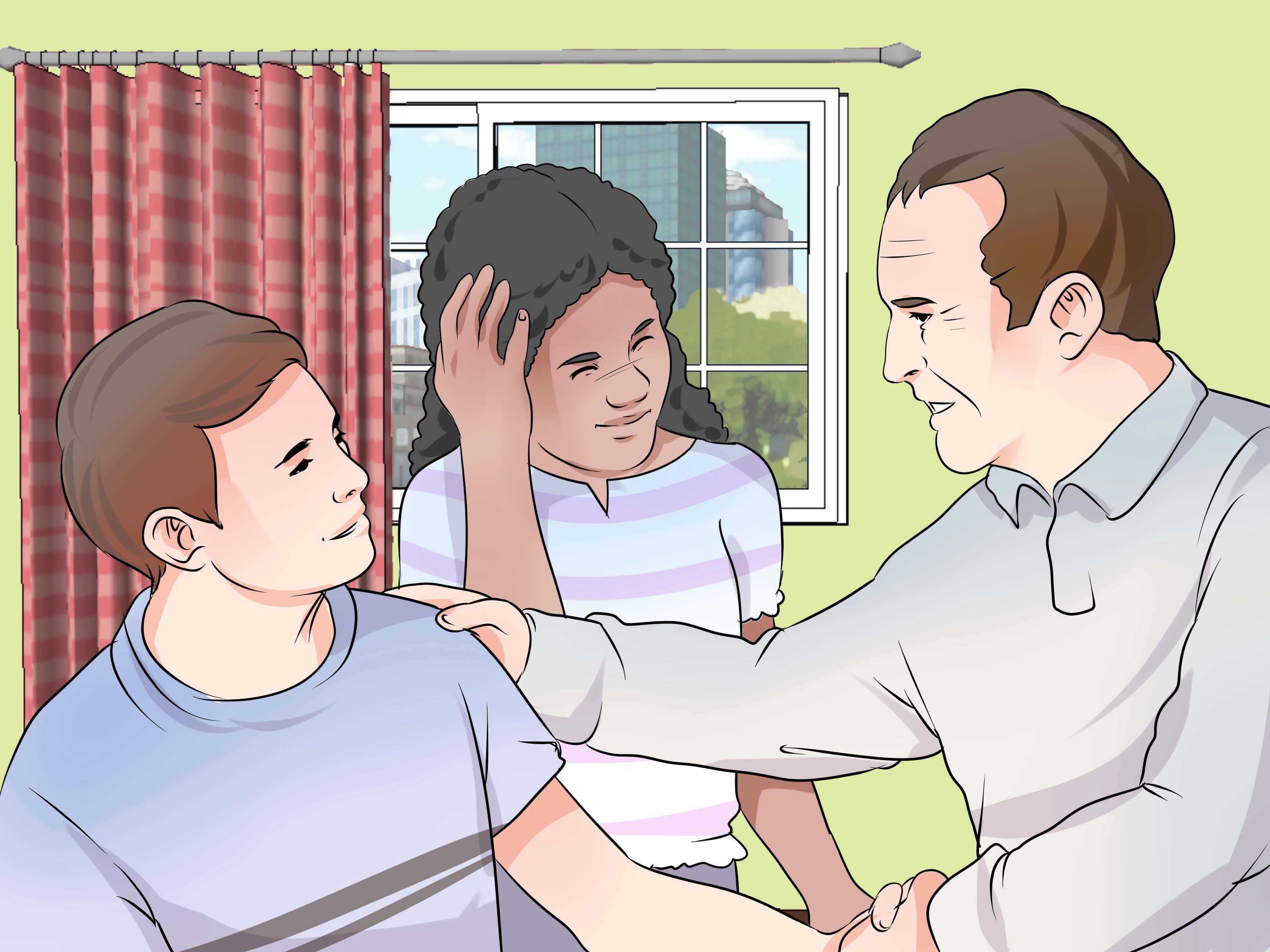
Having a crush can make an ordinary school day feel like a movie. Suddenly, walking past one particular person in the hallway becomes a major event, and saying “hi” feels harder than answering every question on a surprise math test.
Crushes can begin during elementary school, while interest in “going out” often becomes more common around middle school. However, there is no official age when everyone must start dating. Readiness depends on your age, maturity, family rules, and comfort level.
Most importantly, you cannot make someone become your girlfriend. You can be friendly, get to know her, share how you feel, and invite her to spend time with you. She still gets to decide whether she is interested. That is not a flaw in the planit is what respect looks like.
The following ten steps explain how to handle a crush in an age-appropriate way, build a genuine friendship, ask someone out without creating pressure, and respond maturely to whatever answer you receive.
1. Understand What “Having a Girlfriend” Means at Your Age
Before trying to get a girlfriend, think about what you actually mean by the word. For younger kids, being boyfriend and girlfriend may simply mean sitting together at lunch, talking during recess, exchanging birthday cards, or joining the same group activity. It should not mean acting like adults in a serious romantic relationship.
Ask yourself a few simple questions: Do I want to know this person better? Do I enjoy talking with her? Am I interested in friendship, or do I mainly want a girlfriend because my friends think it sounds impressive?
It is also smart to learn your family’s rules. Some parents allow group outings but not one-on-one dates. Others may prefer that you wait until a certain age. Talking to a parent, guardian, older sibling, counselor, or trusted teacher can make the whole situation less confusing.
Knowing what is appropriate now prevents you from racing into something you are not ready to manage.
2. Work on Being a Good Friend First
A healthy young relationship usually begins with the same qualities that make a strong friendship: kindness, honesty, trust, respect, and the ability to have fun together. Major youth-health resources describe these qualities as foundations of healthy relationships.
Being a good friend means listening when she talks, remembering things she cares about, helping without expecting a reward, and treating her well even when nobody is watching. It also means treating other people well. Being charming to your crush while acting rude to everyone else is not a secret dating strategy. It is just suspicious customer service.
Do not pretend to like everything she likes. You can say, “I’ve never played that game, but what do you like about it?” Genuine curiosity works better than suddenly claiming that her favorite singer has always been your favoriteeven though you learned the singer’s name six minutes ago.
Friendship gives both of you time to see whether you enjoy being around each other without unnecessary pressure.
3. Build Confidence Without Pretending to Be Someone Else
You do not need perfect hair, expensive clothes, athletic trophies, or the ability to tell jokes like a professional comedian. Confidence usually comes from taking care of yourself and becoming comfortable with who you already are.
Start with ordinary habits. Shower regularly, brush your teeth, wear clean clothes, and keep your hair reasonably neat. These things will not magically create romance, but they make social situations more comfortable for everyone standing nearby.
Develop your own interests, too. Join a club, play a sport, learn an instrument, draw, read, volunteer, build model airplanes, or become extremely knowledgeable about dinosaurs. Having hobbies gives you something enjoyable to discuss and keeps your entire happiness from depending on one person.
If you are shy, practice small conversations with classmates, relatives, and friends. Shyness is common and can make people feel nervous, self-conscious, or speechless in social situations. Starting with short, low-pressure interactions can make talking to your crush feel more manageable.
4. Get to Know Her Naturally
Look for normal opportunities to talk rather than following her around or appearing beside her every time she opens her locker. You might speak during a shared class, club meeting, sports practice, school project, lunch period, or group hangout.
Use easy conversation starters connected to what is happening around you:
- “What did you think of that science experiment?”
- “Are you going to the school game Friday?”
- “Your drawing looks great. How long did it take?”
- “Have you started the history assignment yet?”
Ask questions, but do not turn the conversation into a police interview. Share a little about yourself as well. Good conversation is a game of catch, not one person repeatedly throwing tennis balls at the other.
Pay attention to whether she seems comfortable. If she answers warmly, asks you questions, or continues the conversation, that may mean she enjoys talking with you. If she gives very short answers, keeps trying to leave, or looks uncomfortable, give her space.
5. Look for Mutual Interest, but Do Not Assume
Sometimes a person who likes you will smile, start conversations, sit near you, include you in activities, or message you first. However, none of those actions automatically means she wants to be your girlfriend. Friendly people are allowed to be friendly without secretly submitting a romantic application.
Instead of treating every smile as a clue in a mystery novel, notice the overall pattern. Does she seem happy to talk with you? Does she choose to spend time with you when she has other options? Do conversations feel comfortable for both of you?
Avoid asking all her friends to investigate her feelings. That can create gossip and embarrass her. Asking one trustworthy friend for general advice may be fine, but organizing a ten-person intelligence agency around a cafeteria crush is too much.
The only reliable way to learn whether she is interested is to ask respectfully. Until then, stay friendly and avoid acting as though she owes you a romantic response.
6. Ask Her in a Simple, Low-Pressure Way
Choose a calm moment when she is not surrounded by a giant audience. You do not need flowers, a marching band, a public announcement, or a sign visible from space. A simple invitation is usually kinder because it gives her room to answer honestly.
You could say:
- “I like talking with you. Would you want to sit together at lunch tomorrow?”
- “Would you like to come to the school game with our group?”
- “I like you. Would you want to hang out sometime?”
- “Would you like to be my girlfriend?”
Use words that fit your age and situation. If you are nervous, practice once or twice beforehand, but do not memorize a ten-minute speech. Longer speeches can make the other person feel trapped because she may think she must reward your effort with a yes.
Ask once, speak calmly, and give her time to respond. Courage is not about guaranteeing the answer. It is about being honest while respecting her freedom to choose.
7. Choose Safe, Age-Appropriate Ways to Spend Time Together
If she says yes, keep the first activities simple. Group hangouts are often the easiest option for kids and younger teens because they are relaxed, public, and usually acceptable to parents.
Possible activities include attending a school event, playing games with friends, studying at the library, going bowling with a group, visiting an arcade with adult supervision, practicing a sport, or joining a family-approved outing.
Tell your parent or guardian where you will be, who will be there, and when you will return. Follow both families’ rules. Do not sneak around or ask her to hide the relationship from adults. A relationship that depends on complicated secret missions is probably not appropriate for your age.
Keep physical affection age-appropriate and mutual. Before hugging, holding hands, borrowing belongings, posting a photo, or doing anything else that affects her, ask whether she is comfortable. Learning to request and respect consent is useful in everyday friendships as well as romantic relationships.
8. Respect Her AnswerIncluding “No” or “I’m Not Sure”
If she says yes, great. Remain kind and avoid immediately telling the entire school before checking whether she wants other people to know.
If she says she needs time, let her think. Do not ask every hour, “How about now?” A request for time is not an invitation to begin a countdown.
If she says no, accept it. You might respond, “Okay, thanks for being honest,” or, “No problem. I still respect you.” Then give yourself space to feel disappointed without blaming her.
Do not insult her, spread rumors, send repeated messages, demand a reason, or ask friends to pressure her. Nobody owes another person a relationship because that person was nice, bought a gift, shared homework notes, or gathered enough courage to ask.
Rejection can hurt, but it does not prove that you are unattractive, unlikable, or destined to live alone with eighty-seven cats. It only means that one person did not want that particular relationship at that particular time.
9. Use Phones and Social Media Safely
Messaging can make communication easier, but it can also create misunderstandings. Avoid sending dozens of texts when she has not answered. She may be busy, studying, sleeping, spending time with family, or simply taking a break from her phone.
Ask before posting her picture, sharing screenshots, tagging her, or telling other people about private conversations. Healthy digital boundaries include respecting privacy and avoiding pressure to respond immediately. Sharing personal information or location details online can create safety risks for young users.
Never send or request private or revealing pictures. Do not move conversations with strangers to secret accounts, and never meet an online-only person without your parent or guardian knowing and supervising. Tell a trusted adult immediately if someone threatens you, asks you to keep uncomfortable secrets, requests private images, or tries to control whom you speak with.
A caring girlfriend will not demand passwords, monitor your location, insult your friends, or threaten you for failing to reply quickly. Those behaviors are warning signs, not proof that someone “really cares.”
10. Keep Your Friends, Interests, and Responsibilities
Getting a girlfriend should add something positive to your life, not replace your entire life. Continue spending time with friends and family. Keep up with schoolwork, sleep, sports, hobbies, chores, and anything else that matters to you.
Do not abandon your friends every time your girlfriend is available. Likewise, do not expect her to stop seeing her friends. Healthy relationships leave room for both people to have separate interests and identities.
Check in with yourself occasionally. Do you feel comfortable, respected, and safe? Can you disagree without being mocked? Can you say no? Are you still enjoying normal activities? If the relationship involves fear, constant jealousy, humiliation, threats, controlling behavior, or pressure, talk to a trusted adult.
The goal is not simply to “get” a girlfriend. The goal is to learn how to build respectful connections. Even if a young relationship lasts only a short time, you can practice communication, honesty, empathy, and handling emotions maturely.
Experiences and Lessons From Common Kid-Crush Situations
The following examples are fictional composite scenarios based on situations many kids encounter. They show why patience, friendship, and respectful communication usually work better than dramatic plans.
Experience 1: The Friendship That Grew Naturally
Marcus liked a girl named Ava from his science class. At first, he planned to announce his feelings immediately because one of his friends claimed that “confidence is everything.” Fortunately, Marcus realized that he and Ava had barely spoken except when borrowing pencils.
Instead of making a huge confession, he started talking with her about their class project. They discovered that they both liked astronomy, superhero movies, and making fun of their teacher’s extremely squeaky whiteboard marker. Over several weeks, they worked together in class and sometimes ate lunch with the same group.
Marcus eventually asked, “Would you want to come to the planetarium trip with me and some friends?” Ava said yes. Later, after they had become comfortable friends, he told her he liked her. She felt the same way.
The important lesson was not that patience guarantees success. It does not. The lesson was that Marcus gave both of them a chance to build a real connection. He learned about Ava as a person instead of falling in love with an imaginary version of her from three desks away.
Experience 2: Hearing “No” Without Creating Drama
Jordan had a crush on Mia, who played on the same soccer team. After practice one afternoon, Jordan asked whether she wanted to go to the school dance together. Mia politely said she would rather go with her friends.
Jordan felt embarrassed and spent the evening replaying the conversation. He considered sending another message explaining why they would be perfect together. Instead, he talked with his older cousin, who reminded him that Mia had already answered.
The next practice was awkward for approximately seven minutes. Jordan said hello, focused on soccer, and treated Mia normally. She seemed relieved that he did not become angry or start gossiping. Within a few weeks, the embarrassment faded.
Jordan did not get the answer he hoped for, but he gained something useful: proof that rejection is survivable. He also protected the friendship and his reputation by responding maturely. Other teammates noticed that he handled the situation without causing dramawhich, ironically, made him seem more confident than any dramatic speech would have.
Experience 3: When Texting Became Too Much
Eli and Sophie started calling each other boyfriend and girlfriend after spending time together at several school events. At first, they messaged constantly. Soon, Eli worried whenever Sophie did not reply within a few minutes. He sent question marks, asked where she was, and wondered whether she was talking to another boy.
Sophie finally explained that the messages made her feel watched. Eli was surprised because he thought frequent texting showed that he cared. After speaking with his parent, he realized that caring about someone does not mean expecting unlimited access to her attention.
He apologized without making excuses. They agreed that neither person had to answer immediately, especially during class, homework, family time, or sleep. They also agreed not to share screenshots of private conversations.
Their experience showed that digital boundaries matter even in young relationships. Phones can make people feel connected, but they should not become electronic leashes. Trust grows when both people can take a break without being punished or questioned.
Experience 4: Discovering That Friendship Was Enough
Noah believed he needed a girlfriend because several classmates had started dating. He chose a girl he thought was nice and began trying to impress her, even though they had little in common. Every conversation felt forced, and Noah spent more time worrying about what to say than enjoying himself.
Eventually, he realized that he liked the idea of having a girlfriend more than he liked the actual situation. He stopped chasing a label and spent more time with friends from robotics club. Months later, he developed a genuine crush on someone he naturally enjoyed talking with.
Noah’s experience is a useful reminder that there is no deadline. Being single as a kid is completely normal. Friendship, family, hobbies, school, and personal growth are not waiting rooms where you sit until romance finally begins. They are important parts of life on their own.
Conclusion
Learning how to get a girlfriend while you are a kid is really about learning how to be a thoughtful, confident, and respectful person. Start with friendship, talk naturally, ask without applying pressure, and accept the answer you receive.
A good young relationship should feel safe, age-appropriate, and enjoyable. Both people should be free to maintain friendships, set boundaries, follow family rules, and say no at any time. If you feel pressured, controlled, frightened, or confused, speak with a parent, guardian, school counselor, or another trusted adult.
Remember that getting a girlfriend is not a competition or proof that you are popular. Whether your crush likes you back or not, you can still learn from the experience, strengthen your social skills, and become more comfortable being yourself. That kind of confidence will last much longer than any hallway romance.
Note: This article provides general, age-appropriate guidance. Children develop at different rates, and family rules vary, so young people should involve a parent, guardian, counselor, or another trusted adult when making decisions about dating.