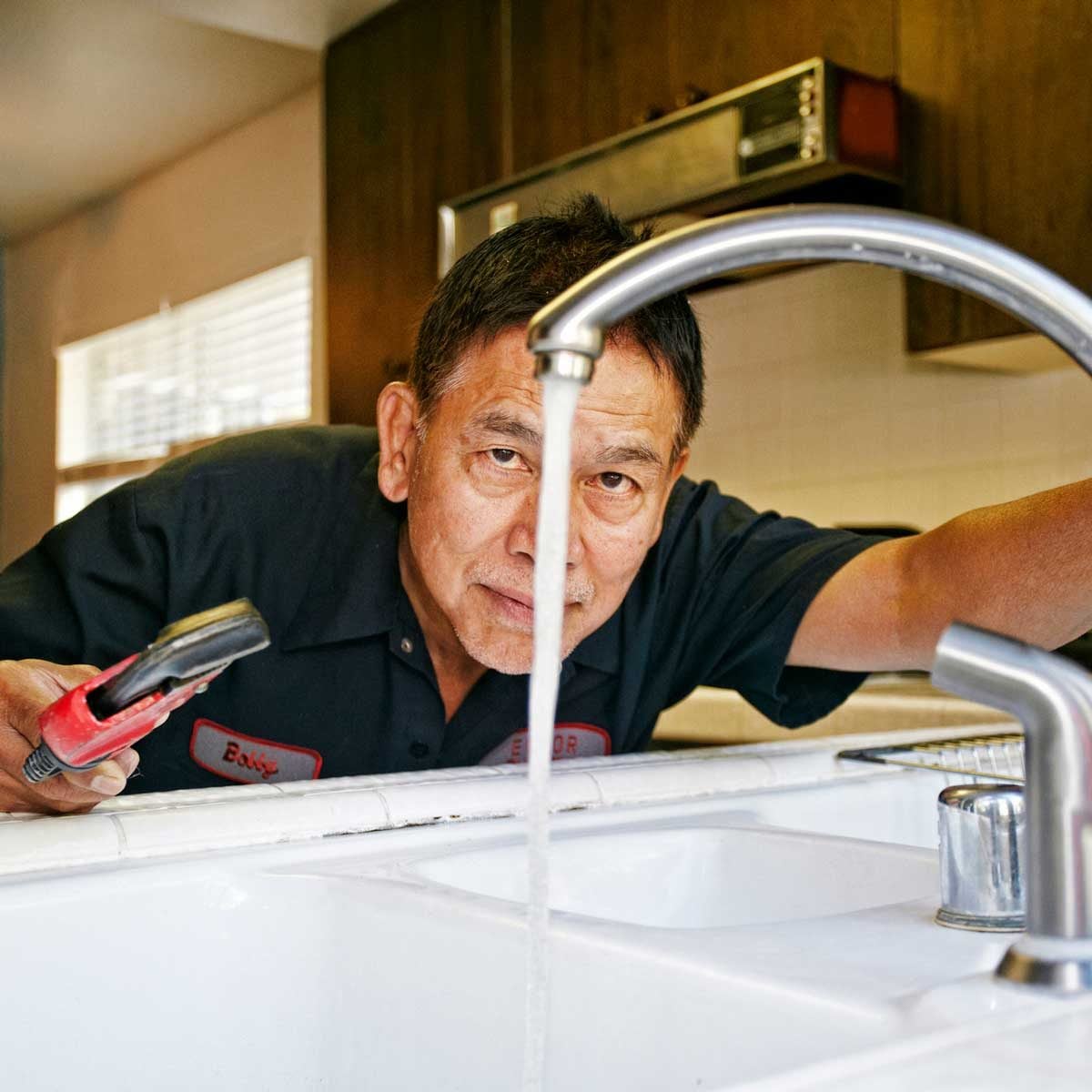
Professional plumbers spend their working lives rescuing homes from dripping valves, backed-up toilets, flooded laundry rooms, and kitchen sinks that smell like something crawled into the drain and started a new civilization. That daily exposure teaches them an important truth: most plumbing disasters do not begin dramatically. They begin with a small shortcut, a suspicious gurgle, or the sentence, “I’m sure that wipe will flush.”
At home, experienced plumbers tend to avoid the habits that create their most frustrating service calls. They know that water is patient, grease is sneaky, and an overtightened fitting can hold a grudge. Here are six things professional plumbers generally refuse to do in their own homesand the smarter habits homeowners can borrow from them.
1. They Never Ignore a Small Leak
A dripping faucet may seem more irritating than dangerous. A damp cabinet floor might look like a problem for another weekend. Professional plumbers know better. Water rarely fixes itself, and a minor leak can quietly damage cabinetry, drywall, flooring, insulation, and nearby framing while encouraging mold and mildew.
Common household leaks include worn toilet flappers, dripping faucets, loose supply connections, and leaking valves. The Environmental Protection Agency recommends regularly checking fixtures and repairing leaks promptly. Its WaterSense program also notes that leak-detection and flow-monitoring devices can help identify abnormal water use before a hidden problem becomes a major loss.
What professionals do instead
They investigate unusual moisture immediately. They look under sinks, around toilets, behind washing machines, near water heaters, and along ceilings beneath upstairs bathrooms. They also pay attention to indirect warning signs, including:
- A sudden increase in the water bill
- A toilet that refills when nobody has used it
- Peeling paint, bubbling drywall, or stained ceilings
- Musty odors inside cabinets or closets
- The sound of running water when every fixture is off
A plumber may place a dry paper towel beneath a suspicious fitting and check it later for moisture. It is not glamorous, but neither is explaining why the vanity cabinet now has the structural integrity of wet cereal.
The lesson is simple: a small leak is usually a cheaper repair today than it will be next month.
2. They Never Treat the Toilet Like a Trash Can
Professional plumbers do not flush wipes, paper towels, cotton swabs, dental floss, feminine hygiene products, diapers, condoms, facial tissues, or mysterious bathroom debris that somebody hopes will disappear forever.
Toilet paper is designed to break apart rapidly in water. Many other products remain intact long enough to snag inside household drain lines, combine with grease and waste, or create problems farther inside the sewer system. Even products labeled “flushable” may clear the toilet bowl without breaking down properly in private pipes or municipal wastewater equipment.
New York City’s Department of Environmental Protection specifically advises residents not to flush wipes, including those marketed as flushable. The agency identifies improperly discarded wipes, grease, and other trash as major contributors to blocked pipes and sewer backups. Consumer Reports has likewise examined the performance of flushable wipes and warns that clearing the bowl is not the same as safely traveling through the complete wastewater system.
The professional rule for flushing
Human waste and toilet paper belong in the toilet. Nearly everything else belongs in a lined trash can.
Homeowners with children should also keep the toilet lid closed when possible. Plumbers have retrieved toys, combs, makeup containers, air fresheners, and objects whose original purpose could no longer be determined. A toilet can move an impressive amount of water, but it is not a portal to another dimension.
When an object falls into the bowl, retrieve it before flushing. If it has already disappeared and the toilet begins draining slowly, avoid repeated flushing. More water does not persuade a solid object to reconsider its life choices; it usually raises the risk of an overflow.
3. They Never Pour Grease Down the Kitchen Drain
Hot cooking grease looks harmless while it is liquid. The problem begins after it cools. Fats, oils, and grease can cling to pipe walls, collect food particles, and gradually narrow the passage available for wastewater. The result may be a slow drain, recurring clog, sewer odor, or backup.
Running hot water behind grease does not guarantee that it will travel safely through the plumbing system. It may simply remain liquid long enough to move farther down the line before cooling in a less accessible location.
DC Water warns that fats, oils, and grease can accumulate in sewer pipes and cause blockages, backups, and overflows. New York City provides similar guidance, advising residents to place grease in sealed containers rather than pouring it into sinks or toilets.
They also respect the garbage disposal
A garbage disposal is not a countertop wood chipper with plumbing attached. It is designed to process manageable amounts of suitable food waste while water carries the particles through the drain.
InSinkErator advises users never to place fats, oils, or grease in a disposal. The manufacturer also recommends running cold water, switching on the disposal before feeding waste, adding scraps gradually, and avoiding large loads all at once. Consumer Reports similarly recommends being selective about what enters the unit because certain scraps can create drain problems even when the motor successfully grinds them.
Professional habits include scraping plates into the trash or compost bin, collecting cooled grease in a disposable container, and using a sink strainer to capture solids. These steps take seconds and can prevent hours of listening to a drain snake scrape through yesterday’s casserole.
4. They Never Reach for Harsh Drain Cleaner Without Thinking
When a drain slows down, many homeowners immediately pour in the strongest chemical product they can find. Professional plumbers are more cautious because “clogged drain” is a symptom, not a diagnosis.
A bathroom sink may be blocked by hair near the stopper. A kitchen drain may contain grease. A repeatedly clogged toilet may have an obstruction in its trap. Several slow fixtures can indicate a larger branch-line or main-sewer problem. Chemical cleaner may not address the real cause, and it can leave caustic liquid sitting inside the fixture for the person who eventually opens the pipe.
Consumer Reports notes that some chemical drain cleaners generate heat and may damage light-duty replacement pipes or vulnerable older plumbing when the product remains trapped around a clog. Poison Control identifies many drain cleaners as strongly caustic products capable of causing serious burns if swallowed, splashed on the skin, or exposed to the eyes. Product labels also warn against mixing drain cleaners with other household chemicals because dangerous fumes or violent reactions may occur.
What plumbers try first
Depending on the fixture and the suspected blockage, safer first steps may include:
- Removing and cleaning the sink stopper
- Pulling visible hair from a shower drain
- Using the correct type of plunger
- Cleaning an accessible P-trap
- Using a hand-operated drain snake or toilet auger
- Calling a professional when several fixtures are affected
Drain-cleaning products vary, and some are specifically formulated for certain pipes or appliances. Anyone using one should follow the label exactly, wear the recommended protection, ventilate the area, and never combine products. After chemicals have entered a drain, tell the plumber before service begins. Surprising a technician with a trap full of caustic liquid is not the kind of surprise that earns a holiday card.
5. They Never Overtighten Plumbing Connections
Many homeowners assume that tighter always means safer. Plumbing fittings strongly disagree.
Overtightening can crack plastic components, distort rubber washers, damage threads, deform compression fittings, or place excessive stress on valves and supply lines. A connection may appear secure at first and then fail after temperature changes, vibration, or normal household use.
Family Handyman’s plumbing guidance warns that overtightening supply connections can be riskier than leaving a connection slightly loose and checking it. Its instructions for P-traps and threaded fittings also caution that excessive force can deform washers or crack pipe components.
Professional technique beats brute force
A plumber identifies the connection type before reaching for a wrench. Different fittings seal in different ways:
- Some rely on tapered pipe threads and an approved sealant.
- Some use compression rings.
- Some use flat rubber washers.
- Plastic slip-joint fittings often require only modest hand tightening.
Professionals also use a second wrench when necessary to support the stationary fitting. This prevents torque from traveling into a valve, pipe, or connection hidden inside the wall.
After assembly, they restore water slowly and inspect the joint. If a small seep appears, they make a controlled adjustment rather than attempting to tighten the fitting until the wrench files for workers’ compensation.
Homeowners should be especially cautious with toilet supply lines, faucet connections, plastic drain assemblies, and aging shutoff valves. If a component looks corroded, brittle, or already strained, replacement is often safer than applying more force.
6. They Never Stay Clueless About the Main Water Shutoff
A professional plumber knows where the main water shutoff valve is located, confirms that it is accessible, and makes sure the adults in the household know how to operate it.
During a burst supply line, failed washing-machine hose, split pipe, or leaking water heater, every minute matters. Searching the basement with a flashlight while water spreads across the floor is an expensive way to learn the home’s plumbing layout.
State Farm recommends knowing the location of the main shutoff before an emergency and notes that automatic leak-detection systems may close the water supply when they detect abnormal flow or moisture. Ready.gov emergency-training materials also emphasize learning how to shut off household utilities safely.
They prepare for freezing weather, too
In cold climates, plumbers do not leave vulnerable piping completely unprotected. Water expands as it freezes, creating pressure that can split metal or plastic pipe. Pipes near exterior walls, in crawl spaces, attics, garages, cabinets, and other unheated areas are particularly vulnerable.
The American Red Cross recommends insulating exposed piping, disconnecting outdoor hoses, closing or draining exterior water lines when appropriate, maintaining indoor heat, opening cabinet doors to circulate warm air, and allowing a small trickle of water through vulnerable pipes during severe cold. It also warns against thawing frozen pipes with an open flame.
A good emergency plan includes labeling the shutoff, keeping the path to it clear, testing it carefully, and storing the appropriate tool nearby if the valve requires one. Older valves that are corroded, seized, or leaking should be evaluated rather than aggressively forced.
Why These Plumbing Habits Matter
The habits professional plumbers avoid share one theme: prevention is easier than emergency repair. They do not assume water will remain politely inside the pipe. They do not send questionable objects into drains and hope gravity handles customer service. They understand that plumbing systems work best when homeowners respect what each component was designed to do.
You do not need professional training to adopt the same mindset. Check leaks promptly, protect drains from grease and trash, use mechanical clog-removal methods appropriately, tighten fittings with restraint, and know how to stop the water before something fails. These habits cost little, yet they can prevent ruined flooring, damaged cabinets, mold cleanup, sewer backups, and frantic after-hours calls.
Real-Home Lessons: Three Composite Plumbing Experiences
The following scenarios are illustrative composites based on common plumbing service patterns. They are not presented as the writer’s personal experiences or as reports about specific homeowners.
The “Tiny” Refrigerator Leak
A homeowner noticed that one corner of the kitchen floor felt slightly softer than the rest. There was no puddle, so the family assumed humidity was responsible. Several weeks later, they pulled the refrigerator forward and discovered a slow leak at the ice-maker supply connection.
The leak was small enough to remain hidden but steady enough to soak the flooring and the layer beneath it. What might have been an inexpensive supply-line replacement became a flooring repair, cabinet inspection, and moisture-drying project.
The professional lesson was not that every drop requires panic. It was that unexplained moisture deserves investigation. A paper towel placed under the fitting would have revealed the leak quickly. A basic water sensor behind the refrigerator could also have sounded an alert before the floor began impersonating a sponge.
The Flushable-Wipe Experiment
In another household, wipes labeled flushable became part of the family’s normal bathroom routine. For months, everything seemed fine. Then the toilet began gurgling whenever the bathtub drained. Soon afterward, wastewater appeared in the shower.
The wipes had not created an immediate blockage in the toilet. Instead, they accumulated farther down the drain line, where they caught additional debris and restricted flow. Repeated plunging provided temporary relief but did not remove the larger obstruction.
The expensive part was not merely clearing the line. The family temporarily lost the use of multiple fixtures and had to sanitize the affected bathroom. Afterward, a small covered trash can appeared beside every toilet. It was not a glamorous home upgrade, but it worked better than asking the sewer line to digest reinforced fabric.
The Fitting That Was Tightened “One More Turn”
A do-it-yourself faucet installation appeared complete until a small bead of water formed at the plastic drain connection. The homeowner tightened the nut, checked again, and found another drop. Convinced that more force was the solution, he gave the nut one final turn.
The fitting cracked.
Because the crack was difficult to see, the connection continued leaking whenever the sink was used. Water collected inside the vanity until swollen wood and a musty odor revealed the problem.
A plumber later replaced the damaged assembly and explained that the washernot extreme torquewas supposed to create the seal. The correct approach was to align the components, tighten them evenly, test the drain, and make only a small adjustment if needed.
This scenario captures one of plumbing’s least intuitive truths: force cannot compensate for incorrect alignment, a damaged washer, crossed threads, or the wrong fitting. Sometimes the strongest move is to put down the wrench, take the connection apart, and determine why it is leaking.
The Shared Takeaway
Each of these situations began with something easy to dismiss: a soft floor, a product label, or a single drop beneath a sink. None looked like an emergency at first. Professional plumbers develop their habits by seeing how those small warning signs evolve.
The smartest homeowner response is not fear; it is curiosity. Ask where the water came from, what the drain is carrying, why the connection is leaking, and how the supply can be stopped. A few minutes of careful attention can prevent a routine maintenance issue from becoming a story repeatedly told at family gatheringsusually beginning with, “You will not believe what happened to the bathroom.”
Final Takeaway
Professional plumbers are not protected by magical pipes. Their homes stay safer because they avoid predictable mistakes. They repair leaks early, flush only appropriate waste, keep grease out of drains, use drain chemicals cautiously, tighten fittings correctly, and prepare for water emergencies.
The best plumbing maintenance is often wonderfully boring. Nothing floods. Nothing backs up. Nobody needs to remove a toilet at midnight. In home maintenance, boring is not a disappointmentit is the grand prize.