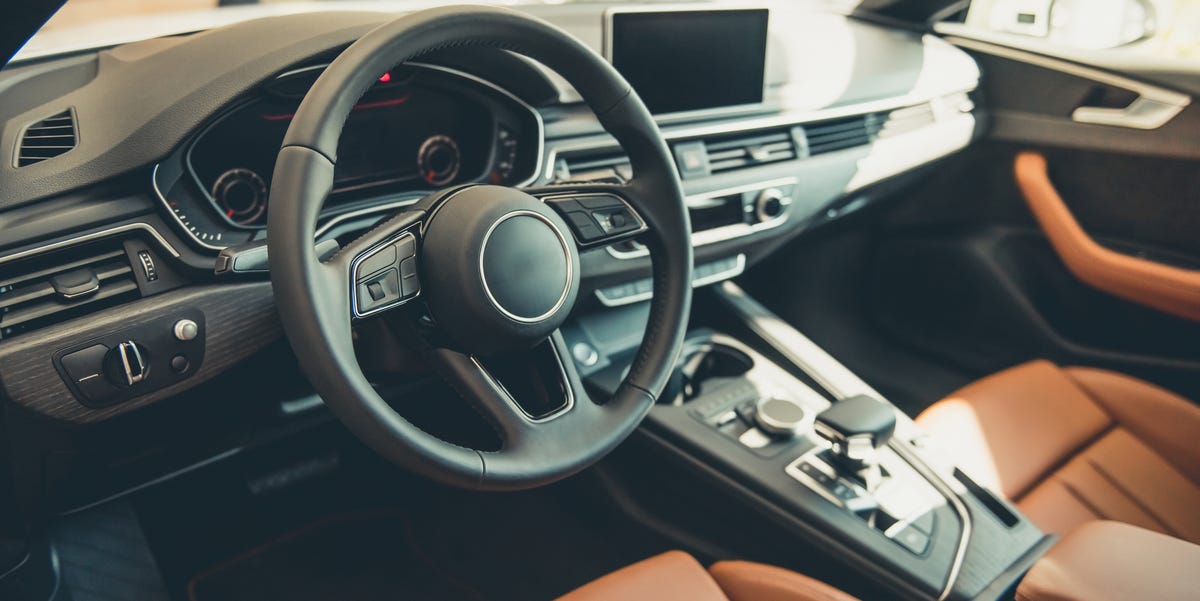
Your car may have started life as a sleek transportation machine, but somewhere between the grocery store, school pickup, soccer practice, and your third drive-through coffee of the week, it became a rolling junk drawer.
Professional organizers understand that keeping a car tidy does not require military-level discipline or a trunk full of matching designer containers. The real secret is creating simple systems that prevent everyday clutter from gaining permanent residency. Every useful item needs a designated home, every emergency supply should be easy to reach, and anything that cannot survive temperature swings should come inside with you.
The smartest car organization essentials serve more than one purpose. They contain groceries, rescue dropped snacks, handle unexpected spills, support roadside safety, and make errands less chaotic. Better yet, most take up very little room. Here are 10 clever things professional organizers commonly rely on to keep a vehicle clean, functional, and ready for real life.
1. A Collapsible Trunk Organizer
A collapsible trunk organizer is the command center of an organized car. Without one, jumper cables, reusable bags, sports gear, and cleaning supplies tend to migrate around the cargo area like they are searching for better schools.
Choose an organizer with sturdy sides, adjustable dividers, carrying handles, and a nonslip bottom. Dividers create separate zones for safety equipment, shopping supplies, children’s gear, or pet accessories. Handles allow the entire container to be lifted into the house when necessary, while a collapsible design means it can fold flat when you need the full cargo area.
How to organize it
Assign each compartment a single purpose. One section might hold emergency equipment, another reusable shopping bags, and a third everyday supplies. Avoid filling every inch. An organizer with a little empty space can accommodate groceries or unexpected purchases without requiring an advanced game of trunk Tetris.
Secure the organizer using built-in straps, hook-and-loop fasteners, or the vehicle’s cargo anchors. Loose containers can slide during sudden turns or stops, which is neither organized nor particularly peaceful.
2. A Small Car Trash Container
Professional organizers know that trash does not disappear when ignored. It simply forms a tiny civilization beneath the passenger seat.
A compact, leak-resistant car trash container gives tissues, receipts, wrappers, and empty snack packages an immediate destination. Look for a model that attaches to a console, seat back, or door pocket without interfering with passengers, seat belts, or airbags.
Line it with small bags so emptying it takes seconds. A roll of replacement liners can be stored in the bottom of the container. For a nearly free alternative, use a washable cereal-storage container or another narrow bin with a secure lid.
The habit that makes it work
Empty the trash container whenever you refuel or bring groceries into the house. Connecting the task to something you already do is more reliable than waiting until the car develops its own weather system.
3. Reusable Shopping Bags in One Compact Pouch
Reusable shopping bags are extremely useful when they are actually in the car. Unfortunately, many bags spend their lives piled beside the front door while their owner stands in a checkout line remembering them with regret.
Professional organizers fold reusable bags into one small tote or zippered pouch and keep the bundle in the trunk organizer. Keeping the bags contained prevents them from spreading across the cargo area and makes it easy to carry the entire collection into a store.
Include a few standard grocery bags, one insulated bag for frozen items, and a washable tote for messy purchases such as garden supplies. After unloading groceries, place the empty bags near your keys or front door so they return to the car on the next trip.
The same pouch can also hold produce bags or a lightweight folding crate. The goal is not to prepare for every possible shopping emergency. It is to eliminate the weekly ritual of buying yet another reusable bag because the existing 27 are at home.
4. A Compact Cleanup Kit
Spills rarely happen when you are parked beside a sink with cleaning supplies nearby. They happen on the highway, in work clothes, five minutes before an appointment.
A compact cleanup kit can include microfiber cloths, paper towels, unscented cleaning wipes, disposable gloves, a small roll of trash bags, and a car-interior stain-removal product approved for your upholstery. Store everything in a washable zippered pouch or lidded plastic box.
Why microfiber cloths earn their space
Microfiber cloths can wipe a dusty dashboard, dry a wet seat, clean a foggy interior window, protect your hands while handling dirty equipment, or serve as an emergency napkin. Keep two or three cloths rather than an entire household supply.
Avoid leaving aerosol cleaners, pressurized containers, or products that may leak or deteriorate in extreme heat. Read storage instructions and bring temperature-sensitive supplies indoors. Professional organization is partly about knowing what belongs in the carand what absolutely does not.
5. A Zippered Document Wallet
The glove compartment should not resemble an archaeological dig through seven years of oil-change receipts. A slim document wallet creates a reliable location for the papers you may need while driving.
Use labeled sections for current vehicle registration, proof of insurance, roadside-assistance information, maintenance contacts, and a simple accident-information checklist. You can also include a pen and a few blank index cards for exchanging information when a phone is unavailable or damaged.
Remove expired insurance cards, outdated registrations, old repair estimates, and unrelated paperwork. Do not leave highly sensitive documents, spare house keys, financial records, or anything displaying unnecessary personal information in the vehicle.
A useful digital backup
Where legally accepted, keep secure digital copies of important documents on your phone or in encrypted cloud storage. The physical wallet remains useful when your battery is dead or cell service is unreliable, but it should contain only the documents you genuinely need.
6. A Properly Stocked First-Aid Kit
A first-aid kit is one of those car essentials everyone is glad to have and hopes never to open. A compact kit should include adhesive bandages, sterile gauze, medical tape, antiseptic wipes, disposable gloves, an instant cold pack, tweezers, scissors, and basic first-aid instructions.
Store the kit in a clearly marked, moisture-resistant case. Place it somewhere an adult can reach without unloading the entire trunk. If the kit is buried beneath camping equipment, holiday decorations, and a folding chair from 2019, it is technically stored but not especially useful.
Inspect it regularly
Review the contents at least every six months. Replace used, damaged, or expired supplies. Medicines can be affected by temperature extremes, so do not store prescription drugs or heat-sensitive medication permanently in a vehicle unless a healthcare professional and the product instructions confirm that it is safe.
Consider taking a recognized first-aid course. Owning bandages is helpful; knowing what to do with them is significantly better.
7. A Roadside Emergency Kit
Car organization is not only about attractive containers. It is also about being able to find essential equipment quickly when something goes wrong.
A practical roadside emergency kit may contain jumper cables or a properly maintained jump starter, a flashlight, spare batteries, reflective warning triangles, work gloves, a tire-pressure gauge, a rain poncho, duct tape, basic tools, and instructions for contacting roadside assistance. Drivers in cold climates may also need an ice scraper, compact shovel, warm clothing, and traction material.
Confirm that the vehicle already has a functional jack, lug wrench, spare tire, sealant kit, or manufacturer-provided inflation system. Some newer vehicles do not include a traditional spare tire, so discovering what your car has while safely parked at home is preferable to learning beside a dark highway.
Contain and secure everything
Place roadside supplies in a bright, labeled case that cannot slide freely around the trunk. Heavy tools and metal objects should be secured so they do not become dangerous projectiles during a sudden stop or collision.
8. A Dedicated Charging-Cable Pouch
A phone is useful during a roadside problem only when it has power. Professional organizers reduce cable chaos by keeping a small pouch containing a vehicle charger and the correct cords for household devices.
Use short, durable cables rather than a nest of retired cords whose original purpose has been lost to history. Label similar-looking cables and remove obsolete ones whenever a device is replaced.
A charger that plugs into the vehicle’s USB port or 12-volt outlet can remain in the console if the manufacturer permits it. Portable lithium battery packs, however, may be damaged by extreme temperatures. Bring a power bank indoors after trips unless its manufacturer specifically approves vehicle storage under local conditions.
Keep the driver’s area clear
Do not allow charging cords to cross the steering wheel, gear selector, pedals, or other controls. Route them neatly and store unused cables in the pouch. Organization should reduce distractions, not create an escape-room challenge around the parking brake.
9. A Seasonal Comfort Pack
A small comfort pack can make an unexpected delay far more manageable. Depending on your climate and household, it might contain a compact blanket, rain poncho, spare socks, work gloves, sun hat, hand warmers, or a lightweight change of clothes.
Families with young children may add a simple backup outfit and a few diapers. Pet owners might keep a spare leash, collapsible bowl, waste bags, and a towel. The important word is spare, not warehouse.
Use one soft-sided zippered bag and label it clearly. Rotate the contents as the seasons change. Heavy winter gear has no reason to occupy half the trunk during July, and beach towels do not offer much emotional support during a snowstorm.
Inspect clothing and blankets for moisture, mildew, or insects. Wash them periodically and return them completely dry.
10. A Few Multipurpose Zippered Bags
Reusable zippered bags are among the least glamorous and most useful car organization tools. They can isolate wet swimsuits, muddy shoes, motion-sickness accidents, leaking toiletries, children’s activity supplies, pet accessories, or small objects that would otherwise vanish beneath a seat.
Keep several sizes nested inside one another. Choose washable, water-resistant materials and label specialized bags when necessary. One could be designated for wet items, another for children’s supplies, and another for temporary donations or returns.
Use a temporary-item rule
Zippered bags should solve short-term problems, not become permanent hiding places. When a bag enters the house, empty it, clean it if necessary, and return it to the car. Otherwise, six months later, you may discover a mysterious collection of socks, crayons, receipts, and one fossilized granola bar.
The System Matters More Than the Stuff
Buying organizers will not automatically create an organized car. Every container needs a clear purpose, and every frequently used item needs a home that matches how you naturally move through the day.
Keep driving essentials accessible, secure heavy objects, and avoid blocking visibility or safety equipment. Store rarely used supplies in the trunk, everyday items in a console or door compartment, and passenger-specific supplies in a safely attached seat-back organizer.
Apply a simple “one trip, one reset” routine. When you arrive home, remove trash, food, packages, cups, sports equipment, and anything that belongs indoors. Once a month, vacuum the seats and cargo area, wipe hard surfaces, and return misplaced supplies to their zones. Every six months, inspect safety items, replace expired products, and adjust the seasonal kit.
Experience-Based Lessons: What an Organized Car Looks Like in Real Life
The following practical scenarios reflect common experiences reported by organized drivers and families. They show why a few carefully selected supplies usually outperform a car packed with dozens of “just in case” items.
The grocery turn that tests everything
Picture a routine grocery trip followed by one sharply curved exit ramp. In an unorganized trunk, milk tips over, oranges launch an escape attempt, and a watermelon begins rolling with the confidence of a bowling ball. A structured trunk organizer or folding crate changes the experience completely. Bags remain upright, cold products can stay together in an insulated tote, and fragile items are separated from heavy ones.
The most useful lesson is that containment matters more than capacity. An enormous trunk can still be chaotic, while a compact cargo area can function beautifully when every item is secured.
The coffee spill before an important meeting
A commuter places a coffee in the cup holder, brakes suddenly, and discovers that lids occasionally have trust issues. Without supplies, the driver may attack the spill with old napkins that immediately dissolve into decorative paper lint.
A cleanup pouch turns the incident into a manageable inconvenience. A microfiber cloth absorbs the liquid, a suitable wipe treats the sticky residue, and a small trash liner contains the mess. The experience demonstrates why car supplies should solve predictable problems. Drinks spill. Children drop snacks. Mud appears. A small response kit earns its space repeatedly.
The dead phone during an unfamiliar trip
Another common situation begins with navigation, streaming audio, and multiple messages gradually draining a phone battery. The driver reaches an unfamiliar area and realizes the charging cable is at home beside the reusable shopping bags.
A dedicated cable pouch prevents this small failure from becoming a larger problem. The charger is not borrowed for the kitchen and forgotten. The cord is not tangled around sunglasses or buried under receipts. It has one home and returns there after every use.
The broader lesson is that frequently borrowed car supplies are often missing when needed. Dedicated, inexpensive duplicates can eliminate repeated frustration.
The roadside problem on a dark evening
Roadside emergencies expose the difference between owning equipment and being prepared to use it. Jumper cables buried beneath luggage are difficult to retrieve. A flashlight with corroded batteries is merely an oddly shaped paperweight. A first-aid kit containing three empty wrappers and an expired wipe is not a first-aid kit; it is evidence of good intentions.
Drivers who inspect their emergency supplies twice a year are more likely to find charged lights, intact gloves, visible warning devices, and complete first-aid materials. A bright, labeled case also helps another passenger or responder locate equipment quickly.
The five-minute family reset
After a long outing, families are often tempted to close the car doors and postpone cleanup. The next morning, yesterday’s water bottles, jackets, toys, snack containers, and shopping bags become today’s obstacle course.
A five-minute reset prevents the buildup. Each passenger carries personal items inside. Trash goes into the household bin. Reusable bags return to their pouch. Wet gear is removed, washed, and dried. Nothing about the routine is dramatic, but that is precisely why it works.
The most reliable organization systems are not based on heroic cleaning sessions. They depend on small actions repeated before disorder becomes overwhelming. A well-organized car does not remain perfectly clean every minute. It simply has a fast, obvious path back to order.
Conclusion: Build a Car Kit That Supports Your Actual Life
The best things to keep in your car are not random convenience products or enough survival equipment to establish a new civilization. They are carefully chosen tools that support your routine, protect passengers, contain everyday clutter, and prepare you for reasonable emergencies.
Start with a collapsible trunk organizer, trash container, reusable shopping bags, cleanup pouch, and document wallet. Add a properly stocked first-aid kit, secured roadside supplies, dedicated charging cables, seasonal comfort gear, and multipurpose zippered bags. Give everything a permanent home and remove anything that does not belong.
Once the system is established, maintaining it should take only a few minutes. That is the real professional organizer trick: not creating a car that never gets messy, but creating one that is remarkably easy to reset.
Note: Review vehicle supplies every six months, rotate seasonal items, replace expired first-aid materials, and follow product and vehicle-manufacturer storage instructions. Avoid permanently storing valuables, medications, aerosol cans, loose heavy tools, or temperature-sensitive electronics in a parked car.