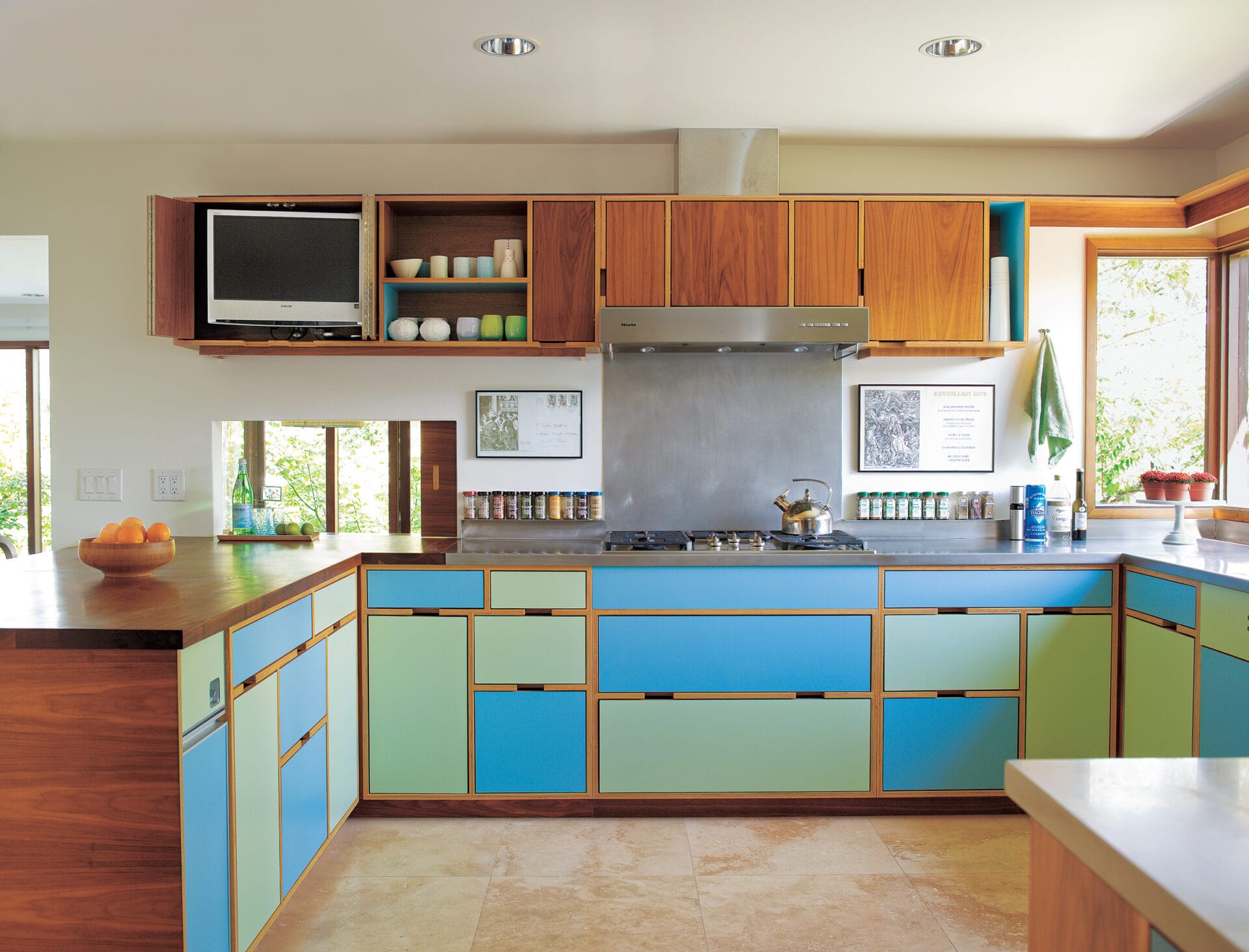
Laminate is one of those materials that quietly does a lot of work around the house while rarely getting the red-carpet treatment. It shows up as flooring, countertops, cabinet surfaces, wall panels, shelves, furniture finishes, and even commercial casework. It can pretend to be oak, walnut, marble, slate, concrete, or linen-textured modern minimalism. In short, laminate is the practical friend who shows up wearing a tuxedo printed on a T-shirtand somehow still looks pretty good.
But what exactly is laminate? Is laminate flooring the same thing as laminate countertops? Is it waterproof? Can you put a hot pan on it? Will your dog destroy it during a five-minute case of the zoomies? This guide covers the essentials: what laminate is, how it is made, where it works best, how to choose it, how to maintain it, and when another material may be the wiser choice.
What Is Laminate?
Laminate is a layered manufactured material designed to create a durable, decorative surface at a lower cost than many natural materials. The basic idea is simple: combine a strong core or backing with a decorative layer and a protective top layer. The result is a surface that can mimic wood, stone, tile, metal, fabric, or solid color while staying relatively affordable and easy to maintain.
The word “laminate” can refer to several products. Laminate flooring is usually made with a high-density fiberboard core, a printed design layer, and a transparent wear layer. High-pressure laminate used for countertops and furniture is made by bonding layers of kraft paper, decorative paper, and resin under heat and pressure. Cabinet laminates and decorative panels use similar principles but may vary in thickness, backing, and performance.
How Laminate Flooring Is Built
Laminate flooring typically has four main layers. The bottom backing layer helps stabilize the plank and resist minor moisture from below. The core layer, usually high-density fiberboard, gives the plank its structure. Above that is the design layer, a high-resolution printed image that creates the look of wood, stone, or tile. On top is the wear layer, a clear protective surface that resists scratches, fading, stains, and everyday traffic.
This layered construction explains why laminate can look surprisingly realistic. Modern printing and embossing allow manufacturers to match texture with the visual grain, so a plank that looks like white oak may also feel slightly like white oak. It is not solid wood, and it cannot be sanded like solid hardwood, but good laminate can give a room a polished look without requiring a second mortgage or a dramatic conversation with your savings account.
How Laminate Countertops Are Built
Laminate countertops work differently from laminate flooring but share the same layered concept. A thin decorative laminate sheet is bonded to a substrate, commonly particleboard or medium-density fiberboard. The visible surface may imitate marble, granite, butcher block, soapstone, terrazzo, concrete, or a bold solid color. Edges may be squared, beveled, rounded, or post-formed for a smoother integrated look.
Modern laminate countertops are far better-looking than the shiny beige surfaces many people remember from older kitchens. Today’s designs include matte finishes, soft-touch textures, stone-look veining, woodgrain patterns, and even specialty finishes with improved scratch or scuff resistance. Laminate is still not stone, but it has definitely upgraded from “rental kitchen background character” to “budget-friendly design option with decent confidence.”
Why Homeowners Choose Laminate
1. It Is Budget-Friendly
Laminate is popular because it offers a lot of visual impact for the price. Laminate flooring is usually less expensive than solid hardwood, engineered hardwood, natural stone, or porcelain tile. Laminate countertops are often far more affordable than quartz, granite, marble, or solid surface materials. For homeowners renovating a kitchen, basement, rental property, home office, or guest room, that cost difference can be huge.
2. It Offers Many Design Choices
Laminate is basically the chameleon of interior surfaces. Want a rustic farmhouse floor without actual reclaimed wood? Laminate can do that. Want a countertop that nods toward marble but does not require marble-level pampering? Laminate can try its best. Want gray oak, honey maple, black slate, white terrazzo, or moody walnut? There is probably a laminate pattern waiting patiently in a sample rack somewhere.
3. It Is Easy to Clean
Laminate surfaces are generally low-maintenance. Flooring can be swept, vacuumed with a hard-floor setting, and cleaned with a barely damp microfiber mop. Countertops can usually be cleaned with mild soap, warm water, and a soft cloth. No sealing, polishing, oiling, or annual ritual involving specialty stone conditioner is required.
4. It Is DIY-Friendly
Many laminate floors use click-lock edges and are installed as floating floors, meaning they are not nailed or glued down. With careful measuring, proper subfloor preparation, and patience, skilled DIYers can install laminate flooring in many rooms. Laminate countertops can also be DIY-friendly in some cases, especially with prefabricated sections, though sink cutouts, seams, and corners require accuracy. Measure twice, cut once, and do not let overconfidence operate the saw.
Where Laminate Works Best
Laminate flooring works especially well in living rooms, bedrooms, hallways, dining rooms, home offices, playrooms, and finished basements when moisture conditions are controlled. It is a strong choice for households that want the appearance of wood without the cost or maintenance of hardwood.
Laminate countertops work well in kitchens, laundry folding areas, craft rooms, rental units, home offices, workshops, and budget-conscious remodels. They are particularly useful when the goal is a clean, attractive surface rather than a luxury resale upgrade.
Decorative laminate panels are also common in commercial settings because they provide durability, consistent color, and easy cleaning. Offices, schools, retail counters, clinics, and restaurants use laminate because it handles daily wear without acting precious about it.
Where Laminate May Not Be the Best Choice
Laminate has limits, and pretending otherwise is how home improvement projects turn into cautionary tales. Traditional laminate flooring is not ideal for full bathrooms, wet laundry rooms, saunas, or areas with frequent standing water. Some newer laminate floors are marketed as water-resistant or waterproof, but homeowners should read the warranty carefully. “Waterproof” often refers to topical spills for a limited time, not a plumbing leak that turns your laundry room into a tiny indoor pond.
Laminate countertops can be damaged by heat, sharp knives, harsh abrasives, and water that seeps into seams or edges. They are not the best choice for homeowners who regularly place hot cookware directly on counters, cut food without a board, or expect a surface to survive like commercial stainless steel. Laminate is durable, but it is not invincible. It is more like a responsible adult with boundaries.
Laminate Flooring Ratings: What AC Means
When shopping for laminate flooring, you may see an AC rating, short for Abrasion Criteria. This rating helps describe wear resistance. In general, higher AC ratings indicate stronger resistance to traffic and surface wear. AC3 and AC4 are common for residential use, while AC5 may be used for heavier residential or commercial applications.
For a quiet bedroom, a moderate rating may be enough. For a busy hallway, kitchen-adjacent space, rental unit, or pet-friendly living area, a more durable rating is worth considering. The best laminate flooring is not simply the prettiest sample. It is the one that matches the room’s traffic, moisture risk, furniture movement, sunlight exposure, and cleaning habits.
Water-Resistant vs. Waterproof Laminate
Water resistance is one of the most misunderstood parts of laminate. Many modern laminate floors are much better at handling spills than older products, but the core is often still wood-based. If moisture reaches seams, edges, or the underside of the plank, swelling can occur. That is why proper installation, expansion gaps, seam integrity, and moisture barriers matter.
For kitchens, entryways, and powder rooms, water-resistant laminate may work if spills are cleaned quickly and the product is approved for that use. For full bathrooms, mudrooms, or laundry rooms with a real risk of leaks, luxury vinyl plank, porcelain tile, or another moisture-tolerant surface may be safer. Laminate can handle everyday life; it should not be asked to perform synchronized swimming.
Installation Basics for Laminate Flooring
Successful laminate flooring starts with the subfloor. The surface should be clean, dry, flat, and structurally sound. Concrete slabs should be fully cured and checked for moisture. Wood subfloors should be stable and free of soft spots. Uneven areas can cause clicking, gaps, bounce, or premature wear.
Most laminate floors need underlayment unless the planks already have attached padding. Underlayment helps smooth minor imperfections, reduce sound, and improve comfort underfoot. Over concrete, a vapor barrier may be required. Skipping moisture protection to save time is one of those decisions that can look clever for about three weeks and then extremely expensive.
Laminate planks also need room to expand and contract. Installers leave expansion gaps around walls, cabinets, door frames, and fixed objects. The floor floats as one connected surface, so pinning it down with heavy built-ins or tight trim can cause buckling. Good installation is not just about making the first row straight; it is about respecting how the material behaves after the tools are packed away.
Laminate Countertop Care
Laminate countertops are easy to live with when treated sensibly. Clean them with mild detergent, warm water, and a soft cloth. Rinse away cleaner residue and dry the surface, especially near seams. Avoid abrasive powders, steel wool, strong acids, harsh chemicals, and aggressive scrubbing pads. These can dull or damage the finish.
Heat is another major concern. Always use trivets, hot pads, or heat shields under hot pans, slow cookers, electric skillets, air fryers, and other heat-producing appliances. Laminate may tolerate brief warmth, but direct high heat can discolor the surface, loosen adhesive, or cause bubbling. A trivet is cheaper than a new countertop and significantly less dramatic.
Use cutting boards instead of cutting directly on laminate. Knife marks are often permanent because the decorative pattern lives at the surface. Also, wipe spills promptly, especially near seams, sink cutouts, and edges. Once water reaches the substrate, swelling and delamination can be difficult or impossible to repair neatly.
Common Laminate Problems and How to Avoid Them
Scratches
Laminate flooring and countertops resist everyday wear, but they can scratch. Use felt pads under furniture, avoid dragging heavy items, trim pet nails, and use rugs or mats in high-traffic zones. On countertops, cutting boards are non-negotiable unless you enjoy decorative knife graffiti.
Swelling
Swelling usually means moisture found a way into the core. Prevent it by cleaning spills quickly, avoiding wet mopping, using proper underlayment, sealing vulnerable countertop seams, and choosing the right product for the room.
Peaking or Buckling
Laminate flooring can buckle if expansion gaps are missing, heavy cabinetry traps the floating floor, or moisture enters the system. Proper acclimation, layout, spacing, and subfloor preparation reduce this risk.
Burns and Heat Marks
Countertop burns are usually caused by hot cookware or heat-producing appliances placed directly on the laminate. Use trivets and insulated pads. For minor damage, repair kits may help, but major burns often require replacing the affected section.
Laminate vs. Hardwood, Vinyl, Quartz, and Stone
Compared with hardwood flooring, laminate is cheaper, easier to install, and more resistant to some scratches and stains. Hardwood, however, can be refinished and generally has stronger long-term value. Compared with luxury vinyl plank, laminate often feels more rigid and may offer a more wood-like texture, while vinyl usually wins in wet areas because it is more moisture-tolerant.
For countertops, laminate is far less expensive than quartz, granite, marble, or quartzite. It is also lighter and easier to install. Stone and quartz usually offer better heat resistance, stronger resale appeal, and longer service life. Laminate wins on budget and style flexibility; stone and quartz win on long-term durability and prestige. In other words, laminate is practical, while quartz is the cousin who arrives at brunch in designer sunglasses.
How to Choose the Right Laminate
Start with the room. A quiet bedroom has different needs from a busy kitchen. For flooring, consider traffic level, pets, kids, sunlight, moisture, underlayment, plank thickness, edge treatment, warranty, and AC rating. Bring samples home and view them in daylight and evening light. Store lighting can make everything look like a showroom; your hallway at 7 p.m. may tell a different story.
For countertops, consider edge style, finish, pattern scale, seam placement, sink type, backsplash design, and how you actually cook. A dramatic marble-look laminate can look beautiful, but large veining may appear odd if seams interrupt the pattern. Matte and textured finishes can look more modern, while glossy finishes may show fingerprints and scratches more easily.
Always read the manufacturer’s installation and care instructions. Laminate products vary widely. One brand may allow damp mopping with specific cleaners; another may warn against it. One floor may be approved for kitchens; another may not. The warranty is not bedtime reading, but it is where the expensive details hide.
Real-Life Experiences With Laminate
In real homes, laminate often succeeds when expectations are realistic. A family installing laminate flooring in a busy living room may love how quickly it transforms the space. The room goes from tired carpet to clean wood-look planks in a weekend, and suddenly the furniture looks better, the walls look fresher, and everyone starts pretending they meant to upgrade years ago. Laminate can deliver that satisfying “new room” feeling without the price of hardwood.
Pet owners often appreciate laminate because fur, dust, and muddy paw prints are easy to spot and clean. A quick sweep or vacuum usually handles daily mess. However, pets also reveal laminate’s weak points. A water bowl placed directly on the floor can create trouble if spills sit too long. The smart move is to use a waterproof mat under bowls and wipe splashes quickly. Laminate can handle a dog. It should not be asked to host a miniature lake.
Parents may also find laminate practical in playrooms and family spaces. Toy cars, snack crumbs, art projects, and mysterious sticky spots are easier to manage on laminate than on carpet. Area rugs can soften the room while leaving most of the floor simple to clean. The trade-off is sound: laminate can be louder than carpet, especially when children run across it with the enthusiasm of a tiny marching band. A good underlayment and rugs can help.
In kitchens, laminate countertops often surprise people. A well-chosen pattern with a clean edge profile can look fresh and intentional, not cheap. Homeowners doing budget remodels often use laminate to stretch funds for better cabinets, lighting, appliances, or layout changes. That can be a smart choice because a beautiful kitchen is not made from one expensive surface alone. It is the combination of proportion, color, function, lighting, and details.
The most common regrets come from using laminate in the wrong place or treating it like a tougher material. A hot skillet placed on a laminate countertop can leave a permanent reminder of one careless dinner. A wet mop used generously on laminate flooring can cause swollen seams. A refrigerator leak ignored for a weekend can ruin planks. These problems are not mysterious defects; they are usually mismatches between material and behavior.
The best experience with laminate comes from simple habits: use mats near entrances, wipe spills quickly, protect furniture legs, clean with gentle products, use trivets on counters, and choose the right grade for the job. When laminate is selected thoughtfully and cared for properly, it can look good for many years. It may not be the fanciest material in the room, but it is often the one that quietly makes the budget workand that deserves a little respect.
Conclusion
Laminate is not trying to be the most luxurious material in the design world. It is trying to be attractive, affordable, versatile, and easy to live with. That is exactly why it remains popular in American homes. Laminate flooring can bring the look of wood or stone to bedrooms, living rooms, hallways, and offices at a manageable cost. Laminate countertops can refresh kitchens, rentals, laundry rooms, and workspaces without requiring premium stone prices.
The key is choosing the right laminate for the right use. Pay attention to AC ratings, moisture resistance, installation requirements, countertop seams, heat protection, and cleaning instructions. Treat laminate well, and it can reward you with years of good-looking service. Treat it like granite, waterproof tile, or indestructible superhero flooring, and it may politelyand then visiblydisagree.
Note: This article is written for web publishing and synthesizes current practical guidance from reputable U.S. flooring, countertop, manufacturer, retailer, and environmental-information sources without inserting source links into the article body.