Note: This article is written in standard American English and is based on real bath-fixture guidance, official product information, and current design reporting. Unnecessary publishing artifacts have been removed for clean web use.
Some bathrooms try very hard to impress you. They shout with oversized mirrors, trendy finishes, and enough polished metal to make your morning coffee nervous. A bath built around Manufactum fixtures takes the opposite route. It speaks softly, uses better materials, and somehow ends up looking more expensive, more personal, and far less likely to embarrass you five years from now.
That is the charm of the Manufactum approach. The brand has long been associated with beautifully made, repair-minded household goods, and its bath assortment leans into the same philosophy: useful objects, durable finishes, old-world practicality, and the kind of quiet design confidence that never needs to yell. Think enamel, brass, chrome, thermally treated wood, wirework baskets, sturdy holders, and accessories that seem less “decor purchase” and more “future heirloom with excellent manners.”
For anyone designing a bathroom that feels timeless rather than trend-chasing, Manufactum fixtures offer a compelling idea: build the room around craftsmanship, restraint, and tactile pleasure. In other words, let the faucet be handsome, let the towel rail be dependable, and let the toilet paper holder stop pretending it needs Wi-Fi.
What “Manufactum Fixtures” Really Mean in a Bathroom
When people hear the word fixtures, they often think only of faucets and shower trim. In the Manufactum universe, the idea is a little broader and more satisfying. It includes the supporting cast that gives a bathroom its rhythm: soap holders, toilet brush sets, towel racks, roll holders, shower baskets, wall lights, bath trays, and the small metal and enamel pieces that make the room feel coherent.
That distinction matters. A bathroom rarely feels special because of one glamorous faucet alone. It feels finished when the hardware, storage, lighting, and touchpoints all belong to the same visual language. A chrome faucet paired with flimsy accessories can make the whole room feel like it got dressed in the dark. By contrast, even simple fixtures look elevated when the materials, proportions, and finishes stay disciplined.
Manufactum’s bath pieces tend to favor exactly that kind of discipline. The look is practical, slightly European, a little nostalgic, and deeply functional. You will often see brass, chrome-plated metal, blackened finishes, white enamel, and moisture-friendly wood used in ways that feel understated rather than flashy. The result is a bathroom that reads as calm, collected, and properly grown-up.
Why the Manufactum Look Works So Well
1. It prioritizes craftsmanship over novelty
Many newer bath trends are obsessed with visual impact first and longevity later. The Manufactum approach flips that order. The emphasis is on well-made objects, repairability, and materials that age with dignity. That is a huge reason the look feels so relevant right now. In a design moment increasingly drawn to patina, texture, and subtle finishes, a room full of solid, tactile fixtures feels far richer than one packed with shiny impulse buys.
2. It makes utility look beautiful
A shower basket is not usually a romantic object. A toilet brush holder is rarely described as thrilling. Yet when these items are thoughtfully made, proportioned well, and finished in honest materials, they become part of the architecture of the room. They stop being clutter and start acting like design. That is one of the smartest lessons from bath spaces inspired by Manufactum fixtures: every practical object can help the room, not just live in it.
3. It favors timeless finishes
Bathrooms built around this style generally avoid hyper-gloss, over-complication, and loud, short-lived fashion statements. Instead, they lean toward finishes with staying power: chrome, brushed or satin nickel, matte or natural metals, black accents, enamel, and brass that may deepen with age. Timeless does not mean boring. It means the room can still look intentional after the next five social-media trend cycles have packed their bags and left.
Designing a Bath Around Manufactum Fixtures
Start with the finish palette
If you want a bath that feels cohesive, pick your core metal finish first. This is the backbone of the room. Chrome gives a clean, classic, almost medicinal crispness that looks especially good with white tile and enamel. Brushed nickel or satin finishes feel warmer and softer. Unlacquered or living brass brings warmth, character, and a slow patina that suits old-house charm or relaxed luxury. Matte black can work too, but it should be used with restraint if the goal is a true Manufactum-inspired look rather than a generic modern-industrial bathroom.
A practical rule is to choose one dominant finish for plumbing and then support it with one secondary accent. For example, chrome fixtures can pair beautifully with white enamel accessories and dark-stained wood. Brass can be grounded by off-white walls, stone floors, and woven or wooden textures. Black metal can work when balanced with pale plaster, soft tile, and warm timber. The key word is balance. A bathroom should not look like the metal sample board exploded.
Match faucet style to sink configuration
This is where style meets reality, and reality usually wins. Before you fall in love with a faucet silhouette, check the sink or vanity layout. Single-hole, centerset, widespread, vessel, and wall-mounted faucets all behave differently and require different setups. A beautiful wall-mounted faucet can free up counter space and look wonderfully architectural, but it demands more planning. A widespread faucet offers flexibility and strong visual presence. A centerset option is hardworking, compact, and often ideal for smaller bathrooms. Good design begins with compatibility, not wishful thinking.
Manufactum-inspired baths often look best with faucets that have clear lines and straightforward profiles. Cross handles, restrained levers, or simple cylindrical forms all fit naturally. Overly sculptural spouts can pull the room off course. When in doubt, choose the piece that looks like it was designed to serve you for twenty years, not just impress your guests for twenty minutes.
Choose solid materials where touch matters most
There are a few places where material quality pays you back every single day: faucet bodies, shower trim, towel bars, shower baskets, and handles. Brass construction remains a favorite because it is durable, dependable, and well suited to repeated use. Ceramic disc cartridges are another worthwhile feature in faucets because they improve long-term drip-free performance. In plain English, that means fewer annoying leaks and less muttering at the sink before breakfast.
This is also why the Manufactum mindset is so useful. It encourages you to buy less, but buy better. One sturdy towel bar is more valuable than two flimsy ones. One well-made shower basket is more graceful than a plastic caddy staging a rebellion in the corner.
The Best Companion Materials for Manufactum Fixtures
Enamel
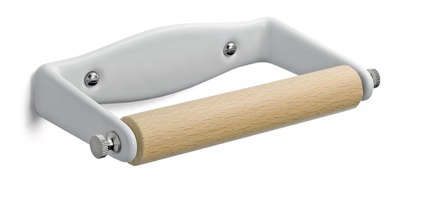
Enamel is one of the quiet stars of this aesthetic. It is sanitary, crisp, and nostalgically practical. An enamel toilet roll holder or wall accessory adds old-school charm without tipping the room into costume territory. White enamel also plays brilliantly with chrome and brass, creating that clean, lightly utilitarian look people often associate with classic European baths.
Wood with moisture resistance
Wood in the bathroom can be wonderful when chosen carefully. Thermally treated wood, teak, and other moisture-conscious options bring warmth to a space that can otherwise feel too hard and echoey. Bath mats, tray rests, stools, and shelf details in wood soften the room and keep it from becoming a tile-and-metal science lab.
Stone, porcelain, and matte tile
Because Manufactum-style fixtures are quietly expressive, they pair best with surfaces that do not compete for attention. Honed stone, matte ceramic tile, porcelain, limewash-like finishes, and soft plastery paint colors all make excellent partners. If the fixtures are the jewelry, the walls and floors should be the well-tailored clothing that lets the jewelry shine without turning dinner into a costume party.
Lighting: The Secret Ingredient in a Fixtures-First Bathroom
Even the best faucet in the world cannot save a bathroom lit like a gas-station parking lot. Lighting is part of the fixture story too, and it deserves the same thoughtfulness as the plumbing. The most effective bathrooms use layered lighting: ambient light for the room, task light for the vanity, and softer accent light for warmth and depth.
Wall sconces are especially useful in a Manufactum-inspired bath because they add symmetry, softness, and visual calm. Placed at the sides of the mirror, they create more flattering light than a single harsh fixture above it. Look for simple forms in enamel, opal glass, brass, or chrome. A wall light that feels slightly utilitarian but beautifully proportioned is exactly right here.
Bulb temperature matters more than people think. Warm-white lighting in the flattering range tends to make bathrooms feel inviting rather than clinical. It also makes finishes such as brass, nickel, and natural stone look richer and more nuanced. Nobody wants to admire a beautifully designed bath only to discover it has the complexion of a break room.
Modern Practicality Still Belongs Here
A bathroom inspired by traditional craftsmanship does not need to reject modern performance. In fact, the best versions combine the soul of old-world fixtures with the brains of contemporary plumbing. Water-efficient faucets, especially those meeting modern conservation standards, are smart choices for everyday use. They can reduce water flow significantly without making handwashing feel like you are trying to rinse soap under a suspicious drizzle.
This is the sweet spot: classic-looking fixtures, practical accessories, efficient water use, durable cartridges, and thoughtful ventilation. Add a well-placed mirror, enough storage to keep counters clear, and maybe a leak sensor or discreet digital control if your budget allows, and the room becomes both timeless and functional. The goal is not to freeze the bathroom in the past. It is to borrow the best manners from the past and combine them with present-day comfort.
Who Should Consider the Manufactum Fixture Aesthetic?
This style is especially compelling for homeowners who like any of the following:
Old houses with character
If your home has original trim, period bones, or a slightly historic feel, Manufactum-inspired fixtures help the bathroom feel integrated rather than imported from a generic condo catalog.
Minimalists who still want warmth
Not every minimalist bathroom needs to be cold, glossy, and emotionally unavailable. This approach keeps the lines clean while adding tactile warmth through metal, enamel, wood, and thoughtful detail.
Anyone tired of disposable design
If you have ever installed something trendy and regretted it before the caulk dried, this is your sign. Buying fewer, better fixtures often leads to a room that feels calmer, looks smarter, and ages far more gracefully.
of Real-Life Experience: What It Feels Like to Live With a Bath Inspired by Manufactum Fixtures
Living with a bathroom shaped by Manufactum-style fixtures is less about showing off and more about noticing small satisfactions that add up over time. The first thing you feel is the absence of visual noise. Nothing is begging for attention. The faucet does not look gimmicky. The towel bar does not wobble like it is reconsidering its life choices. The soap dish is not pretending to be sculpture. Everything simply looks as though it belongs.
That sense of calm changes the way the room is used. In the morning, the experience feels crisp and orderly. A chrome or brushed metal faucet against a porcelain sink gives you that clean, precise visual snap that helps you wake up. A wall sconce beside the mirror lights your face more evenly, which sounds like a small detail until you realize your shaving, skincare, or makeup routine has become much easier. The room starts working with you instead of against you.
There is also a tactile pleasure that cheap bathroom hardware never quite delivers. A solid brass handle has reassuring weight. An enamel accessory feels smooth, cool, and substantial. A shower basket made from real metal rather than flimsy coated wire stops looking tired after a few months. These things are not dramatic on day one. Their magic shows up in month six, month twelve, and year three, when they still feel dependable and still look intentional.
Another part of the experience is how gracefully the bathroom absorbs daily life. Towels get hung up. Steam rolls in. Water lands where it should not. Hands reach for the same pieces over and over. In a room built around durable fixtures, that repetition is not destructive; it is part of the design story. Slight wear on a living finish can make the room look more human. Wood accents feel warmer over time. The bath becomes less like a staged set and more like a space with memory.
Guests notice it too, even if they cannot quite explain why. They may mention the light, the neatness, or the “hotel feel,” but what they are really responding to is coherence. The roll holder matches the towel rail. The mirror light suits the faucet. The accessories look chosen instead of accumulated. The room feels edited, and edited rooms always seem calmer than cluttered ones.
Perhaps the biggest experience-related benefit is psychological. A well-made bathroom encourages better habits. You wipe things down more often because the materials reward care. You keep the counter clear because the room looks so good when it is not crowded. You buy fewer random accessories because the existing ones already do their job beautifully. It is one of those rare design approaches that quietly makes you more organized without announcing itself like a life coach in a linen shirt.
So yes, a bath inspired by Manufactum fixtures can be stylish. But the deeper appeal is how it behaves in real life. It is steady, handsome, practical, and deeply comfortable. It makes ordinary routines feel just a bit more civilized. And honestly, in a world full of disposable everything, a bathroom that feels built to last is downright luxurious.
Conclusion
Baths built around Manufactum fixtures prove that luxury does not have to sparkle at you from across the room. Sometimes it looks like a sturdy brass holder, a beautifully simple wall light, a clean-lined faucet, and a shower basket that was clearly designed by someone who has actually taken a shower. That is the appeal: utility with elegance, restraint with warmth, and craftsmanship with real staying power.
If you are planning a renovation, this style offers a strong blueprint. Choose durable faucet construction, keep finishes cohesive, layer your lighting, use moisture-friendly natural materials, and let the small accessories matter as much as the headline pieces. The reward is a bathroom that feels timeless, composed, and deeply livable. Not flashy. Not fussy. Just very, very good.