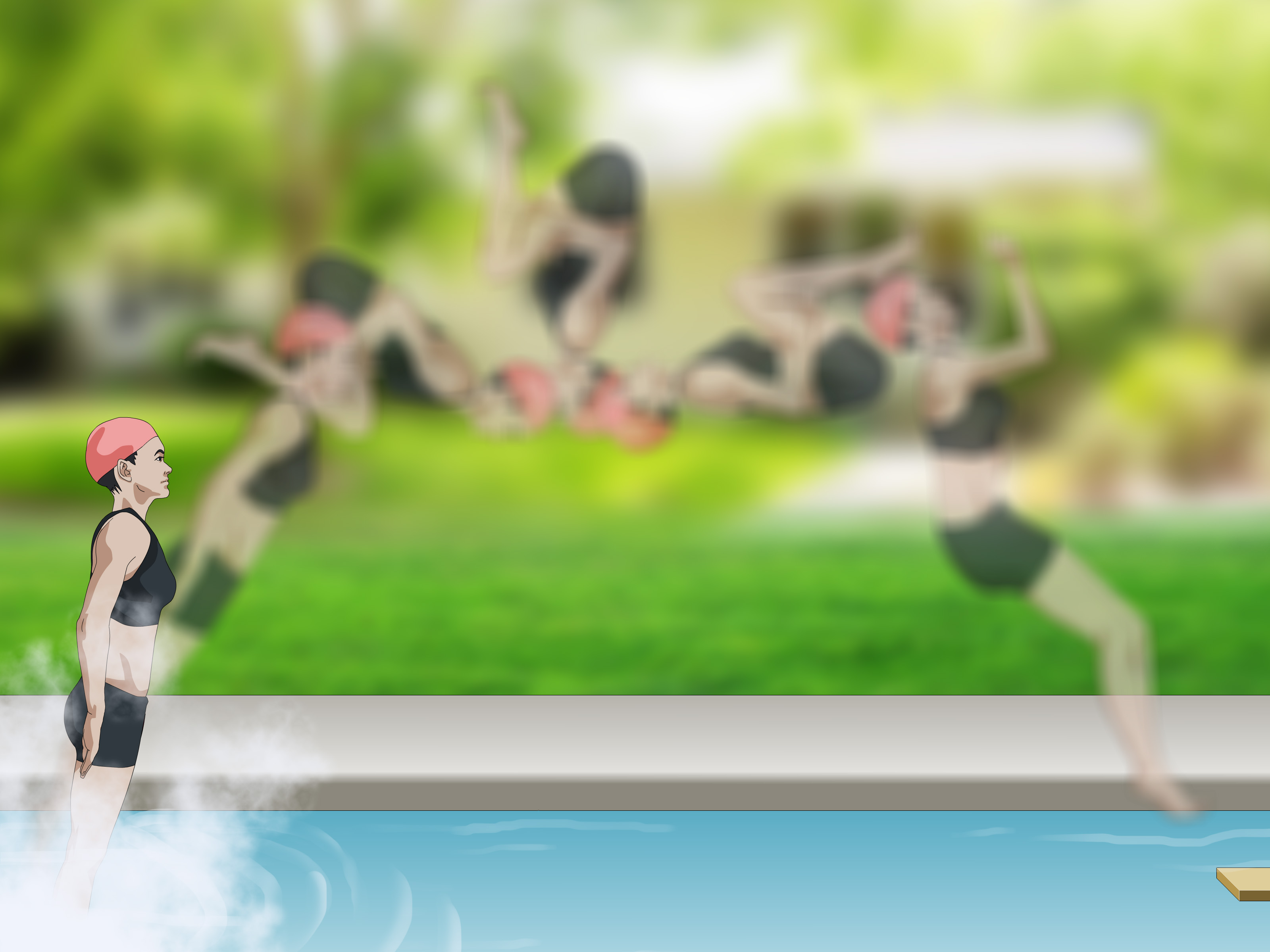
A back flip in the water looks effortless when someone does it well. One second they are standing at the edge of the pool, the next they are spinning backward like a human dolphin with better social media timing. But here is the important truth before anyone starts pretending to be an Olympic highlight reel: a water back flip is not a casual “try it and see” trick. It requires swimming ability, body control, safe conditions, and ideally a qualified instructor or lifeguard nearby.
This guide explains how to approach a back flip in the water safely, responsibly, and realistically. Instead of encouraging a risky stunt, these 14 steps focus on preparation, safety checks, practice habits, and smart progression. Think of it as the “don’t turn your fun pool day into a dramatic rescue scene” version of learning. That version is always better.
The main keyword here is simple: how to do a back flip in the water. But the real goal is better: learning how to build confidence around water, understand your limits, and practice only in an environment designed for safe jumping, diving, and coached movement.
Before You Try: Safety Comes First
A back flip in water is safer than attempting one on land, but “safer” does not mean “safe in every situation.” Poor depth, slippery surfaces, crowding, panic, fatigue, or landing awkwardly can cause serious injury. The safest place to learn is a supervised pool with clear depth markings, no underwater obstacles, and a trained adult, coach, or lifeguard present.
Avoid natural water such as lakes, rivers, quarries, and ocean spots unless they are clearly designated for jumping and supervised. Natural water can hide rocks, sudden drop-offs, currents, branches, sandbars, or debris. Water does not politely announce, “Surprise, there is a rock down here.” It just lets you find out the unpleasant way.
How to Do a Back Flip in the Water: 14 Safe Steps
1. Make Sure You Are a Strong Swimmer First
Before learning any kind of water flip, you should be comfortable swimming in deep water, floating, treading water, and returning calmly to the surface. You should also know how to recover if water gets in your nose or if you feel disoriented after entering the water.
If you cannot swim confidently without grabbing the wall, this is not the time for flips. Start with swimming lessons and basic water competency. A back flip should be something you add after strong swimming skills, not something you use to discover that gravity has opinions.
2. Practice Only With Supervision
Never practice a water back flip alone. Even skilled swimmers can misjudge a movement, become tired, or surface in the wrong direction. A lifeguard, swim coach, trained instructor, or capable adult should be present and paying attention.
The best supervisor is not someone scrolling on their phone while saying, “Yeah, yeah, I’m watching.” The best supervisor is alert, close enough to respond, and familiar with the pool rules. If you are under 18, get permission from a parent, guardian, coach, or facility staff before attempting any flip.
3. Choose the Right Location
Use a pool or aquatic facility where jumping or flipping is allowed. Many pools ban flips from the deck because of injury risk, crowding, or insurance rules. Respect posted signs and lifeguard instructions. They are not there to ruin your afternoon; they are there because someone, somewhere, probably tried something questionable.
Look for a designated deep-water area with clear depth markings, a non-slip deck, and enough open space. Avoid crowded pools, shallow ends, above-ground pools, hot tubs, hotel pools with unclear rules, or any area near ladders, rails, lane ropes, diving boards, slides, steps, or other swimmers.
4. Confirm the Water Is Deep Enough
Depth is one of the biggest safety factors. For any jumping, diving, or flipping activity, the water must be deep enough and clearly marked as safe by the facility. Do not guess the depth. Do not rely on “it looks deep.” Water has a long history of looking deeper than it is.
If a lifeguard or pool sign says no diving or no flipping, follow that rule. If you are unsure whether the water is deep enough, do not attempt the flip. Ask a lifeguard or instructor. A few seconds of asking is much better than a long afternoon explaining why you ignored the obvious.
5. Check the Landing Area
The space where you enter the water should be completely clear. No swimmers. No toys. No floating loungers. No goggles drifting around like tiny plastic sea creatures. Make sure you have room in front, behind, and around you.
Even if you land safely, you can still collide with another swimmer if the area is crowded. Good pool etiquette means waiting your turn, communicating with people nearby, and never surprising others with sudden jumps or flips.
6. Warm Up Before Practicing
Warm up with easy swimming, shoulder circles, gentle leg movement, and relaxed breathing. Cold or stiff muscles do not love sudden explosive motion. A short warm-up helps your body feel coordinated and reduces the chance of cramps or awkward movement.
Keep the warm-up simple. You do not need a superhero montage. Swim a few easy laps, practice floating, and get comfortable going underwater and resurfacing. If your body feels tired before you start, that is a sign to wait, rest, or choose another activity.
7. Start With Basic Water Confidence Skills
Before practicing any backward movement, you should be comfortable with simple jumps into deep water, resurfacing calmly, clearing water from your face, and swimming back to the edge. These basic skills matter because a flip can briefly confuse your sense of direction.
Work with an instructor on safe entries, breath control, floating, and recovery. The goal is to stay calm even when you splash, rotate, or land differently than expected. Panic is not a training partner. It is more like a raccoon in the pool bag: loud, unhelpful, and best avoided.
8. Learn Progressions From a Qualified Instructor
A trained swim coach, diving coach, gymnastics coach, or aquatic instructor can teach safe progressions based on your ability. This is much better than copying a random video online. Videos do not know your pool depth, your swimming ability, your confidence level, or whether the deck is slippery.
A coach can decide when you are ready for backward movement, how to use safe body positioning, and when to stop. They can also spot common mistakes early. In other words, they are the difference between “nice progress” and “why is everyone suddenly staring?”
9. Keep Your Movements Controlled
When you are cleared by a coach to practice, the goal is control, not drama. A water back flip should not begin with wild arm swings, rushed timing, or a dare from someone named Tyler who “saw it on TikTok.” Fast, uncontrolled movement increases the chance of losing balance or entering the water awkwardly.
Focus on listening to your instructor, staying aware of your space, and stopping when something feels wrong. Controlled practice builds confidence. Rushed practice builds blooper footage, and not the fun kind.
10. Keep Your Eyes and Mind on the Environment
Before every attempt, pause and check your surroundings. Is the water clear? Has someone moved into your landing area? Is the deck slippery? Are you too close to the wall? Did a pool noodle appear out of nowhere like it pays rent?
This quick reset matters because conditions change fast in a busy pool. What was safe 30 seconds ago may not be safe now. Good athletes check the environment repeatedly, even when they feel confident.
11. Avoid Showing Off
The fastest way to make a water trick unsafe is to turn it into a performance. Do not try a flip because friends are cheering, filming, teasing, or daring you. Pressure makes people ignore warning signs, and warning signs are usually the body’s polite way of saying, “Please do not make me regret this.”
If you are not ready, say no. If the pool is crowded, wait. If the lifeguard says stop, stop. Confidence is great, but smart confidence is better than splashy overconfidence.
12. Stop Immediately If You Feel Dizzy, Tired, or Nervous
Flips can be disorienting. If you feel dizzy, short of breath, tired, anxious, or unsure, stop practicing. Rest on the side of the pool and let your body recover. There is no prize for squeezing in “just one more” when your coordination is fading.
Fatigue changes everything. Your jump becomes weaker, your timing gets sloppy, and your landing can become unpredictable. A good practice session ends before your body starts filing complaints.
13. Follow Pool Rules Every Time
Pool rules are not decoration. If the facility says no flips, no diving, no running, or deep end only, follow the rule. Some pools allow certain skills only during swim team, diving lessons, or supervised instruction. Others ban deck flips completely.
Respecting rules protects you and everyone around you. It also keeps you from being the person lifeguards remember for all the wrong reasons.
14. Build Skill Slowly Over Multiple Sessions
Learning a safe water back flip is not a one-afternoon mission. It may take several lessons or practice sessions to build the strength, timing, comfort, and confidence needed. Progress might include swimming skills, safe jumps, underwater recovery, backward comfort, and instructor-led drills.
Do not rush. The best progress feels boring at first because it is controlled, repeatable, and safe. Then one day, it starts looking smooth. That is usually how real skill works: less chaos, more control, fewer dramatic sound effects.
Common Mistakes to Avoid
Trying It in Shallow Water
Shallow water is the wrong place for any flip. Even if you think you will land perfectly, mistakes happen. Only practice in water that is clearly marked and approved for the activity by the pool or instructor.
Practicing Without Permission
Many public pools, hotel pools, and apartment pools do not allow flips. If you practice where it is banned, you may be removed from the pool, but more importantly, you may be putting yourself and others at risk.
Copying Online Videos
Online videos often skip the safety setup, failed attempts, coaching, and controlled environment behind the final clip. Do not assume a trick is safe because it looks easy. Pancakes look easy too, and yet many first attempts become abstract art.
Letting Friends Pressure You
A good friend will not push you to do something unsafe. If someone is pressuring you, take that as a sign to step back. You are allowed to protect your body, your confidence, and your pool privileges.
Who Should Not Try a Water Back Flip?
Do not try a back flip in the water if you are not a confident swimmer, if you are injured, if you have neck or back pain, if you feel dizzy, if you are tired, or if no trained supervision is available. You should also avoid flipping if the pool is crowded, the depth is unclear, the deck is slippery, or the facility rules do not allow it.
Anyone with a medical condition that affects balance, breathing, strength, awareness, or seizure risk should speak with a parent, guardian, doctor, or qualified instructor before participating in water activities. Safety is not about being scared. It is about knowing which situations deserve extra caution.
What to Do Instead If You Are Not Ready
If you want to build toward a water back flip but are not ready yet, start with safer water skills. Practice floating, treading water, smooth underwater recovery, basic jumps, and swimming in deep water under supervision. You can also join swim lessons, diving lessons, or beginner gymnastics classes where trained coaches teach body awareness progressively.
These foundations make every future skill easier. They also make pool time more fun because you are not relying on luck. Luck is fine for finding an extra fry at the bottom of the bag. It is not a water-safety plan.
Experience Notes: What Learning a Water Back Flip Really Feels Like
Learning how to do a back flip in the water is often less about bravery and more about patience. Many beginners imagine the hard part is the flip itself, but the real challenge is trusting the environment, staying calm, and learning how your body moves when water, air, gravity, and nerves all show up to the same party.
In a safe, supervised setting, the first experience usually begins with simple confidence work. You may spend more time checking the water, practicing safe entries, and learning how to resurface calmly than actually flipping. That can feel slow, especially if you were hoping to become a pool legend before lunch. But this slow start is valuable. It teaches your brain that deep water is manageable and that you can recover without panicking.
One common experience is hesitation. Standing near the edge, even in a safe deep-water area, can make your mind suddenly produce a full documentary called “What If Everything Goes Wrong?” This is normal. Good instructors do not mock hesitation; they work with it. They may have you step back, breathe, review the plan, and repeat easier skills until your confidence catches up with your ambition.
Another real part of the learning process is awkwardness. Water has a way of humbling everyone. Your first practice attempts may involve too much splash, too little control, or a resurfacing face that says, “I have made several discoveries.” That does not mean you failed. It means your body is collecting information. With coaching, repetition, and safe limits, movement becomes cleaner and less surprising.
The best learners are not always the boldest people. They are the ones who listen, pause, ask questions, and stop when conditions are not right. They understand that a good session is not measured by how many flips they attempt, but by how safely they practice. They also know when to laugh. A little humor helps, especially when your big athletic moment produces a splash shaped like a confused starfish.
If you are learning with friends, set a serious tone before anyone gets in the water. Agree that nobody pressures anyone, nobody jumps into another person’s space, and nobody ignores the lifeguard. This makes the experience more fun, not less. People relax when they know the group is looking out for each other.
Over time, the skill may begin to feel smoother. You become better at reading the pool environment, controlling nerves, and understanding your limits. That confidence carries into other water activities too. You become a stronger swimmer, a smarter pool user, and a better judge of when something is safe enough to try.
The biggest lesson is simple: style is optional, safety is not. A clean back flip in the water is cool, but making smart choices is cooler. Anyone can chase applause for five seconds. It takes real maturity to say, “Not here,” “Not today,” or “I need a coach first.” That kind of confidence lasts much longer than a splash.
Conclusion
Learning how to do a back flip in the water should begin with safety, swimming ability, supervision, and patience. The safest approach is to practice only in approved deep-water areas with a qualified instructor or lifeguard nearby. Check the water depth, clear the landing zone, warm up, respect pool rules, and stop when you feel tired or unsure.
A water back flip can look fun, but it is still a skill that deserves respect. Build gradually, avoid shallow water, skip the dares, and do not use online videos as your only teacher. With the right environment and guidance, you can develop better body control, stronger water confidence, and a smarter approach to aquatic skills.