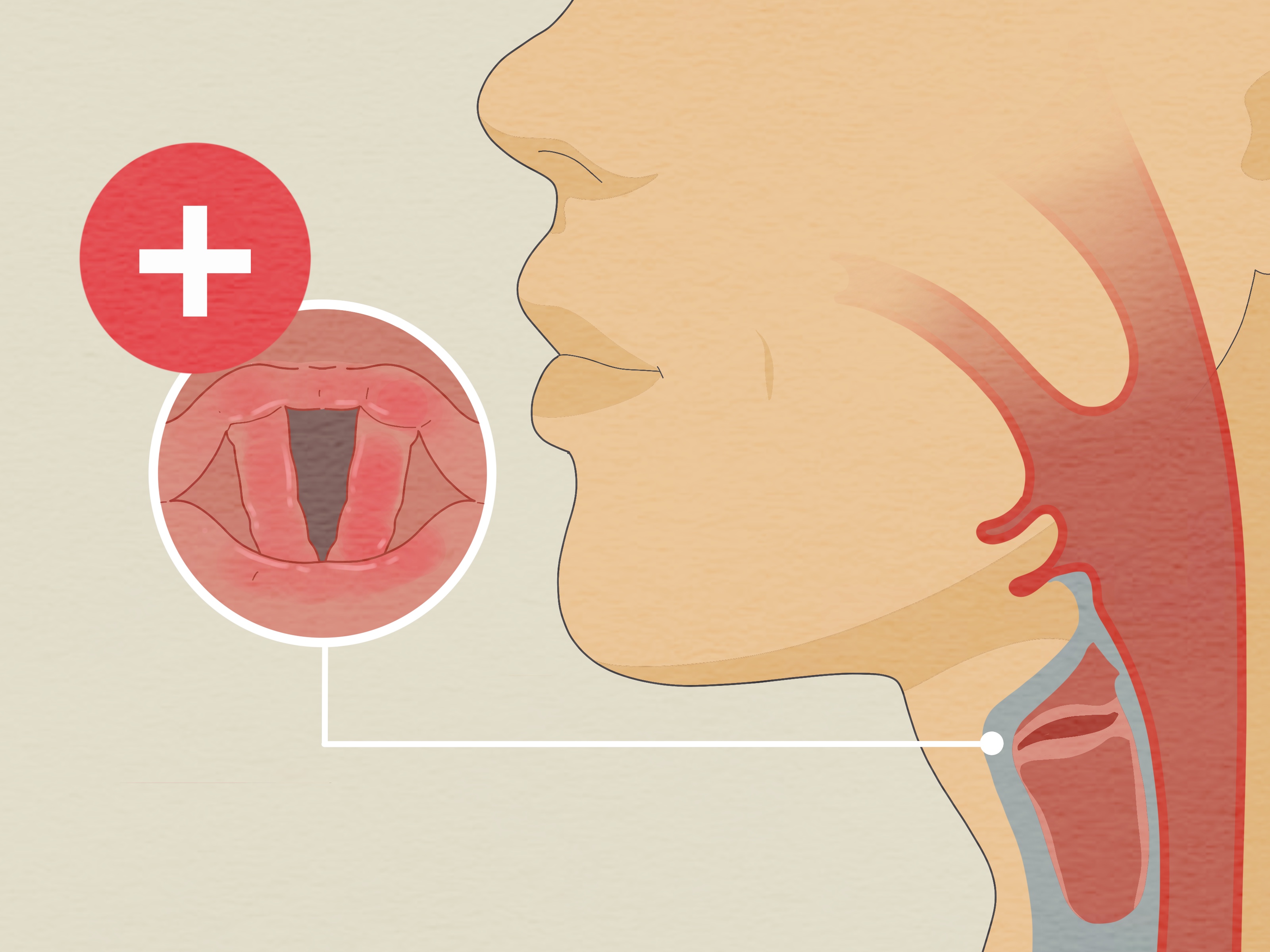
Losing your voice is one of those small health problems that instantly turns you into a mime with opinions. One minute you are talking, singing, teaching, presenting, cheering, parenting, or arguing with your GPS. The next minute your voice sounds like a squeaky door trying to apologize. The good news: in many cases, a lost or hoarse voice is temporary and improves with simple care. The slightly less glamorous news: “fast” does not mean forcing your vocal cords back into action with sheer determination and a gallon of coffee.
Voice loss usually happens when the vocal cords become irritated, swollen, dry, or overworked. This is often called laryngitis, and it may follow a cold, flu, COVID-like respiratory infection, allergies, acid reflux, smoke exposure, or a weekend of enthusiastic karaoke. The fastest way to get your voice back is to give the voice box what it wants: rest, moisture, less irritation, and time to heal.
This guide explains how to get your voice back fast using safe home remedies, practical treatments, and smart habits that support vocal recovery without making things worse.
Why You Lose Your Voice in the First Place
Your voice comes from two small folds of tissue inside the larynx, commonly known as the voice box. When you speak, air from your lungs passes through the vocal cords, making them vibrate. When those cords are healthy, the sound is smooth. When they are inflamed, dry, swollen, or strained, the vibration becomes uneven. That is when your voice turns raspy, weak, breathy, lower than usual, or disappears completely.
Common causes of voice loss
The most common cause is acute laryngitis, often triggered by a viral upper respiratory infection. Colds and flu-like illnesses can inflame the throat and voice box, leaving your voice rough even after your nose has stopped behaving like a leaking faucet.
Another major cause is vocal overuse. Shouting at a concert, coaching a game, teaching all day, speaking loudly in a noisy room, or singing without proper technique can strain the vocal cords. Imagine your vocal cords as tiny athletes. If you make them sprint for hours without warm-up or water, they will file a complaint.
Other possible causes include allergies, postnasal drip, acid reflux, smoking, vaping, alcohol, dry indoor air, certain medications that dry the throat, and exposure to dust or chemicals. Chronic hoarseness can also come from vocal cord nodules, polyps, muscle tension, nerve issues, or other medical conditions that need professional evaluation.
How Fast Can You Really Get Your Voice Back?
Many mild cases of voice loss improve within a few days, especially when caused by overuse or a short viral illness. Acute laryngitis often gets better within one to two weeks. If you are hoping to wake up tomorrow sounding like a radio host again, that may happen with mild strain, but it is not guaranteed.
The goal is not to “hack” your voice back by pushing harder. The goal is to reduce inflammation and protect the vocal cords so healing can happen as quickly as your body allows. The more you talk through hoarseness, the longer recovery may take. In other words, your voice is not being dramatic. It is asking for a sick day.
Best Home Remedies to Get Your Voice Back Fast
1. Rest your voice completely when possible
Voice rest is the most important home remedy for losing your voice. If your vocal cords are swollen or irritated, talking keeps them rubbing together. That can delay healing and make hoarseness worse.
For the first 24 to 48 hours, speak as little as possible. Use text messages, notes, hand gestures, or dramatic eyebrow movements. If you must talk, use a soft, relaxed voice. Keep sentences short. Avoid long phone calls, meetings, speeches, singing, and talking over background noise.
Here is the surprising part: do not whisper. Whispering can put extra strain on the vocal cords because many people tighten their throat to do it. A gentle, quiet voice is usually better than whispering.
2. Drink plenty of water
Hydration keeps the throat and vocal cords moist. Dry vocal cords are more easily irritated, just like dry skin cracks more easily. Water will not instantly “coat” your vocal cords like magic throat paint, but good hydration helps the tissue function better and recover more comfortably.
Aim for steady fluids throughout the day. Warm water, herbal tea, broth, and diluted warm beverages can feel soothing. If your urine is pale yellow and you are not feeling thirsty, you are probably doing well. If you are running on coffee and vibes, your throat may not be thrilled.
3. Use a humidifier or breathe moist air
Dry air can make a hoarse voice worse, especially during winter, in air-conditioned rooms, or in dry climates. A cool-mist humidifier can add moisture to the air and soothe irritated tissues. Keep the humidifier clean, because a dirty humidifier can spread mold or bacteria, which is the opposite of helpful.
You can also breathe steam from a warm shower. Let the bathroom fill with moist air and breathe normally. Avoid putting your face directly over boiling water, because burns are not a charming addition to laryngitis.
4. Try honey in warm tea or warm water
Honey can soothe a scratchy throat and reduce the urge to cough. It creates a comforting coating sensation, which may help you talk less and clear your throat less. Add honey to warm water, caffeine-free tea, or lemon water if lemon does not irritate your throat.
Important safety note: do not give honey to children under 1 year old. For adults and older children, honey is a classic remedy for a reason. It will not rebuild your voice overnight, but it can make the healing process feel less like sandpaper theater.
5. Gargle with warm salt water
Warm salt water can ease throat irritation and help reduce discomfort. Mix about half a teaspoon of salt into a cup of warm water, gargle gently, and spit it out. Do this a few times daily if it feels good.
Saltwater gargles mainly help the throat, not the vocal cords directly, because the gargle does not reach deep into the larynx. Still, reducing throat irritation can decrease coughing and throat clearing, both of which can aggravate voice loss.
6. Use throat lozenges or hard candy
Lozenges and hard candy stimulate saliva, which helps keep the throat moist. Choose soothing options that do not contain harsh menthol if menthol makes your throat feel drier. Sugar-free lozenges can be useful if you are watching sugar intake.
Avoid giving lozenges or hard candy to young children because of choking risk. For adults, they can be a simple way to reduce dryness and the constant urge to cough.
7. Stop clearing your throat
Throat clearing feels satisfying for about two seconds, then it irritates the vocal cords and invites more throat clearing. It is a rude little cycle. Instead, sip water, swallow gently, or try a silent cough. You can also hum very lightly only after your voice starts improving, but during acute voice loss, full rest is usually best.
8. Sleep more than usual
Sleep supports immune function, tissue repair, and inflammation control. If your voice loss came with a cold, sore throat, fever, cough, or fatigue, rest is not optional decoration. It is part of the treatment plan.
Try elevating your head slightly if postnasal drip or reflux is bothering your throat at night. Keep water nearby. Avoid late-night snacks if reflux is a trigger.
What to Avoid When You Lose Your Voice
Avoid smoking, vaping, and secondhand smoke
Smoke irritates the throat and vocal cords. Vaping can also dry and irritate the airway. If you are trying to get your voice back fast, staying around smoke is like trying to dry a towel in a rainstorm. Give your larynx a clean-air vacation.
Avoid alcohol and too much caffeine
Alcohol can irritate and dehydrate the throat. Caffeine may contribute to dryness in some people, especially when it replaces water. You do not necessarily need to panic over one cup of coffee, but this is not the week to run your voice recovery program on espresso shots and optimism.
Avoid yelling, singing, and long conversations
Even if your voice starts coming back, do not celebrate by launching into a power ballad. Ease back gradually. Vocal cords can feel better before they are fully recovered. A sudden burst of loud talking can restart irritation.
Avoid spicy, acidic, or reflux-triggering foods
If you have acid reflux or frequent heartburn, stomach acid can irritate the larynx. Common triggers include spicy foods, fried foods, chocolate, peppermint, tomato sauce, citrus, alcohol, and large late meals. Not everyone reacts the same way, so pay attention to your own pattern.
Medical Treatments That May Help
Over-the-counter pain relievers
If your throat is sore, acetaminophen or ibuprofen may help reduce pain. Follow label directions and avoid medications that are not safe for you because of allergies, stomach problems, kidney disease, liver disease, blood thinners, pregnancy, or other health conditions.
Allergy treatment
If allergies are causing postnasal drip and throat irritation, an antihistamine, saline nasal rinse, or nasal steroid spray may help. However, some antihistamines can dry the throat, which may worsen hoarseness for certain people. If allergies repeatedly steal your voice, ask a healthcare professional about a plan that controls symptoms without drying you out.
Reflux management
Acid reflux can cause chronic hoarseness, throat clearing, coughing, and a lump-in-the-throat feeling. Lifestyle changes may help: avoid late meals, reduce trigger foods, maintain a healthy weight, elevate the head of the bed, and avoid lying down right after eating. Some people need acid-reducing medicine, but long-term use should be guided by a clinician.
Antibiotics only when needed
Most cases of acute laryngitis are viral, and antibiotics do not treat viruses. If a bacterial infection such as strep throat is suspected, a healthcare provider can test for it and prescribe antibiotics if appropriate. Do not take leftover antibiotics or request them “just in case.” Your vocal cords deserve science, not a medicine cabinet treasure hunt.
Steroids are not a casual shortcut
In some situations, a doctor may prescribe corticosteroids to reduce serious vocal cord inflammation, especially for performers or people with urgent professional voice needs. But steroids are not a routine home treatment for hoarseness. They can have side effects and may mask a problem that needs diagnosis.
Voice therapy
If you lose your voice often, a speech-language pathologist can teach healthier voice techniques. Voice therapy can help teachers, singers, speakers, coaches, call-center workers, and anyone who uses their voice heavily. It may also help with muscle tension dysphonia, vocal nodules, and recovery from certain voice disorders.
When to See a Doctor for Voice Loss
Most mild hoarseness improves with home care. However, some symptoms should not be ignored. See a healthcare provider if your hoarseness lasts longer than three weeks, especially if you have not had a cold or flu. You should also seek medical care sooner if you have trouble breathing, trouble swallowing, coughing up blood, severe pain, a lump in the neck, unexplained weight loss, ear pain, or complete voice loss that lasts more than a few days.
Children with breathing trouble, drooling, dehydration, high fever, or difficulty swallowing need prompt medical attention. Adults who smoke or have heavy alcohol exposure should be especially careful with persistent hoarseness because long-lasting voice changes can sometimes signal more serious conditions.
A 48-Hour Voice Recovery Plan
First 12 hours
Stop talking as much as possible. Drink water regularly. Use a humidifier or take a steamy shower. Avoid smoke, alcohol, and loud environments. Cancel nonessential calls. Text like it is suddenly 2010 again.
12 to 24 hours
Continue voice rest. Use honey in warm tea, lozenges, and saltwater gargles for throat comfort. Eat soft, non-irritating foods like soup, oatmeal, applesauce, scrambled eggs, smoothies, and cooked vegetables. Go to bed early.
24 to 48 hours
If your voice is improving, speak only when necessary and keep your voice relaxed. Avoid whispering, yelling, singing, or long conversations. If symptoms are worsening, you have a fever, or swallowing is difficult, consider medical advice.
Foods and Drinks That Support Vocal Recovery
The best foods for voice loss are gentle, moist, and easy to swallow. Warm soups, broths, herbal teas, oatmeal, bananas, yogurt, cooked rice, mashed potatoes, and smoothies can be soothing. Choose foods that do not trigger reflux or make you cough.
Cold foods such as popsicles or ice chips may help numb a painful throat. Warm liquids may feel more comforting for dryness. Neither temperature is magically superior; choose what makes your throat feel calm.
Avoid very spicy foods, acidic juices, crunchy snacks, and dry crackers if they scratch your throat or trigger coughing. If dairy seems to thicken mucus for you, reduce it temporarily, though dairy does not affect everyone the same way.
How to Protect Your Voice After It Comes Back
Once your voice returns, treat it like a recovering athlete. Warm up before heavy use. Drink water before and during long speaking sessions. Use a microphone when speaking to groups. Take voice breaks. Avoid talking over loud music or machinery. Manage allergies and reflux. Do not smoke. If your job requires constant talking, build quiet breaks into your day.
If you sing, teach, coach, preach, perform, or present often, consider professional voice training. Proper technique can reduce strain and prevent repeat episodes. Your voice is an instrument, not a disposable party horn.
Common Myths About Getting Your Voice Back
Myth: Whispering helps your voice rest
Whispering often strains the voice more than gentle speech. Use silence first. If you must speak, use a soft, easy voice.
Myth: Hot toddies cure laryngitis
Warm liquids may soothe, but alcohol can dry and irritate the throat. Skip the whiskey and choose warm tea with honey instead.
Myth: Antibiotics make any sore throat better
Antibiotics only help bacterial infections. Viral laryngitis needs time, rest, hydration, and symptom care.
Myth: If you can talk, you should push through
Pushing through hoarseness can prolong irritation. A temporary quiet period may help you recover faster.
Real-Life Experience: What Voice Recovery Actually Feels Like
Anyone who has lost their voice before knows the experience is strangely humbling. You do not realize how much you talk until your voice quits and walks off the job. Suddenly, ordering coffee becomes a negotiation. Answering the phone feels like an extreme sport. Even saying “I’m fine” comes out sounding like a haunted accordion.
One common experience is the morning surprise. You wake up expecting improvement, open your mouth, and produce a sound that is technically communication but emotionally confusing. This is normal. Vocal swelling can feel worse in the morning because of overnight dryness, mouth breathing, postnasal drip, or reflux. Keeping water nearby, using a humidifier, and avoiding late heavy meals can make mornings less dramatic.
Another familiar moment is the “false recovery.” Your voice returns for a few sentences, so you assume you are healed. Then you talk for twenty minutes, laugh loudly, take a work call, or explain something complicated, and the hoarseness comes roaring back like it paid rent. This happens because the vocal cords may still be irritated even after they begin functioning again. A better approach is to increase voice use slowly. Think of it as easing back into exercise after a sprained ankle.
People who rely on their voice for work often learn this lesson the hard way. Teachers, salespeople, singers, trainers, coaches, podcasters, and customer service workers may feel pressure to keep talking. But silence is not laziness when your voice is injured. It is treatment. Using email, slides, written instructions, microphones, or short recorded messages can protect your voice while you heal.
A helpful personal routine during voice loss is simple: water bottle nearby, humidifier on, warm tea in the morning, quiet communication by text, soft foods, and early sleep. The hardest part is usually not the remedy; it is resisting the urge to test your voice every ten minutes. Repeatedly saying “Is it back yet?” is basically poking the bruise.
It also helps to tell people directly that you are resting your voice. A simple text such as “I’m on voice rest today, so I’ll reply by message” prevents awkward conversations and reduces pressure to talk. Most people understand. The few who do not can enjoy your meaningful silence.
The biggest lesson from real-life voice recovery is this: getting your voice back fast is mostly about doing less, not more. Less talking. Less throat clearing. Less smoke. Less alcohol. Less late-night spicy food. Less heroic pushing through. Add more water, more moisture, more rest, and more patience. It may not feel exciting, but it works better than trying to bully your vocal cords into cooperation.
Conclusion
The fastest safe way to get your voice back is to rest your voice, hydrate consistently, breathe moist air, soothe throat irritation, avoid whispering, and stay away from smoke, alcohol, and other irritants. Most short-term voice loss improves with home remedies and time, especially when it is caused by viral laryngitis or vocal overuse. However, persistent hoarseness, breathing problems, trouble swallowing, coughing blood, severe pain, or voice loss lasting more than a few days deserves medical attention.
Your voice does a lot for you. When it disappears, do not panic and do not force it. Give it the quiet, moisture, and care it needs. With the right approach, your vocal cords can usually return from their tiny vacation ready to work again.
Note: This article is for general educational purposes only and does not replace professional medical advice. Anyone with severe, recurring, or persistent voice loss should consult a qualified healthcare provider.