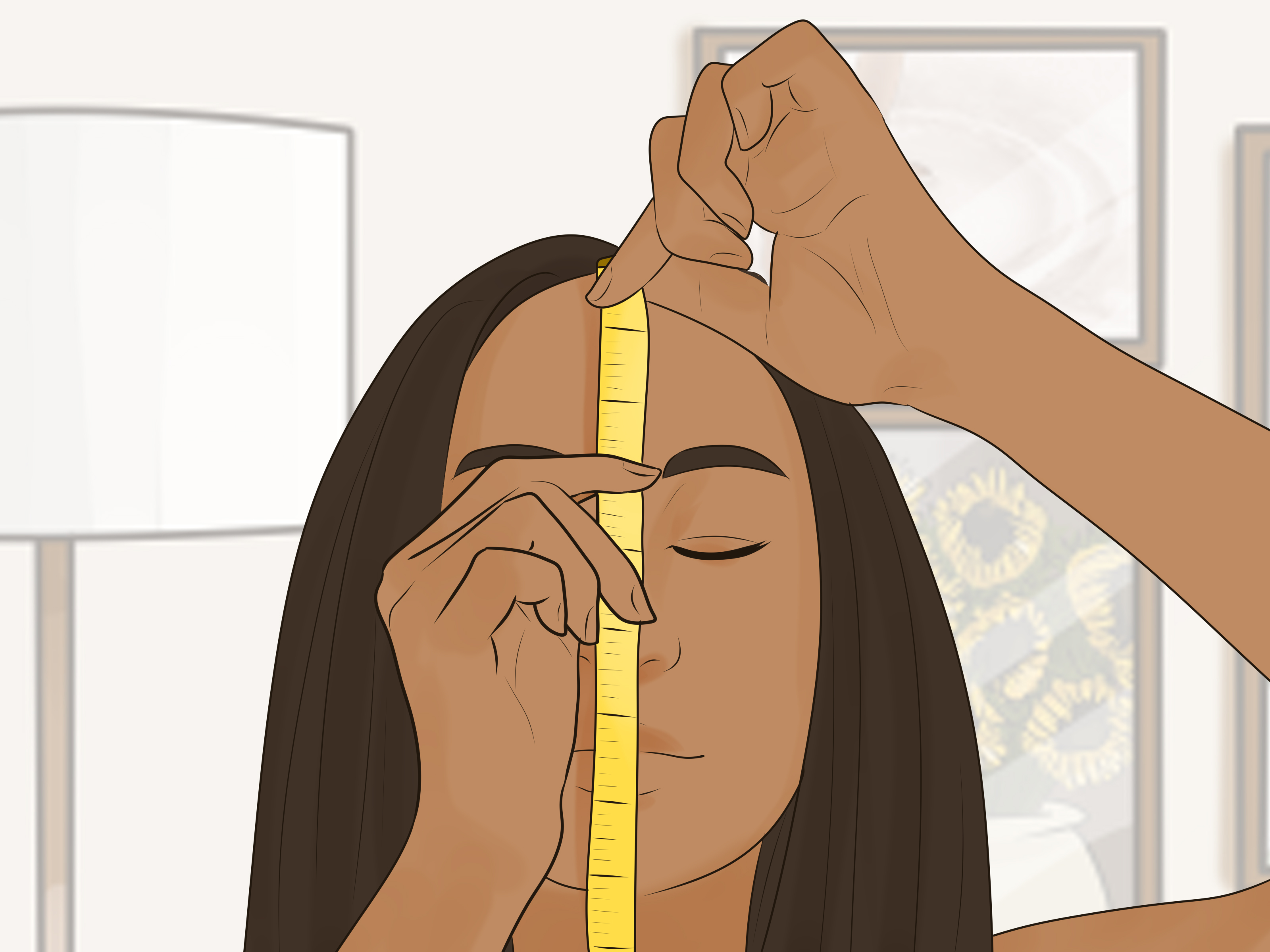
A high forehead is not a medical defect, and plenty of famously photogenic people have one. Still, facial proportions are personal. If your forehead seems to arrive in the room several seconds before the rest of your face, you may be curious about ways to make it look smaller.
The important distinction is between changing the appearance of your forehead and physically reducing its height. Hairstyles, makeup, eyebrow shaping, and healthier hairline habits can create a noticeable visual difference without surgery. However, they cannot shrink the skull, remove forehead skin, or permanently move a naturally high hairline.
Permanent options include forehead reduction surgery, also called hairline-lowering or scalp-advancement surgery, and hair transplantation. Each procedure changes the hairline differently and comes with costs, recovery time, scarring, and medical risks that deserve more consideration than a thirty-second transformation video.
This guide explains realistic natural methods, medical treatments for a receding hairline, surgical choices, potential complications, and practical experiences that can help you make a well-informed decision.
Medical note: This article provides general educational information and is not a substitute for an examination by a dermatologist, plastic surgeon, facial plastic surgeon, or other qualified healthcare professional.
Can You Actually Make Your Forehead Smaller Naturally?
Natural methods can make a forehead look shorter, softer, or more balanced. They cannot permanently reduce the distance between your eyebrows and hairline when that distance is determined by genetics, skull structure, or the natural position of your scalp.
Facial exercises, forehead massage, oils, supplements, and “bone-sculpting” gadgets do not move an adult hairline forward or shorten the frontal bone. Massage may feel relaxing, and good scalp care can support healthy hair, but neither one removes an inch of forehead. If a product promises to rearrange your facial skeleton while you sleep, your wallet is probably the only thing getting smaller.
The exception is when your forehead appears larger because of hair loss. Treating an underlying scalp condition may preserve existing hair or encourage limited regrowth, depending on the cause. That requires a diagnosis rather than a mystery serum with a dramatic label.
Non-Surgical Ways to Make a Forehead Look Smaller
1. Choose a Hairstyle That Breaks Up Forehead Height
Bangs are the classic solution because they physically cover part of the forehead. Curtain bangs, wispy fringe, side-swept bangs, bottleneck bangs, and textured curls around the temples can all shorten the visible space between the brows and hairline.
The best style depends on your hair density, curl pattern, face shape, and willingness to perform morning maintenance. A thick, blunt fringe creates the strongest visual reduction but may require frequent trimming. Curtain bangs are more forgiving and can be blended into longer layers when you decide that daily fringe styling has become an unpaid internship.
A deep side part can also reduce the appearance of forehead width and height. Adding volume near the sides of the face rather than directly on top helps balance proportions. Extremely high crowns, slicked-back ponytails, and tight buns usually expose more forehead and may make it appear longer.
2. Avoid Hairstyles That Pull on the Hairline
Repeated tension from tight braids, extensions, ponytails, buns, or tightly secured wigs can contribute to traction alopecia. Early traction-related hair loss may improve when tension is removed, but long-standing damage can scar follicles and become permanent.
Rotate hairstyles, loosen the edges, avoid attaching heavy extensions to delicate frontal hair, and take pain or scalp tenderness seriously. A hairstyle should not produce headaches, bumps, broken hairs, or a sensation that your eyebrows are being pulled toward the ceiling.
3. Use Hair Fibers or Hairline Powder
Root powders, matte eye shadows, and keratin hair fibers can temporarily soften a sparse or uneven hairline. Select a shade close to the roots, not necessarily the ends, and apply a small amount with a narrow brush. Concentrate on the temples and irregular gaps rather than drawing a perfectly straight line across the forehead.
The effect should imitate natural density. A hairline with tiny variations looks more convincing than one shaped like it was created with a ruler during a geometry exam.
4. Contour Near the Hairline
Makeup can create an optical shadow that makes the forehead appear shorter. Apply a matte contour product along the upper forehead and blend it into the hairline. Keep the center subtle and add slightly more depth near the temples if the forehead is also wide.
Avoid glittery bronzer, harsh stripes, or a shade that is dramatically darker than your skin. Natural light is an unforgiving editor. Blend carefully and check the result from several angles before leaving home.
5. Adjust Eyebrow Shape Carefully
Slightly fuller, well-defined eyebrows can visually anchor the lower edge of the forehead. A softly lifted arch may make the upper face look more balanced, while overly thin brows can increase the amount of open space above the eyes.
Do not dramatically raise the brows with makeup in an attempt to shorten the forehead. Raising them can create the opposite effect by increasing the visible distance between the brows and hairline.
6. Use Accessories Strategically
Headbands, scarves, hats, and face-framing glasses can redirect attention and interrupt the vertical length of the upper face. These solutions are immediate, reversible, and significantly less likely to require antibiotics.
When a Larger Forehead Is Caused by Hair Loss
A naturally high hairline usually remains relatively stable. A receding hairline changes over time. You may notice thinning at the temples, a widening part, short broken hairs around the edges, scalp itching, redness, scaling, or a smooth band where hair once grew.
Common causes include androgenetic alopecia, traction alopecia, frontal fibrosing alopecia, hormonal changes, medication effects, nutritional deficiencies, autoimmune conditions, and temporary shedding after illness, surgery, childbirth, or severe stress.
See a board-certified dermatologist when hair loss is sudden, patchy, painful, itchy, inflamed, or steadily progressing. Early diagnosis matters because some inflammatory or scarring forms of alopecia can permanently destroy follicles.
Can Minoxidil Lower the Hairline?
Topical minoxidil can slow certain types of hereditary hair loss and stimulate growth in some people. It is not a universal hairline-lowering treatment, and it generally cannot create dense new follicles across naturally hairless forehead skin.
Results vary, continued use is usually necessary to maintain benefits, and scalp irritation or unwanted facial hair growth can occur. Oral minoxidil is sometimes prescribed off-label, but it has systemic risks and should not be taken without medical supervision.
Other treatments may include prescription medication, anti-inflammatory therapy, platelet-rich plasma injections, low-level light devices, or changes to hair-care practices. The correct option depends entirely on why the hairline is changing.
Be Cautious with Supplements
Biotin gummies and “hair vitamins” do not automatically restore a receding hairline. Supplements are most useful when testing identifies an actual deficiency. Taking excessive amounts can cause side effects or interfere with laboratory results. More capsules do not equal more follicles.
Surgical Options for a Permanently Smaller Forehead
Forehead Reduction or Hairline-Lowering Surgery
Forehead reduction surgery physically shortens the visible forehead by moving the scalp and hairline forward. The surgeon typically makes an incision along the existing hairline, releases the scalp tissues, advances the hair-bearing scalp, removes a measured strip of forehead skin, and closes the incision.
The achievable reduction depends on scalp flexibility, tissue tension, hair density, previous surgery, and individual anatomy. The goal is not to pull the scalp as far as mechanically possible. Excessive tension may widen the scar, affect healing, or damage nearby follicles.
Good candidates generally have a stable hairline, adequate scalp laxity, healthy frontal hair density, realistic expectations, and no condition that significantly increases the likelihood of future recession. People with progressive pattern hair loss may eventually expose the incision as the hairline moves backward.
Hair Transplantation
A hair transplant lowers or reshapes the hairline by moving follicles from a donor area, usually the back or sides of the scalp, into carefully designed recipient sites near the forehead. The two common harvesting approaches are follicular unit extraction and follicular unit transplantation.
Transplantation can be useful for filling temporal corners, softening an M-shaped hairline, disguising a forehead-reduction scar, or creating a lower hairline without removing forehead skin. It is especially valuable when the main issue is thinning or recession rather than scalp position.
Results are gradual. Transplanted hairs often shed before beginning a new growth cycle, and visible improvement develops over several months. Final density may take a year or longer to evaluate, and some people need more than one session.
Combining Forehead Reduction and Hair Transplantation
Some patients benefit from a staged or combined approach. Scalp advancement produces the larger immediate change, while transplantation can soften the front edge, fill the temples, or conceal portions of the incision.
Combining procedures is not automatically better. It can increase expense, treatment time, and the number of variables affecting healing. A surgeon should explain why both procedures are recommended rather than presenting extra treatment as a deluxe package upgrade.
Forehead Contouring and Facial Feminization Procedures
Forehead contouring changes the shape or projection of the frontal bone. It is different from lowering the hairline, although the procedures may be performed together during facial feminization surgery.
Bone contouring may soften a prominent brow ridge or reshape the upper face, but it does not necessarily shorten the distance between the eyebrows and hairline. This is more extensive surgery and requires a specialist experienced in craniofacial anatomy.
Is a Brow Lift the Same Thing?
No. A brow lift raises drooping eyebrows and smooths portions of the forehead. Depending on the technique, it may raise the hairline and make the forehead appear taller. Anyone concerned about forehead height should discuss incision placement and potential hairline changes before considering a brow lift.
Risks of Forehead Reduction and Hair Transplant Surgery
Forehead reduction is real surgery, not a long haircut appointment. Potential complications include bleeding, infection, fluid collection, poor wound healing, widened or raised scarring, temporary shedding near the incision, permanent hair loss, asymmetry, persistent pain, numbness, altered scalp sensation, and the need for revision surgery.
Hair transplantation can cause bleeding, infection, swelling, scarring, temporary “shock loss,” poor graft survival, patchy density, unnatural growth direction, or an overly straight hairline. Future hair loss behind the transplanted area may also create an uneven appearance unless long-term planning is included.
Smoking, uncontrolled medical conditions, certain medications, a history of thick scars, and active scalp disease may increase risk. Share your full health history, including supplements and nicotine use, instead of giving your surgeon the edited-for-social-media version.
What Recovery May Involve
Recovery varies by procedure and individual healing. After hairline advancement, patients commonly experience swelling, bruising, tightness, tenderness, itching, or numbness. Swelling may temporarily move toward the eyelids and upper face.
Your surgeon may recommend sleeping with your head elevated, limiting strenuous activity, caring for the incision gently, and avoiding hair dye or harsh products until the scalp heals. Sutures or staples are usually removed during a follow-up visit when appropriate.
The incision may look pink or firm before gradually fading. Small hairs can eventually grow through or near the scar, helping camouflage it, but no ethical surgeon can promise an invisible incision.
Contact the surgical team promptly for worsening pain, fever, pus-like drainage, unusual bleeding, rapidly increasing swelling, skin discoloration, shortness of breath, or any symptom identified in your postoperative instructions.
How to Choose a Qualified Surgeon
Look for a surgeon with appropriate board certification, extensive experience in hairline procedures, privileges at an accredited facility, and a portfolio that includes patients with anatomy and hair characteristics similar to yours.
Ask how often the surgeon performs forehead reduction, how the hairline will be designed, where the incision will sit, how much advancement is realistic, and what happens if the scar widens or hair loss develops later.
Questions to Ask During a Consultation
- Is my forehead naturally high, or is my hairline receding?
- Do I have enough scalp laxity for safe advancement?
- How might future hair loss affect the result?
- Would a transplant be more appropriate than skin removal?
- Where will the scar be located, and how do you manage visible scars?
- What complications have occurred in your own patients?
- What does the complete price include?
- Who provides anesthesia, and where is the procedure performed?
- How many follow-up appointments are included?
- What is the plan if I am dissatisfied or need revision surgery?
Seek more than one opinion before committing. A trustworthy surgeon may recommend doing less, treating hair loss first, or avoiding surgery altogether.
How to Decide Between Natural and Surgical Options
Start with the least invasive solution that addresses the actual problem. A new haircut may be enough when the concern is mild or changes from day to day. A dermatologist is the logical first stop when the hairline is actively receding. Surgery is more appropriate when the forehead has always been high, the hairline is stable, and the concern remains significant despite non-surgical strategies.
Consider how you feel when you are not looking in a mirror or at a front-facing camera. If thoughts about your forehead consume hours, cause social avoidance, or lead to repeated cosmetic procedures without lasting satisfaction, speaking with a mental health professional can be valuable. This does not mean the concern is imaginary. It means emotional well-being deserves the same careful attention as physical appearance.
Experiences Related to Making a Forehead Look Smaller
The following scenarios are illustrative composites based on commonly reported decision-making patterns. They are not direct patient testimonials and should not be interpreted as predictions of individual results.
The Styling-First Experience
One common experience begins with someone who has had a high forehead since childhood but only becomes self-conscious after seeing photographs from a new angle. The first reaction is often to search for the fastest permanent treatment. Instead, the person visits a stylist who specializes in face-framing cuts.
Curtain bangs and shorter pieces near the temples immediately change the apparent proportions of the face. A root powder fills two naturally sparse corners, while a softer eyebrow shape brings more visual weight toward the eyes. The forehead has not physically changed, but it no longer dominates every photograph.
The tradeoff is maintenance. Bangs become oily faster than the rest of the hair, humidity encourages them to develop independent political opinions, and trims are needed every few weeks. Even so, this person decides that an occasional argument with a blow-dryer is preferable to surgery.
The Hair-Loss Diagnosis Experience
Another person believes their forehead has always been large, but old photographs reveal that the temples were fuller several years earlier. They have also worn tight ponytails and heavy extensions regularly. A dermatologist finds broken hairs and early traction-related thinning along the frontal hairline.
The treatment plan focuses on removing tension, using gentler styles, controlling scalp inflammation, and discussing evidence-based hair-loss treatment. Improvement is slow and incomplete, but the hairline stops worsening. The experience demonstrates why diagnosis should come before cosmetic surgery. Advancing a scalp affected by active hair loss would not solve the underlying problem and could create a visible scar if recession continued.
This person also learns that progress photographs are more useful than checking the mirror twelve times a day. Hair growth is measured in months, not during the commercial break of a television show.
The Forehead-Reduction Consultation Experience
A third person has a naturally high, stable hairline, thick frontal hair, and no sign of progressive thinning. Hairstyles help, but the individual dislikes depending on bangs and wants a permanent change. Two surgical consultations produce different recommendations.
The first clinic promises a dramatic reduction after a brief examination. The second surgeon measures scalp mobility, evaluates the direction of hair growth, explains that the incision will never be literally scar-free, and recommends a more conservative advancement. Although the second plan sounds less exciting, it feels more credible.
After surgery, the first week includes swelling, tightness, sleeping upright, and a temporary hairstyle that can best be described as “recovering Victorian poet.” Numbness lasts longer than expected, and the scar initially appears pink. Over the following months, swelling resolves, sensation gradually improves, and fine hairs help soften the incision.
The final result is meaningful but not digitally perfect. The forehead is shorter, yet facial asymmetry and normal hairline irregularities still exist. The person is satisfied largely because the consultation established realistic expectations rather than promising a filtered face.
The Hair-Transplant Experience
Someone with a stable M-shaped hairline may prefer transplantation because the temporal corners, rather than the center of the forehead, create the unwanted shape. The procedure places individual grafts at varied angles to form an irregular, natural-looking edge.
The early experience can be emotionally confusing. Tiny scabs form, transplanted hairs shed, and the hairline temporarily looks much like it did before treatment. New growth appears gradually, with texture and density improving over many months. Patience becomes part of the procedure.
The person later realizes that the best result was not the lowest possible hairline. It was a design that matched the face, preserved donor hair for the future, and would still look believable with age.
Final Thoughts
The safest way to make your forehead look smaller is to begin with reversible options: bangs, side parts, face-framing layers, subtle contour, hairline powder, and looser hairstyles. These methods change visual proportions without medical risk.
When the forehead appears larger because the hairline is receding, consult a dermatologist before trying cosmetic procedures. Hair-loss treatment may preserve follicles, but no oil, exercise, or supplement can reliably move a naturally high hairline onto previously hairless skin.
Forehead reduction surgery provides the most immediate physical shortening, while hair transplantation offers gradual reshaping without removing forehead skin. Both require realistic expectations, an experienced surgeon, and acceptance of possible scarring, numbness, hair loss, or revision.
Facial harmony is not a mathematical contest, and a smaller forehead is not automatically a better one. The best choice is the option that fits your anatomy, health, budget, tolerance for maintenance, and personal goalsnot whichever transformation currently has the loudest soundtrack online.
Editorial note: Medical techniques, candidacy requirements, and recovery recommendations vary. Readers considering medication or surgery should receive individualized advice from qualified healthcare professionals.