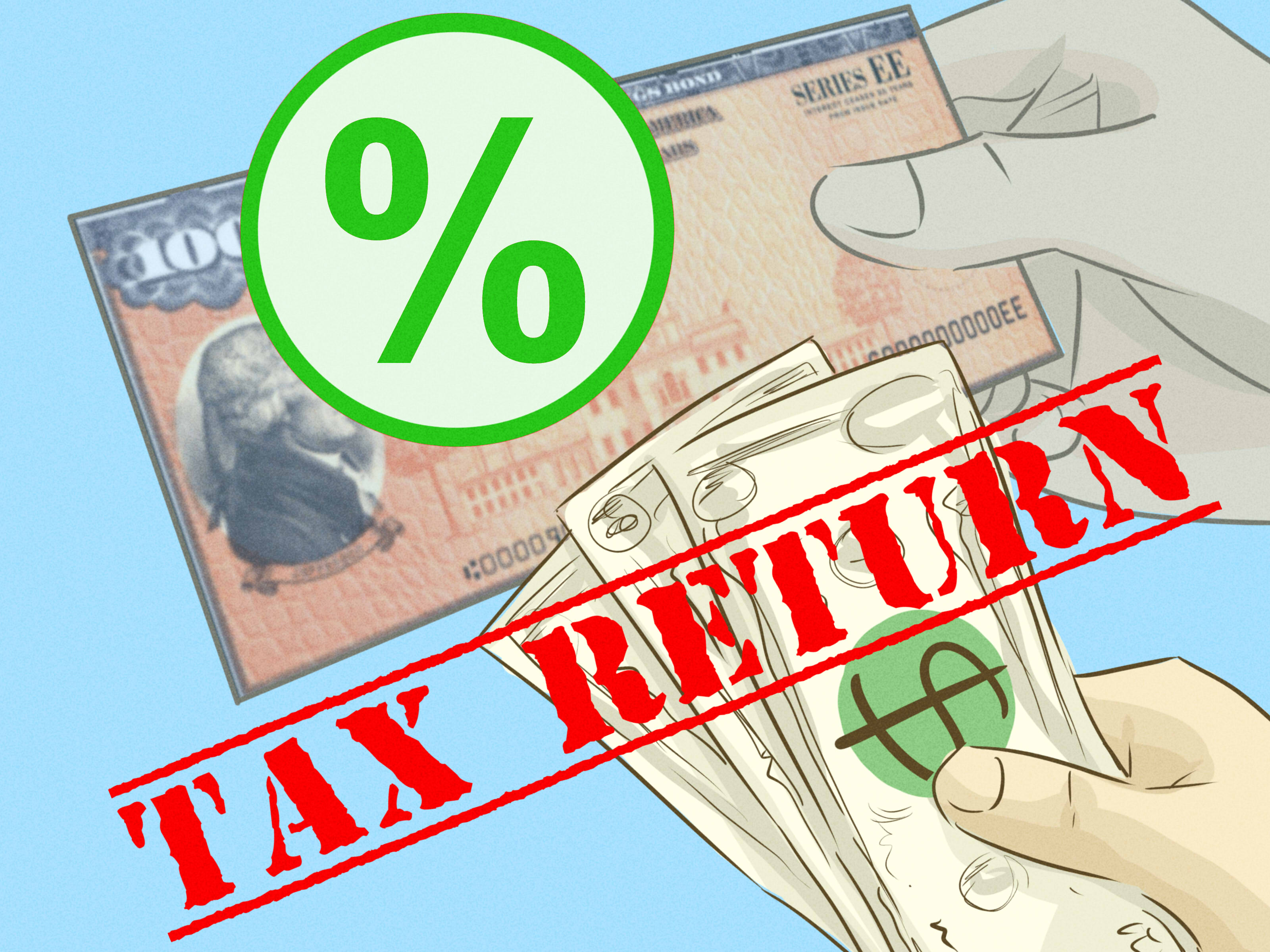
Redeeming savings bonds sounds like one of those financial chores that belongs in a dusty filing cabinet next to expired coupons, mystery keys, and the instruction manual for a VCR. But the process is actually manageable once you know what kind of bond you have, where it lives, and whether it is ready to cash.
U.S. savings bonds are low-risk securities issued by the U.S. Department of the Treasury. When you buy one, you are lending money to the federal government, and in return, the bond earns interest over time. Series EE and Series I savings bonds can earn interest for up to 30 years unless you redeem them earlier. The trick is knowing when “earlier” makes sense, because cashing too soon can cost you interest.
This guide explains how to redeem savings bonds in nine practical steps, including electronic bonds in TreasuryDirect, old paper bonds, bank redemption, mail-in redemption, taxes, early redemption penalties, and real-world tips that can save you from turning a simple task into a paperwork scavenger hunt.
Before You Redeem: Know What Kind of Savings Bond You Have
Before you do anything dramatic, like marching into a bank with a stack of bonds and the confidence of a game-show contestant, identify your bond type. Most people redeem one of these:
- Series EE bonds: Fixed-rate savings bonds. New EE bonds are electronic only, but older paper EE bonds still exist.
- Series I bonds: Inflation-linked savings bonds with a fixed rate plus an inflation-adjusted rate.
- Paper bonds: Older physical bonds, often found in folders, safes, drawers, or envelopes labeled “important,” which somehow makes them harder to find.
- HH or historical bonds: Older bond types with different rules. Some must be handled directly through Treasury processes.
For most readers, redeeming savings bonds means cashing Series EE or Series I bonds. The process depends on whether the bond is electronic or paper.
How to Redeem Savings Bonds: 9 Steps
Step 1: Confirm That the Bond Is Eligible to Redeem
You generally cannot redeem Series EE or Series I savings bonds until they are at least 12 months old. That one-year holding period is strict, so if your bond is only 11 months old, it is not “almost redeemable” in the eyes of the Treasury. It is simply not ready yet.
There is also a five-year rule. If you redeem an EE or I bond before it is five years old, you lose the last three months of interest. For example, if you cash an I bond after 18 months, you receive the first 15 months of interest. That penalty is not a disaster, but it should be part of your decision.
Once a bond reaches final maturity, it stops earning interest. EE and I bonds generally earn interest for up to 30 years. If your bond has already stopped earning interest, redeeming it sooner rather than later may make sense. A bond that no longer earns interest is basically a financial houseplant that does not grow.
Step 2: Find the Current Value of the Bond
Never redeem a savings bond without checking its value first. The redemption value is not always printed on the bond, especially for older paper bonds. For paper EE or I bonds, use the Savings Bond Calculator on TreasuryDirect. You will usually need the bond series, denomination, serial number, and issue date.
For electronic savings bonds, log in to your TreasuryDirect account and check your current holdings. TreasuryDirect shows the value of your electronic bonds inside your account. This is much easier than trying to decode paper bonds at the kitchen table while muttering, “What does this tiny print even mean?”
When checking value, pay attention to three things: the current redemption value, whether the bond is still earning interest, and whether redeeming now triggers the three-month interest penalty. Sometimes the best move is to wait a few months. Sometimes the best move is to cash it and put the money somewhere more useful.
Step 3: Decide Whether to Redeem Now or Wait
Redeeming savings bonds is not just a paperwork decision. It is a financial timing decision. Ask yourself why you want the money now. Are you paying off high-interest debt? Building an emergency fund? Covering school costs? Moving cash into a better-yielding account? Finally buying a dishwasher that does not sound like a helicopter?
If the bond is less than five years old, compare the value of three months of lost interest with your need for cash. If the bond is close to the five-year mark, waiting may be smart. If it has already matured and stopped earning interest, there is usually little reason to keep it untouched except nostalgia, and nostalgia pays exactly zero percent.
Also consider taxes. Savings bond interest is subject to federal income tax, though it is generally exempt from state and local income tax. Some taxpayers may qualify to exclude interest when bonds are used for qualified higher education expenses, but restrictions apply. If the amount is large, talk with a qualified tax professional before redeeming.
Step 4: Redeem Electronic Savings Bonds Through TreasuryDirect
If your savings bond is electronic, the redemption process happens online through TreasuryDirect. Log in to your account, go to ManageDirect, and choose the option to redeem securities. Select the bond or bonds you want to cash and follow the prompts.
Electronic bonds can usually be redeemed in whole or in part. The minimum redemption amount is $25. If you redeem only part of a bond, at least $25 must remain in your TreasuryDirect account. You receive interest only on the portion you redeem.
The money is sent by direct deposit to the bank account linked to your TreasuryDirect account. Before clicking the final confirmation, check your bank details carefully. Sending money to the wrong account is not a fun plot twist.
Step 5: Redeem Paper Savings Bonds at a Bank or Credit Union
If you have paper savings bonds, start by contacting your bank or credit union. Do not assume every branch cashes savings bonds, and do not assume they will cash unlimited amounts. Banks vary in whether they redeem paper bonds, how much they will redeem at one time, and what identification they require.
If your bank will cash the bond, bring the physical bond and government-issued identification. Some banks may only cash bonds for established customers. Others may limit the number or value of bonds processed in one visit. Calling first can save you from standing at a teller window while everyone politely discovers that nobody there has handled a paper savings bond since the last flip phone era.
Paper savings bonds must be redeemed in full. You cannot cash half of a paper bond and save the other half for later. Once you cash a paper bond, that bond is done.
Step 6: Use FS Form 1522 If You Redeem Paper Bonds by Mail
If your bank will not redeem your paper bonds, or if you prefer to deal directly with the Treasury, you can use FS Form 1522, officially called the Special Form of Request for Payment of United States Savings and Retirement Securities Where Use of a Detached Request Is Authorized.
That form name is long enough to need its own coffee break, but the purpose is simple: it lets you request payment for eligible paper savings bonds. Fill out the form, include the required bond information, provide direct deposit details, and mail the form with the physical bonds to the address listed on the form.
Important: if the value of the bonds you are redeeming is more than $1,000, your signature generally must be certified. Follow the form instructions carefully. Do not sign too early if a certifying official must witness your signature. This is one of those moments where “I already signed it at home” can create extra work.
Step 7: Handle Special Situations Carefully
Savings bonds can become complicated when the owner has died, the bond is in a child’s name, the bond is damaged, the name has changed, or the person trying to redeem it is not listed as owner or co-owner.
In general, you can only redeem bonds you own, co-own, or have legal authority to cash. If you are handling bonds from an estate, you may need death certificates, court documents, proof of authority, or specific Treasury forms. If a child owns the bond, a parent or person providing support may need to follow special procedures.
Do not buy paper savings bonds from strangers, online marketplaces, or auction sites expecting to redeem them. Savings bonds are registered securities, not collectible baseball cards. If you are not the owner or legally entitled person, you generally cannot cash them.
Step 8: Plan for Taxes and Form 1099-INT
When you redeem savings bonds, the interest is generally taxable on your federal income tax return. Savings bond interest is usually not subject to state or local income tax, which is one of the nicer features of these bonds.
If you redeem electronic bonds through TreasuryDirect, your Form 1099-INT is usually available in your TreasuryDirect account in January of the following year. If a bank redeems your paper bond, the bank is responsible for issuing the 1099-INT. If the Treasury redeems your paper bond by mail, the Treasury sends the form.
Some people report savings bond interest every year, but many defer the interest and report it when the bond is redeemed, reaches final maturity, or is otherwise disposed of. If you previously reported interest annually, keep records so you do not accidentally pay tax twice on the same interest. The IRS is many things, but it is not known for saying, “No worries, we figured you meant well.”
Step 9: Keep Records After Redemption
After redeeming savings bonds, save your confirmation, bank receipt, copies of forms, and tax documents. For paper bonds redeemed by mail, keep copies of the completed form and a list of bond serial numbers before mailing anything. Consider using trackable mail because paper bonds are valuable documents.
For electronic bonds, download or print your redemption confirmation from TreasuryDirect. For paper bonds cashed at a bank, keep the receipt and watch for Form 1099-INT. If you redeem a large amount, consider keeping a simple spreadsheet with issue dates, redemption dates, values, and tax forms received.
Good records are boring until they save you three hours, four phone calls, and a tax-season headache. Then they become heroic.
Common Mistakes to Avoid When Redeeming Savings Bonds
Cashing Too Early Without Checking the Penalty
Redeeming before five years means losing the last three months of interest. That may be acceptable, but it should never be a surprise.
Assuming Every Bank Redeems Paper Bonds
Many banks have changed their savings bond policies. Some redeem only for existing customers, some impose limits, and some do not redeem bonds at all. Call before visiting.
Forgetting About Taxes
The money you receive includes your original investment plus interest. The interest portion is generally federally taxable. Do not spend every dollar before remembering that the IRS would like to be invited to the party.
Mailing Paper Bonds Without Copies
Before mailing physical bonds, record serial numbers, make copies for your files, and use a secure mailing method. If something goes missing, documentation matters.
Trying to Redeem a Bond You Do Not Own
Being in possession of a paper bond is not the same as being legally entitled to cash it. Ownership names and legal authority control the redemption process.
When Should You Redeem Savings Bonds?
The best time to redeem savings bonds depends on your financial goals. Redeeming can make sense when the bond has stopped earning interest, when you need cash for a high-priority expense, when you are consolidating old paper bonds, or when the bond’s return no longer fits your overall plan.
Waiting can make sense if the bond is close to crossing the five-year mark, if it is still earning a competitive rate, or if redeeming would create an inconvenient tax bill. Series I bonds, in particular, may be worth reviewing against current inflation rates and your other safe-cash options.
A simple rule: redeem with a reason. “I found this bond and got excited” is understandable, but not always a complete financial strategy.
Real-World Experiences: What Redeeming Savings Bonds Is Actually Like
In real life, redeeming savings bonds is rarely dramatic. Nobody rings a bell. A marching band does not appear. But the experience can vary a lot depending on whether your bonds are electronic, paper, old, inherited, or trapped in a family folder that has survived three moves and one basement flood.
For electronic bonds, the experience is usually straightforward once you are comfortable with TreasuryDirect. Many people describe it as less like online banking and more like using a government website that believes buttons should be taken seriously. The key is patience. Log in, read each screen carefully, and do not rush the confirmation page. The redemption itself may take only a few minutes, but setting up access, remembering passwords, and confirming bank information can take longer.
Paper bonds are more personal and sometimes more awkward. A common experience goes like this: someone finds old bonds gifted by grandparents, checks the value online, and then calls their bank. The bank says, “Maybe,” which is not the thrilling financial clarity anyone hoped for. One branch may know the process; another may not. A teller may need a supervisor. A supervisor may need a binder. The binder may look as if it has seen things.
The best move is to call ahead and ask specific questions. Say: “I have paper Series EE savings bonds in my name. Do you redeem them for customers? Is there a dollar limit? What identification should I bring?” Those three questions can turn a confusing errand into a normal appointment.
Another real-world lesson: check maturity before cashing. Many people redeem bonds because they found them, not because the timing is ideal. If a bond is still earning interest and you do not need the cash, waiting may be smarter. On the other hand, if the bond reached final maturity years ago, redeeming it may feel like discovering money that was sitting on the bench waiting to be put into the game.
Tax surprises are also common. People often focus on the total redemption amount and forget that part of the money is interest. If a stack of old bonds has decades of accumulated interest, the 1099-INT can be larger than expected. That is not a reason to avoid redeeming, but it is a reason to plan. Set aside money for federal tax if needed.
Inherited bonds can be the most emotional and the most paperwork-heavy. They often arrive with memories attached: a grandparent’s handwriting, a parent’s filing habits, or a childhood gift that quietly grew while everyone forgot about it. The process may require proof of death, estate documents, or Treasury forms, so it is best to move slowly and keep copies of everything.
The most satisfying part of redeeming savings bonds is turning a forgotten document into useful money. Maybe it funds tuition, pays down debt, covers a repair, or becomes part of an emergency fund. Savings bonds are not flashy. They do not brag. They simply sit there, earn interest, and wait for you to remember they exist. Honestly, that is more reliable than most things in the junk drawer.
Conclusion
Redeeming savings bonds is simple when you break it into steps: identify the bond, check eligibility, calculate value, choose the right redemption method, handle paperwork carefully, and prepare for taxes. Electronic bonds are redeemed through TreasuryDirect, while paper bonds may be cashed at participating banks or mailed to the Treasury with FS Form 1522.
The biggest things to remember are the one-year minimum holding period, the three-month interest penalty before five years, the difference between paper and electronic redemption, and the tax reporting that follows. Once those pieces are clear, the process becomes much less mysterious. Your savings bond may not be glamorous, but when redeemed correctly, it can be a tidy little financial win.
Note: This article is for general educational purposes only. Savings bond rules, bank policies, tax treatment, and Treasury processing times can change, so readers should verify details with TreasuryDirect, their financial institution, or a qualified tax professional before redeeming bonds.