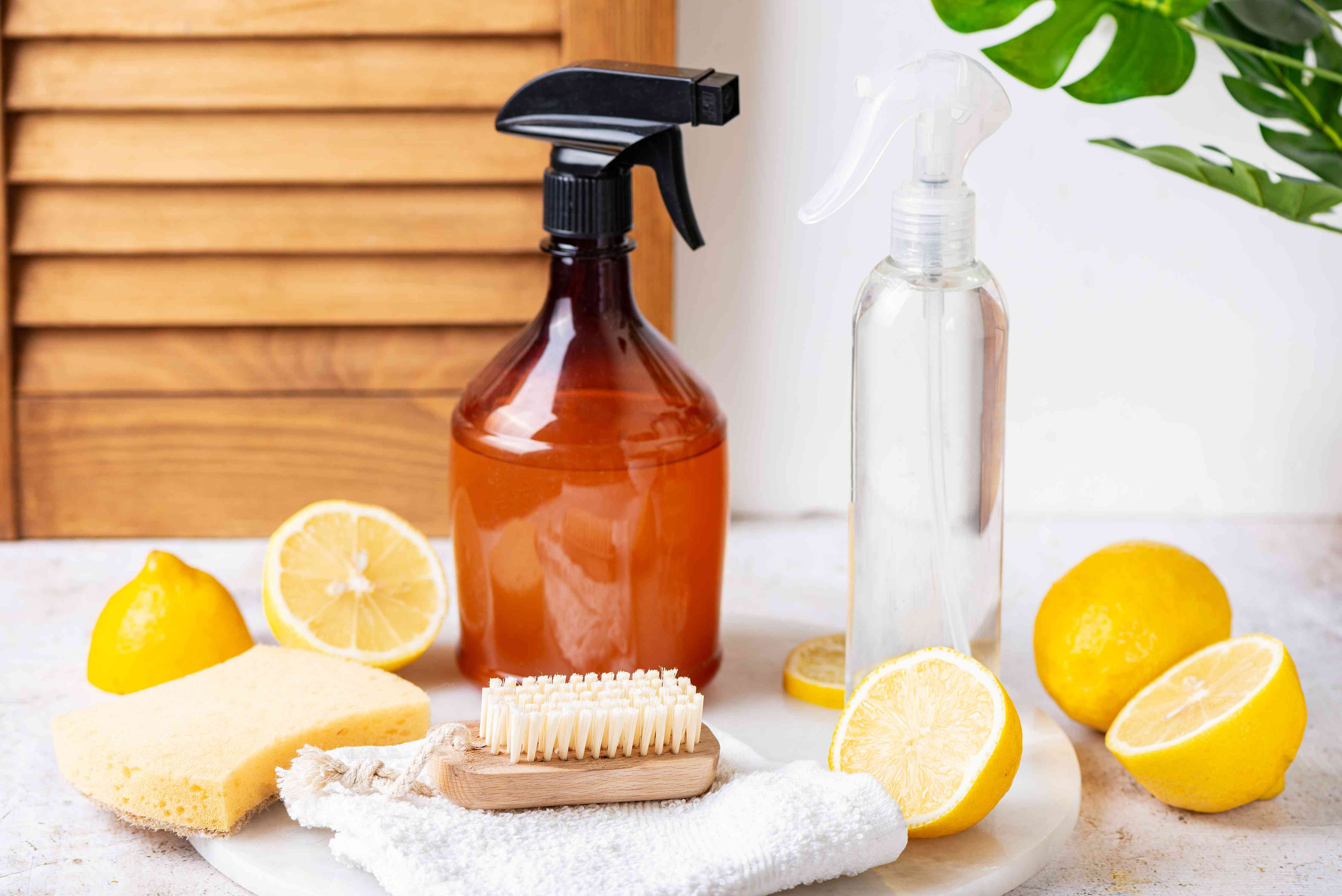
Citric acid is the quiet overachiever of the cleaning world: it’s the stuff that makes lemons taste
like lemons, and it also happens to be fantastic at breaking down mineral buildup (hello, chalky
faucet crust) and boosting shine without turning your home into a vinegar-scented regret.
Used correctly, a citric acid cleaner can help you tackle limescale, soap scum, and hard water stains
with less elbow grease and fewer harsh fumes.
But “natural” doesn’t automatically mean “toss it around like confetti.” Citric acid is still an acid.
It can irritate eyes, bother lungs if you inhale dust, and it can damage certain surfaces if you treat it
like a universal miracle powder. This guide walks you through how to clean with citric acid safely and
efficientlywhat it’s great for, what it’s terrible for, and how to get maximum results with minimum drama.
What Citric Acid Is (and Why It Works So Well)
Citric acid is a weak organic acid found naturally in citrus fruits, and it’s commonly sold as a white
crystalline powder (often labeled “food-grade citric acid”). In cleaning, it’s most famous for one superpower:
dissolving mineral deposits.
Here’s the not-too-sciencey reason: hard water buildup is largely made of minerals (like calcium and magnesium).
Citric acid helps loosen and dissolve those mineral crusts, so they rinse away instead of laughing at your sponge.
That’s why “descaling with citric acid” is a go-to move for kettles, showerheads, and coffee makers.
Bonus: unlike some stronger acids, citric acid is generally easier to work with at typical household strengths,
and it doesn’t come with the intense odor of vinegar. Translation: you can clean your kettle without your kitchen
smelling like a salad bar.
Safety First: How to Use Citric Acid Without Turning Cleaning Day Into a Chemistry Lesson
1) Don’t mix it with bleach (or “mystery cleaners”)
This is the #1 rule. Never combine citric acid with chlorine bleach or products that might contain bleach.
Mixing bleach with acids can release dangerous gases. If you’ve already used a bleach product on a surface,
rinse thoroughly with plenty of water and let the area air out before using any acidic cleaner.
2) Protect your eyes and skin
Citric acid powder can irritate eyes, and concentrated solutions can irritate skin. Wear gloves for longer jobs,
and consider eye protection if you’re mixing powder, scrubbing overhead (hello, shower tile), or using sprays.
If dust puffs up when you scoop, step back and let it settleyour lungs deserve peace.
3) Ventilation is your friend
Citric acid isn’t known for heavy fumes, but aerosols and fine dust can still bother your nose and throat.
Open a window, run the bathroom fan, and avoid spraying directly into the air like you’re announcing your presence.
4) Label your bottles and store smart
If you mix a citric acid solution in a spray bottle, label it clearly (including the date).
Store it out of reach of kids and pets. Even “kitchen-friendly” products can be harmful if swallowed or splashed in eyes.
5) Spot-test surfaces
Before you go full “citric acid everything shower,” test a small, hidden spot firstespecially on painted finishes,
specialty coatings, older fixtures, or anything you’d cry about replacing.
Mix It Right: Simple Ratios That Actually Work
The key to efficient cleaning is using the right strength for the job. Too weak and you’ll be scrubbing forever.
Too strong and you risk surface damage (and wasted product). Here are practical, easy-to-measure guidelines:
Everyday cleaner (light mineral film, general wipe-down)
- About 1–2% solution (roughly 10–20 grams per liter of warm water).
- Good for: quick wipe-downs on glass, ceramic tile, some stainless steel areas (rinse after).
Descaling solution (kettles, showerheads, coffee maker mineral buildup)
- About 5–10% solution (roughly 50–100 grams per liter of warm water).
- Good for: stubborn limescale, hard water deposits, appliance descaling cycles (always rinse well).
Paste for targeted spots (grout haze, faucet crust)
- Mix a small amount of powder with just enough water to make a spreadable paste.
- Apply, wait briefly, scrub gently, and rinse thoroughly.
Efficiency tip: warm water helps citric acid dissolve and speeds up mineral breakdown.
Just don’t use boiling-hot water in spray bottles (nobody needs a pressure surprise).
Where Citric Acid Shines: The Best Places to Use It
Hard water stains on glass and shower doors
If your shower door looks like it’s been lightly frosted by a grumpy winter spirit, that’s usually mineral buildup.
A citric acid spray (light to medium strength) can loosen the film so it wipes away more easily. Use a microfiber cloth,
rinse, then squeegee to slow future buildup.
Faucets, aerators, and showerheads
These are mineral magnets. Soaking removable parts in a citric acid descaling solution often works faster than endless scrubbing.
For fixed showerheads, you can fill a sturdy bag with solution and secure it around the showerhead so the nozzles soak.
Rinse and run water afterward until it flows clear.
Kettles and coffee makers (descaling with citric acid)
Citric acid is popular for descaling because it’s effective and doesn’t leave a strong lingering odor.
For kettles: dissolve the solution, let it work, then rinse several times. For coffee makers:
follow your manufacturer’s descaling instructionsmany machines have a dedicated cycle and specific rinse steps.
When in doubt, run extra plain-water cycles until any tartness is gone.
Dishwashers and washing machines (mineral buildup and dingy smells)
Hard water can leave deposits inside machines, reducing efficiency over time. Some people use citric acid to help dissolve
mineral film (especially in areas with very hard water). The safest approach is to check your appliance manual first.
If permitted, a citric-acid run can be paired with thorough rinsing and a follow-up empty cycle.
Soap scum on tile and tubs
Soap scum is a messy mash-up of soap, minerals, and body oils. Citric acid helps with the mineral component,
making scrubbing easier. Pre-rinse, apply solution, let it sit briefly, then scrub with a non-scratch pad and rinse well.
Where NOT to Use Citric Acid (Unless You Love Regret)
Natural stone like marble, limestone, travertine, and onyx
Acidic cleaners can dull or etch many calcareous stones. Even “mild” acids can damage the finish.
Use a stone-safe, pH-neutral cleaner instead.
Unsealed or delicate surfaces
Be cautious with unsealed grout, certain older finishes, and specialty coatings. Citric acid can dull or discolor some surfaces,
especially if left to sit too long or used at high strength.
Reactive metals (use extra caution)
Citric acid can be tough on some metals (and coatings) if left in contact too longespecially at strong concentrations.
Stainless steel is often okay for quick contact if rinsed and dried, but avoid long soaks unless you know the metal is compatible.
When in doubt: test, keep contact time short, and rinse thoroughly.
A Simple Step-by-Step Workflow for Efficient Cleaning
The fastest cleaning jobs follow the same pattern: remove grime first, then let chemistry do the heavy lifting.
Here’s the workflow that saves time (and sanity):
- Declutter the area. Give yourself access so you’re not cleaning around shampoo bottles like an obstacle course.
- Dry-dust or rinse first. Loose dirt blocks cleaners from reaching mineral deposits.
- Apply citric acid solution. Use the right strength for the job.
- Let it dwell. A short wait beats frantic scrubbing. (Start with 5–10 minutes for most surfaces.)
- Agitate gently. Use a soft brush, microfiber cloth, or non-scratch pad.
- Rinse thoroughly. This mattersespecially on metal and around food surfaces.
- Dry and buff. Drying prevents new water spots and makes everything look instantly cleaner.
Practical Examples: 5 Common Jobs (With “Do This, Not That” Notes)
1) Shower door water spots
- Do: Spray a light/medium citric acid solution, wait 5–10 minutes, wipe with microfiber, rinse, then squeegee.
- Not that: Don’t use on natural stone trim; don’t let it dry on the glass.
2) Faucet aerator crust
- Do: Remove the aerator (if possible), soak in descaling solution, scrub with an old toothbrush, rinse thoroughly.
- Not that: Don’t soak unknown plated finishes overnight. Short soaks + check progress works better.
3) Kettle limescale
- Do: Use a descaling-strength solution, let it work, then rinse multiple times. Boil plain water once and discard if needed.
- Not that: Don’t scrape aggressively with metal tools; you can scratch surfaces and create more places for scale to cling.
4) Toilet bowl mineral ring
- Do: Turn off the water supply briefly (optional), lower the water level, apply solution to the ring area, wait, scrub, flush.
- Not that: Don’t mix with bleach tablets or bleach-based cleaners in the bowl/tank.
5) Tile haze and soap scum
- Do: Pre-rinse, apply solution, scrub gently, rinse thoroughly. Repeat rather than going stronger immediately.
- Not that: Don’t use on stone tile or stone inlays. Use a stone-safe cleaner there.
Make It Faster: Efficiency Tricks That Actually Help
Use dwell time like a pro
Cleaning isn’t always about strengthit’s often about time. Let the solution sit briefly so it can work on minerals,
then scrub. This reduces effort and improves results.
Work top to bottom
In bathrooms, start high (tile, fixtures) and finish low (tub, floor). You’ll avoid re-soiling cleaned areas.
Rinse and dry to prevent “instant re-stains”
Hard water leaves minerals behind as it dries. Rinsing removes loosened deposits; drying prevents fresh spots.
A microfiber cloth and a quick buff can make the difference between “clean” and “wow.”
Use the right tools
- Microfiber cloths for wiping and polishing
- Soft brush/toothbrush for crevices
- Non-scratch pad for tubs and tile (skip on delicate finishes)
- Squeegee for shower doors (the MVP of preventing future scale)
Troubleshooting: If Something Feels “Off,” Here’s Why
“It left a white film.”
That’s usually residue from minerals or product that wasn’t rinsed fully. Rinse again and wipe dry.
Next time, use a slightly weaker solution or shorter dwell time.
“My surface looks dull now.”
If it’s stone, it may be etched. If it’s a coated finish, the cleaner may have affected the coating.
Stop using acids on that surface, and consider a surface-appropriate polish or professional advice.
“The scale didn’t budge.”
Some buildup is stubborn. Try a second application with more dwell time before increasing concentration.
Gentle repetition beats aggressive scraping.
FAQ: Quick Answers People Always Ask
Is citric acid a disinfectant?
Citric acid is great for cleaning and descaling, but “cleaning” and “disinfecting” aren’t the same thing.
If you need disinfection (like after someone’s been sick), use an EPA-registered disinfectant and follow the label.
A smart routine is: clean first (remove grime), then disinfect if needed.
Can I use citric acid with baking soda?
If you mix them together, they react and neutralize each other (lots of fizz, less cleaning power).
For better results, use one at a time: baking soda for gentle abrasion/deodorizing, citric acid for mineral deposits.
Is it safe for septic systems?
In typical household amounts, citric acid is commonly used and rinsed down drains with plenty of water.
If you have a sensitive system or you’re doing heavy-duty cleaning, use moderation and flush with water.
Is food-grade citric acid the best choice?
Food-grade citric acid is widely available and a common pick for home cleaning because it’s intended for food contexts.
Regardless of grade, treat the powder and solutions responsibly: avoid inhaling dust, protect eyes, and store safely.
Conclusion: The Smart Way to Clean With Citric Acid
Citric acid is one of the best tools for fighting hard water stains, soap scum, and mineral buildupespecially when you
match the strength to the job and use dwell time instead of rage-scrubbing. Keep it simple: don’t mix with bleach,
protect your eyes, avoid natural stone, rinse thoroughly, and dry for that satisfying “everything looks new” finish.
When you clean with citric acid safely, you get the best of both worlds: effective descaling power and a routine that’s
easier on your nose than vinegar-based methods. Your shower door will sparkle, your kettle will stop crunching minerals,
and you’ll feel like you just unlocked a secret level in adultingminus the boss fight.
Experiences: What People Learn After Actually Cleaning With Citric Acid
The first time many people try citric acid cleaning, the reaction is usually: “Wait… that’s it?” Because when it works,
it works quietly. No dramatic fumes, no neon-blue gel, no smell that makes your pets file a complaint. The biggest “aha”
moment tends to come when someone tackles a problem that used to feel permanentlike the cloudy film on a glass shower door
or the crunchy white ring around a faucet base. After a short dwell time and a wipe, the surface looks normal again, and
suddenly the bathroom lighting seems brighter. (Or maybe that’s just the pride glow.)
A common experience in hard-water areas is the “kettle comeback.” People often don’t realize how much limescale builds up
until they descale and the kettle goes from “snow globe” to “brand new.” The water heats more evenly, the inside stops
looking chalky, and that faint mineral taste can improve too. The lesson here is less about perfection and more about rhythm:
doing a light descale on a schedule beats waiting until the kettle looks like it belongs in a geology museum.
In bathrooms, citric acid becomes a favorite for those “high annoyance, low danger” taskslike aerators that spray sideways
or showerheads that dribble instead of stream. The best stories tend to involve a toothbrush, a quick soak, and the discovery
that the showerhead wasn’t “broken,” it was just clogged with minerals. People also learn that the real time-saver isn’t a
stronger mix; it’s patience. Letting the solution sit a few minutes turns aggressive scrubbing into gentle swiping. Cleaning
becomes less of a workout and more of a science experiment you actually wanted to do.
Then there’s the classic rookie mistake: using acid on the wrong surface. Many homeowners and renters have learned (sometimes
the hard way) that natural stone and acids are not friends. Someone sprays “just a little” on marble or travertine, wipes,
and later notices a dull patch that refuses to shine again. That experience usually turns into a house rule: citric acid for
glass, tile, and scalepH-neutral cleaners for stone. It’s not a failure; it’s a badge of experience that says,
“I am now a person who reads what my countertop is made of.”
Another real-world lesson is about “clean” versus “disinfected.” People often reach for citric acid because it’s effective
on visible buildup, and it absolutely improves how a space looks and feels. But when a household is dealing with illness,
most folks discover that the best approach is a two-step routine: clean first to remove grime, then disinfect (when needed)
with a product meant for that purpose. That shiftthinking in steps instead of “one product to rule them all”makes cleaning
more efficient and more effective, especially in kitchens and bathrooms where multiple types of mess show up at once.
Finally, there’s the “maintenance mindset” people pick up after a few wins. Once you realize citric acid can handle early
mineral film quickly, you stop waiting for problems to become monster projects. A quick spray-and-wipe on shower glass,
a monthly soak for aerators, an occasional descale cyclethese small habits keep your home from developing that crunchy
hard-water “patina.” And the funniest part? The more efficient you become, the more time you have to enjoy your clean space
instead of aggressively arguing with it. Citric acid won’t do your taxes, but it can absolutely rescue your faucet from its
midlife crisis.